Brazilian Drip Bag Coffee Brewing Guide: From Flavor Analysis to Pour-Over Practice
Introduction: As the world's largest coffee-producing country, Brazil's drip bag coffee is widely popular for its rich, balanced taste. This article provides an in-depth analysis of Brazilian coffee's flavor characteristics, focuses on the unique processing methods of beans from the Cerrado region, and offers scientific brewing parameters and detailed steps for drip bag coffee, helping coffee lovers recreate professional-level flavor at home.
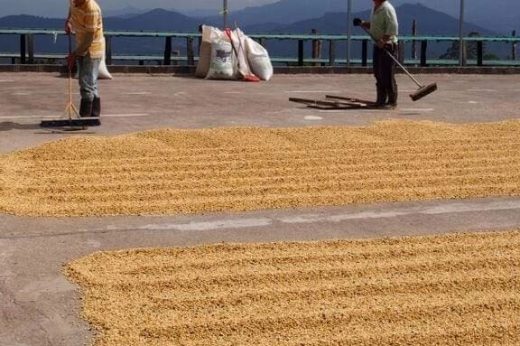
Brazilian coffee broadly refers to beans produced in this largest coffee-producing country in South America, the vast majority of which are processed using the natural drying method—sun-dried directly without washing. This traditional process gives the coffee its unique flavor characteristics. Brazilian coffee typically exhibits low acidity and full body, with a silky texture on the palate, often accompanied by a faint fresh grassy aroma and a gentle chocolate finish. Although its flavor layers are not assertive, it has an excellent acid-bitter balance and a clean, comfortable aftertaste, making it a classic beginner-friendly choice.
Among Brazil's many producing regions, Cerrado stands out in particular. Beans from this area are known for their high flavor consistency and excellent sweet-acid balance, and their stable quality has made them a representative of Brazilian specialty coffee. Most Cerrado coffee is exported to European and American markets and enjoys high recognition among professional baristas. Its success largely benefits from the local unique ecological farming system—a natural cycle formed by coffee plantations adjacent to pastures: livestock manure provides high-quality organic fertilizer for coffee trees, while weeds in the fields become feed for the livestock. This sustainable agricultural model creates a balanced micro-ecological environment.
The diverse flavors of Brazilian coffee are closely tied to its rich range of roasting methods. In particular, the semi-washed processing method widely used in the Cerrado region (a compromise process between washed and natural) skips the fermentation tank soaking step, retaining some bright acidity while enhancing sweetness and aroma complexity. Note that these beans are extremely sensitive to roast level: light roasts tend to highlight green, vegetal notes, while dark roasts amplify bitterness. Medium roast (beans charged at about 200-210°C) best presents their nutty and caramel characteristics.
For the portable drip bag coffee format, mastering the correct brewing technique is essential. First, it is recommended to use a standard 10 g dose (most drip bags are pre-portioned), with a coffee-to-water ratio of 1:15-1:16 (i.e., 10 g coffee to 140-160 ml water), so concentration can be standardized without additional weighing tools. Water temperature control is key—90±2°C is the ideal range. Without a thermometer, you can observe a boiling kettle: after turning off the heat, leave the lid open and let it rest for 2-3 minutes; at a room temperature of 25-30°C, the target temperature is usually reached.
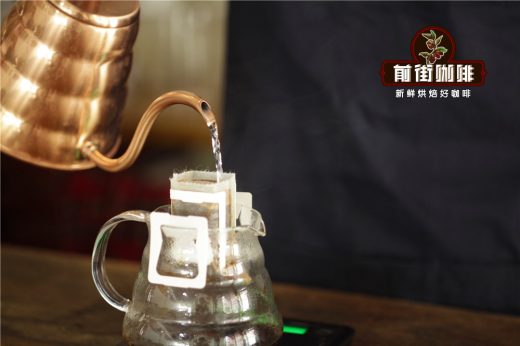
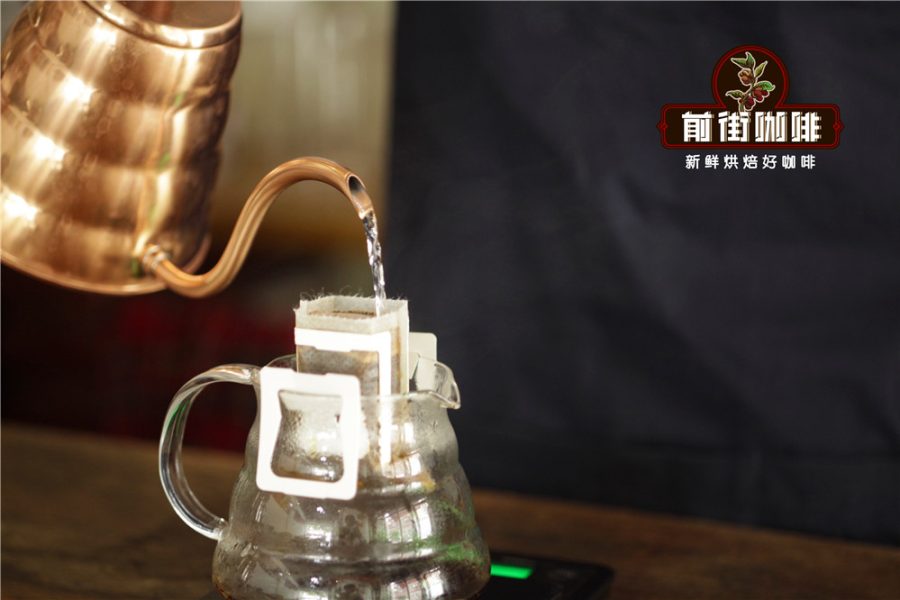
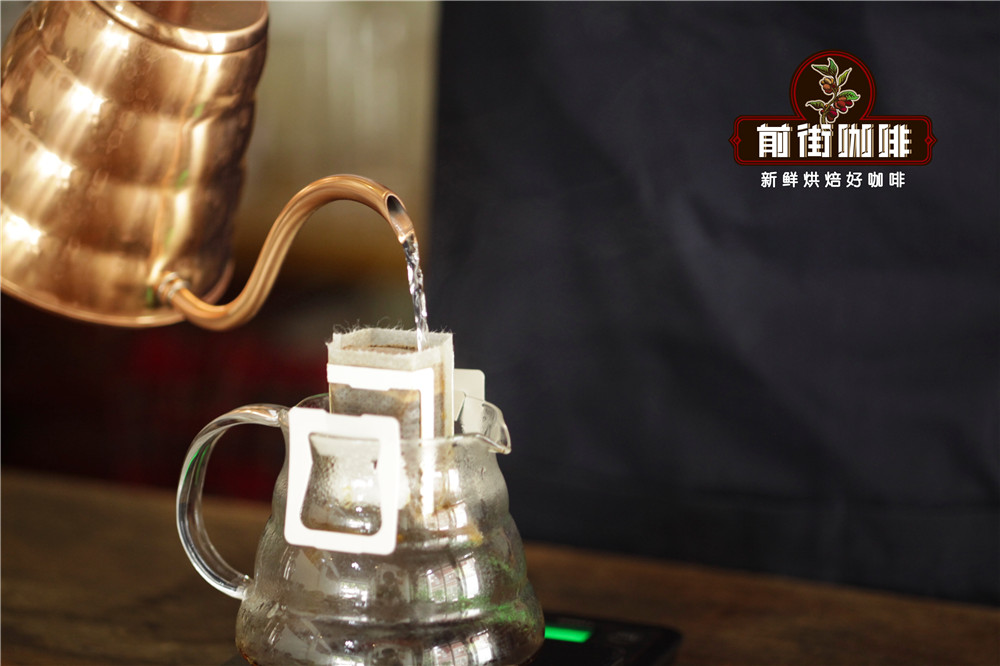
The specific procedure is divided into five steps: ① Tear open the sealed opening of the drip bag, fully open the "ears" on both sides of the filter bag and secure them on the cup rim, then gently tap the filter paper to level the coffee grounds; ② For the first pour, just wet all the coffee grounds (about 20 ml), then let it rest for 30 seconds to complete the bloom and activate the aromatic compounds; ③ Next, pour slowly using a center-focused pour with small circular motions, and continue pouring when the water level drops to the surface of the coffee bed, keeping the stream thin and steady; ④ Keep the total water volume at 140-150 ml (or pre-measure 150 ml and pour it all at once); the entire extraction process should last about 50-60 seconds; ⑤ Once all the coffee has dripped through, remove the drip bag and enjoy.
Two common pitfalls deserve special mention: first, avoid over-pouring, which makes the brew too weak; if you prefer a stronger taste, you can appropriately extend the bloom time to 45 seconds. Second, pay attention to water quality—filtered or mineral water is recommended to avoid the chlorine taste of tap water interfering with the coffee's flavor expression. By adjusting water temperature (±3°C) and pouring speed (alternating fast and slow), you can further fine-tune the extraction result—higher temperatures and faster pouring increase the extraction of bitter compounds, while lower temperatures and slower pouring highlight acidity and floral-fruity notes.