Ethiopia's Huakui Coffee: Guji Natural Process and Flavor Guide
Introduction: An in-depth exploration of the renowned Huakui coffee from Ethiopia's Sidama region, from the heirloom growing environment at 2,250 meters to the meticulous 18-day natural process, offering a comprehensive interpretation of this champion-grade G1 coffee's distinctive flavor characteristics and processing details. Learn professional roasting recommendations and brewing parameters to help you better experience the complex cup interweaving passion fruit and rose.
[Core Producing Region Background] The Guji Zone in Ethiopia's Sidama Province lies in the southern section of the East African Rift. Here, with Buku Abel village as the core producing area, the elevation reaches 2,250-2,350 meters, a typical highland microclimate zone.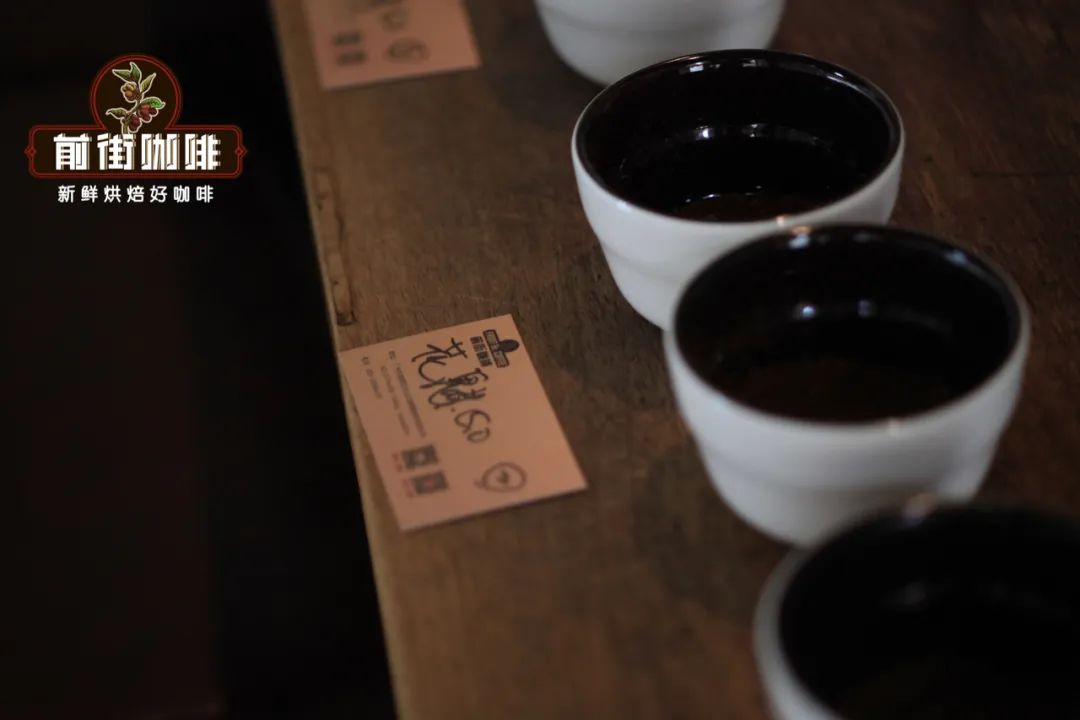 The region's distinctive volcanic red soil, rich in minerals, combined with natural conditions featuring day-night temperature swings of more than 10°C, nurtures coffee trees of the Heirloom native variety with a pronounced sense of place.
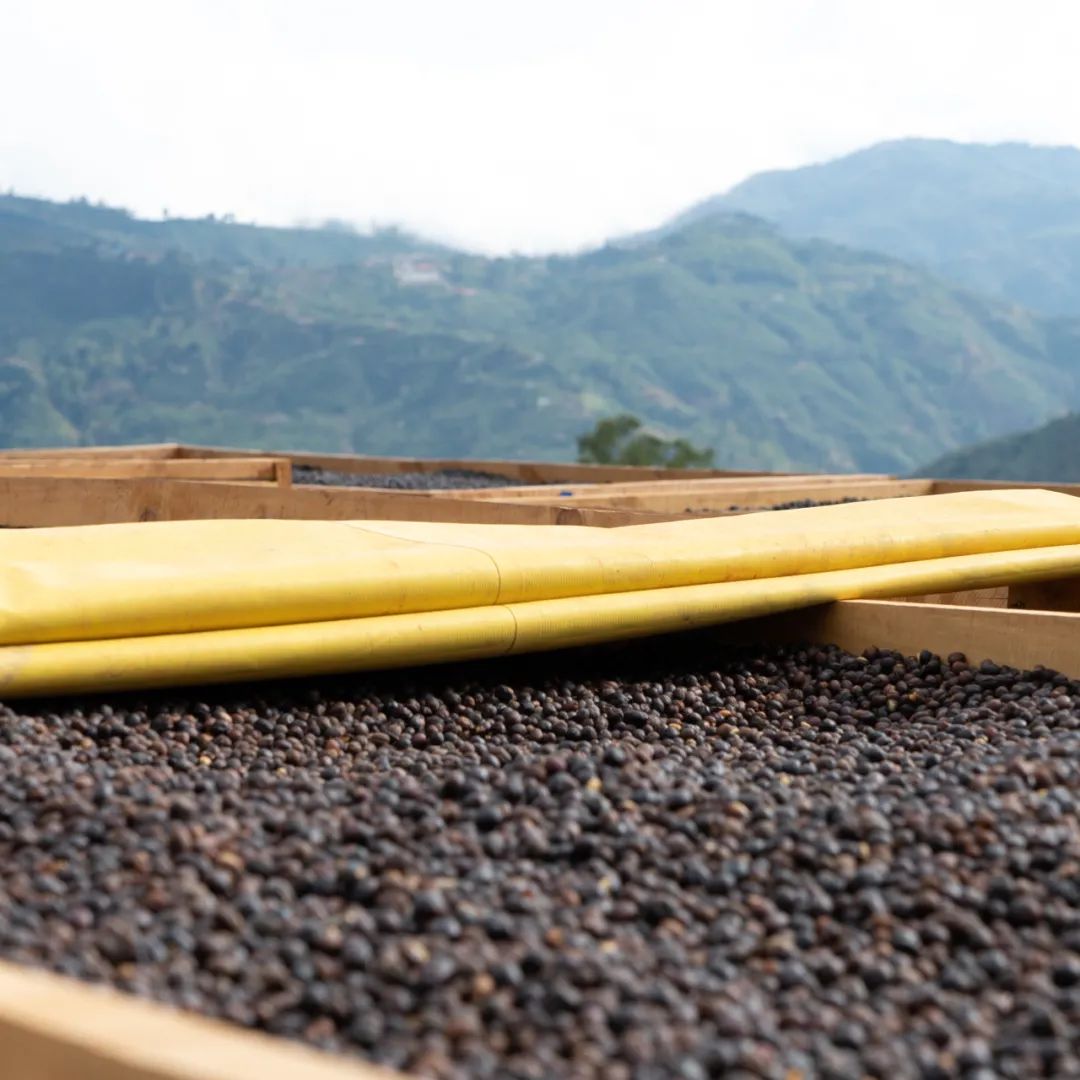
[Quality Grade and Processing Standards] As the highest grade in Ethiopia's coffee grading system, G1 Huakui coffee requires no more than 3 defects per 300 grams of green beans. Processing uses traditional African bed techniques. During the first 48 hours of the drying cycle, the fructose fermentation environment must be strictly controlled—drying begins only when the red cherry's sugar content reaches 30°Brix or above. For the first two days, shade nets regulate light intensity to ensure full saccharification of the mucilage layer.
[Refined Processing Flow] The processing station is located in Buku Abel village at 2,200 meters. During the harvest season from December to January each year, workers hand-select fully ripe red cherries three times a day. When nighttime temperatures drop to around 12°C, insulation measures are activated; when midday temperatures exceed 28°C, UV-blocking shades are deployed. After 18 days of continuous sun drying, the green beans' moisture content stabilizes within the 13%±1% range before the drying process can be terminated.
[Resting and Storage Management] The resting stage before hulling is crucial: the sun-dried green coffee is placed in a ventilated warehouse at a constant 12-22°C and 40-50% humidity for about 50 days, with the jute bags turned regularly to promote even dehydration, ultimately bringing the green beans' moisture content down to the 10% safety threshold. This process effectively develops a balance of berry-like acidity and a black tea finish.
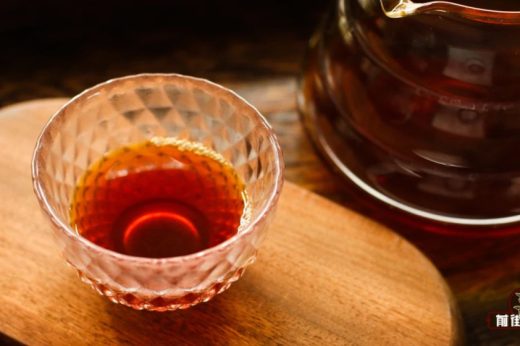
[Flavor Profile Analysis] The cupping performance presents three layers: the initial aroma is dominated by passion fruit and rose, the middle releases the fresh sweetness of strawberry jam and white peach, and the finish carries the mellow aftertaste characteristic of fermented black tea. Professional roasters recommend a medium-light roast (Agtron 65-70) to preserve the floral and fruity character; when brewing pour-over, keep the water temperature within 90-93°C to avoid over-extraction.
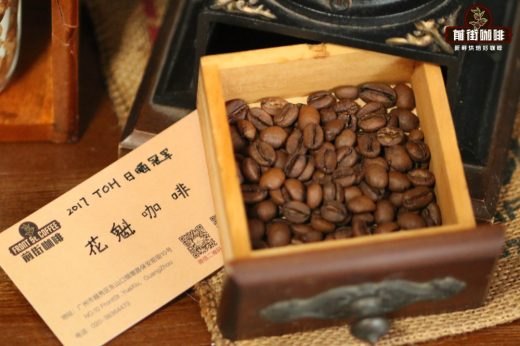
 [Awards and Honors] This lot won multiple international honors in the 2016/17 season, including the Ethiopian National Taste of Harvest Competition championship and second place in the African regional competition. Its distinctive tropical fruit flavor matrix has become the benchmark for high-quality natural beans from the Guji region. Note that climate differences between years may cause slight shifts in flavor emphasis, so it is advisable to check the specific harvest year when purchasing.
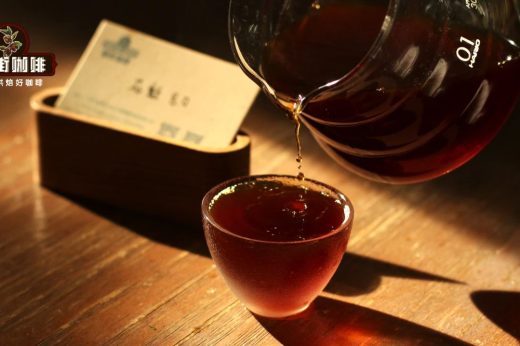
Professional tip: When brewing this type of high-acidity coffee, try a 1:15 coffee-to-water ratio with the V60 three-pour method. Control the first bloom pour at 30 grams of water to effectively bring out Huakui's signature bright fruit acidity. For storage, use aluminum foil bags with one-way degassing valves and avoid storing alongside strongly scented items such as spices.