Sidamo Hambela Flower Queen Coffee: Flavor, Brewing & Pour-Over Guide
Introduction: A deep exploration of the star coffee bean of the Hambela sub-region in Ethiopia's Sidamo producing area—the Flower Queen series—from the terroir of the producing region to processing methods, and on to flavor evolution and brewing plans. This article explains in detail the varietal characteristics of Flower Queen coffee beans, the differences between batches over the years, and practical parameters for the moka pot and pour-over, helping you precisely capture its unique charm of strawberry-cream aroma and multi-layered fruit acidity.
On Ethiopia's coffee map, the Sidamo producing region has always occupied an important position. This area, located on the southern highlands, borders the Arsi and Bale administrative zones to the east and Gamogofa to the west, with the coffee-growing belt concentrated around the East African Rift at elevations of 1,400-2,000 meters. Thanks to complex microclimates, diverse native coffee varieties and differentiated soils, the coffees produced in each town of Sidamo have their own recognizable flavors. Among them, the two major sub-regions of Guji and West Arsi have stood out in recent years for their specialty bean performance.
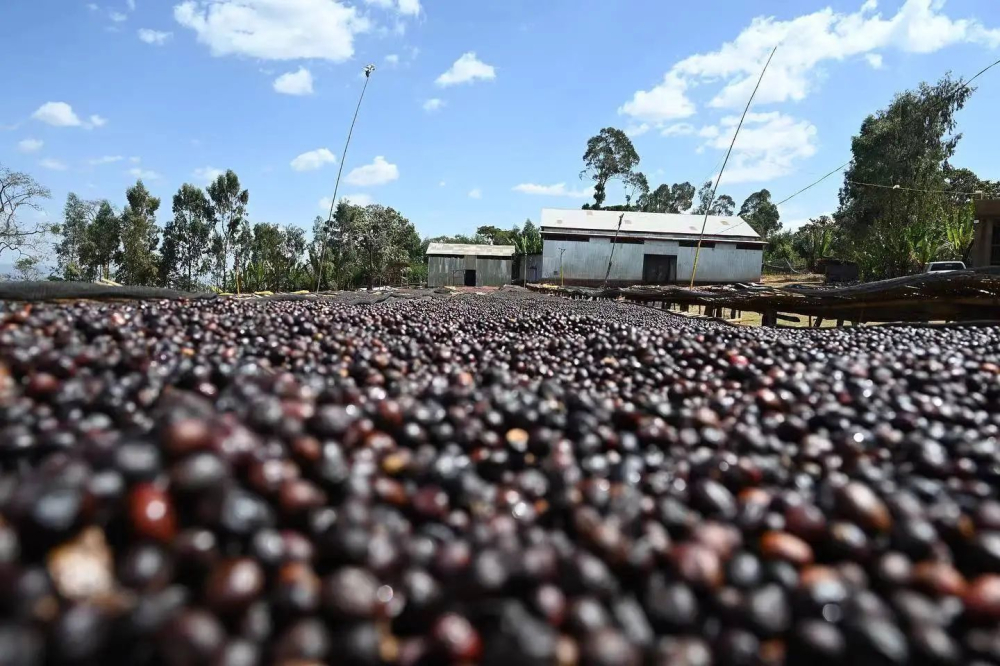
Although the Guji producing region once belonged to Sidamo, it became an independent administrative entity in 2010. Located southeast of Yirgacheffe, its terrain includes high mountains, gorges and plains, with black soil (Vertisol) layers reaching two meters deep and an average elevation above 1,800 meters. Significant day-night temperature differences provide ideal conditions for coffee growth, and the Hambela sub-region is one of Guji's most representative coffee origins.
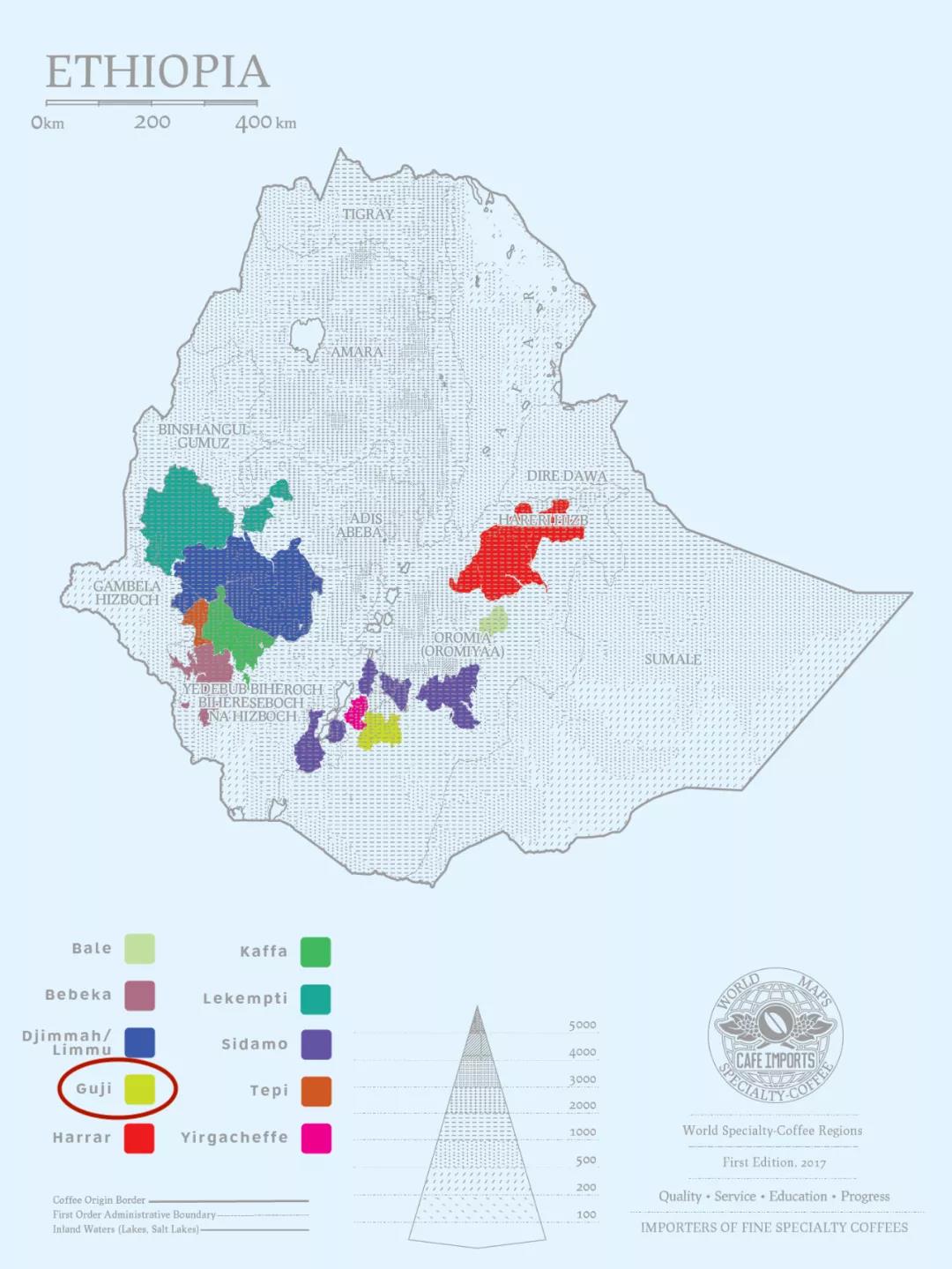
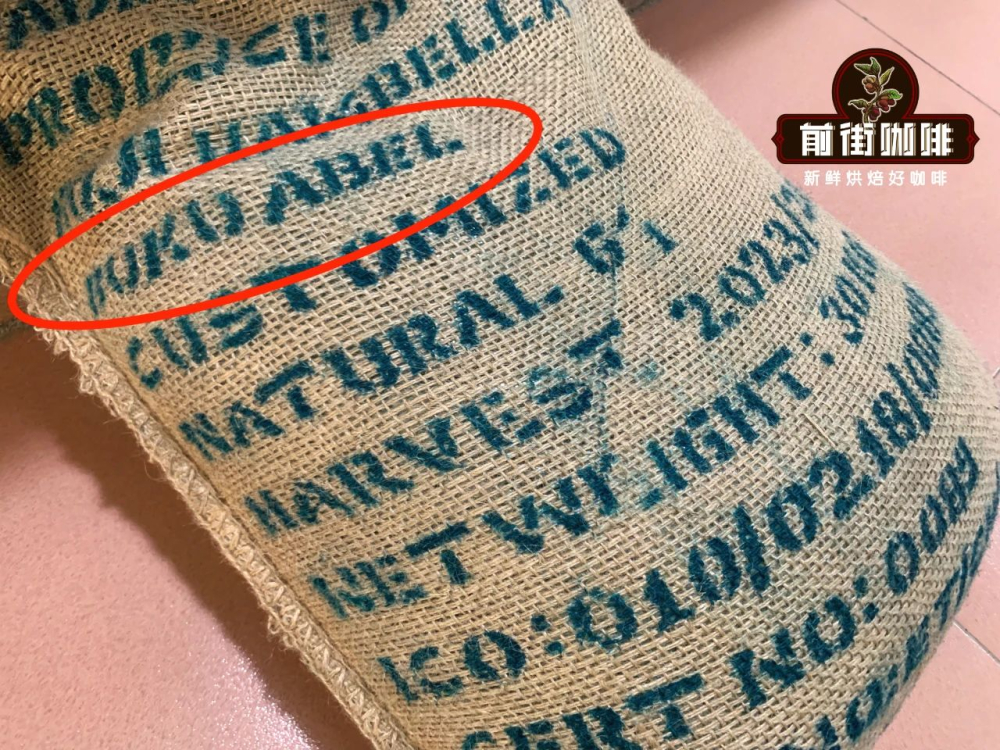
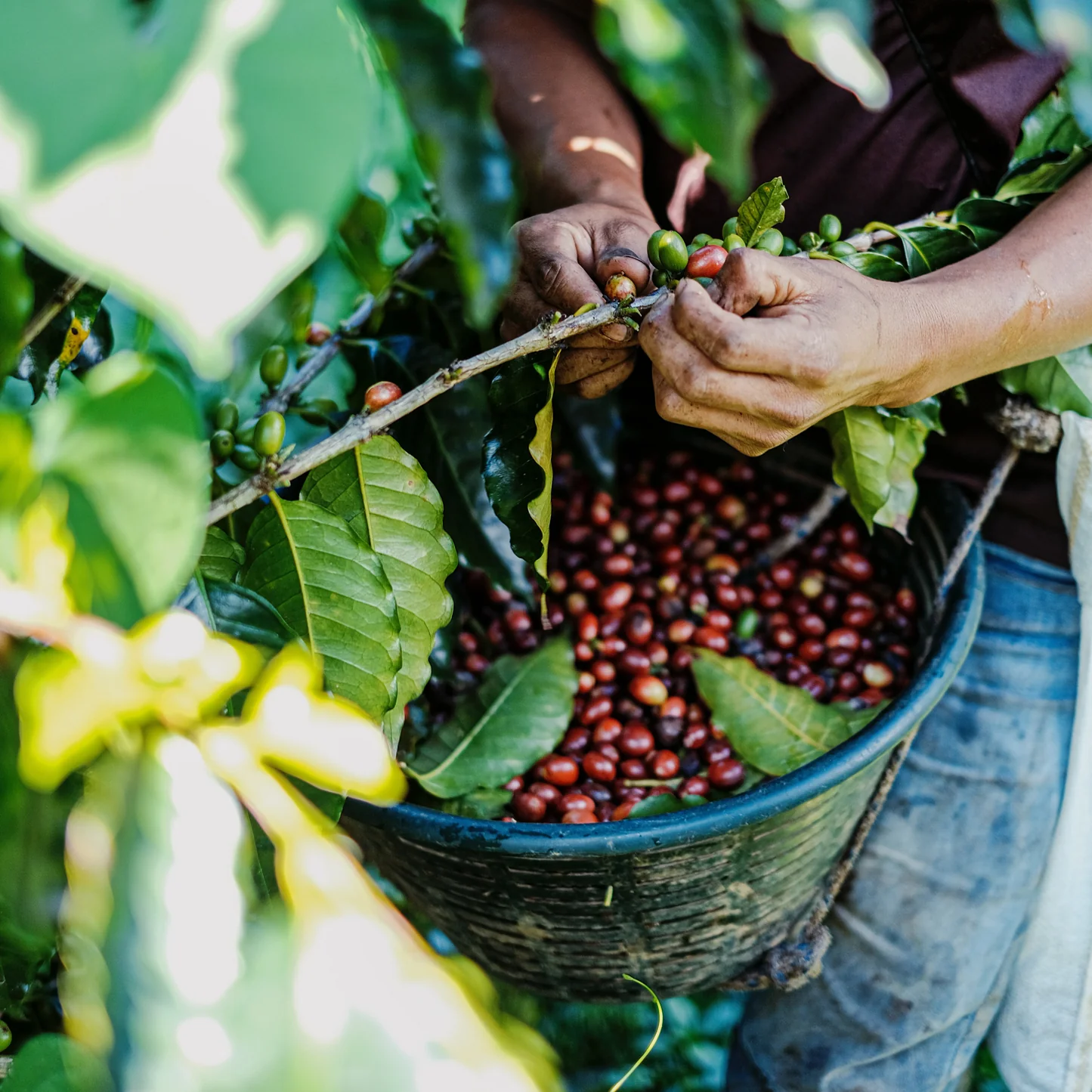
Hambella is located in eastern Guji, facing Yirgacheffe's Kochere across a 3,200-meter highland, with the Shakisso, Uraga and other sub-regions adjacent to its southeast and north. It is the highest-altitude coffee sub-region in Ethiopia (second only to the main producing region Harrar). The area is home to nearly 20 processing plants of different sizes, among which DW Company's Buku Abel processing plant gained international renown with its 2017 TOH green bean competition natural-group champion bean—this bean, known for its strawberry-cream aroma, is precisely the origin of the "Flower Queen" series.
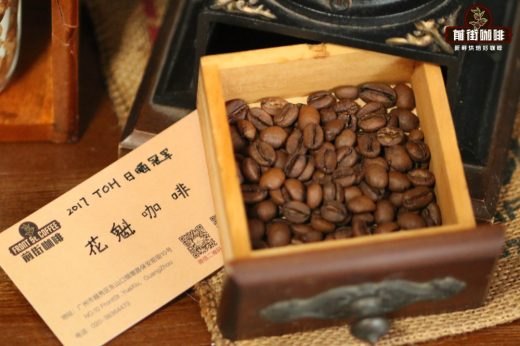
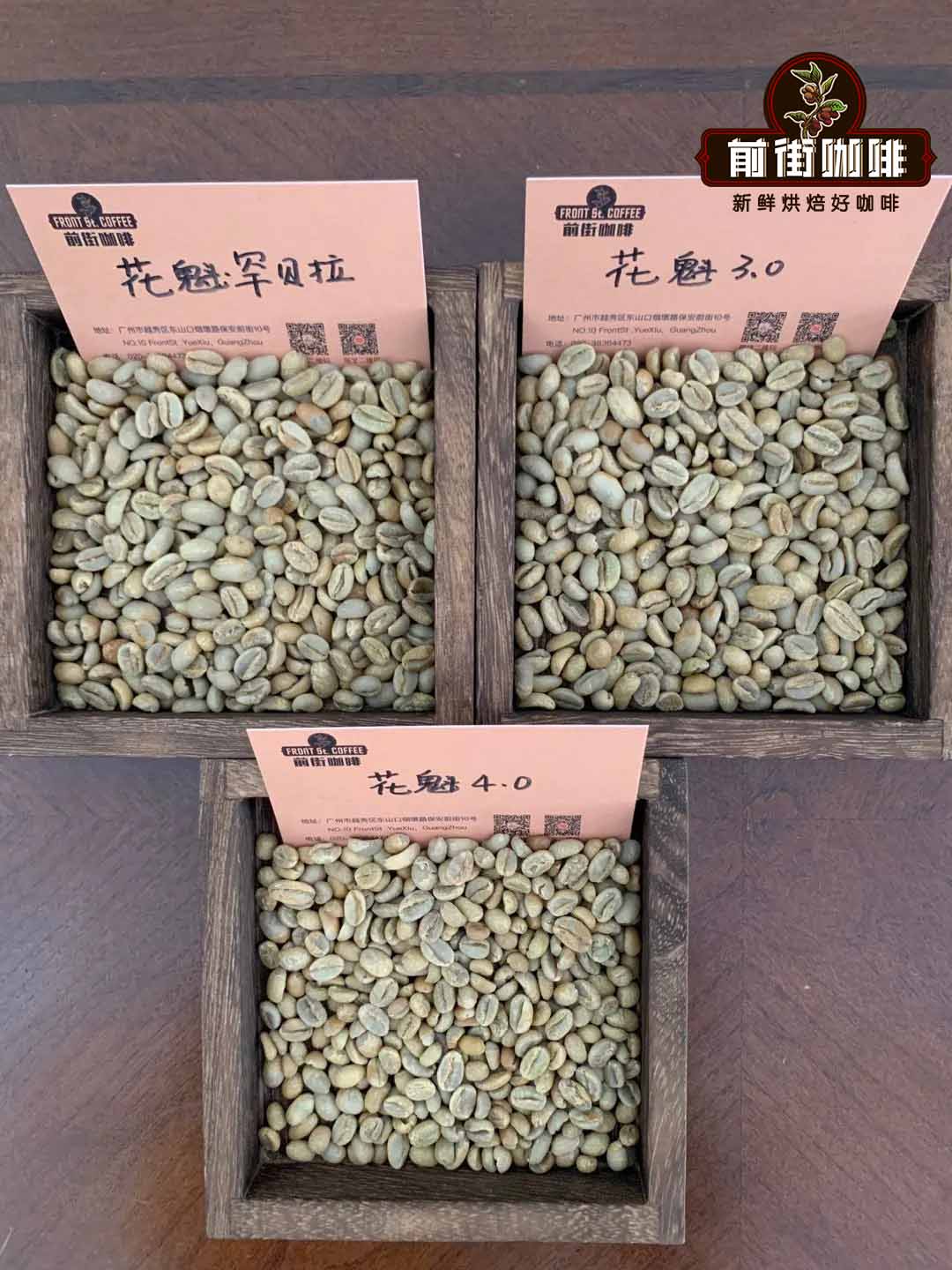
The name Flower Queen comes from the creativity of a Chinese green bean trader in 2017: that year this champion bean performed brilliantly in the World Brewers Cup with a Beijing competitor, and because its quality surpassed the Geisha competition beans of the same period, it was named after the Japanese meaning of "the foremost of the geisha." Strictly speaking, only that year's TOH champion batch can be called the first-generation Flower Queen; subsequent years' natural G1 beans from the same producing region and processing station are distinguished by suffixes—2018 was 2.0, 2019 was 3.0/3.1, up to the latest 7.0 batch.
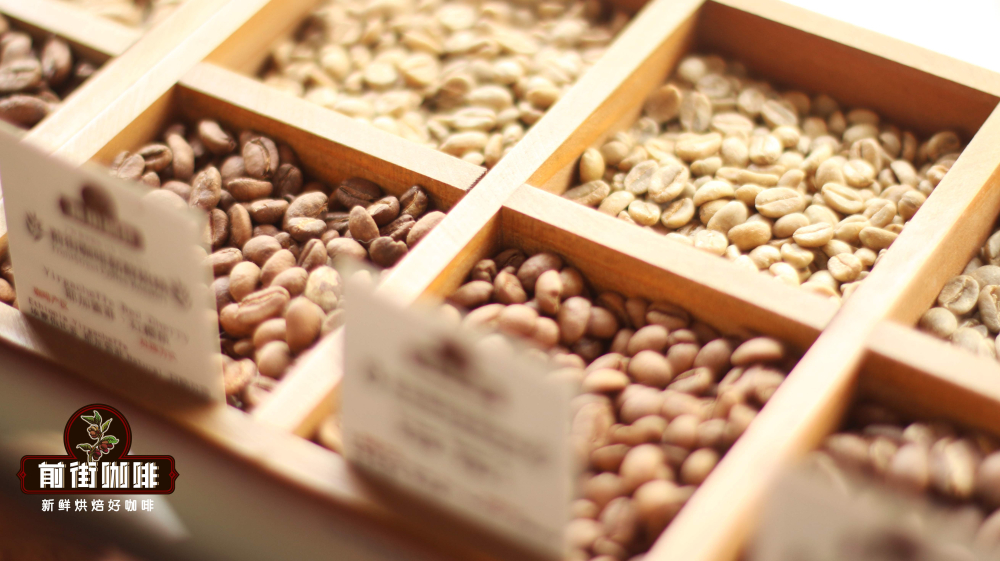
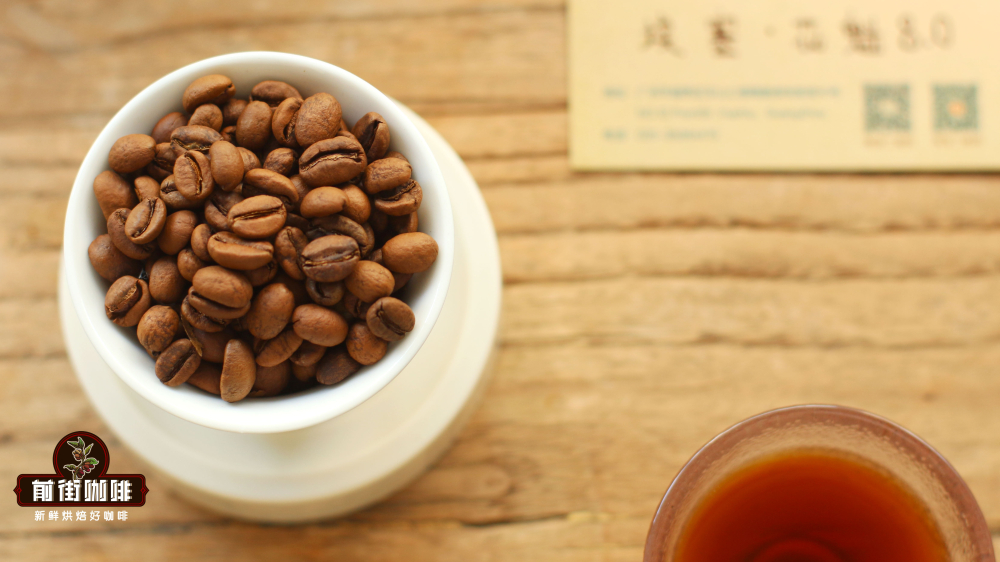
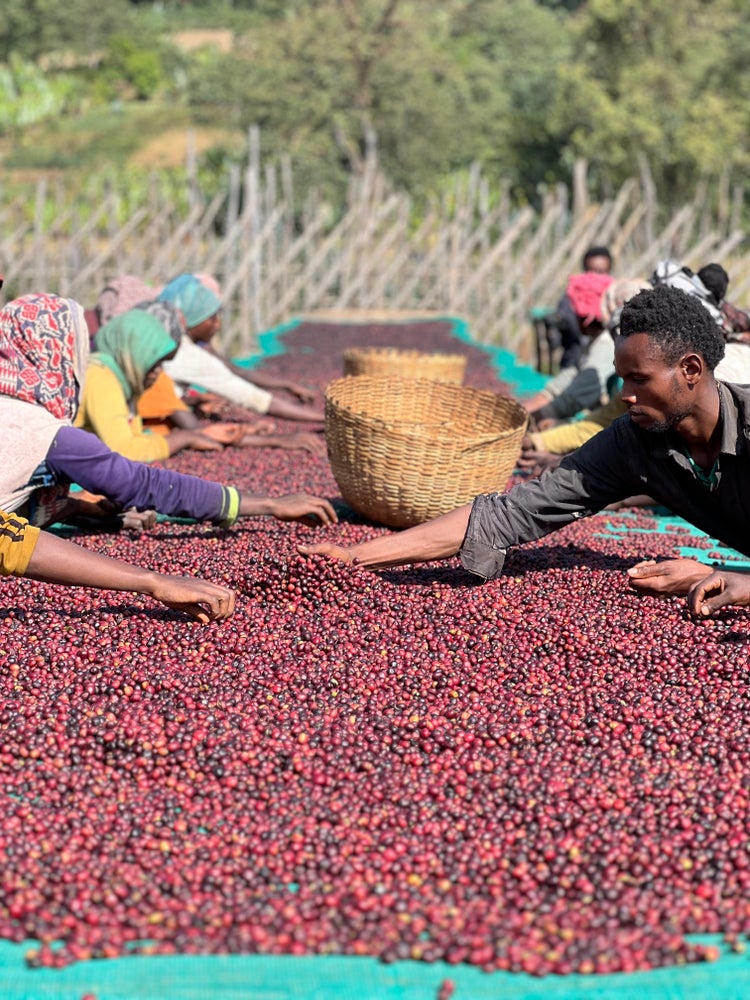
The indigenous tribe where the Buku Abel processing plant is located lives at an extremely high altitude, and residents have grown coffee in the wild forests for generations, often interplanting native banana trees with coffee plants. This traditional cultivation method not only protects the ecology but also gives the coffee a unique flavor foundation. Note that after 2020, the Flower Queen 4.0 batch switched to the Dega variety, whose beans are smaller than the previous generation's Ethiopian native varieties and uneven in size (because they are not screened); this is normal.
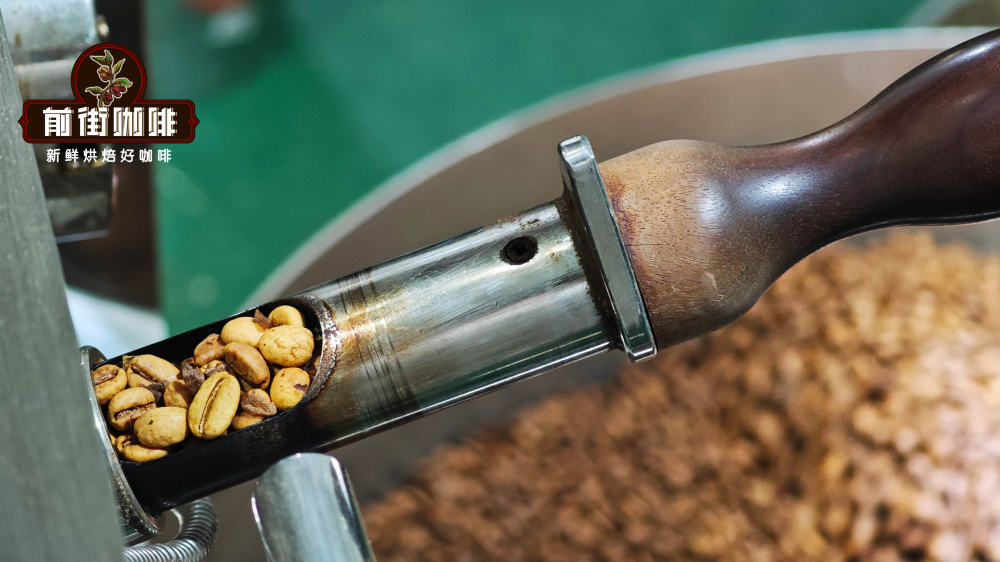
The roasting strategy for the Flower Queen series needs to balance floral-fruity notes with caramel aroma. Taking medium-light roasting as an example: the green beans have a moisture content of about 11% and high density, so the dehydration phase needs to be extended (recommended bean charge at 190°C, 6 minutes to the yellow point at 150-153°C), with a slow temperature rise before first crack (first crack starts at about 9 minutes 50 seconds). Development time after first crack should be controlled within 1 minute 30 seconds. Adjust the damper size to balance the rate of temperature rise; when a distinct strawberry-jam aroma is smelled (about 193°C), the beans can be discharged. Total time is recommended not to exceed 11 minutes.
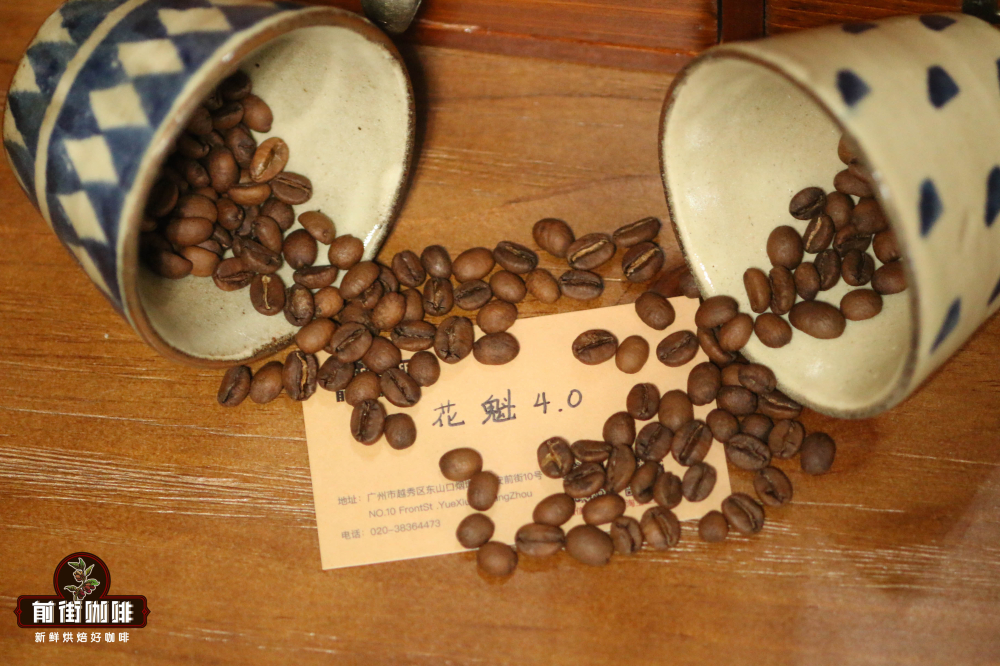
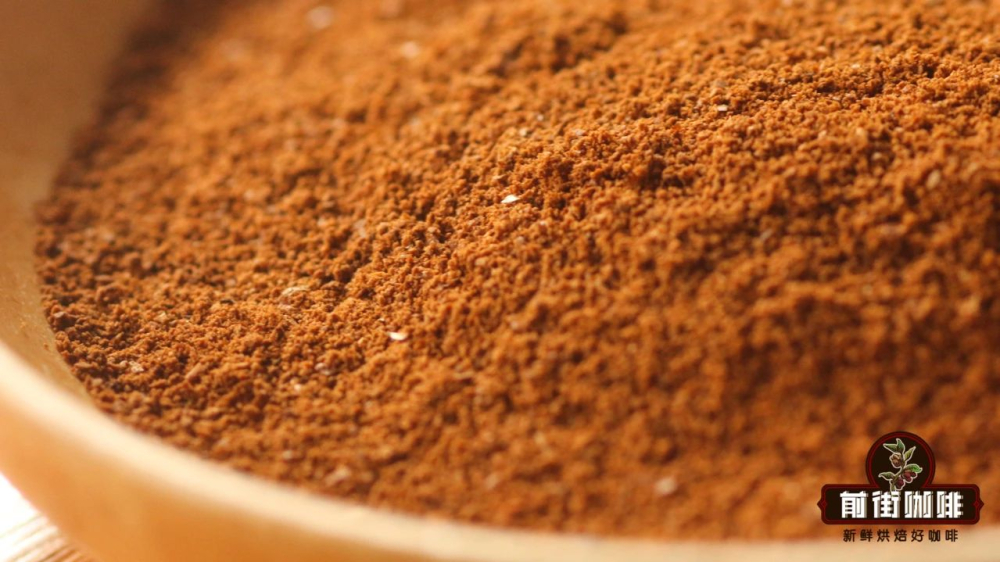
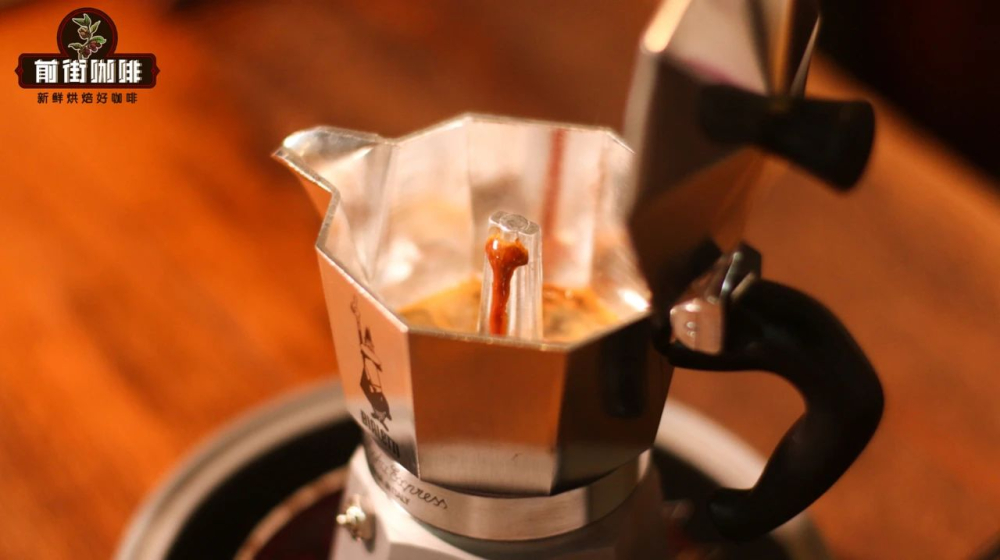
Brewing Flower Queen 8.0 in a moka pot requires special attention to parameter details: the grind size is between pour-over and espresso, recommended EK-43s grinder setting 3.5 (30-40% passing rate through a Chinese No. 20 sieve). When operating, spread the coffee grounds level in the basket without tamping, otherwise splattering is likely. Use medium-low heat in the initial heating stage, turn to low heat after hearing a hissing sound, and when the coffee liquid in the upper chamber reaches half capacity, turn off the heat source and use residual heat to complete the remaining extraction. The final ratio is recommended to be 1:5 with 80°C hot water to make an americano, which presents balanced berry sweetness and acidity with a caramel finish.
The flavor layers of Flower Queen 8.0 are richer than previous batches: the dry aroma carries complex fruit notes of guava, jackfruit and apricot; after brewing it releases honey and berry sweetness, and on the palate one can capture tropical fruit acidity such as dried mango and passion fruit. Whether through the intense extraction of the moka pot or the medium-light layered expression of pour-over, it can show the bright acidity and full-bodied texture characteristic of the Sidamo producing region.
For beginners, the flavor stability and recognizability of the Flower Queen series make it a high-quality choice for practicing brewing techniques. From the microclimate of the producing region to processing methods, and on to the varietal evolution of different batches, understanding this background knowledge will help you adjust parameters more precisely and fully release the potential of every coffee bean.