Starbucks Decaf Coffee: Decaffeination and Flavor Explained
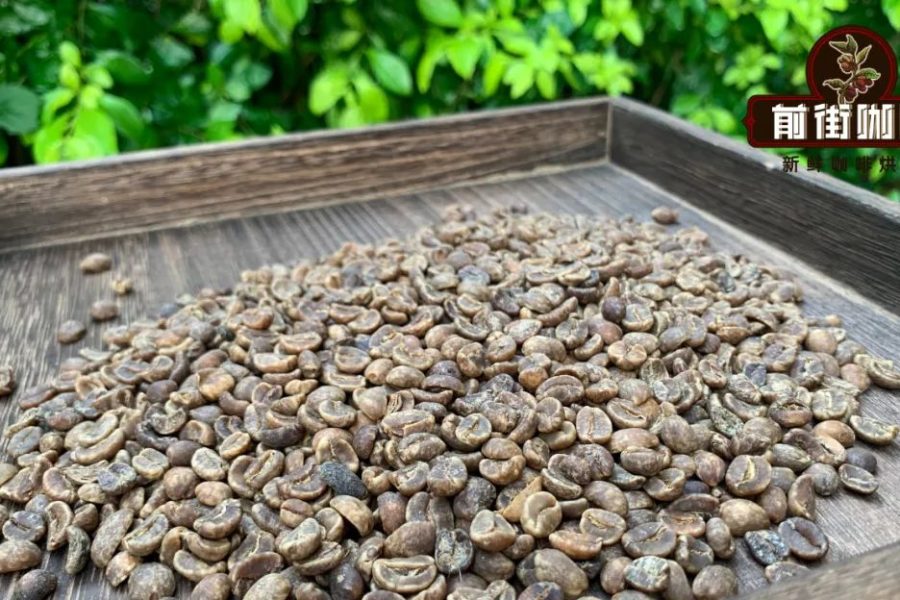
Introduction: How does decaf coffee balance alertness and a mellow taste? This article takes an in-depth look at the principles of mainstream decaffeination technologies, focusing on how the natural CO2 supercritical extraction process used by Starbucks precisely removes caffeine while preserving flavor compounds. From raw material selection in Latin American growing regions to medium-roast process parameters, it walks you through the entire process of creating a proper cup of decaf coffee.
 Decaf products blended from coffee beans of premium Latin American origins (Brazil, Costa Rica) present distinctive stone fruit and cocoa flavors after special processing, and their signature roasted sweetness is especially noticeable in the finish. These coffees are usually washed, and after medium roasting they reach a balanced state of acidity and body, making them suitable for pairing with fresh-flavored foods such as stone fruits and apples.
The caffeine content of commercially available decaf coffee is generally kept at 0.1%-0.3% (regular coffee contains about 1%-2%), and its production process begins with green bean screening at origin. Selected green coffee beans must first undergo washed pretreatment, and are then transported to a specialized decaffeination plant—this stage directly affects the quality consistency of the final product. It is worth noting that the water-soluble nature of caffeine means all decaffeination methods face the challenge of flavor compound loss; besides caffeine, water also extracts sugars, proteins and other key components that affect taste.
 The factors leading to differences in caffeine content include multiple variables: from the varietal differences between Arabica and Robusta, to the soil composition of different growing regions, to roast curve settings (e.g., medium-roast temperatures usually maintained at 200-220°C) and extraction methods (the dose-to-water ratio difference between espresso and pour-over can range from 1:2 to 1:16). Professional decaffeination requires precise control of these parameters to ensure flavor balance.
The industry currently mainly uses three decaffeination technologies, among which the natural CO2 supercritical extraction method preferred by Starbucks and other brands is the most representative. This process places green beans in a sealed stainless steel tank, first soaking them in hot water to soften the cell walls, and then injecting liquid carbon dioxide under 200-300 atmospheres of pressure. This supercritical fluid combines the diffusivity of a gas with the dissolving power of a liquid, and can selectively bind caffeine molecules (molecular weight 194.19) without destroying flavor precursors, achieving extraction efficiency of over 97% while retaining more than 90% of aromatic compounds.
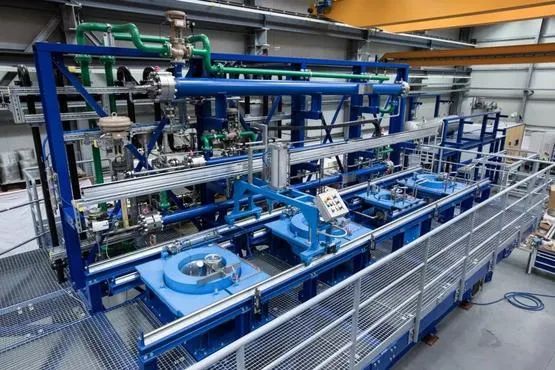 During processing, the green beans undergo 6-8 hours of circulating extraction at 60-70°C, with selectivity optimized by adjusting pH and pressure parameters. Decaffeinated beans must be tested by a professional institution to confirm caffeine content ≤0.1%, and then immediately enter the regular roasting process. The medium-roast stage (recommended development time ratio 25%-30%) is especially important for decaf coffee, as it effectively develops the sweetness from caramelization reactions to compensate for missing flavors.
Consumers should note when purchasing: true decaf coffee must meet international standards (the EU stipulates ≤0.1%, the U.S. FDA standard ≤0.3%), and packaging should clearly indicate the type of decaffeination process. For storage, decaf beans oxidize 15%-20% faster than regular coffee, so it is recommended to use them within 2 weeks after roasting to ensure flavor freshness. As for brewing parameter adjustments, because decaf coffee has relatively fewer bitter compounds, you can appropriately extend extraction time or raise water temperature (90-93°C recommended) to enhance the layers of taste.