How to Choose Naturally Low-Caffeine Coffee: Laurina Variety Guide
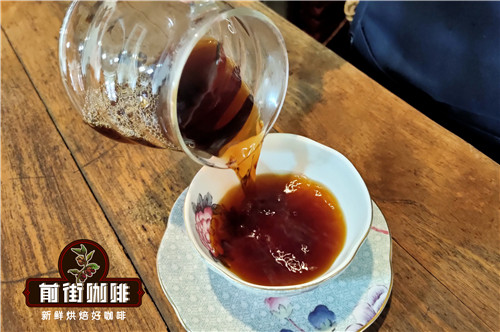
Introduction: Naturally low-caffeine coffee is a choice that meets health needs while delivering both quality and flavor. This article focuses on Laurina, a variety with a caffeine content of only 0.6%, compares the caffeine differences between regular Arabica and Robusta, reveals its revival by Japanese experts, and uses a honey-processed lot from Nicaragua's Finca La Escondida as an example to explain its flavor characteristics and brewing recommendations, helping you find a low-caffeine coffee that suits you.
For consumers who enjoy coffee but want to reduce their caffeine intake, naturally low-caffeine coffee beans are an ideal choice. Among them, Laurina stands out with a caffeine content of only about 0.6%—regular Arabica varieties usually have a caffeine content of 1%-1.2%, while Robusta is as high as over 2%. To verify this data, we specially sent this batch of Laurina from Nicaragua, together with other varieties from the same estate, for testing. The results showed that its caffeine is reduced by more than 40%-50% compared with traditional Arabica, satisfying the need for low caffeine while avoiding the health concerns that chemical decaffeination may bring, as well as the flavor loss commonly caused by the washed and carbon dioxide processes.
The unique genetics of Laurina are no accident. Its scientific name Laurina (transliterated "Lorina") or Bourbon Pointu was first discovered and re-cultivated by Japanese coffee expert and the UCC coffee team on Réunion Island. Through years of effort, this variety, which was once on the brink of disappearance, was revived, and it is named "Pointu Bourbon" (sharp-bodied Bourbon) for its long, pointed bean shape. During a field visit to the UCC Tokyo Coffee Academy last year, its researchers specially shared the cultivation story of this variety—from its accidental discovery on Réunion Island to the persistent cultivation by the Japanese team, Laurina has gradually become a benchmark in the low-caffeine coffee field.
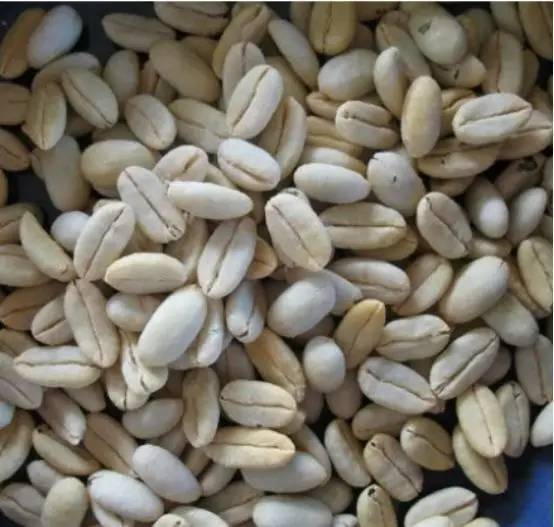
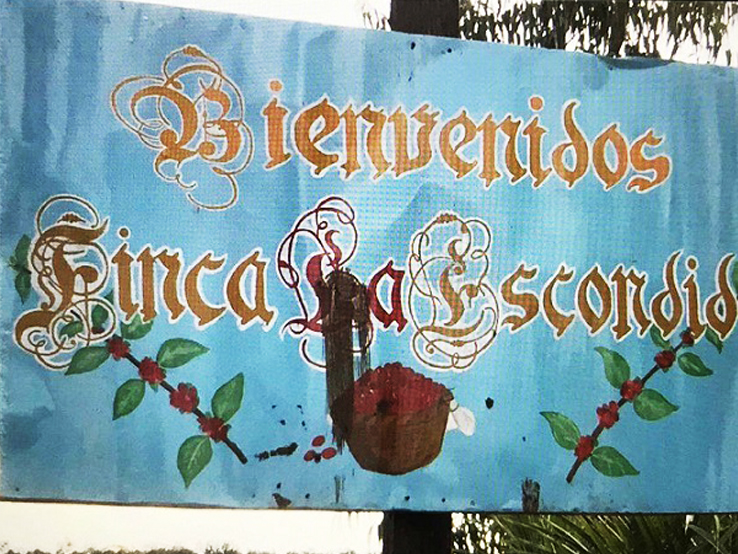
The Laurina evaluated this time comes from Finca La Escondida in Nicaragua. The estate is located in the Jinotega department, adjacent to Lake Apanas, and is managed by the Mierisch family. The "hidden" in the estate's name comes from the dense woods surrounding it, far from the hustle and bustle, and its unique microclimate provides an ideal environment for the growth of Laurina. This batch of beans uses the honey process (Pulped Natural), that is, removing the pulp while retaining part of the mucilage for fermentation. This reduces the astringency of the washed process and is more stable than natural sun-drying, better highlighting the floral and citrus notes of Laurina.
In terms of flavor performance, the honey-processed lot (Lot 1802) of Laurina from Finca La Escondida in Nicaragua shows the typical characteristics of a low-caffeine variety: bright citrus and honey sweetness on entry, a faint almond nuttiness emerging in the middle, and a clean and refreshing finish, with almost none of the "thinness" or "burnt bitterness" defects commonly found in traditional decaffeinated coffee. Because of its low caffeine content, its stimulating effect is noticeably weaker than regular Arabica, making it suitable for people who are sensitive to caffeine but still pursue flavor complexity, especially for morning refreshment or an afternoon sip.
For consumers who want to try Laurina, it is recommended to give priority to honey-processed or natural-processed lots—these processing methods better retain its natural sweetness and aroma. For brewing parameters, medium-fine grinding is recommended (similar to granulated sugar), with water temperature controlled at 90-92°C. When using pour-over, it is recommended to keep a steady flow and pour in stages to avoid over-extraction causing astringency; if extracting with an espresso machine, the grind should be slightly finer (close to fine granulated sugar), and the dose-to-yield ratio of 1:2 is recommended to be extended to 25-30 seconds to highlight the balanced nutty and citrus flavors.
Currently, naturally low-caffeine coffee varieties on the market are limited. In addition to Laurina, a small number of Ethiopian landraces or specially selected Arabica variants also have lower caffeine characteristics (usually below 1%), but overall production is scarce and prices are high. Laurina, with its stable flavor performance and relatively accessible production, has become the mainstream choice for low-caffeine coffee lovers. If you are looking for a solution that lets you enjoy coffee flavor while reducing caffeine intake, you might start by trying this Laurina from Finca La Escondida in Nicaragua.