Decaf Coffee Brewing Guide: Decaffeination, Caffeine Content and Pour-Over Parameters
Introduction: Decaf coffee is not completely caffeine-free; rather, most of its caffeine is removed through special processes. This article explains the three main decaffeination techniques, the actual caffeine residue, and optimized brewing plans for decaf beans, including practical parameters such as water temperature, grind size and pouring technique, to help you balance health needs with coffee flavor.
Decaf coffee refers to coffee products that have undergone professional decaffeination, with a caffeine removal rate required to reach more than 97% by international standards. This means that each 150 ml cup of decaf coffee usually contains no more than 3 mg of residual caffeine, only 1/20 to 1/10 that of regular coffee.
Current mainstream decaffeination technologies fall into three categories: the solvent method (using water-soluble organic solvents to selectively extract caffeine), the supercritical carbon dioxide method (using high-pressure gas to penetrate the bean core), and the Swiss Water Process (selectively separating caffeine through a flavor-factor-saturated solution). Among these, the Swiss Water Process requires no chemicals and can retain about 95% of the original flavor compounds.
There is a common misunderstanding about the caffeine content of decaf coffee—it is not zero caffeine. Tests show that beans processed with conventional decaffeination still retain 2%-3% caffeine. Taking a medium-roast decaf bean as an example, a single espresso (30 ml) contains about 5-7 mg of caffeine, equivalent to a cup of regular tea. This trace residue has negligible health impact on the vast majority of people (including pregnant women).
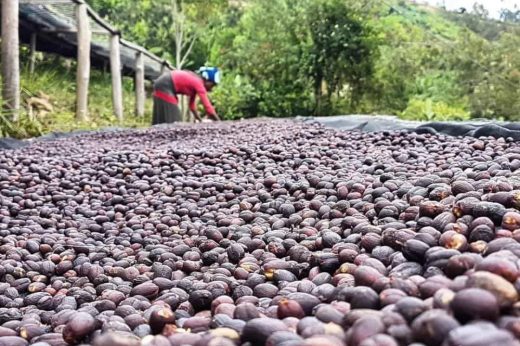
To explain specifically how the Swiss Water Process works: in the first stage, green beans are soaked in hot water at 90-95°C, causing caffeine and flavor compounds such as fruity acids to dissolve out together; the water then passes through an activated carbon filter that precisely removes caffeine molecules while retaining the hot-water matrix rich in flavor compounds. In the second stage, a new batch of green beans is placed in this "flavor-loaded water"; since the flavor factors in the water have already reached saturation, only caffeine is selectively extracted without affecting other components. This process can achieve a caffeine removal rate of 99.9%, and the processing water can be recycled to reduce energy consumption.
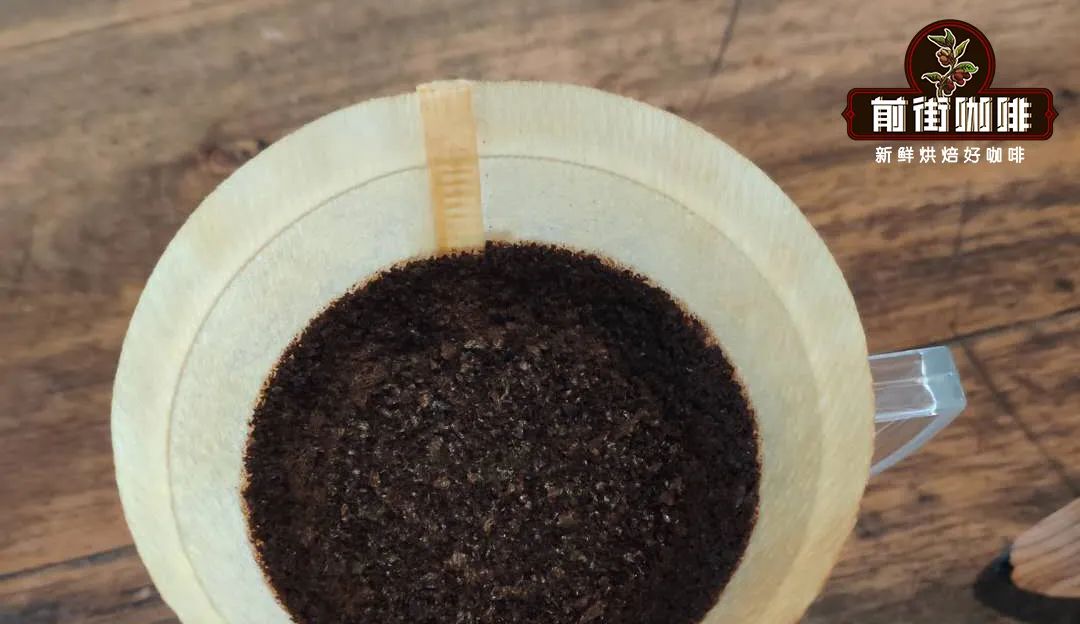
Given the characteristics of decaf beans, the following brewing parameters are recommended to optimize extraction: 15 g dose, 1:15 coffee-to-water ratio, water temperature controlled at 88±1°C, and a coarse grind with 62% passing a No. 20 standard sieve. The Kono dripper is recommended; its rib design effectively slows the water flow, suiting the generally lower density of decaf beans.
The specific brewing process consists of three pouring stages: first pour 30 ml of hot water (twice the dose) and let it bloom for 30 seconds; second, pour 150 ml in a radial pattern from the center, keeping the stream height stable so the coffee bed naturally rises and forms a golden foam layer; finally pour 45 ml as the finishing water, and remove the dripper once the coffee has fully dripped through, with total extraction time controlled at about 2 minutes 10 seconds. Watch for changes in flow rate; if it clearly speeds up, the grind should be adjusted finer.
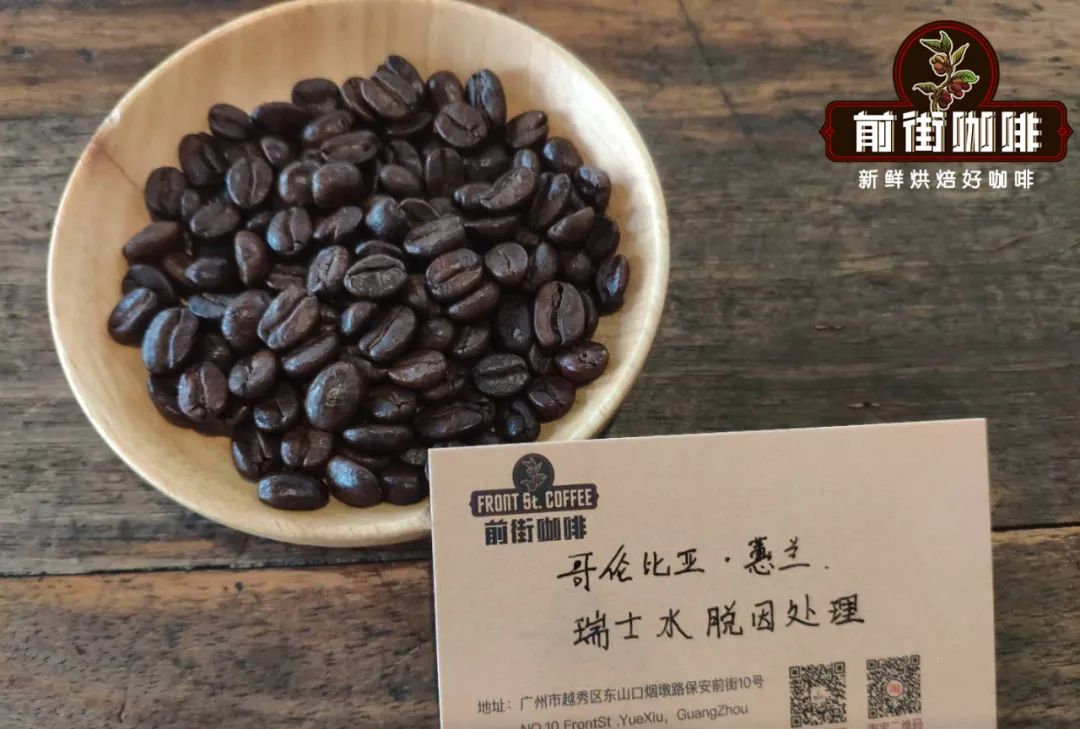
Extra care is needed when storing decaf beans: after decaffeination, beans have weaker antioxidant capacity, so it is recommended to store them in an airtight canister with a one-way degassing valve in a cool place, and to use them within two weeks of opening. Grind immediately before brewing to avoid flavor loss from prolonged exposure to air.
In terms of flavor, high-quality decaf coffee can still show distinct nutty notes, gentle caramel sweetness and a moderate level of acidity. Some decaf beans processed with the natural method may carry a wine-like fermented aroma; this is not directly related to the decaffeination process itself but mainly depends on the green bean origin and roast profile.