Iced Americano Guide: Ratios, Flavor, and Health Pros and Cons
Introduction: As a popular summer coffee choice, the iced Americano is widely loved for its refreshing taste and energizing effect. But why does espresso taste less bitter after ice is added? How do you control the optimal ratio? This article explains the principles of making an iced Americano, common ratio options and flavor differences, and analyzes its health benefits and potential drawbacks, helping you master the essence of this classic drink.
On a scorching summer day, a glass of icy iced Americano always delivers a refreshing, energizing secret. Espresso itself is rich and intense, and its flavor can easily seem heavy once cooled, but after adding ice cubes or iced water, the low temperature softens the bitterness and lifts fresh layers; this collision of hot and cold is exactly the unique charm of the iced Americano.
Basic Ratios and Parameter Control
The iced Americano is built on espresso, ice cubes and drinking water. Although there is no unified standard, a reasonable ratio is the key to balanced taste. The conventional approach is a 1:4 to 1:5 ratio of espresso to water, for example extracting 40 g of espresso from 20 g of grounds, then adding 180 ml of 80-85°C hot water. For lower calories, part of the hot water can be replaced with ice cubes—it is recommended to use high-density old ice (about 25 g per cube) to slow the melting rate and avoid excessive dilution.


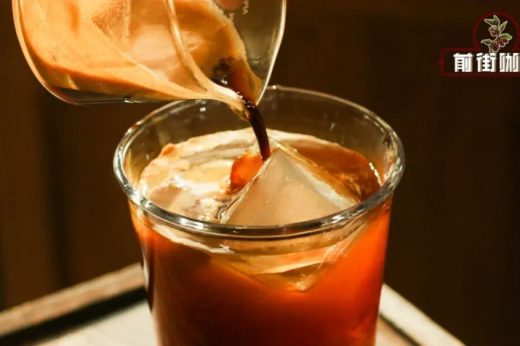
The advanced "waterless iced Americano" keeps only espresso and ice; when making it, the hot espresso is poured directly over the ice, and the rapid-cooling process concentrates the flavor and reduces astringency. Measured data shows that this method can increase the coffee's brightness by about 15%, making the sweet-and-sour profile more prominent.

Creative Variations and Visual Experience
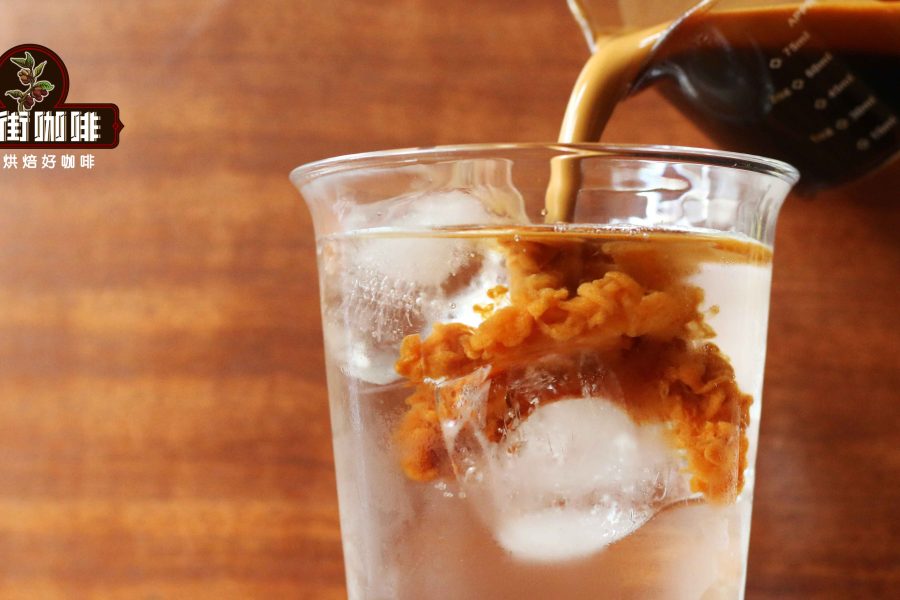
Beyond the basic version, the quicksand iced Americano uses steam to whip the coffee crema into a golden foam layer, which settles into a fine sand-like layered effect; the waterfall iced Americano uses melting ice in the cup to create a dynamic visual, while the cold extraction process also preserves the crema's aroma. These methods are not essential, but they can add fun to routine drinking.

Causes of Bitterness and Bean Selection
The strength of an iced Americano's bitterness depends on the coffee beans' roast level and extraction parameters. Medium-dark roasted blend beans usually perform better—such beans are processed at high temperature for a long time, so bitter substances and caramelization reaction products reach a balance; when extracted with 9-10 Bar pressure, they can produce a full-bodied base and weaken sharp bitterness. Common quality blends include the nutty notes of Brazilian beans and the citrus acidity of Central American beans; combining the two can enhance the overall flavor complexity.

Health Benefits and Precautions
The iced Americano is extremely low in calories (about 5-15 kcal per serving) and is suitable for fitness enthusiasts to replenish water and caffeine, but its high acidity (pH 4.5-5.2) may irritate an empty stomach. It is recommended to pair it with breakfast or add a small amount of plant milk to neutralize the irritation. In addition, daily caffeine intake should not exceed 400 mg (about two standard Americanos), and pregnant women and sensitive individuals should reduce it as appropriate.

From parameter adjustment to flavor pairing, the key to mastering the iced Americano lies in understanding the interaction of temperature, concentration and ingredients. Whether you are a minimalist pursuing efficiency or a creative experimenter, you can find your own approach to this classic drink.