Blend vs. single-origin beans: a guide to choosing beans for pour-over and Americano
Introduction: Are you torn between blended coffee beans and single-origin coffee beans? Which brewing method suits each one? This article examines the core differences between the two, from definitions and roasting characteristics to actual flavor performance, and offers practical selection advice for Americano, pour-over and other scenarios to help you find the coffee bean type that suits you best.
In the world of coffee, blended coffee beans and single-origin coffee beans are the two most common categories. Their differences lie not only in what they are made of, but also directly affect brewing methods, flavor performance and suitable scenarios. Understanding the differences between the two is the first step in choosing coffee that suits your taste.
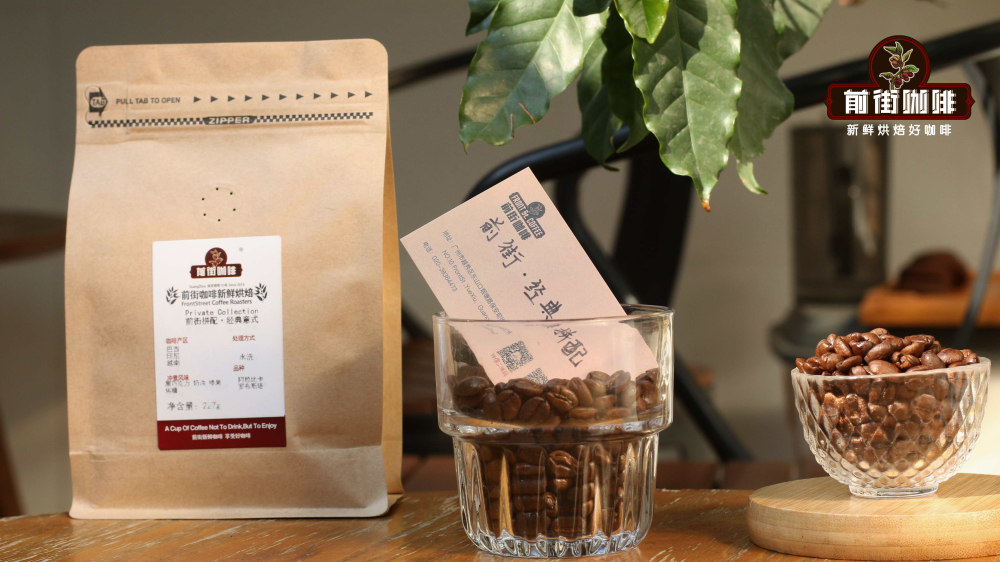
What are blended coffee beans? Simply put, blended beans are made by mixing coffee beans from two or more different origins in specific proportions. This combination is not random; through precise ratios, it balances acidity, sweetness and body to ultimately present stable flavor characteristics. Blended beans are often used to make espresso, lattes and other specialty coffee drinks, and the roast level is usually medium-dark to ensure extraction stability and crema performance.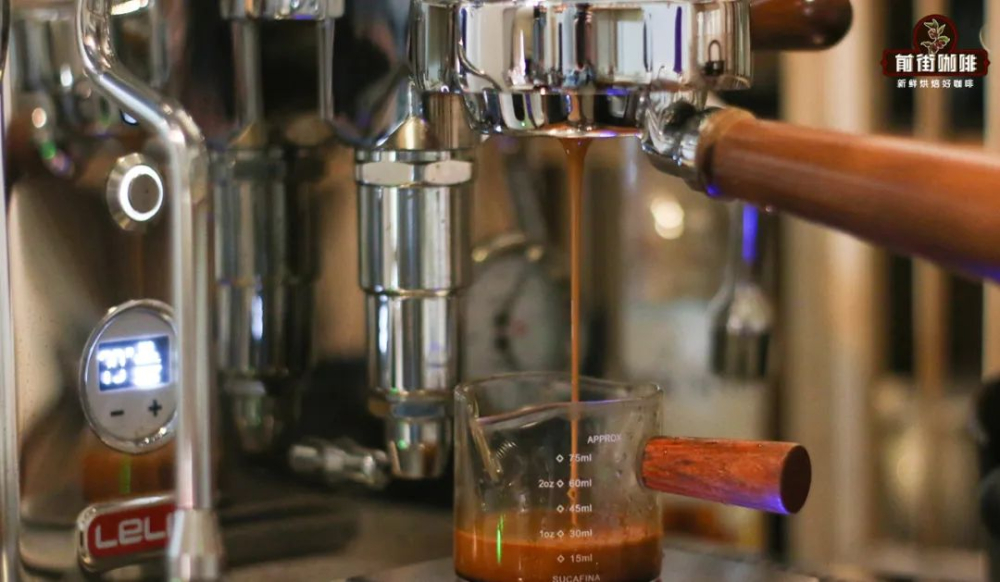
The art of blending lies in coordination. For example, combining high-acidity African beans with low-acidity, full-bodied South American beans preserves bright fruity acidity while adding a chocolate or nutty finish. It is worth noting that blends may also include the same bean at different roast levels, or even a mix of beans from old and new crop seasons, to adjust the overall flavor layers.
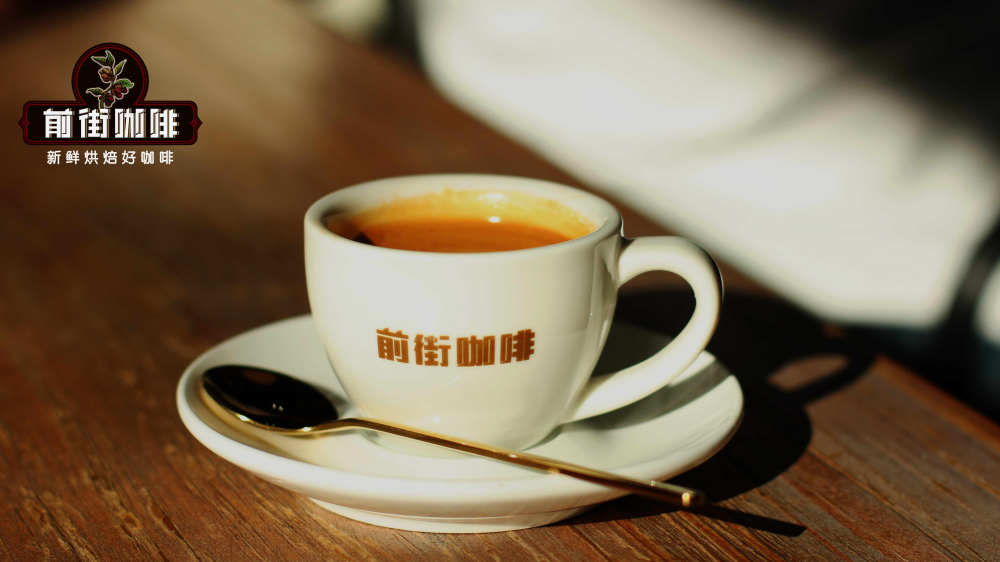
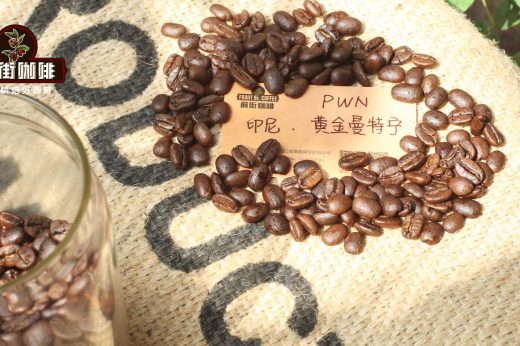
Single-origin coffee beans are completely different—they specifically refer to coffee beans from a single region, estate or processing method, preserving the regional terroir to the greatest extent. The citrus and floral notes of Ethiopia, the nutty caramel of Colombia, and the herbal, earthy aroma of Indonesia all depend on the unique origin imprint of single-origin beans.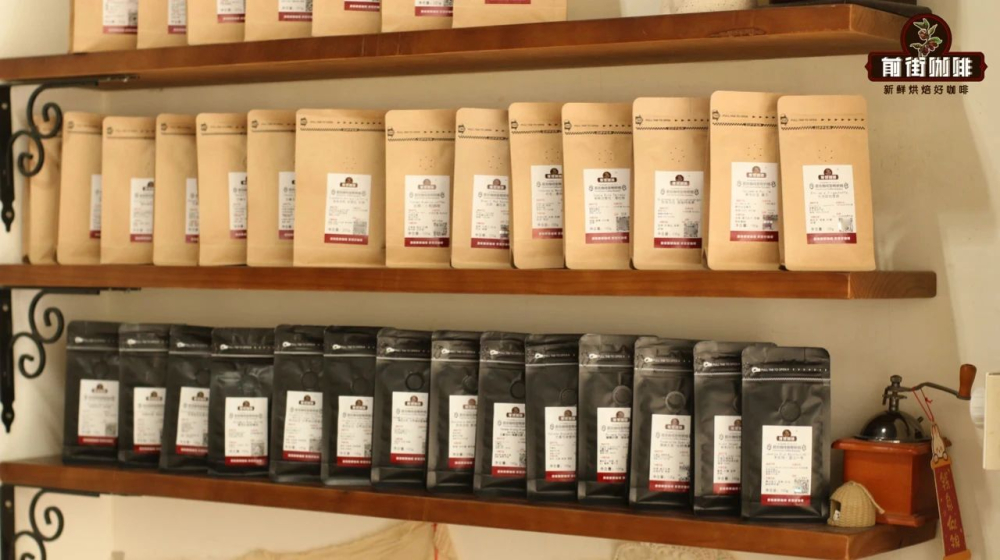 These beans are usually suitable for gentle extraction methods such as pour-over and siphon, which can clearly reveal the bean's own flavor spectrum.
Beginners often ask: which is more suitable for Americano, blended beans or single-origin beans? The answer depends on preference.Because blended beans are roasted darker and have a balanced flavor, the Americano made from them has lower bitterness and prominent sweetness, making it suitable for daily drinking; while medium-dark roasted single-origin beans (such as Brazil or Guatemala) retain a clean finish, and when paired with pour-over-level freshness, the layers are richer.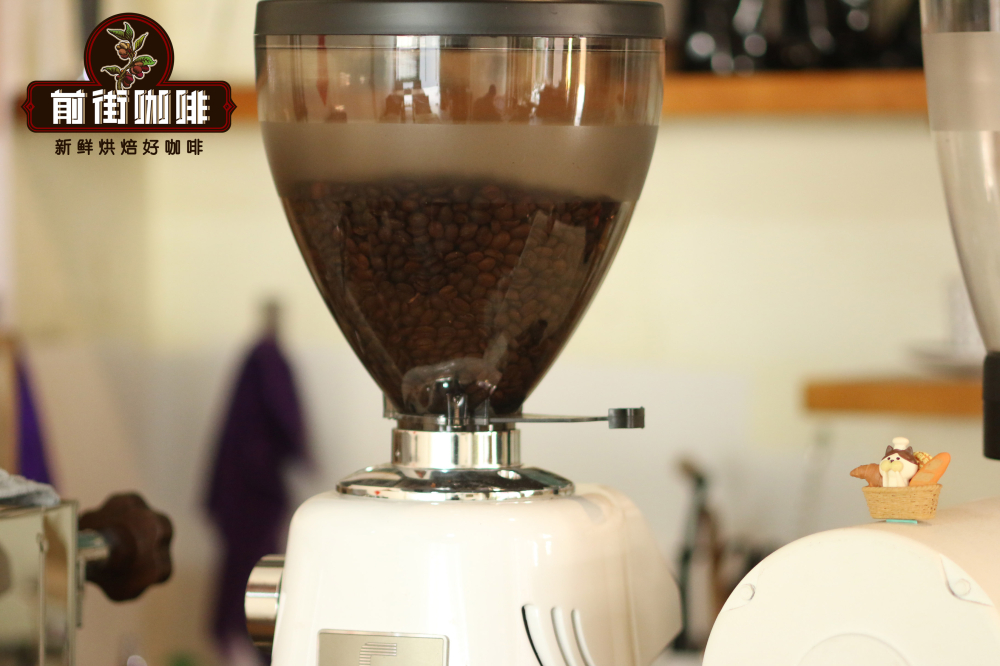
If you want to try blended beans, you can observe the logic of their formula design. Classic combinations such as "Brazil + Sumatra" bring a solid base of nuts and herbs, while "Ethiopia + Colombia" blends citrus notes with a chocolate finish.A high-quality blend needs to satisfy two points: first, the characteristics of beans from each origin complement each other; second, the roasting curve is coordinated and unified. Avoid blends with unbalanced proportions—for example, too many high-acidity beans will make the overall cup sharply acidic, while overly dark roasting will mask regional characteristics.
The flavor potential of single-origin coffee needs to be released through correct extraction. Recommended pour-over parameters: water temperature 90-94°C, coffee-to-water ratio 1:15-1:17, medium-fine grind (similar to fine granulated sugar).Light-roasted single-origin beans (such as Ethiopian natural) are suitable for high-temperature, fast brewing to highlight floral and fruity acidity; for medium-dark roasts (such as Brazil Yellow Bourbon), lower the water temperature to 88-90°C and extend the extraction time to bring out caramel sweetness.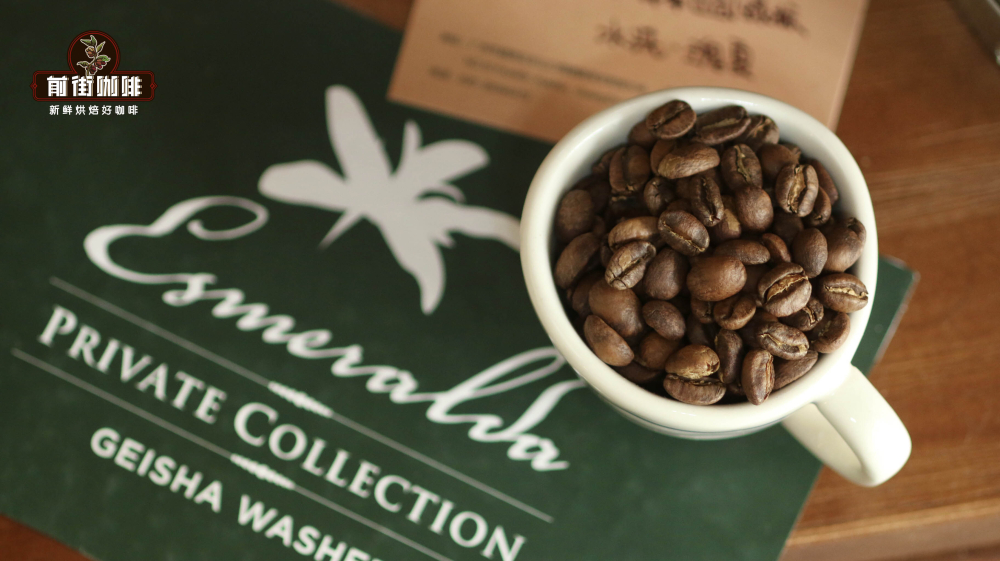
It is worth noting that single-origin beans have extremely high freshness requirements. It is recommended to buy beans within 15 days of the roast date and store them sealed and away from light. If used to make SOE (single-origin espresso), give priority to beans with a light-to-medium to medium roast—light roasting may lead to underextraction and sharp acidity, while overly dark roasting loses delicate flavors.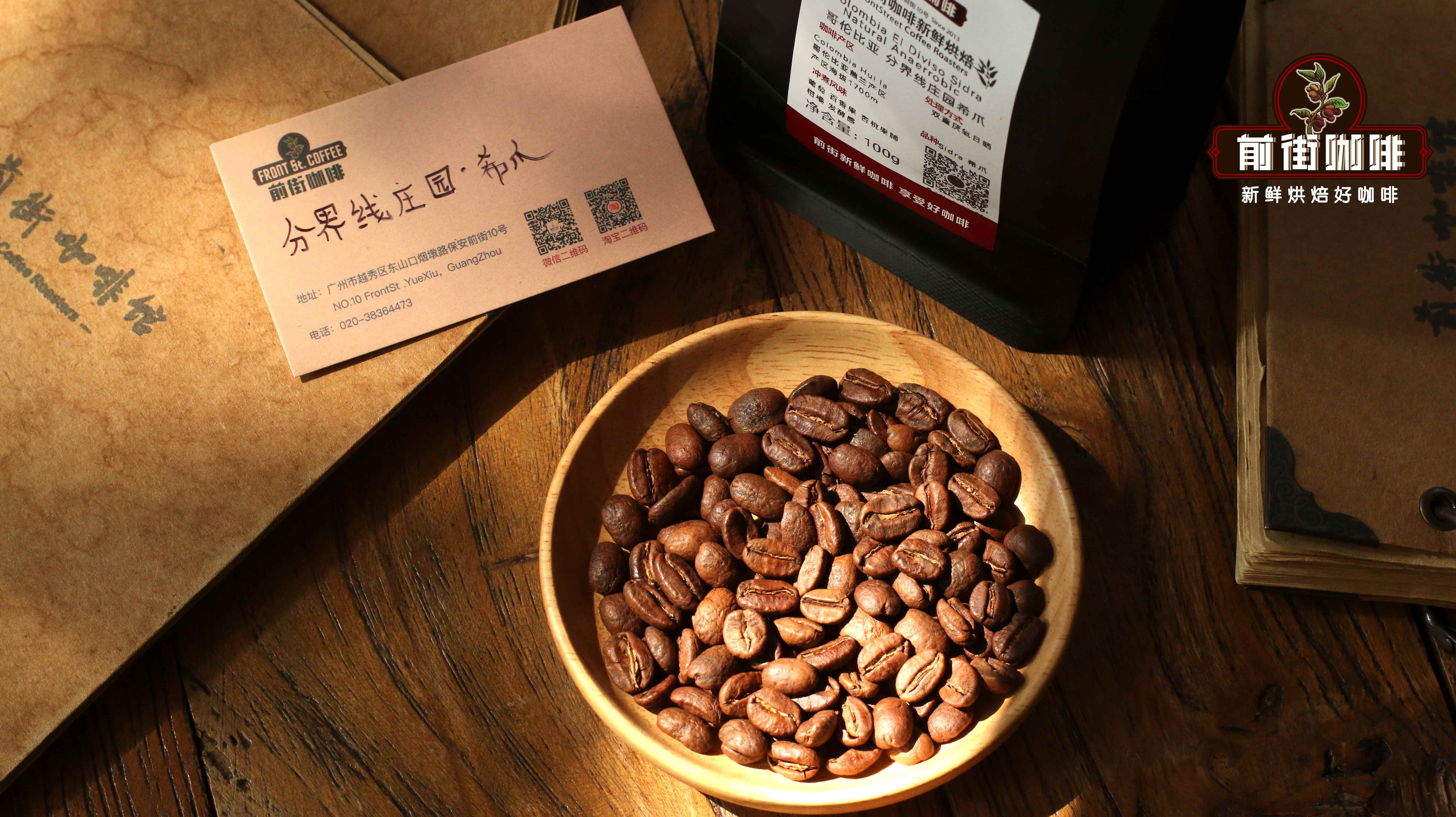
Back to the original question: which tastes better, blended beans or single-origin beans? This depends on the drinking scenario.For a convenient and stable Americano, choose a medium-dark roasted blend; for pour-over enthusiasts who focus on flavor exploration, single-origin beans from different regions are more suitable. Remember, there is no absolute good or bad, only choices that suit your personal taste.