How to Choose Espresso Beans: A Full Guide to Grind Size and Extraction
Introduction: To make a rich, balanced espresso at home, choosing the right coffee beans and mastering grind size are key. This article explains what to look for when buying quality espresso beans, details the grind setting ranges for different roast levels, and shares practical details that affect extraction, helping you improve your espresso quality from the basics.
The flavor of espresso is 70% determined by bean quality and freshness. It is recommended to choose beans with a clearly marked roast date; the optimal flavor period is usually 7-21 days after roasting. Dark roast beans (nearly black in color) suit traditional milk coffee and can highlight caramelized sweetness; medium-dark roast (brown-red) balances acidity and bitterness for greater versatility; light-medium roast (red-brown) retains more floral and fruity notes but requires more precise extraction control.
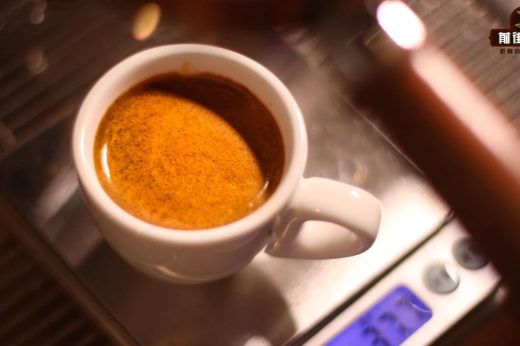
The choice of grinder is often overlooked, but it is no less important than the coffee machine. Espresso requires a very fine grind (similar in texture to fine sugar or table salt), but the specific setting needs adjustment based on dose, tamping pressure, and water quality. Typical parameter reference: for a double espresso (18-20g dose) using a medium-fine grind, extraction time should be controlled at 25-30 seconds, with an even flow resembling tiger stripes. If channeling occurs (water flow short-circuits), try adjusting to a finer grind or redistributing the grounds.
The impact of water quality on extraction is often underestimated. Hard water (mineral content >150mg/L) can cause scale buildup in the coffee machine and inhibit flavor release; filtered water (TDS 50-150ppm) is recommended. A simple solution is pretreatment with a water filter pitcher; for an advanced option, choose bottled mineral water (such as low-sodium, relatively soft water). Avoid using distilled water directly, as its lack of minerals affects the dissolution of coffee compounds.
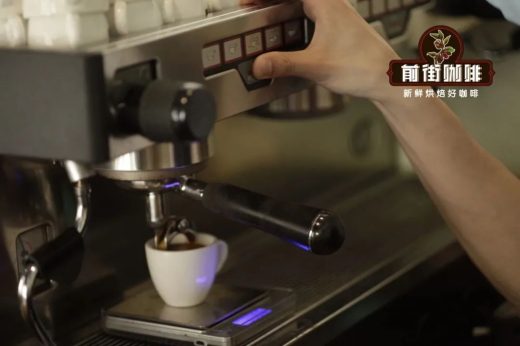
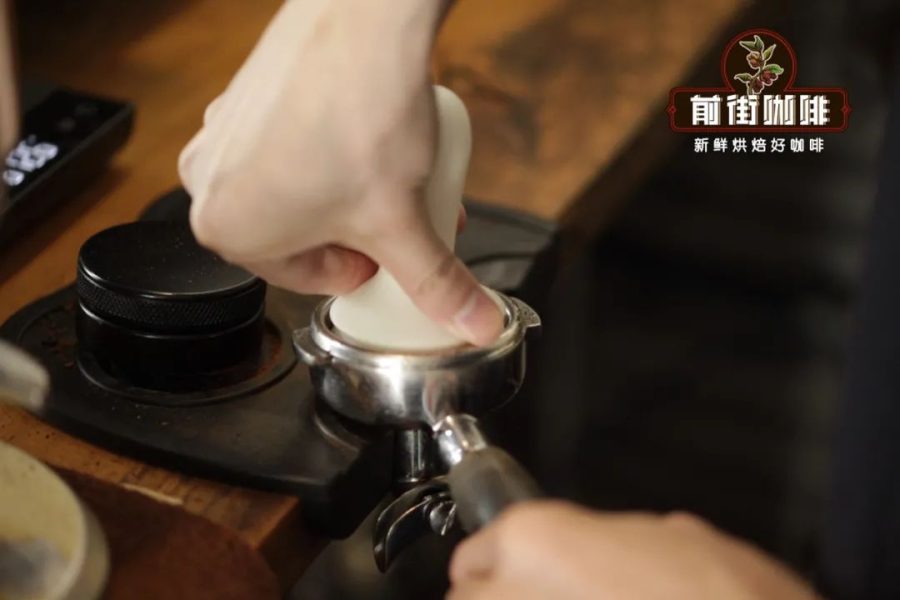
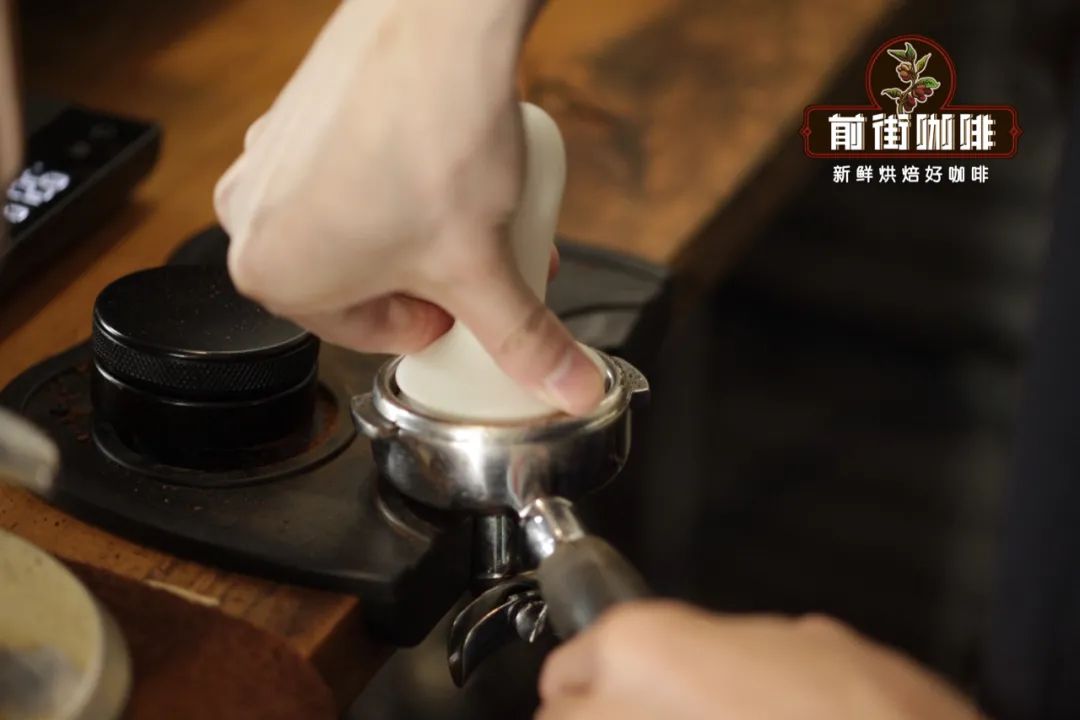
The core of extraction technique lies in balancing resistance and flow. When tamping the puck, maintain 30-40 pounds (about 13-18kg) of pressure, ensuring a level surface with no depressions. After starting extraction, observe the initial flow rate: in the first 5 seconds only a small amount of dark crema should seep out, then gradually form a steady golden-brown fine stream. If no liquid flows within 10 seconds, the grind may be too fine or the tamp too heavy; if a pale, coarse flow appears from the start, adjust to a coarser grind or increase the dose.
Common mistakes include over-pursuing equipment parameters while neglecting basic operations. For example, using a cheap grinder leads to uneven particles (overly large or overly fine grounds), which affects quality more than simply an incorrect grind setting. It is recommended to clean the burrs regularly (at least once a week) to prevent rancid oil residue. In addition, after opening, coffee beans should be stored sealed and away from light, avoiding prolonged contact with air that causes aroma loss.