Using Light Roast Espresso Beans: Home Machine Parameters and Flavor Guide
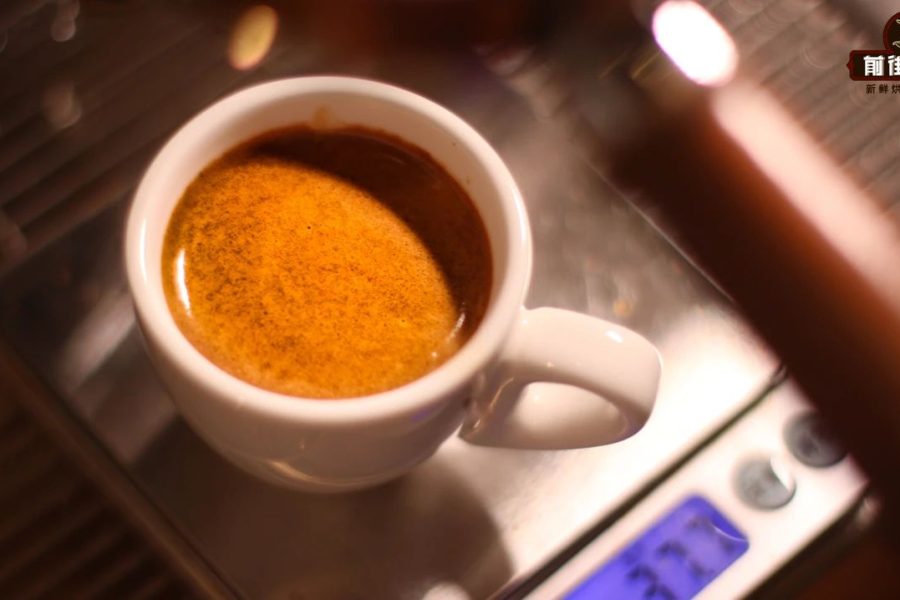
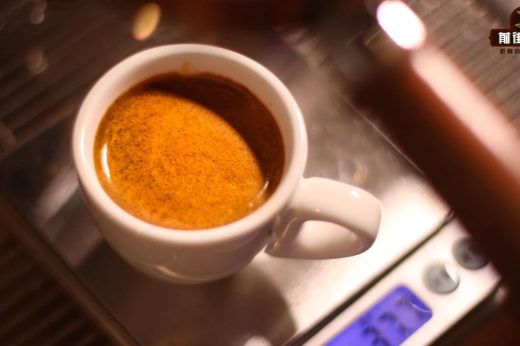
Introduction: Can light roast coffee beans be used to make espresso? The answer is yes, but the parameters need adjusting. This article explains the core challenges of extracting espresso from light roast beans, including pronounced acidity and insufficient crema, provides precise adjustment plans for grind size, dose and pressure, and compares the flavor performance of beans at different roast levels to help you find the best match for your home espresso machine.
In coffee enthusiasts' experiments, making espresso with light roast beans is often regarded as a high-difficulty challenge. Many people find on their first attempt that espresso extracted from these beans is sharply acidic, even carrying herbal bitterness. In fact, by optimizing the three key parameters—grind size, dose and extraction pressure—it is entirely possible to present a balanced layering of flavors.
Traditional wisdom holds that espresso requires medium-dark roast beans, because their high-temperature, long roasting softens the acidity and creates a mellow mouthfeel and rich crema. Under 9 bar of high pressure, these beans can steadily extract caramelized compounds, with a full and lasting crema layer. But light roast beans, due to their short development time, retain more fruity acidity and the green bean's original flavors; if dark roast parameters are applied directly, the sourness and astringency are magnified several times over.
 The physical characteristics of light roast beans determine their extraction difficulties: at the same weight, light roast beans are about 15%-20% larger in volume than dark roast, and their lower water absorption and expansion rate causes water to penetrate the puck too quickly. The typical symptom is reaching the target yield in under 20 seconds of extraction time, with a thin flavor carrying a sharp, prickly sensation.

The first step to solving this problem is adjusting the grind size. It is recommended to move the grinder setting 0.2-0.4 steps finer (using the usual medium-dark roast baseline as reference), making the particles smaller and extending the water-coffee contact time. For example, if you originally used a medium-coarse grind for dark roast beans (similar to granulated sugar), after switching to light roast you need something close to the fineness of fine sugar to coarse flour.
Dose control is equally key. The ideal puck height for light roast should match that of dark roast, usually requiring 1-2 grams more coffee to compensate for the volume difference. For example, a standard double espresso (20 g dose) may need to be adjusted to 21-22 g with light roast, ensuring the tamped puck fits tightly against the edge of the basket. Watch the puck thickness after tamping—if it is noticeably thinner than your usual extraction bed, increase the dose further.
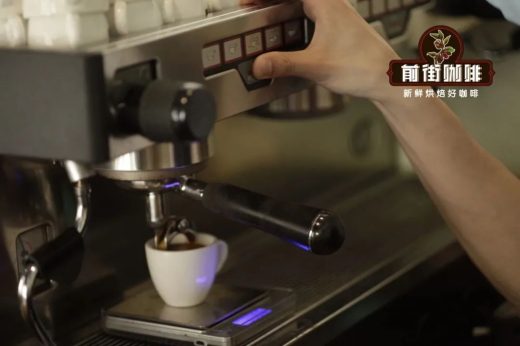
 Extraction pressure is best reduced from the standard 9 bar to 6-7 bar. Lower pressure slows the water flow, preventing the fragile flavor compounds in light roast beans from being over-extracted. In practice, monitor this with the machine's pressure gauge; if the reading stays above 8 bar, check whether the grind is too coarse or the dose too low.
Typical flavor profile of light roast espresso: the first impression on the palate is bright citrus acidity, with a slight saline finish; the mid-palate develops honey-like sweetness and a black tea texture, but lacks the chocolate and nutty finish of traditional dark roast beans. When making milk coffee, the citrus notes are easily masked by the milk, so drinking it as black coffee is recommended for evaluation.
For common extraction problems, if the flow is jetting (extraction time <15 seconds), check both grind size and dose; if the cup tastes dull with a cardboard flavor, under-extraction from too-low pressure may be the cause. When converted to an americano, light roast espresso reveals clearer sweet-sour layers after adding water, suiting drinkers who prefer a refreshing profile.
Once you master the logic of these parameter adjustments, light roast beans can show their unique charm too—their distinct regional flavor characteristics (such as the berry notes of African beans or the nutty aroma of American beans) are more concentrated in espresso form. Remember the core formula: finer grind + a moderate increase in dose + medium-low pressure, paired with a 25-30 second extraction window, and you can unlock another side of light roast espresso.