Typica Coffee Variety Guide: Blue Mountain vs Yunnan Flavor and Growing Traits
Introduction: Typica, one of the oldest Arabica coffee varieties, has genetics that have influenced many well-known origins, including Blue Mountain and Yunnan. This article takes a deep look at the characteristics of Typica and its derived varieties, compares the core differences between Jamaican Blue Mountain and Yunnan Typica in altitude, processing method and flavor expression, and provides practical information such as variety identification and growing points, to help coffee lovers build a systematic understanding of varieties.
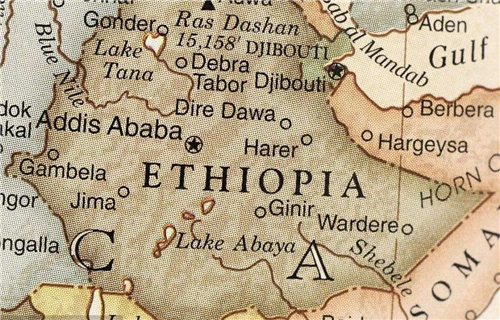
Ethiopia, as the birthplace of coffee, nurtures a rich native coffee gene pool; the coffee offered to honored guests in local traditional festivals is a microcosm of this culture. Global commercial coffee mainly relies on the three major varieties Arabica, Robusta and Liberica. Among them, Arabica dominates specialty coffee for its delicate flavor, and Typica is one of the oldest varieties with the most historical value in this category.
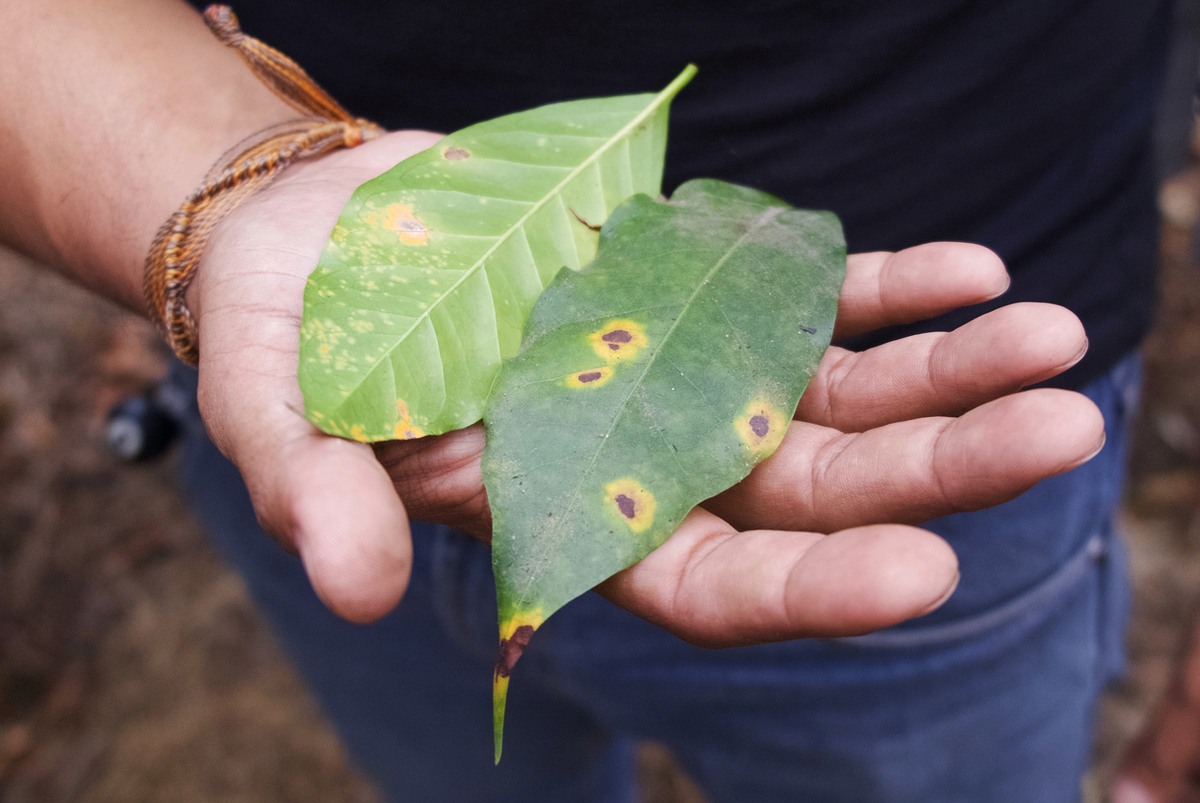
The spread of the Typica variety is quite historically significant: in the 18th century it was introduced to Java, Indonesia by the Dutch, later brought to the Caribbean by the French, and finally spread to Central and South America. Its low yield (average annual output of about 300-400 grams per plant) and susceptibility to leaf rust have led modern cultivation to mostly mix it with other disease-resistant varieties. But as the father of many classic varieties, Typica's genes still deeply influence the contemporary coffee industry.
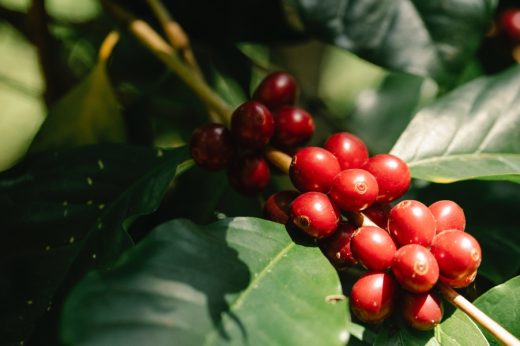
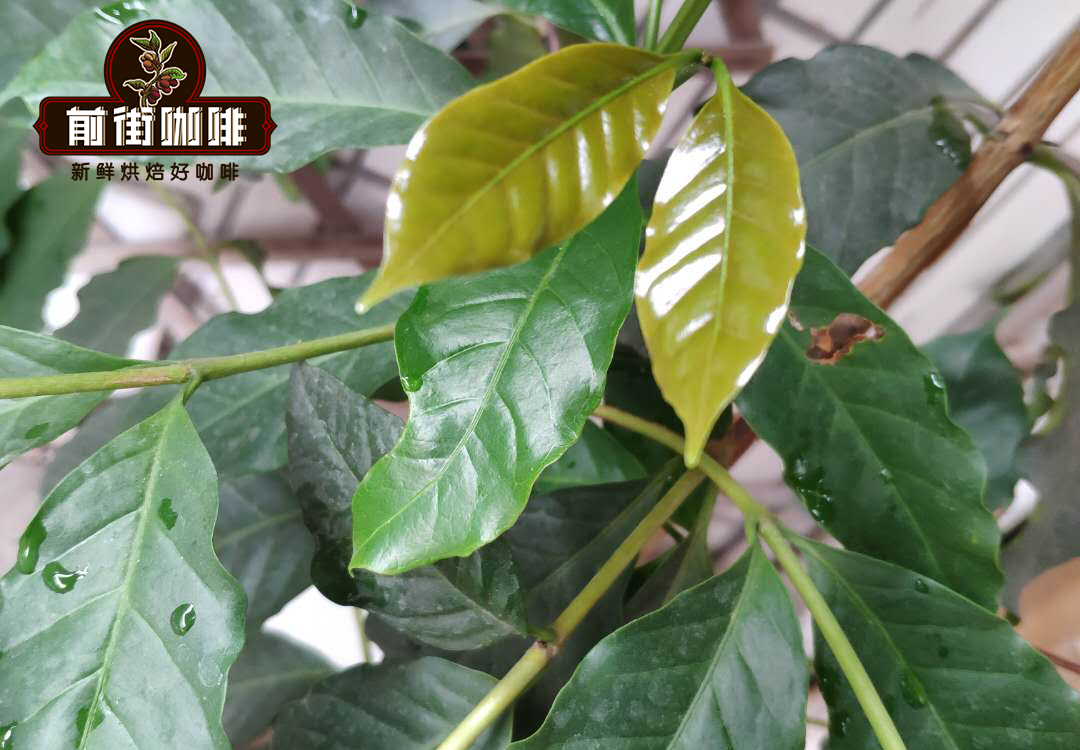
From botanical characteristics, Typica plants have the typical form of a tall tree shape (up to 5 meters), bronze-colored terminal buds and long oval smooth leaves. Its fruit is a bright red oval, with moderate pulp density when ripe; after roasting, the bean body presents a slender wedge or pointed oval shape. It is worth noting that Typica is often called "red-top coffee" in the industry because its terminal leaves show a unique red-copper color, a feature that can directly distinguish it from the green-top Bourbon variety.
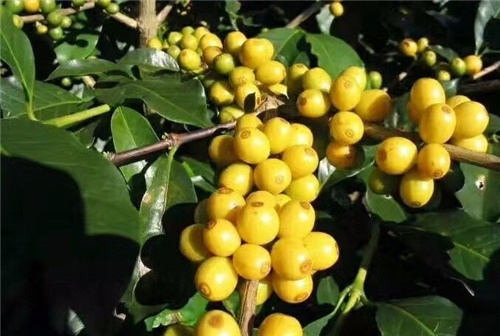
The Bourbon variety, which is related to Typica, is also worth discussing in depth. Originating from Réunion Island (formerly Bourbon Island), this variety became an important variant through its approximately 20-30% higher yield and higher sweetness. Red Bourbon (the mainstream type) usually shows mellow flavors of nuts and chocolate; for example, sun-dried Red Bourbon from high-altitude Brazilian regions often has creamy aroma and a caramel finish; while Yellow Bourbon, because of its thicker mucilage layer, can develop bright acidity and a balanced mouthfeel structure in high-altitude environments.
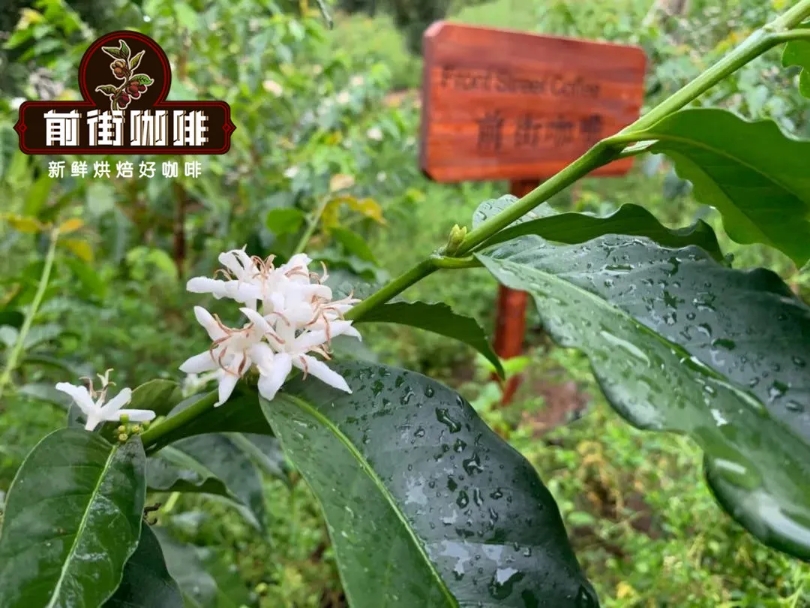
Variety hybridization has produced more distinctive derivatives: when the genes of Red Bourbon and Yellow Bourbon combine, the rare Pink Bourbon is produced. This variety, with romantic pink fruit, is currently planted in small amounts in origins such as Huila, Colombia. Its flavor profile is dominated by berry notes, with honey sweetness emerging as it cools, reflecting the unique flavor combination potential of hybrid varieties. Other well-known derivatives such as Caturra (a dwarf, wind-resistant variety) and Catuai (a cross between Caturra and Maragogype) have optimized Typica's original characteristics in different dimensions.
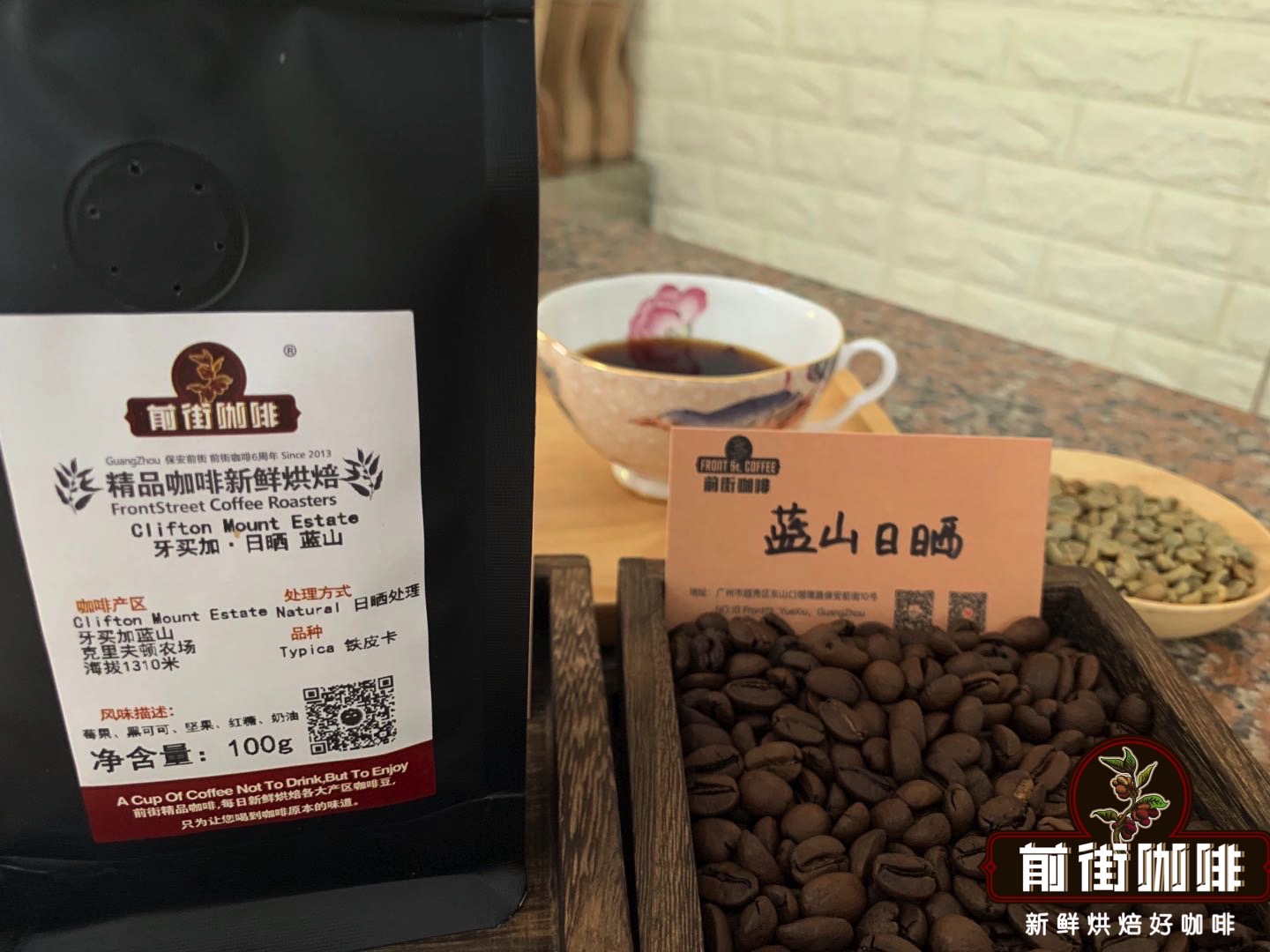
Focusing on the flavor differences of specific origins, Jamaican Blue Mountain coffee is a benchmark work of the Typica variety. Blue Mountain Typica, grown on 1000-1700 meter volcanic soil, benefits from a microclimate with large day-night temperature differences and evenly distributed rainfall, developing the trait of extremely well-balanced acidity, sweetness and bitterness. This origin strictly implements CIB certification standards, including hand-picking fruit of consistent ripeness, washed fermentation time not exceeding 24 hours and other norms, ultimately producing top-grade coffee with mild citrus acidity, a dark chocolate finish and a clean aftertaste.
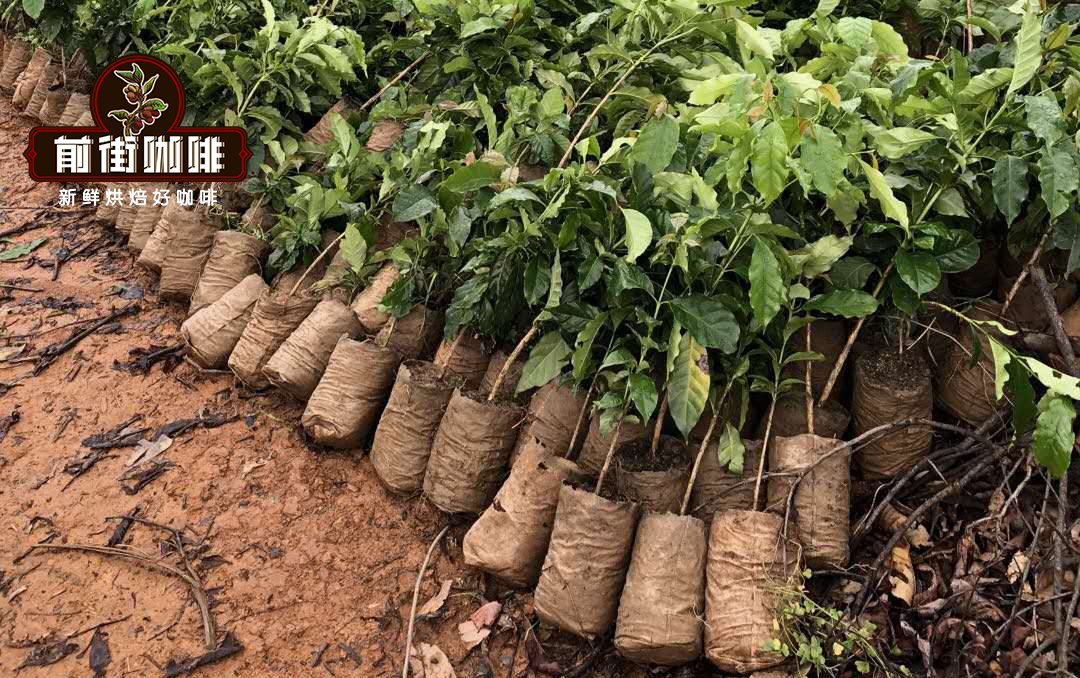
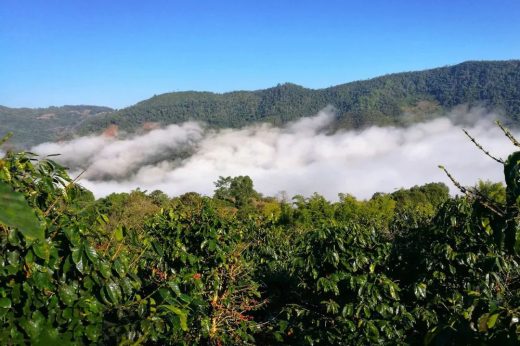
In comparison, the flavor evolution of Yunnan Typica is more regional. Early introduced Typica was gradually replaced by Catimor (a Tim × Caturra hybrid) due to yield disadvantages, but in recent years some estates have restarted planting traditional varieties. Washed Yunnan Typica usually shows clear citrus acidity, sugarcane sweetness and moderate body; compared with high-altitude Typica from Central and South America, its herbal plant aroma is more obvious. It is worth noting that the Yunnan origin, through shade growing and precise control of washed fermentation, is gradually restoring the original flavor potential of the Typica variety.
For coffee lovers, Typica can be identified by the following features: plant height (usually taller than ordinary commercial varieties), red-copper terminal buds, slender bean shape and flavor purity (low defective off-flavors). For brewing, it is recommended to use 90-93°C water temperature and a 1:15-1:16 coffee-to-water ratio, with medium-fine grinding to highlight its bright acidity and layers. Whether tasting the balanced beauty of Jamaican Blue Mountain or experiencing the regional character of Yunnan Typica, understanding the interaction between variety genetics and terroir is an important foundation for elevating the dimension of coffee appreciation.