Typica vs. Bourbon Coffee Beans: Yunnan Typica Flavor and Processing Guide

Introduction: Typica and Bourbon are the two classic varieties of Arabica coffee worldwide. They have not only shaped the flavor profiles of many renowned coffee regions but also play an important role in Yunnan's coffee cultivation. This article analyzes the differences between Typica and Bourbon in origin, plant characteristics, yield and disease resistance, with a focus on the flavor performance and processing characteristics of Typica grown in Yunnan, helping coffee enthusiasts better understand and choose their preferred coffee beans.
Typica is one of the oldest and most representative native Arabica coffee varieties from Ethiopia and is considered the "ancestor" of many of today's Arabica coffee varieties. It first grew in Ethiopia and southeastern Sudan and later spread gradually around the world, becoming the foundation variety of many classic coffee regions. For example, Jamaica Blue Mountain, Sumatra Mandheling and Hawaii Kona all actually descend from the Typica lineage.
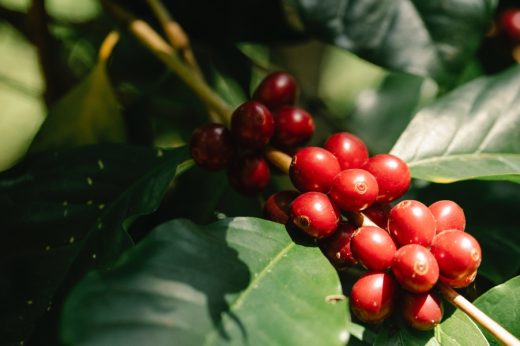
The most distinctive visual feature of Typica is its bronze-colored top leaves, which is why it is also called "red-top coffee." Its beans are rather slender and pointed-oval in shape, and relatively large. Although Typica is known for its elegant, clean and richly layered flavor, often with soft acidity, delicate sweetness and fine aroma, its performance in cultivation is not outstanding. The variety not only has low yield but also weak resistance to pests and diseases, making it difficult to manage. These factors have led to its gradual replacement by more "practical" varieties in modern large-scale cultivation.
By comparison, Bourbon also originated in Africa and was later introduced to the Americas and widely planted. It is an important branch of Typica. Bourbon coffee usually has higher yield than Typica, and its flavor often shows fuller sweetness and fruity notes, with brighter acidity. With the development of coffee breeding technology, Bourbon has also given rise to many improved varieties, such as Caturra and Catuai, which perform better in disease resistance, yield and adaptation to different altitudes.
From the global planting landscape, coffee-producing countries in Central and South America generally tend to grow varieties with strong disease resistance and stable yield. For example, Brazil, the world's largest coffee producer, mainly grows Bourbon and its variants, such as Caturra, Mundo Novo (a cross between Bourbon and Typica) and Catuai. Colombia mainly grows Caturra and the locally bred Colombia variety, the latter being a cross between Caturra and Timor, combining high yield with good flavor. Countries such as Guatemala and Costa Rica also favor more practical varieties such as Bourbon, Caturra and Catuai, and have even bred unique variants such as Villa Sarchi on that basis.
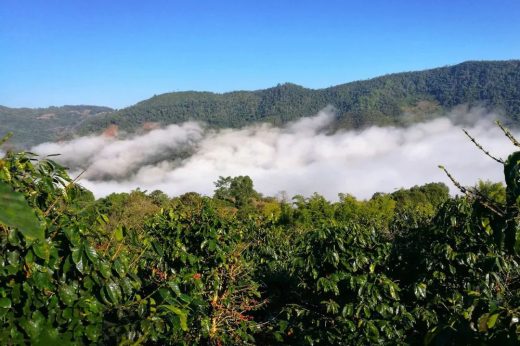
In Yunnan, however, considering the geographical environment, growing conditions and farmers' economic returns, the variety currently planted on a large scale is not traditional Typica or Bourbon but Catimor. This variety is a cross between the Bourbon-line Caturra and Robusta, inheriting Robusta's strong disease resistance and higher yield advantages while also being relatively suited to Yunnan's high-altitude growing environment. For local coffee farmers, Catimor is not only easier to manage but also brings more stable economic returns, so it has gradually become the mainstream choice for Yunnan coffee cultivation, forming the so-called "Catimor trend."
Nevertheless, Yunnan still retains a certain scale of Typica cultivation, especially on some specialty coffee estates, where Typica is still valued for its unique flavor. With careful management and suitable processing methods, Yunnan-grown Typica coffee usually shows bright citrus acidity, soft nutty and caramel sweetness, and a clean finish with certain floral notes. This type of coffee is very suitable for specialty pour-over extraction, which can fully reveal its elegant regional flavor characteristics.
In terms of processing methods, Yunnan Typica coffee is often washed or sun-dried. Washed processing better highlights its clear acidity and clean flavor layers, while sun-drying gives the coffee richer sweetness and fruity aroma. Choosing the right processing method is one of the keys to improving the overall flavor performance of Yunnan Typica coffee. For coffee enthusiasts interested in trying Yunnan Typica, it is advisable to pay attention to the altitude of the growing region, the processing station's techniques and the roast level, as these factors significantly affect the final cup performance.