Latte Milk Foam: Temperature Control and Flavor Tips

Introduction: Want to know why lattes made by professional baristas have a natural sweetness? This article takes an in-depth look at how milk heating temperature affects latte flavor, reveals the science behind milk foam formation, and provides a complete practical guide from steaming to the ideal drinking temperature. Master these techniques, and you can craft silky, sweet, professional-grade lattes at home too.
Why do some lattes carry a distinct sweetness even without added sugar? Behind this is a remarkable chemical change that occurs as milk is heated. When milk temperature rises, the lactose within breaks down under the heat, producing more sweet-tasting monosaccharides. This natural sweetness balances the acidity of the espresso, ultimately creating a pleasant, sweet, rounded mouthfeel.

Scientific research shows that lactose, the main carbohydrate in fresh milk, undergoes hydrolysis when heated, breaking down into galactose and glucose. These breakdown products are generally sweeter than the original lactose, and this conversion is most efficient when the temperature is held in the 55-65°C range. It is worth noting that excessively high heating temperatures not only cause protein denaturation but may also produce unpleasant sulfurous odors.
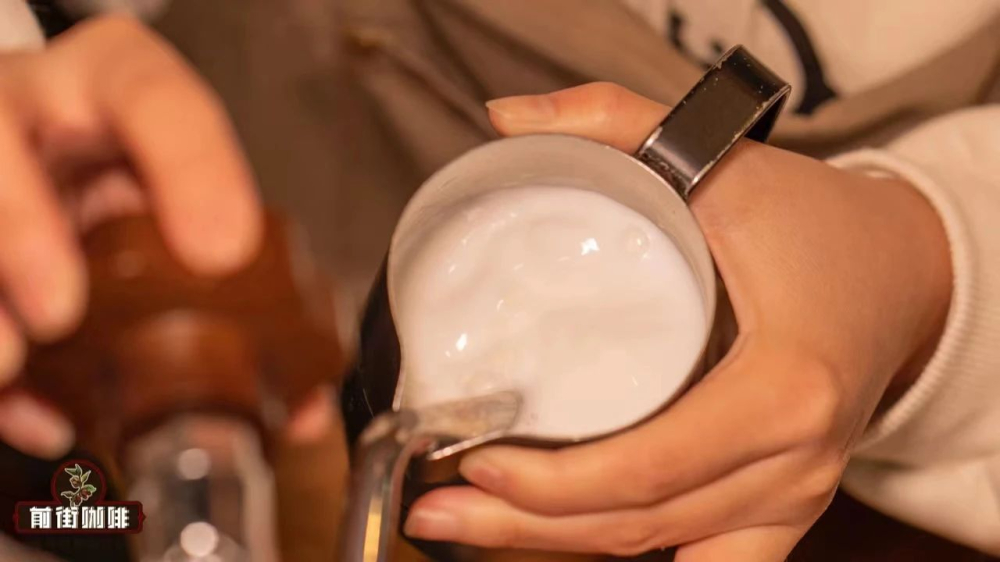
The physical process of milk foaming is actually quite exquisite. When air is injected into liquid milk through a steam wand, milk proteins form a stable thin film structure at the gas-liquid interface, and these tiny bubbles become trapped in the milk to form a dense foam. High-quality milk foam should have a fine, delicate texture, with bubble diameters typically under 0.5 mm; this structure creates an elegant bursting sensation on the palate while locking in the milk's aromatic compounds.
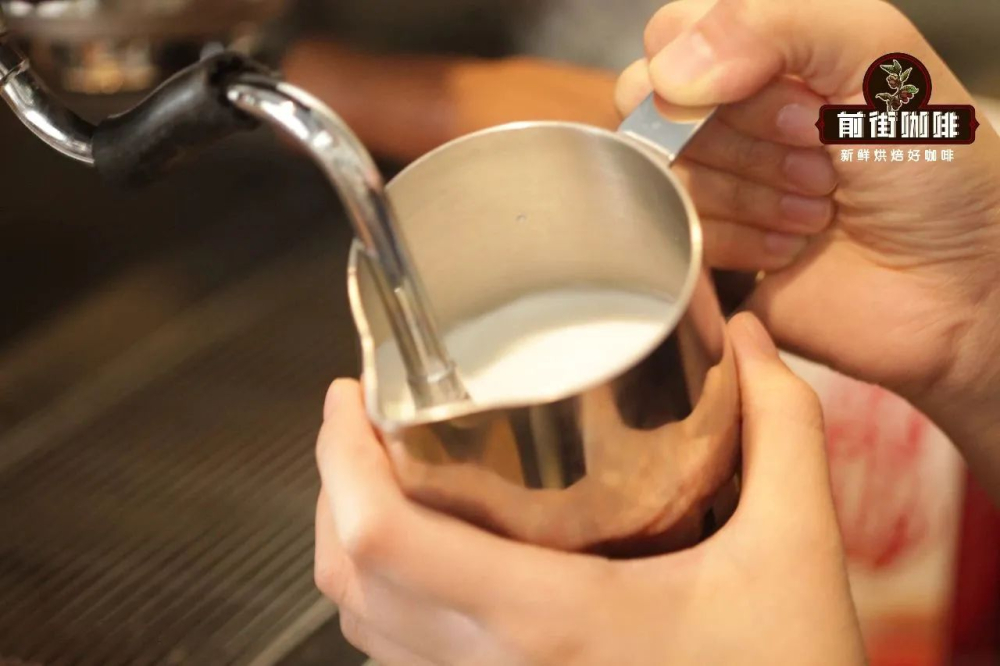
When operating the steam wand, it is recommended to insert the nozzle at a 15-20 degree angle about 1 cm below the milk surface. The correct angle lets the steam drive the milk into a stable vortex, and this rotational motion effectively breaks large bubbles into fine ones. A common beginner mistake is inserting the steam wand too shallowly, which produces too many large bubbles; inserting it too deeply, on the other hand, causes uneven heating.
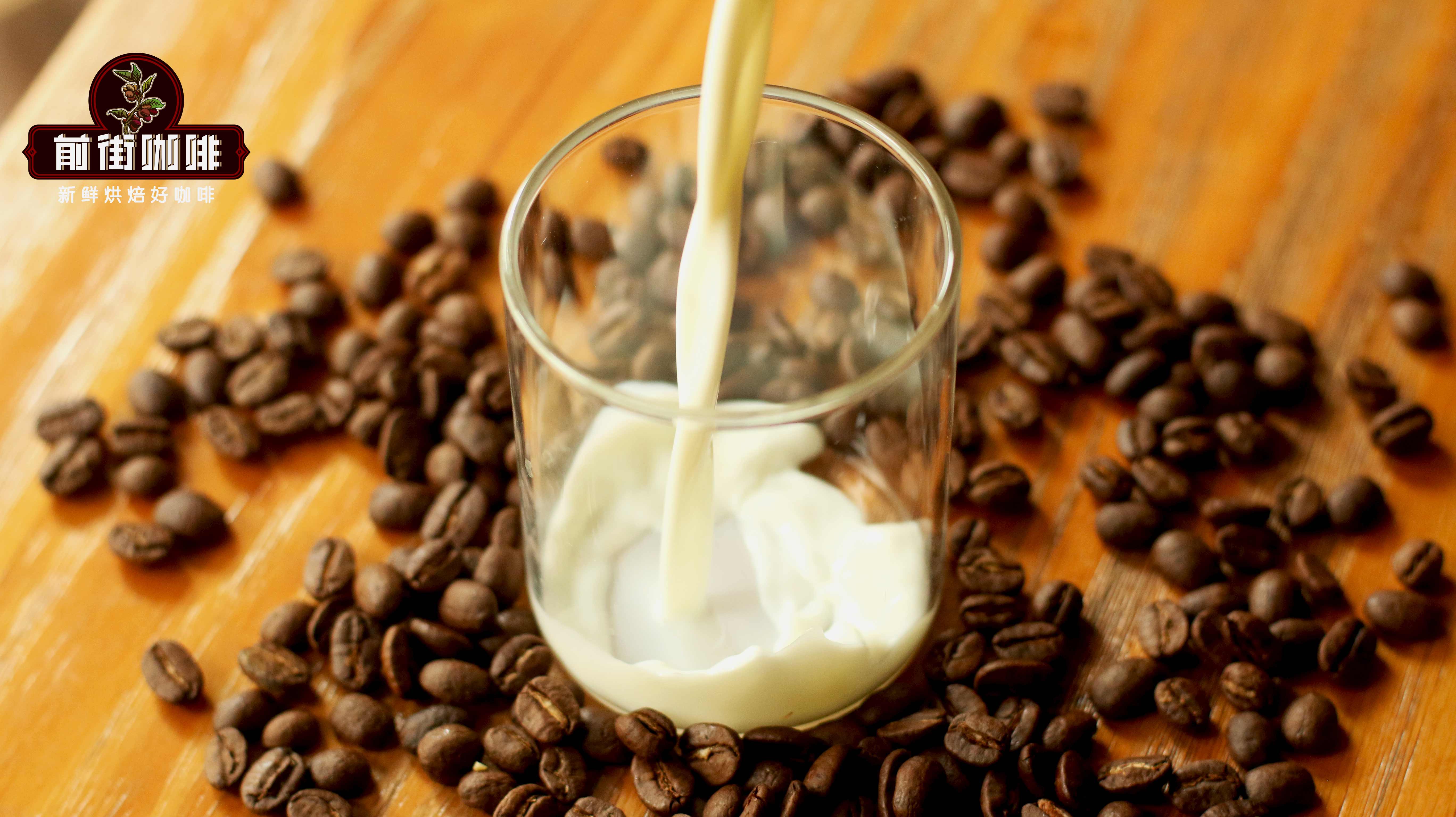
Temperature control is the key factor in milk foam quality. Ideally, the final milk temperature should stay in the 55-65°C range. Below 55°C, lactose breakdown is insufficient and the sweetness is underwhelming; above 65°C, proteins become excessively denatured, which not only affects foam stability but may also produce off-flavors. Professionals recommend monitoring with a thermometer, or sensing by touching the outside of the pitcher—when it feels distinctly hot but can still be held briefly, it is usually close to the ideal temperature.

As for the steam wand angle, imagine the spout of the milk pitcher pointing toward the 12 o'clock position. The best entry point for the steam wand at this time is at the 2-3 o'clock or 9-10 o'clock position; this angle range creates an effective rotating airflow. When observing the foam, if large bubbles keep appearing, it usually means the steam wand is positioned too high or at the wrong angle, and the depth of insertion into the milk should be adjusted accordingly.
After the latte art is complete, the ideal drinking temperature range for the latte is 50-55°C. This range neither numbs the taste buds from being too hot nor fails to fully reveal the sweetness of the lactose. The temperature band where human taste is most sensitive happens to fall in this range, allowing you to clearly discern the complex flavor layers of the coffee while experiencing the silky mouthfeel brought by the milk. It is recommended to control it with a thermometer, or to find your personal most comfortable drinking temperature by taking small sips.