Does Starbucks Matcha Latte Contain Coffee? How to Make a Classic Caffè Latte
Introduction: Does matcha latte actually contain coffee? Why do definitions of "latte" vary so widely around the world? This article clarifies the true identity of matcha latte, explains in detail the standard recipe and brewing techniques for the Italian espresso-and-milk drink—latte—and, by comparing it with cappuccino, helps you master the key points for identifying and tasting these three classic coffee drinks.
On a cold winter day, a warm drink always brings comfort. But when a consumer bought a "hot matcha latte" at a convenience store, they were surprised to find that after the staff prepared it, they were told it was not a drink containing coffee, but simply a combination of matcha and milk. This difference in understanding quickly sparked heated discussion online—it turns out that the word "latte" has very different meanings in different contexts.
To address netizens' question about whether matcha latte is coffee, the key is to understand the origin of the term. In Italian, "latte" literally means milk, while "caffè latte" (coffee latte) is the version with espresso added. With global spread, "latte" gradually became simplified into a general term for coffee drinks, leading many people to mistakenly assume that all products with the suffix "latte" contain caffeine.
To make a standard Italian espresso-and-milk drink (what most people commonly call latte), follow these core parameters: use freshly ground espresso blend coffee beans and extract about 30 ml of highly concentrated espresso (a recommended coffee-to-water ratio of 1:2, with a grind size close to fine sugar). Then combine it with about 200–250 ml of whole milk steamed to 60–65°C, using a steam wand to create dense milk foam (the texture should be smooth as velvet, about 1 cm thick). Finally, slowly pour the espresso into the milk layer to form the signature brown heart-shaped latte art.
Compared with latte, cappuccino has a more precise composition: the classic ratio of 1/3 espresso, 1/3 steamed milk, and 1/3 milk foam. Its dedicated porcelain cup usually has a capacity of 180–200 ml, smaller than a latte cup. When drinking, note that latte is suitable for sipping in small mouthfuls to savor the blended flavor of milk and coffee, while cappuccino, because it has more milk foam, is best drunk quickly to maintain the optimal layers of texture.
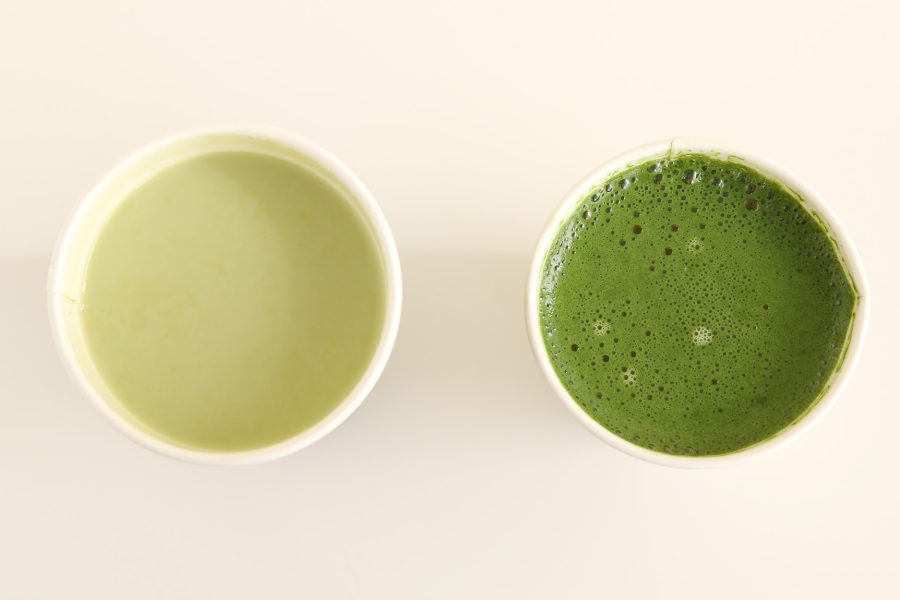
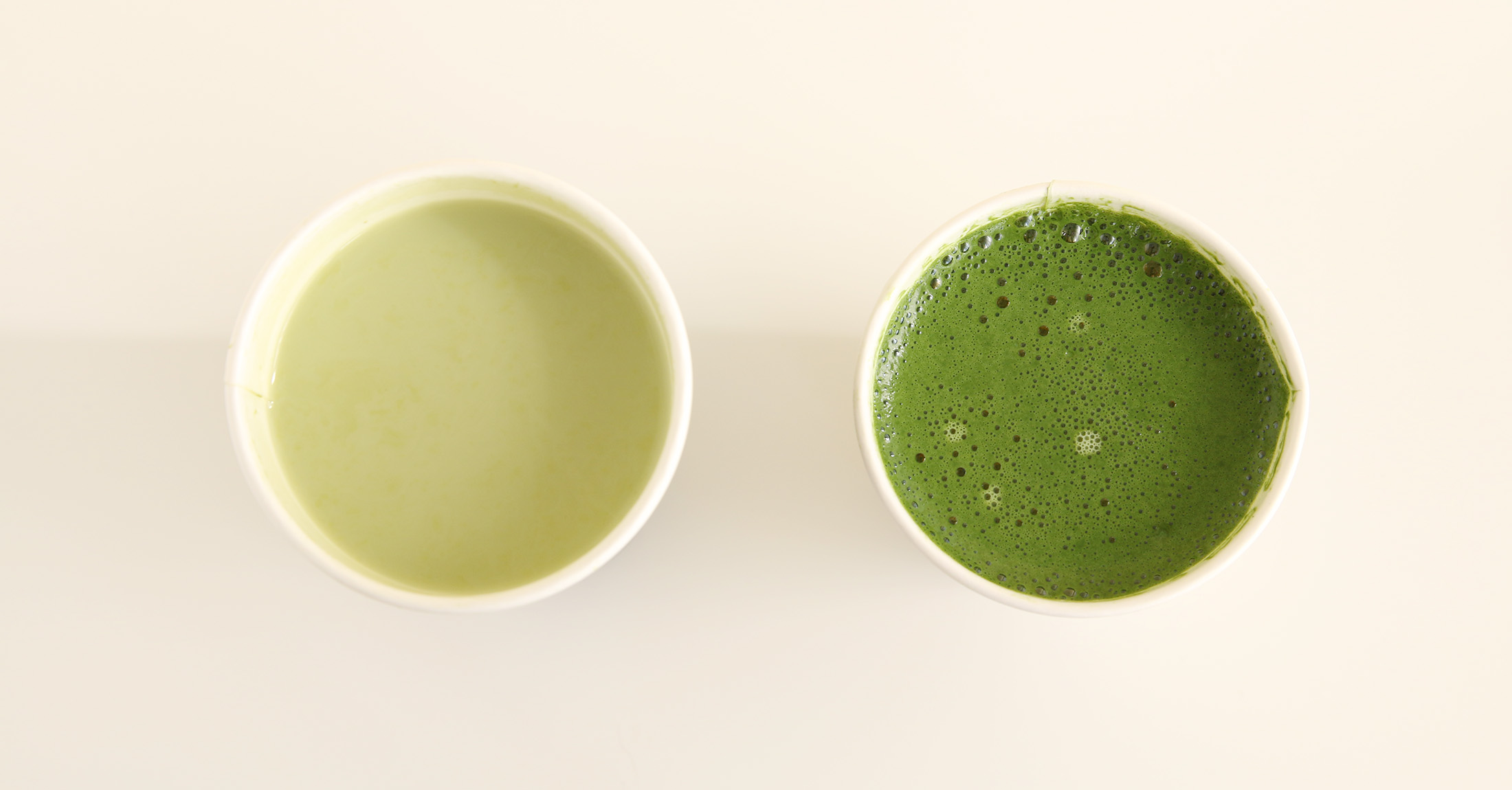
Regarding the naming logic of matcha drinks, the commercial market has formed a special convention: matcha latte specifically refers to a mixed drink of matcha powder and milk (a common ratio is 1.5 g matcha powder to 150 ml milk, with water temperature kept below 80°C to avoid bitterness), while products with a true coffee base are clearly labeled with names such as "matcha coffee latte." Similar rules also apply to distinguishing black tea latte (actually black tea plus milk) from milk tea (usually containing non-dairy creamer or light cream).
For coffee lovers, the following suggestions can improve the drinking experience: choose freshly roasted coffee beans (a medium-dark roast is recommended, used within 7–21 days after degassing), give priority to pasteurized fresh milk with a fat content of 3.2% or above, and keep the steam wand insertion depth consistent when frothing milk. If you want to recreate a professional-grade latte at home, you can invest in a home semi-automatic espresso machine along with a portable milk frother, and be sure to clean residual coffee grounds from the portafilter before each extraction.