Typica Coffee Beans: A Beginner's Guide to Regions and Flavor

Introduction: Typica, one of the oldest Arabica coffee varieties, has always drawn attention for its elegant flavor and fragile nature. This article systematically reviews the Typica variety's origins and evolution, botanical characteristics, and distribution across major global growing regions, and compares the flavors of representative producing regions to help coffee enthusiasts gain a deeper understanding of this classic variety's unique charm and cultivation challenges.
Typica is one of the oldest surviving Arabica cultivated varieties, with a genetic lineage that traces back to the early spread route from Yemen to Java. The variety began to be widely planted on the island of Java in the early 18th century and became the source variety for many modern specialty coffees.
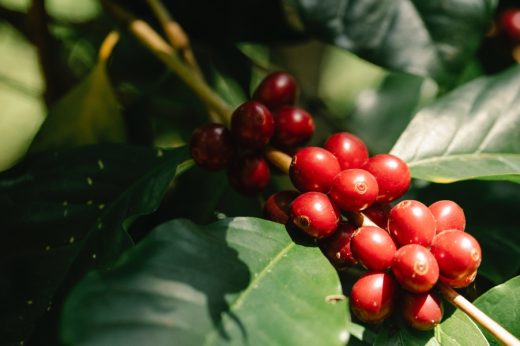
In terms of plant morphology, Typica has distinctive identifying features: the young leaves at the tips display a unique bronze hue, and the ripe coffee beans are elongated ovals. Its flavor profile is known for clean, bright acidity and delicate sweetness, but it has weak disease resistance and low yields per unit; these traits make it better suited to small-scale cultivation with meticulous management.

It is worth noting that Typica is morphologically similar to the often-mentioned Java variety—both have bronze-tipped leaves—but Typica's fruit and seeds are noticeably larger. This variety is demanding about its growing environment and is best planted in highland areas above 1,200 meters; fertile volcanic soil better brings out its flavor potential.
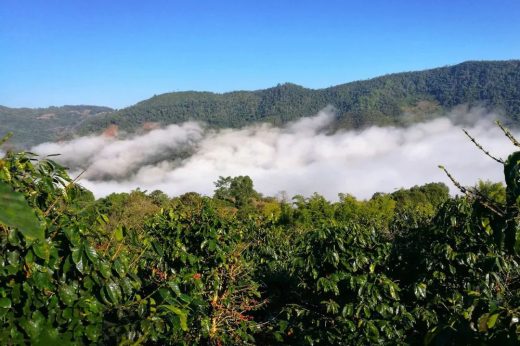
Among major global producing regions, Jamaica in Central America and the Indonesian archipelago in Asia are classic Typica growing areas. The distinctive microclimates of these regions give Typica coffee a full body and bright citrus notes. Growers need to pay special attention to cold protection, as this variety is relatively sensitive to low temperatures.
Typica has several alternative names in different regions: in Spanish-speaking areas it is often called Criolla, and in Indonesian producing regions it has genetic ties to varieties such as Mandheling. Typical representatives include:
- Jamaica Blue Mountain—known for its balanced sweet-to-acid ratio and mellow mouthfeel
- Sumatra Mandheling—showcasing a distinctive layering of herbal and earthy flavors
- El Salvador La Ilusion—highlighting bright floral notes
For coffee professionals, growing Typica requires focusing on three key management points: first, elevation should be selected above 1,400 meters to ensure flavor development; second, strengthen preventive measures against rust and leaf spot; and finally, control planting density, since the nutrient supply to each plant directly affects fruit quality. Hand-picking is recommended at harvest to ensure consistent ripeness.
From the consumer experience side, for Typica brewing it is recommended to use 90–93°C water with a medium grind; for pour-over, a three-pour method is suggested to fully reveal its layers. Whether tasted as a single-origin coffee or studied as a living specimen of coffee variety evolution, Typica is well worth coffee enthusiasts' deeper exploration.