Yunnan Small-Bean Red Honey Coffee Pour-Over Guide and Flavor Analysis: Why It's Less Popular Than Catimor
Introduction: This article provides an in-depth analysis of the flavor characteristics and brewing techniques of Yunnan small-bean coffee, compares the market advantages of the Catimor variety, and offers professional-grade pour-over parameter recommendations. From growing conditions such as altitude and soil to the distinctive flavors of the red honey process, it helps coffee enthusiasts master the brewing essentials of this domestic specialty bean while understanding the real reasons behind its market positioning.
When Yunnan coffee is mentioned, many enthusiasts first think of its exceptional growing environment.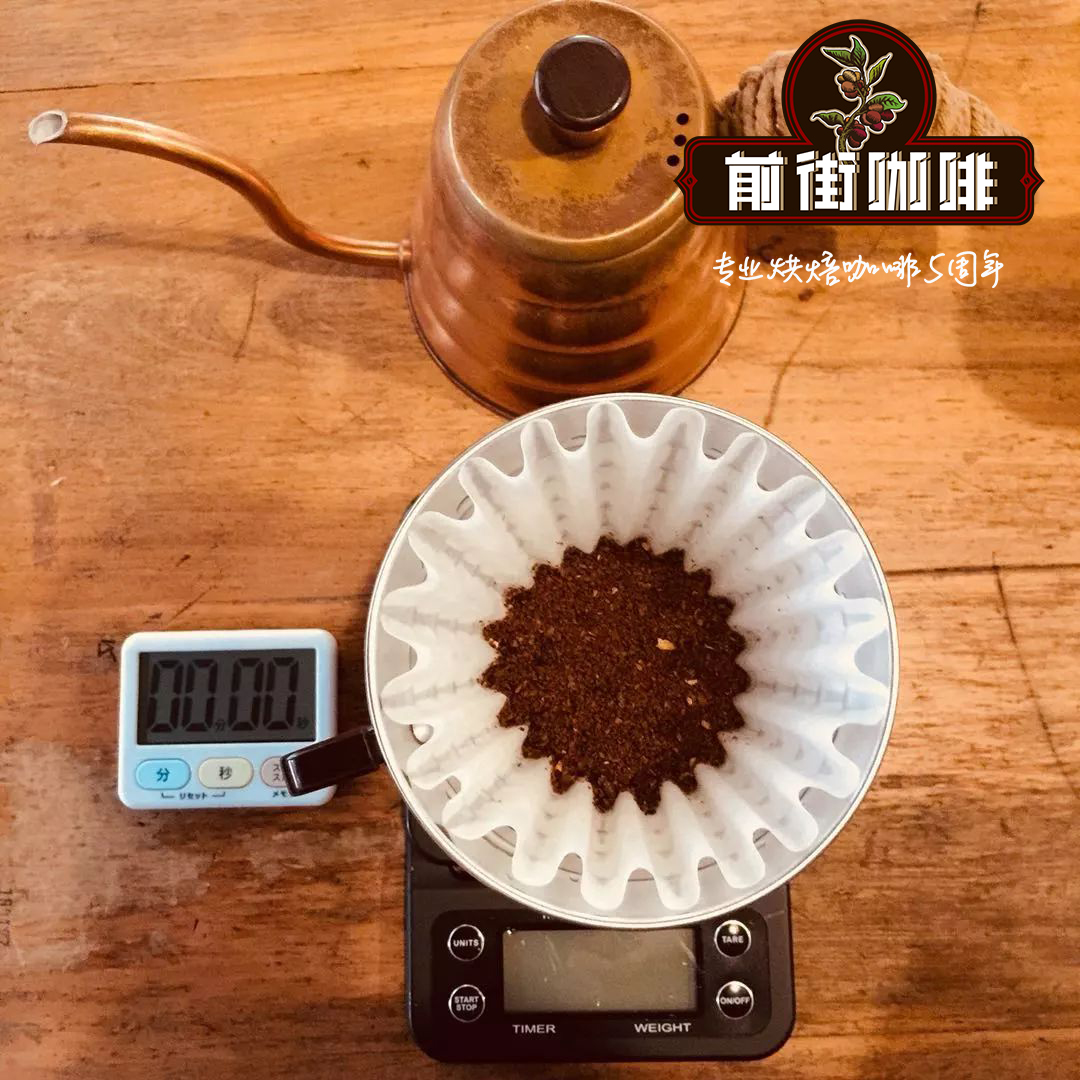 Located in southern and western Yunnan between 15°N and the Tropic of Cancer, with sloping terrain at 1,000–2,000 meters in altitude, day-night temperature swings of more than 10°C, and acidic red soil formed from weathered volcanic rock, coffee beans from this environment generally have bright fruit acidity, moderate body, and a distinctive tea-like finish.
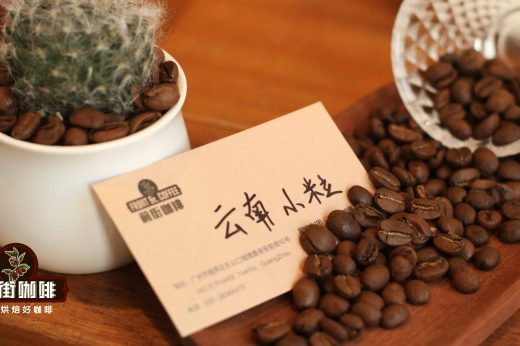
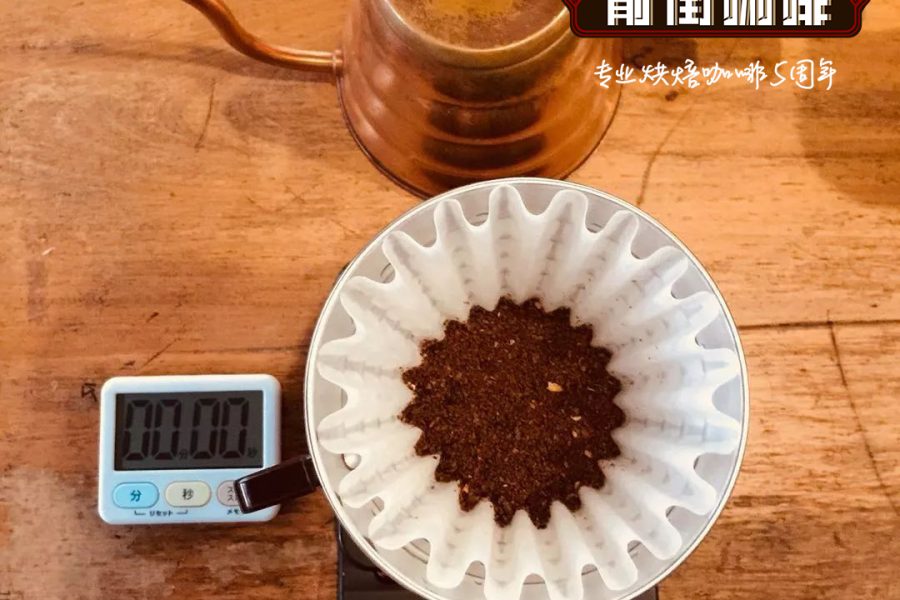
The term "small-bean coffee" is not an internationally recognized classification but a domestic colloquial name for Typica and its variants, which are the main medium-sized bean variety grown in Yunnan. These beans are indeed smaller than mainstream commercial beans, but high-quality Yunnan small-bean coffee, after red honey processing, can present a balance of citrus-toned acidity and caramel sweetness. Recommended optimal extraction parameters: 92–94°C water temperature, 1:15 coffee-to-water ratio, medium-fine grind (70–75% passing a Chinese standard No. 20 sieve), using a phased pouring method to highlight layering.
Low market recognition is the main difficulty facing Yunnan small-bean coffee. Although it has a genetic pedigree comparable to that of the noble Typica, its average price is only 60–70% that of the Catimor hybrid variety. This stems mainly from two factors: first, the cheap impression formed by early large-scale supply as raw material for instant coffee; second, the Catimor variety, with its strong disease resistance, high yield, and milder bitterness, dominates the commercial roasting sector. It is worth noting that the lingering sweetness of high-quality Yunnan small-bean coffee is actually superior to that of most Brazilian beans, and its acidity-bitterness balance reaches a range of 80 points or above under Specialty Coffee Association (SCA) standards.
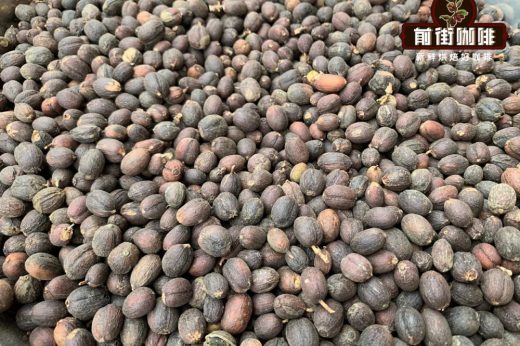
The red honey process gives this bean a special flavor dimension—retaining the berry aroma produced by fermentation of 30–50% of the mucilage layer while reducing the risk of the lack of clarity associated with traditional washed processing. During pour-over brewing, note that the first three pours should be gentle and circular, to avoid disrupting fragile top-layer flavor compounds. For a fuller body, try adjusting the grind to a No. 18 sieve (about 65% passing) and extending the bloom time to 45 seconds. Comparative tests show that this adjustment can increase sweetness by about 15% but slightly reduces acidity sharpness.
From a botanical perspective, the difference between Yunnan small-bean coffee and Catimor is essentially a contest between varietal characteristics and commercial demand. The former, as a traditional Arabica variety, requires more meticulous cultivation management and processing techniques to reach its potential; the latter, improved through hybridization of Caturra and Robusta, is inherently high-yielding and resistant to leaf rust. Although its flavor complexity is slightly inferior, it better meets the needs of large-scale commercial roasting. Understanding these underlying reasons helps consumers make choices based on their own taste preferences.