African vs. American Coffee Bean Flavor Differences: A Pour-Over Buying Guide
Introduction: African and American coffee beans have distinct flavor profiles due to differences in growing environments and processing methods. African beans are known for floral and fruity aromas and high acidity, while American beans present nutty and chocolatey tones with a full-bodied mouthfeel. By comparing the growing conditions, processing methods, and flavor performance of representative origins in these two regions, this article helps coffee enthusiasts choose pour-over coffee beans suited to their taste preferences and provides key parameter references.
In the coffee world, beans from African and American origins each have unique appeal. African coffees, nurtured by highland climates, develop pronounced floral aromas and fruity acidity, while American beans, thanks to diverse soils and processing techniques, show balanced sweetness and a full-bodied texture. Understanding the flavor differences between these two major origins is an important foundation for selecting quality coffee beans.
[African Origin Characteristics]
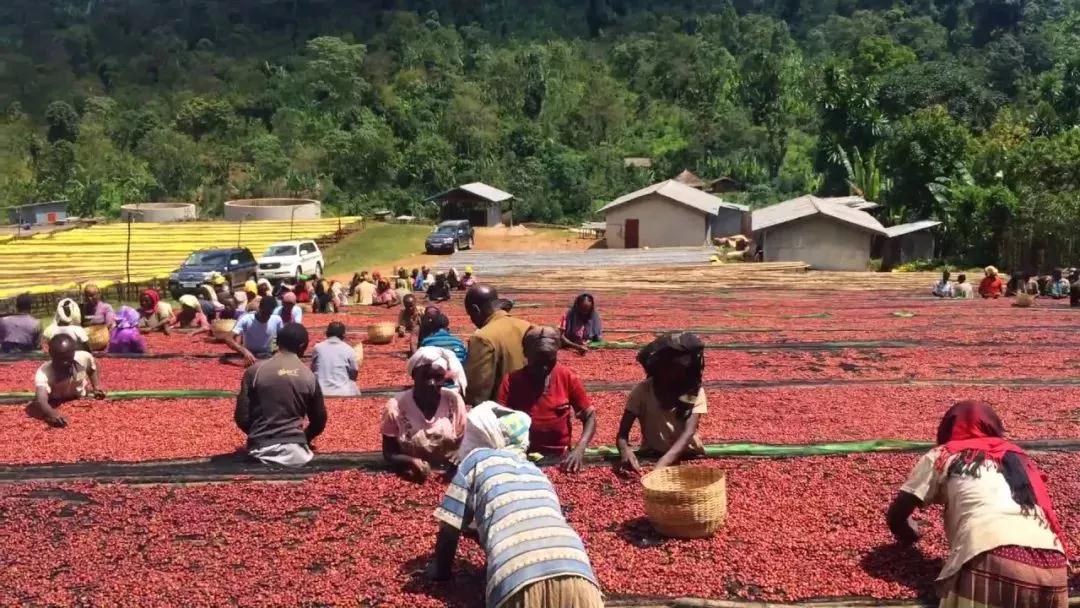
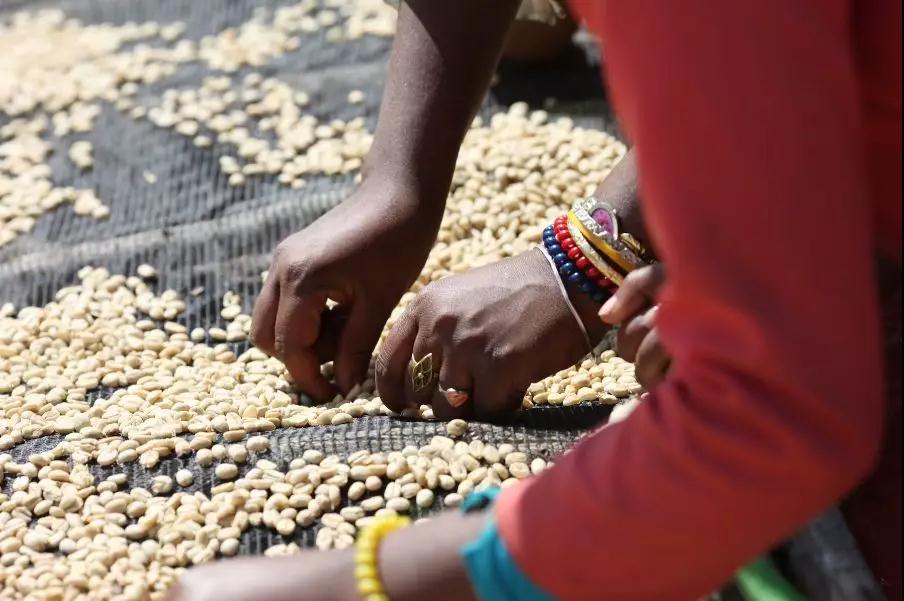
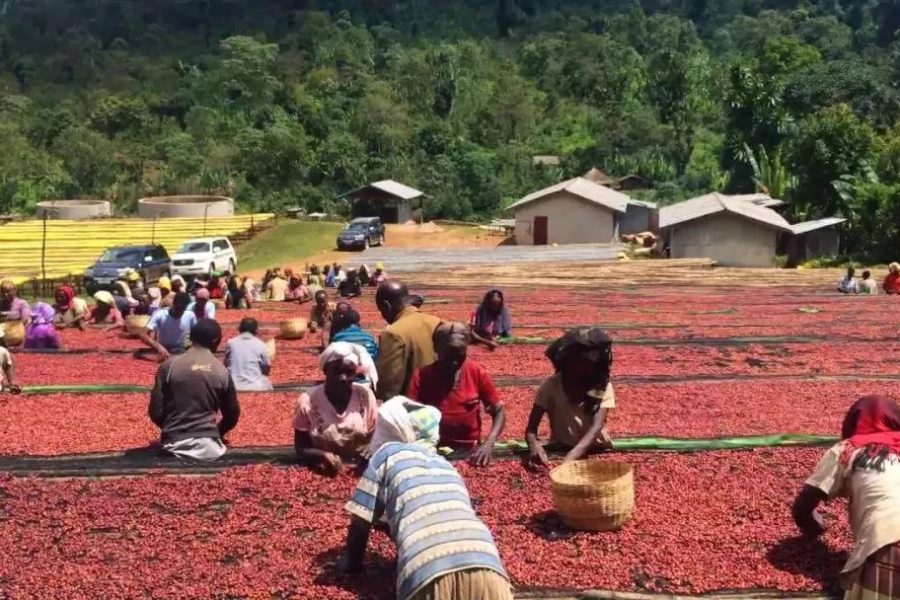
Ethiopia, the birthplace of African coffee, is home to the Yirgacheffe region (1,700–2,100 meters above sea level), known for its misty, mild climate. Local producers use the Red Cherry Program to strictly select fully ripe red cherries, combined with raised-bed sun-drying (drying period of about 14–21 days), effectively avoiding ground moisture interference and ultimately forming a richly layered fruit profile. The native small-bean coffee (screen size 14–15) takes on a yellow-green color after sun-drying, releasing berry aromas such as plum and strawberry when brewed, accompanied by honey sweetness and a dark chocolate finish; the acidity is bright but not sharp.

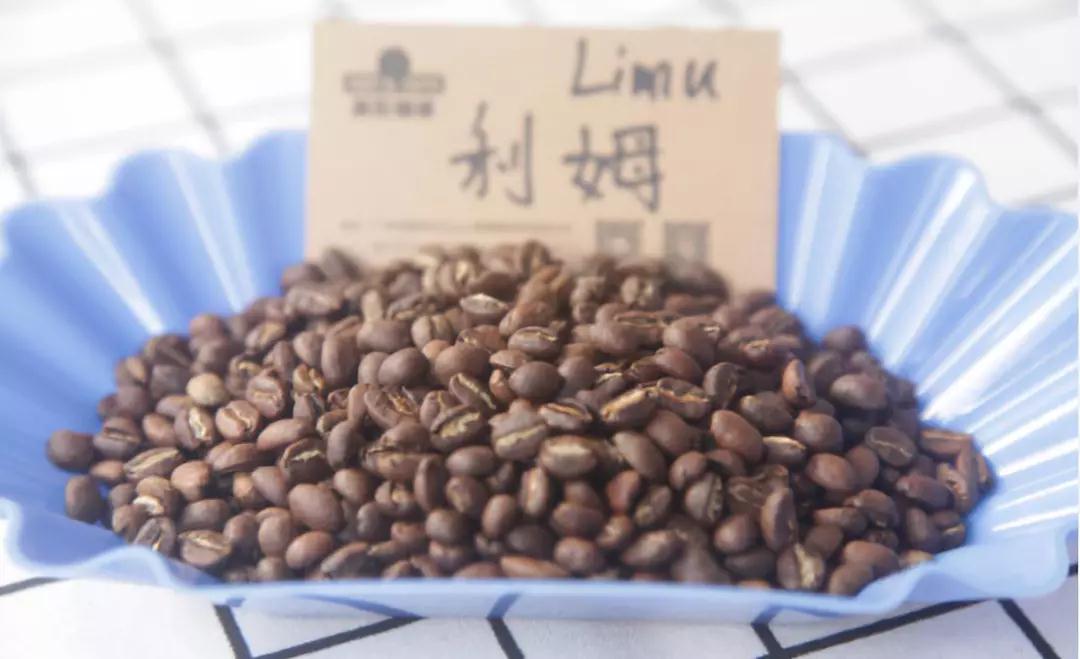
The Limu region, at 1,850–1,900 meters above sea level, is known for its washed processing. Local native varieties are organically cultivated in degraded soils; after removing mucilage through water fermentation, the parchment beans at 50% moisture content must be dried to 12%. This process gives the coffee bright citric acidity and grassy notes while retaining a cocoa finish.
Burundi's Heart of Africa series comes from the volcanic soils of the East African Rift (1,400–1,700 meters above sea level). The Bourbon variety beans mostly use a double-wash method—first soaking and scrubbing off the mucilage, then drying on raised beds to ensure no defective beans. Its flavor highlights citrus acidity and tea-like notes, paired with tropical fruit tones such as plum and kumquat, and its body is significantly higher than similar Ethiopian products.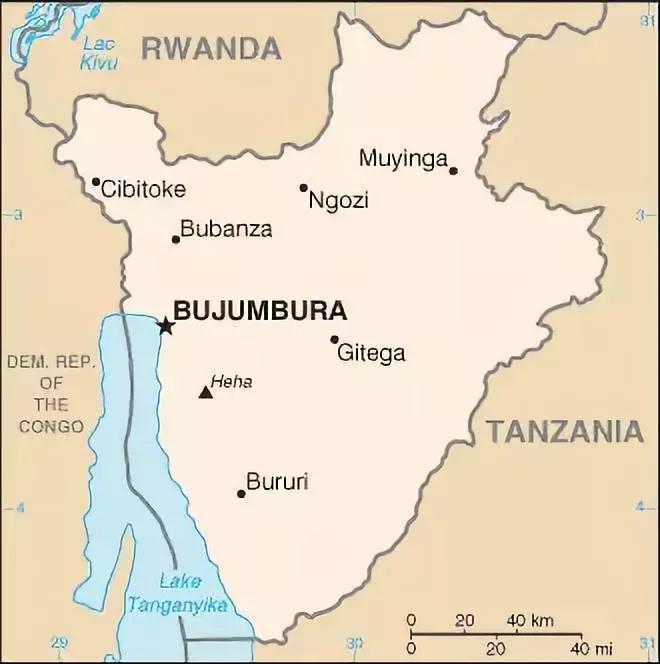
[American Origin Analysis]
Costa Rica's honey processing is its core technique: retaining 60%–100% of the mucilage for sun-drying (graded yellow honey/red honey/black honey), using the high-sugar mucilage to promote sweetness conversion. Coffee trees, mainly the Caturra variety (shorter trees, easier to manage), produce beans in volcanic soil that combine citric acidity with peach sweetness; yellow honey processing particularly stands out for its sweetness and floral aroma.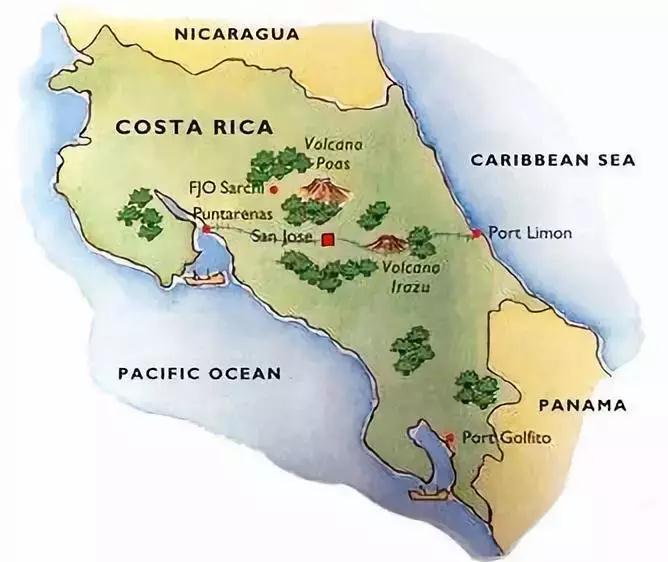
Honduras' San Juanito Estate (1,450–1,550 meters above sea level) relies on shade-grown cultivation under banana trees and a washed method with 10–12 hours of controlled-temperature fermentation, creating a balanced nutty-chocolate base. Its SHB-grade coffee beans (≥1,500 meters) are dried on African beds for 8–10 days, presenting caramel sweetness and roasted almond aroma, with a subtle spice layer in the finish.
[Buying Advice]
Consumers who prefer fresh acidity and floral-fruity aromas can prioritize Ethiopian sun-dried beans or Burundi washed beans; those seeking a full-bodied mouthfeel and balanced sweetness are better suited to Costa Rican honey-processed or Honduran SHB-grade coffee beans. Pay attention to the green bean defect rate (quality beans <3%) and roast level matching—light roasts better highlight the acidity of African beans, while medium-dark roasts suit the nutty tones of American beans.