Sumatra Coffee Beans: Wet-Hulling, Regions, and Pour-Over Guide
Introduction: Sumatra coffee is known for its low acidity and full body, and its unique wet-hulling process creates signature herbal and woody notes. This article provides an in-depth analysis of the soil and altitude differences among Sumatra's three core producing regions, the flavor tiers of the Mandheling series, and a professional pour-over recipe for wet-hulled beans, helping you precisely grasp the flavor code of this Southeast Asian classic.
 As the core of the world's fourth-largest coffee-producing region, Sumatra contributes over ninety percent of Indonesia's coffee output, with 95% coming from small family farms. This volcanic island near the equator produces coffee beans renowned for their low acidity (pH 5.0-5.5) and body >85%, especially suitable for drinkers who prefer intense flavors. Its most representative Mandheling series, with layered spicy notes and a unique processing method, has become an important category in the specialty coffee market.
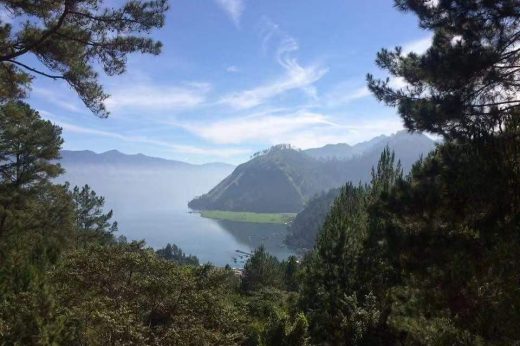
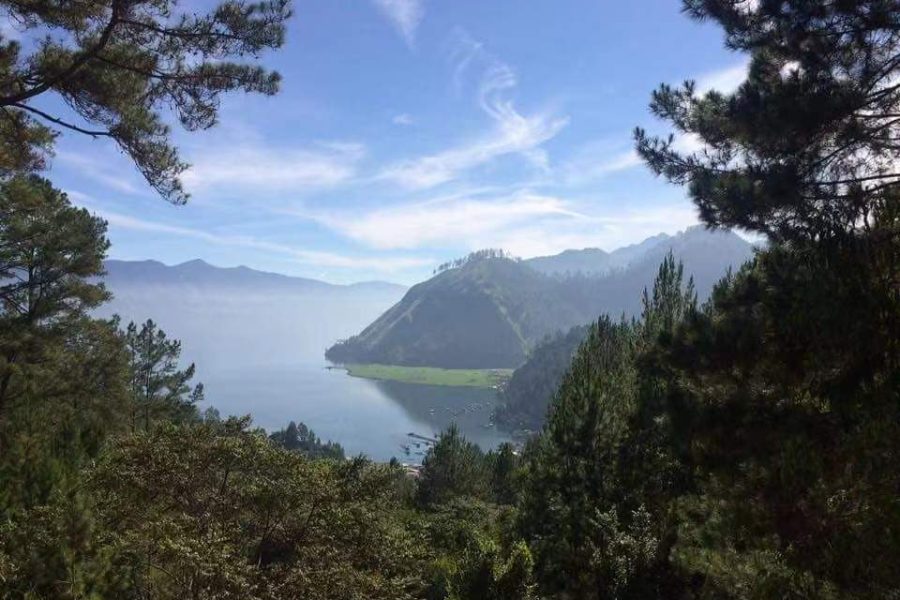
 Sumatra's three golden producing regions each have their own terroir characteristics: the Aceh Gayo region (1,100-1,400 meters above sea level) cultivates chocolate and dried fruit flavors in volcanic soil; the Lake Toba Lintong region (1,200-1,500 meters), relying on the humid climate of the world's largest volcanic lake, develops a thick, mellow character; and the emerging Mangkuraja region (1,100-1,300 meters) produces refined beans with leather aroma in a pristine rainforest environment. These regions mainly grow Typica, Bourbon variants, and disease-resistant varieties such as Ateng, with harvest concentrated from September to December after the rainy season ends.
 It is worth noting that the market term "Sumatra Mandheling" is not a geographical indication but derives from a local ethnic name. Coffee grading uses cup quality standards (Grade 1/2), but during export, long-term storage at the Port of Medan (often exceeding 30 days) can easily lead to flavor deterioration. Professional buyers recommend choosing direct-trade beans and consuming within 60 days after roasting.
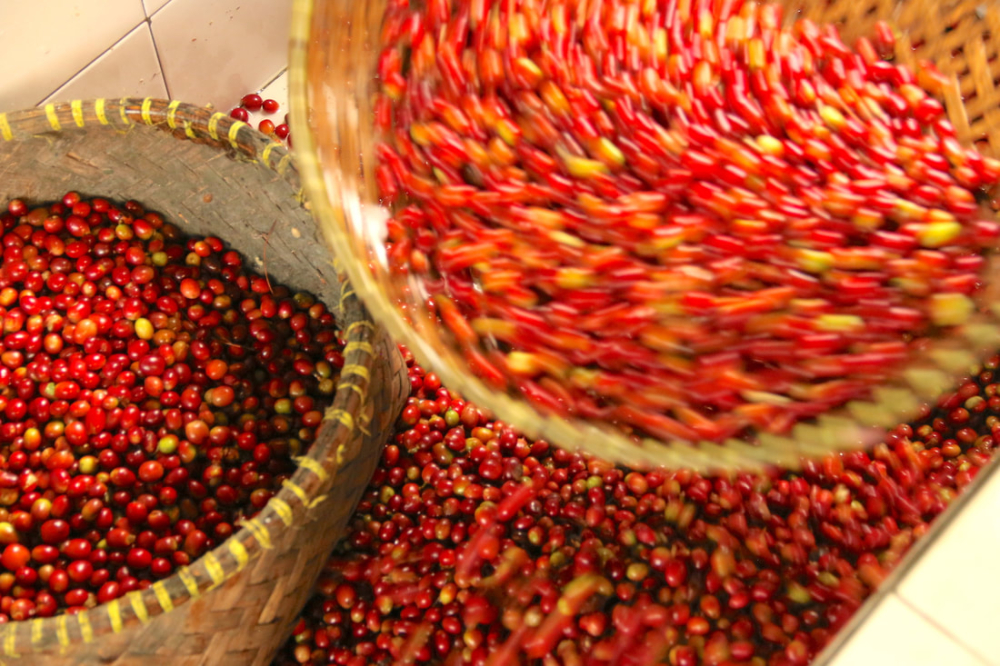
 The core process determining Sumatra coffee's unique flavor is wet-hulling: when the green bean moisture content is still 30-50% (traditional washed methods are only 12-15% at this point), the parchment and hull are removed before drying. This accelerated drying technique (requiring only 48-96 hours) reduces acidity by over 60% but gives the coffee more intense caramel sweetness (≥7 points) and herbal notes (such as basil and cinnamon). However, note that this process tends to increase the surface defect rate by 30%; when purchasing, check for hoof-like cracks.
 The flavor profiles of the three regions differ significantly: Aceh Gayo is dominated by dark chocolate (45%) and roasted almond (30%); the Lintong Lake region shows distinct earthy minerality (25%) and a smoky finish; Mangkuraja, due to its high-altitude cool climate, develops a unique balance of bergamot (15%) and red wine acidity (10%). All regions use shade growing (30-50% shade), and harvest maturity is controlled at over 85% red cherries.
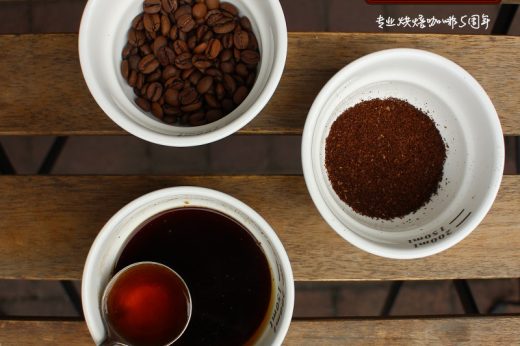
 Given the characteristics of wet-hulled beans, a medium-dark roast (Agtron #55-60) is recommended to bring out nutty notes. Pour-over parameters: grind size 70% passing through a Chinese standard No. 20 sieve (equivalent to EK43 #30), water temperature 87±2°C, and coffee-to-water ratio 1:15. In practice, first bloom with 30 ml of water for 30 seconds (15 g dose), then pour in two stages using a spiral motion (first stage to 125 ml, second stage to 225 ml), with total time controlled at about 2 minutes 10 seconds. This recipe balances body and sweet-acid balance.
 When purchasing, note: high-quality wet-hulled beans should have a blue-green luster (not dark brown) and a defect rate below 3%. For storage, use one-way valve foil bags, keep away from light at 18-22°C. Before brewing, a cupping assessment is recommended: a high-quality batch should have obvious brown sugar sweetness (olfactory intensity ≥4) and a lingering citrus finish.
 For beginners, Sumatra's wet-hulling process may pose two challenges: first, a higher risk of astringency (from residual pectin not fully removed), which can be mitigated by extending the resting period (14-21 days); second, distinct herbal notes (such as thyme and rosemary), which first-time drinkers may soften by adding milk. Professional roasters optimize flavor expression by adjusting the drying curve (final moisture content controlled at 11.5%).
 From a historical perspective, Sumatra's modern processing method took shape in the mid-20th century, with wet-hulling developed to address the traditional drying difficulties caused by the tropical rainy season. This innovation not only solved the region's unique climate constraints but also unexpectedly created a recognizable flavor matrix distinct from Central and South American coffees—offering both the freshness of Southeast Asian botanicals and the full-bodied structure typically found only in dark roasts.
 Professional tasters recommend identifying high-quality Sumatra beans through triangle tests: when comparing different batches from the same region, focus on flavor consistency (e.g., chocolate base intensity variation ≤15%) and cleanliness of the finish (no off-flavors within 15 seconds). For consumers seeking the ultimate experience, try pairing with high-cocoa dark chocolate (≥70%) for flavor synergy.
 For storage, special attention is needed: because wet-hulled beans have higher moisture control difficulty, after opening, use food-grade desiccant (such as silica gel packets) and consume within 30 days to ensure the best flavor window. Grind fresh before use to avoid prolonged air exposure causing aroma loss (experimental data show that aromatic volatiles can evaporate up to 40% within 15 minutes after grinding).
 In summary, Sumatra coffee, with its unique geographical genes and wet-hulling process, builds a low-acid, high-body flavor system. Whether you are an advanced enthusiast seeking complexity or a daily drinker who prefers intense flavors, you can find your own taste coordinates in this coffee from the equatorial rainforest.
 Appendix: Flavor wheel data for a typical Sumatra Mandheling—sweetness (8.2/10), body (8.5/10), acidity (3.1/10), cleanliness (7.0/10), finish length (8.0/10). These quantitative indicators can provide objective reference for purchasing.