Home Coffee Brewing Guide: Parameters and Flavor Comparison of 6 Main Methods
Introduction: From specialty cafés to home kitchens, mastering different brewing methods unlocks more coffee possibilities. This article systematically analyzes six mainstream coffee-making methods, including espresso, pour-over, and siphon, detailing equipment pairings, core parameters (water temperature, coffee-to-water ratio, time), and flavor characteristics, to help you choose the brewing method that best suits your taste preferences and avoid common operational mistakes.
The spread of coffee culture has driven a home brewing boom; simple pour-over equipment alone can produce drinks close to specialty café quality. Common coffee brewing tools on the market cover six mainstream types, including pour-over kettles, moka pots, and French presses; each device presents unique flavor layers through different extraction principles.
The barrier to home coffee making is far lower than imagined; a basic set of equipment is enough to get started. Pour-over needs only a dripper and a kettle, while espresso requires a professional coffee machine paired with a grinder. Note that some devices, such as the Belgian siphon, are complex to operate and polarizing in taste; beginners are advised to try highly standardized brewing methods first.
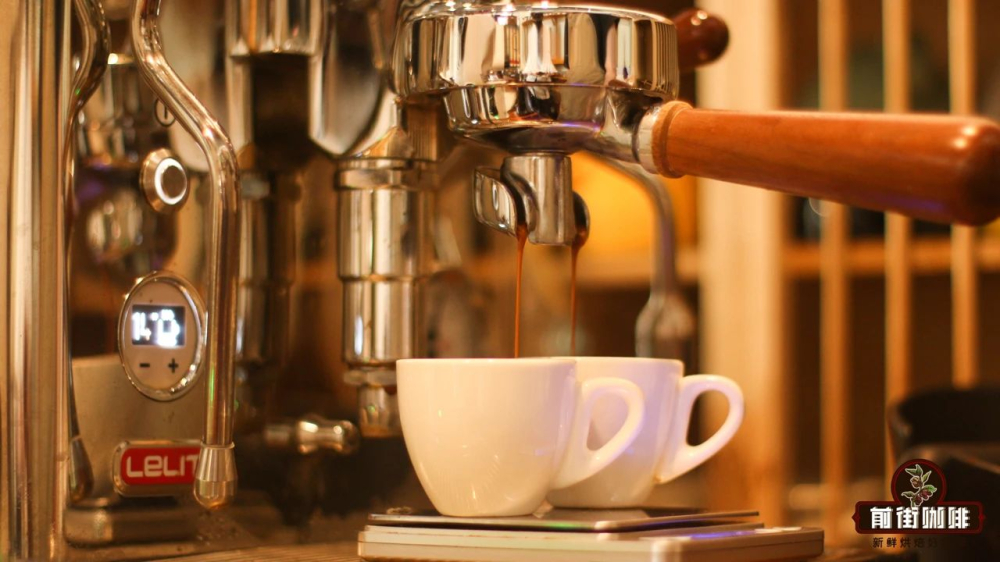
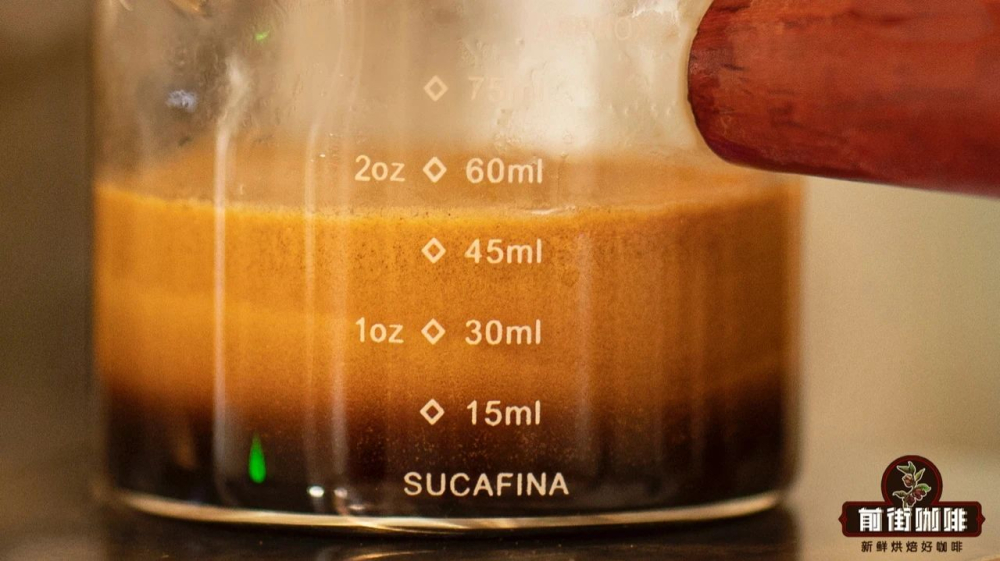
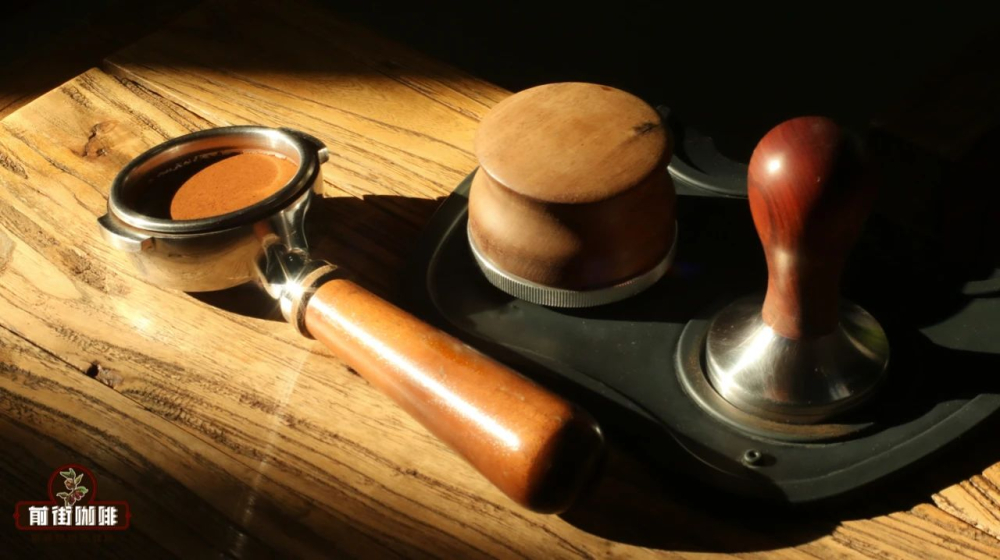
Espresso is extracted through the combined action of 9 bar of high pressure and 94°C hot water, yielding 30 ml of espresso in 30 seconds; the reddish-brown crema that forms on the surface is its signature feature. This process has strict equipment requirements: commercial models can cost tens of thousands of yuan, and for home machines, choose one with stable pressure output. Core parameters must be strictly controlled: coffee-to-water ratio 1:2, extraction time 25–30 seconds; a water temperature deviation exceeding ±2°C may affect crema stability.
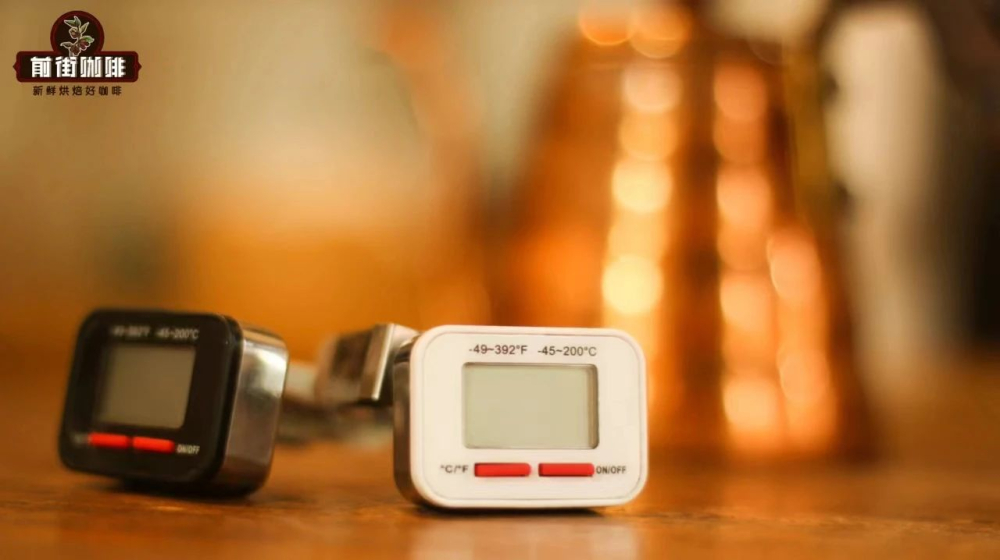
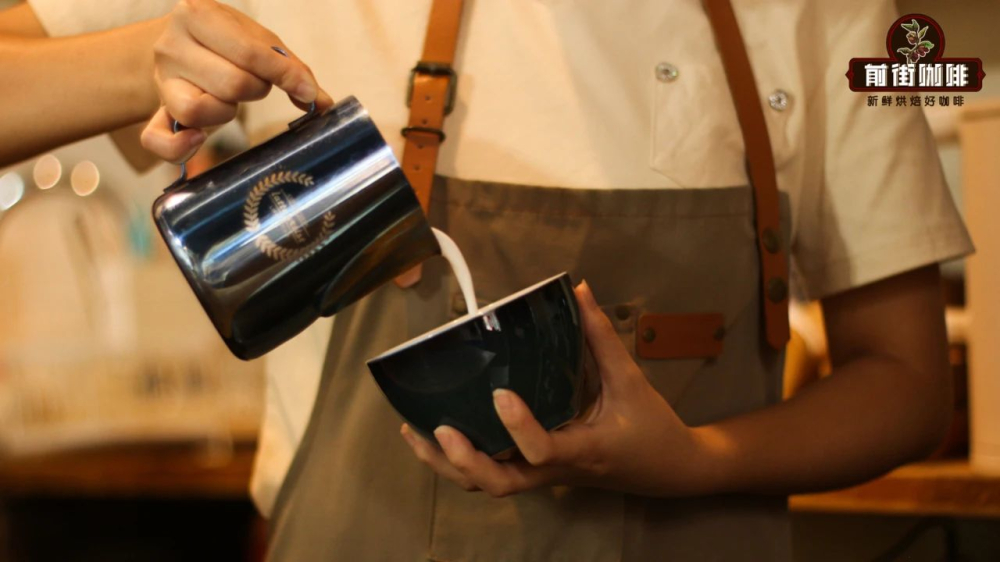
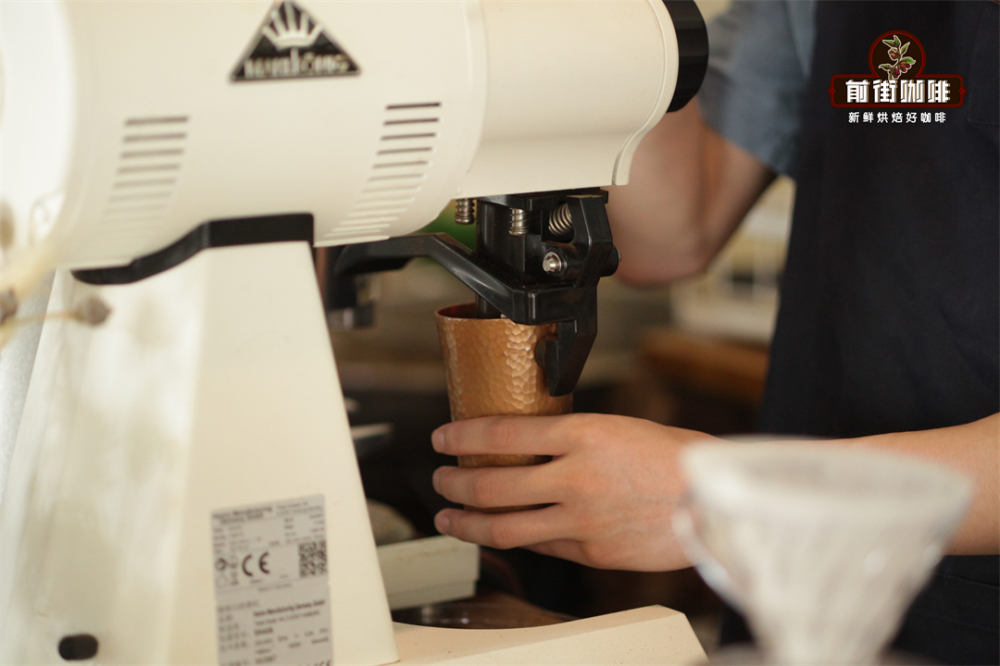
Professional espresso preparation requires a dedicated grinder; flat burr models better preserve coffee oils. Supporting tools include a double-capacity milk pitcher (for latte art), a thermometer accurate to 0.1°C, and a timer. Common blend recipes include a golden 3:7 ratio of Brazilian to Colombian beans; such recipes typically present a full, smooth mouthfeel with nutty and dark chocolate base notes.
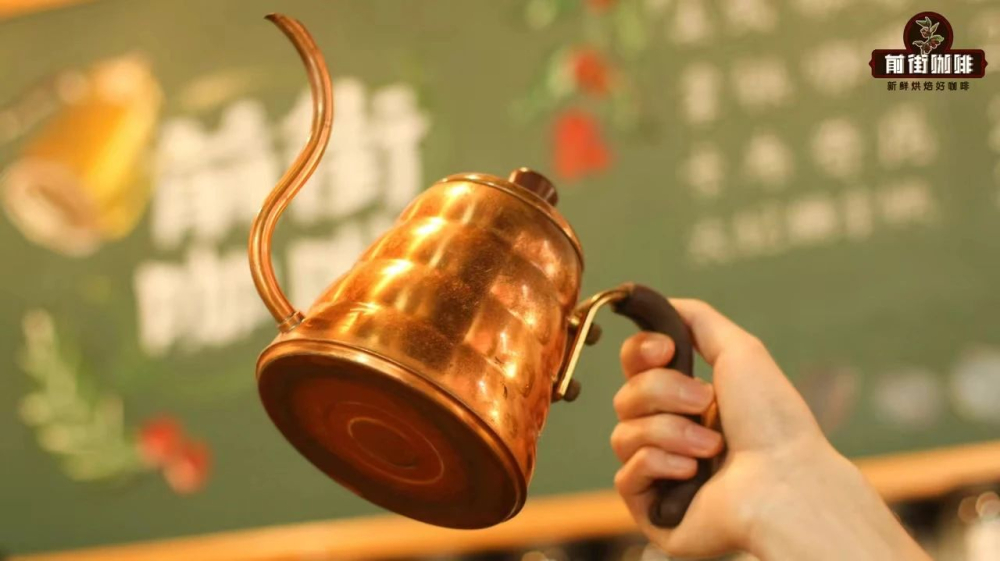
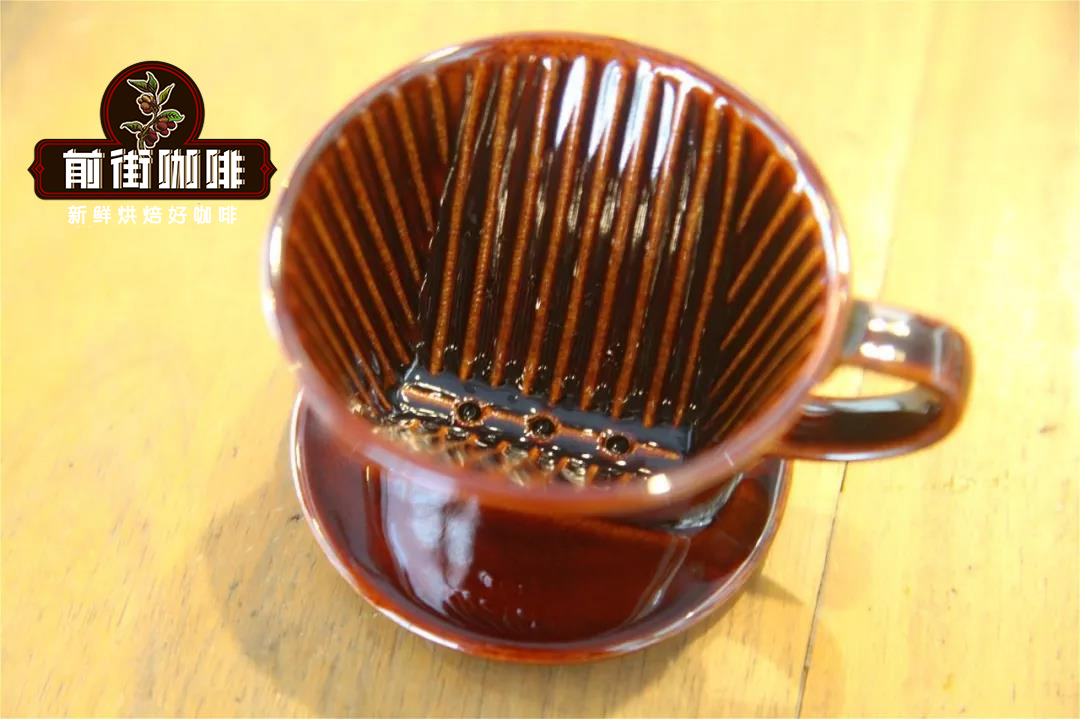
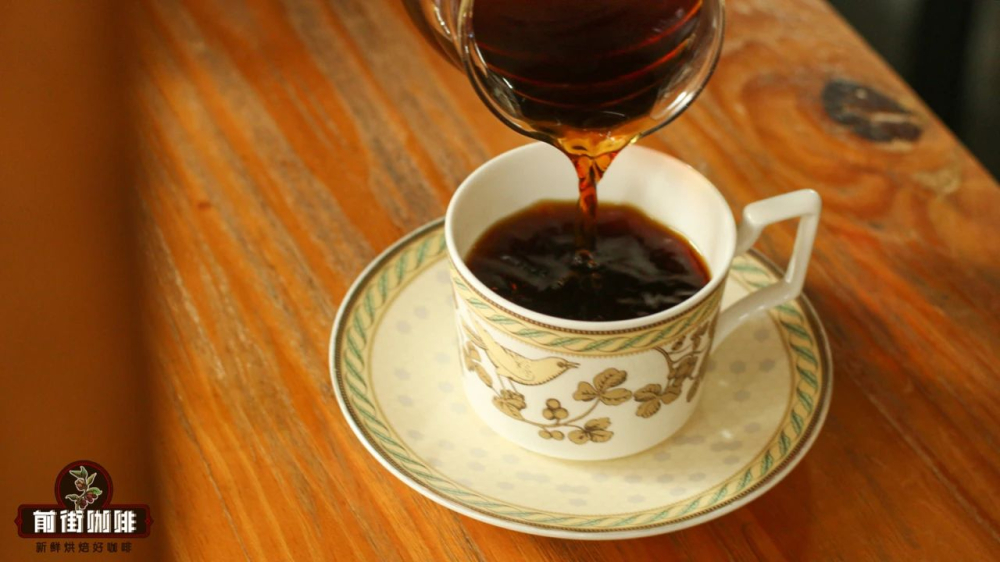
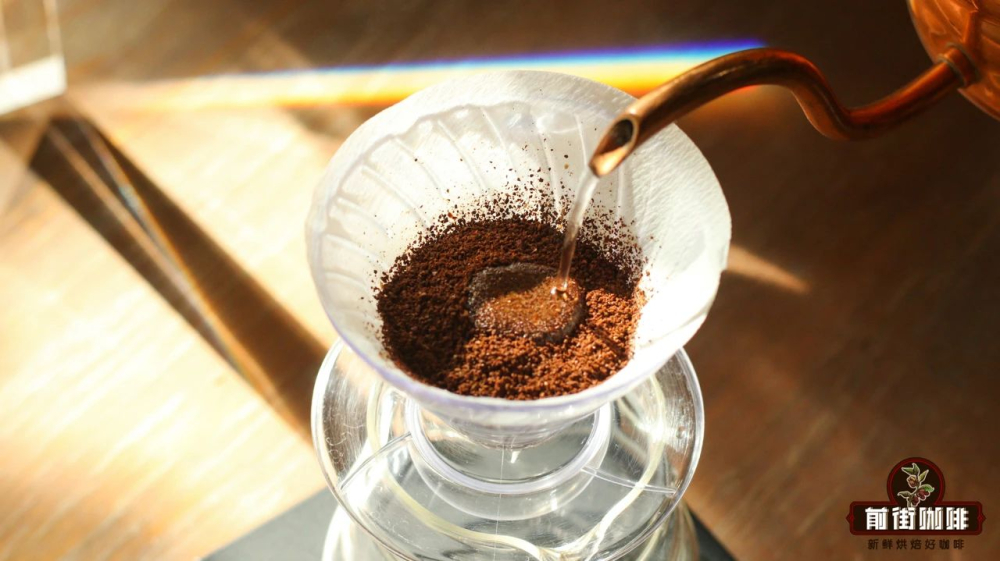
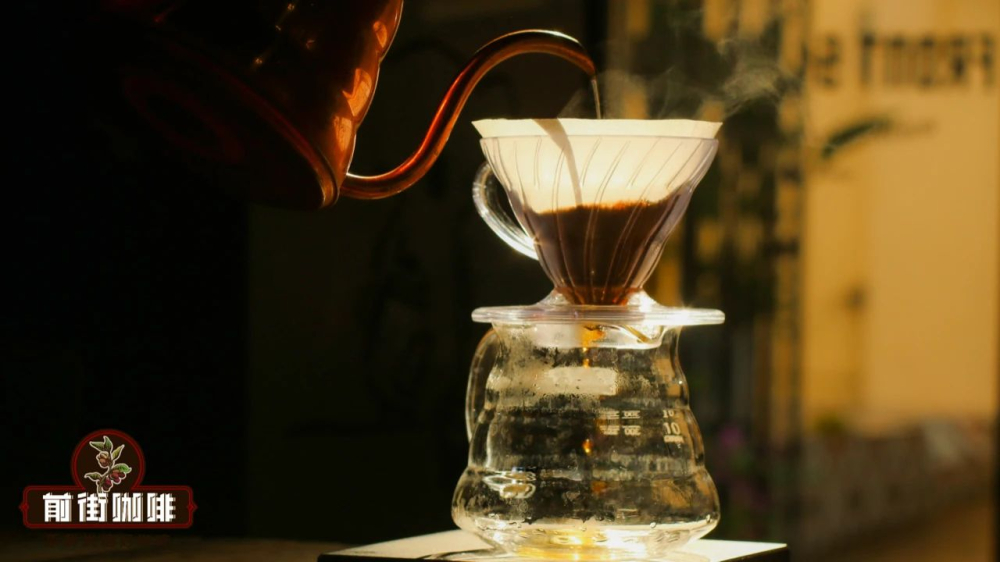
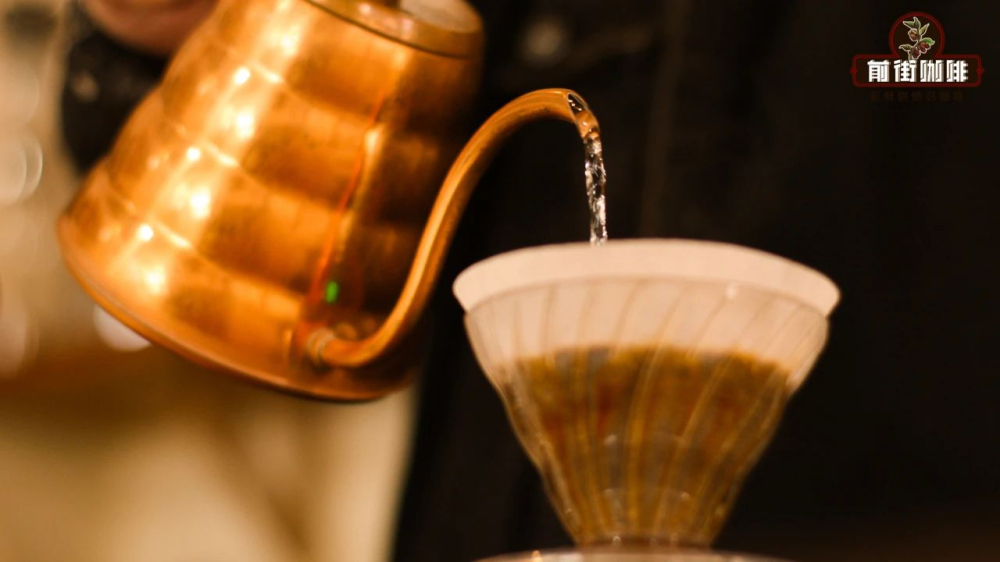
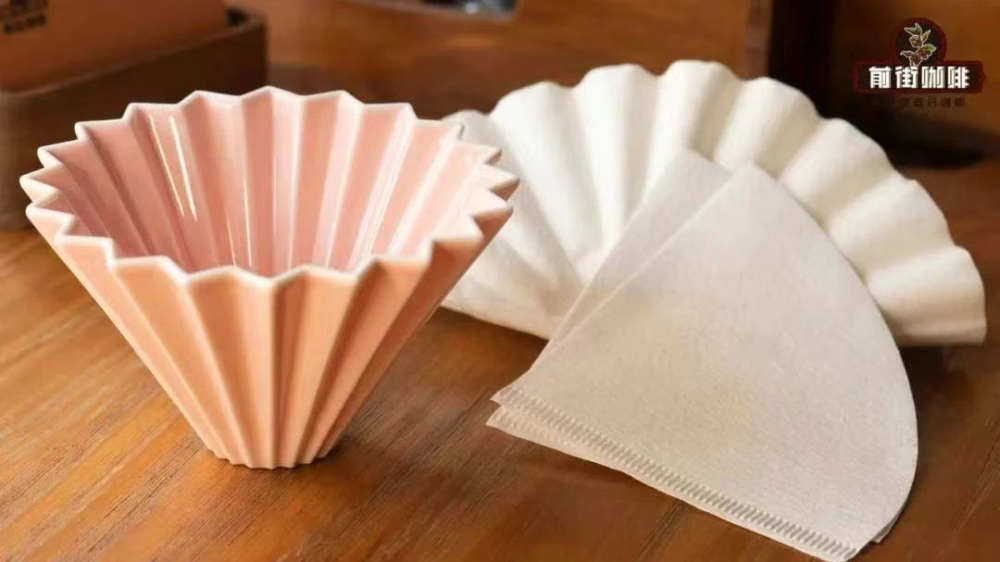
Pour-over coffee completes extraction through gravity; the 2-minute process includes two key stages: blooming and staged pouring. A grind with 70% passing a standard No. 20 sieve is recommended (similar to fine sugar), with water temperature controlled in the 90–93°C range. Dripper choice directly affects flow rate: conical drippers (such as V60) suit those seeking bright acidity, while flat-bottom drippers (such as Kalita Wave) more easily achieve a balanced mouthfeel. Auxiliary equipment such as a digital scale should be accurate to 0.1 g, and timing precision should reach the second level.
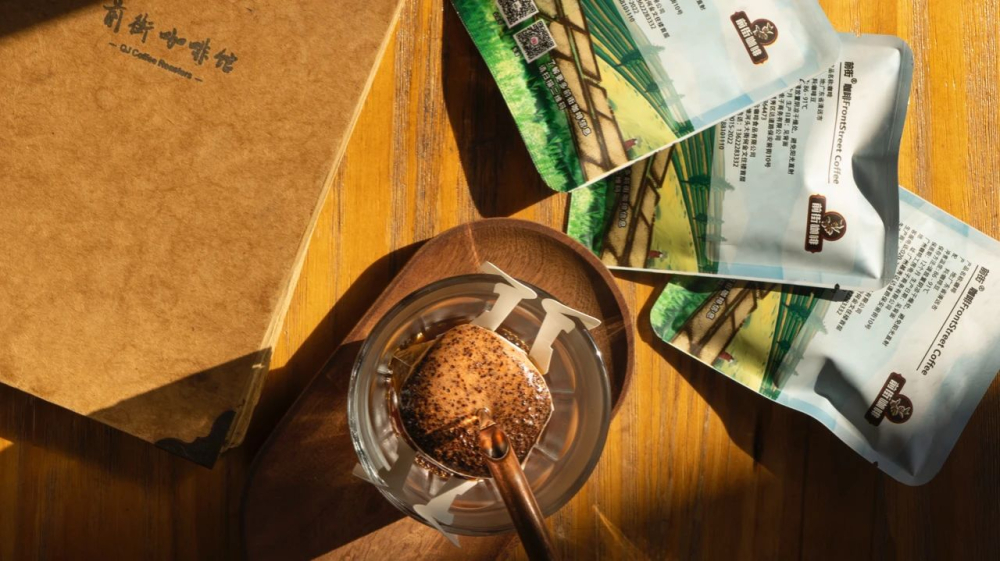
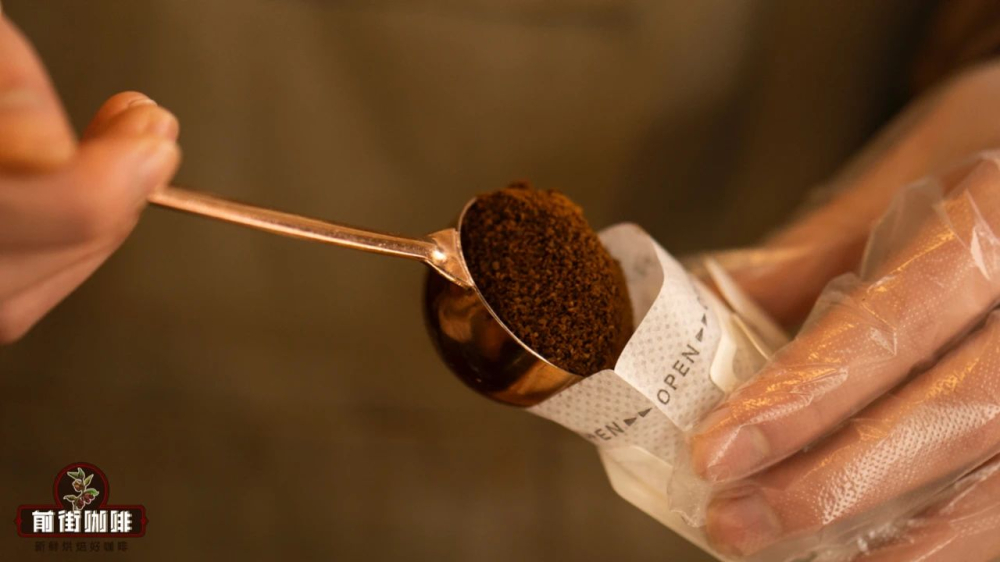
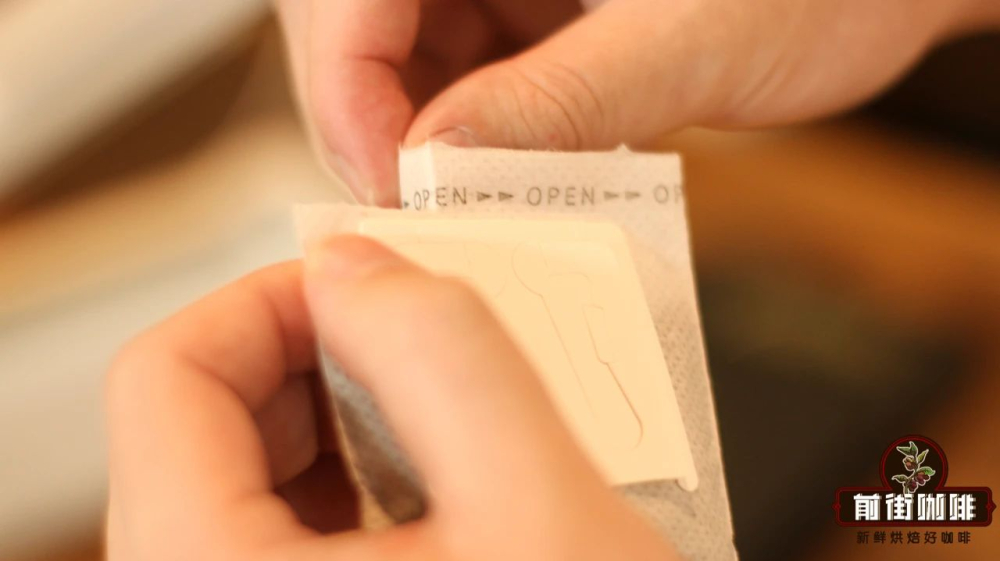
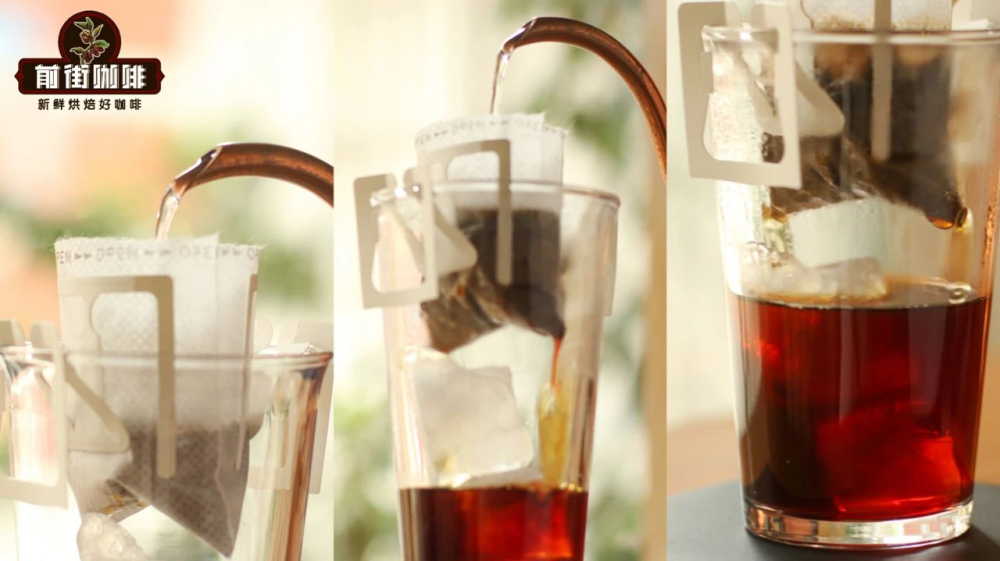
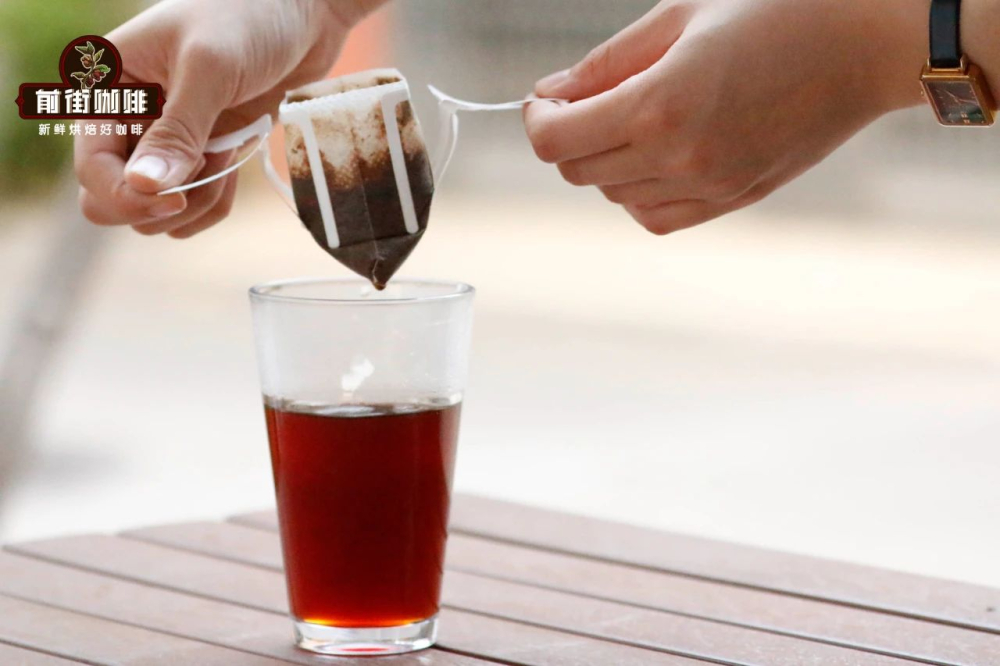
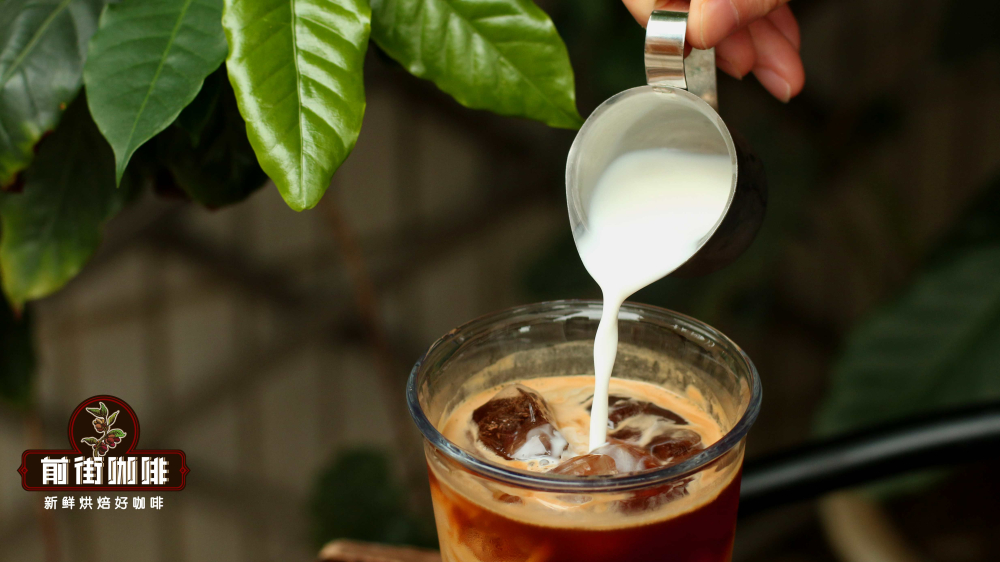
Drip bag coffee, as a simplified pour-over option, uses standard parameters of 10 g of coffee, 90°C water temperature, and a 1:15 coffee-to-water ratio. Key operational points include: thoroughly wet the filter paper before pouring to eliminate papery taste; during the bloom stage, pour hot water equal to the coffee dose (about 10 g) for 10 seconds; then pour in a central radiating pattern to avoid disturbing the coffee bed structure. Drinking it chilled highlights sweetness; the recommended milk ratio should not exceed 1:3.
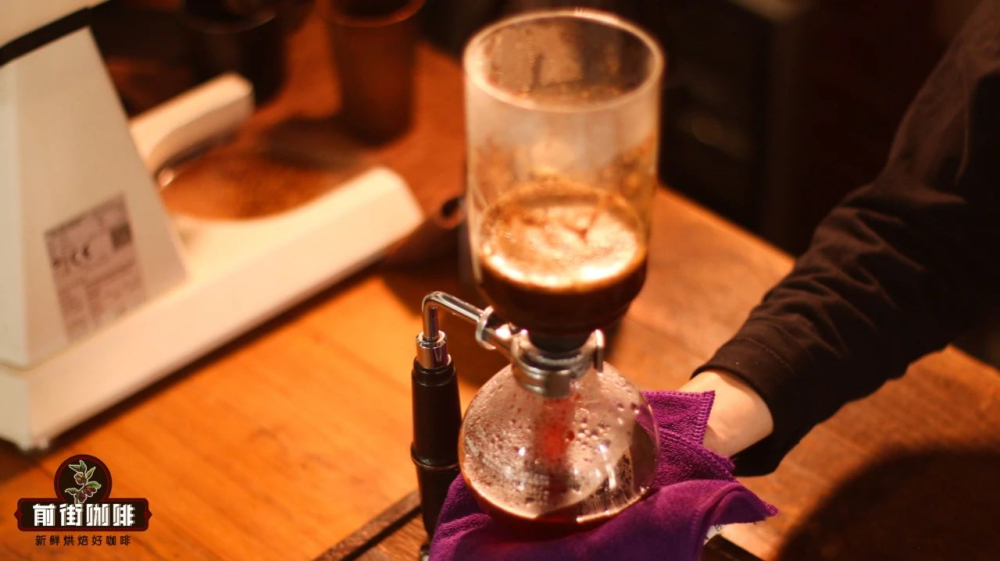
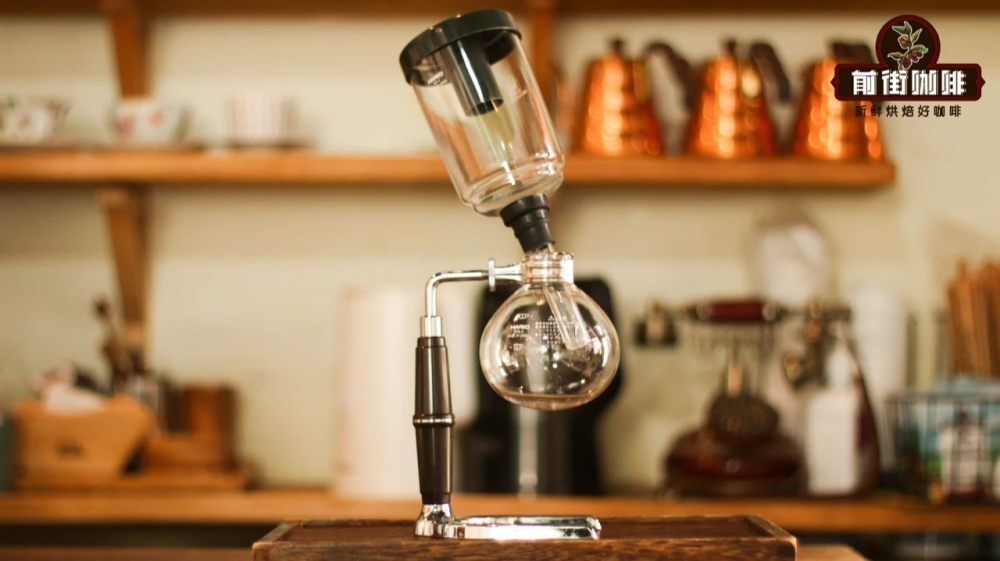
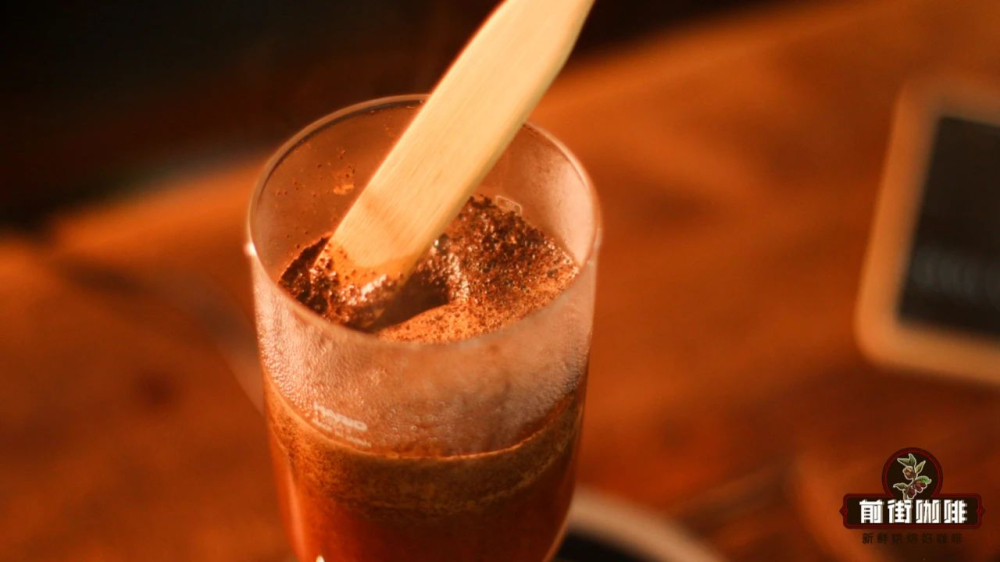
The siphon pot uses steam pressure to achieve precise temperature control: after the lower chamber is heated to boiling, steam pushes hot water through the tube into the upper chamber to contact the coffee grounds. This process strictly limits extraction time to 60–90 seconds, with an optimal coffee-to-water ratio of 1:12. Operational notes: the alcohol lamp flame should maintain a steady blue flame, and stirring should not exceed 3 times to prevent over-extraction. The final flavor shows pronounced caramelization characteristics and is suitable for pairing with milk to make a latte.

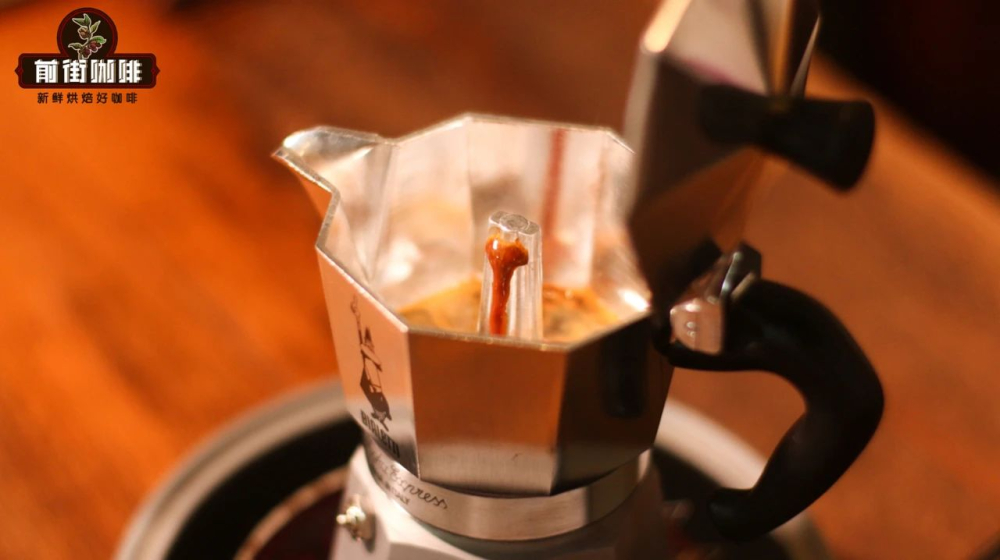
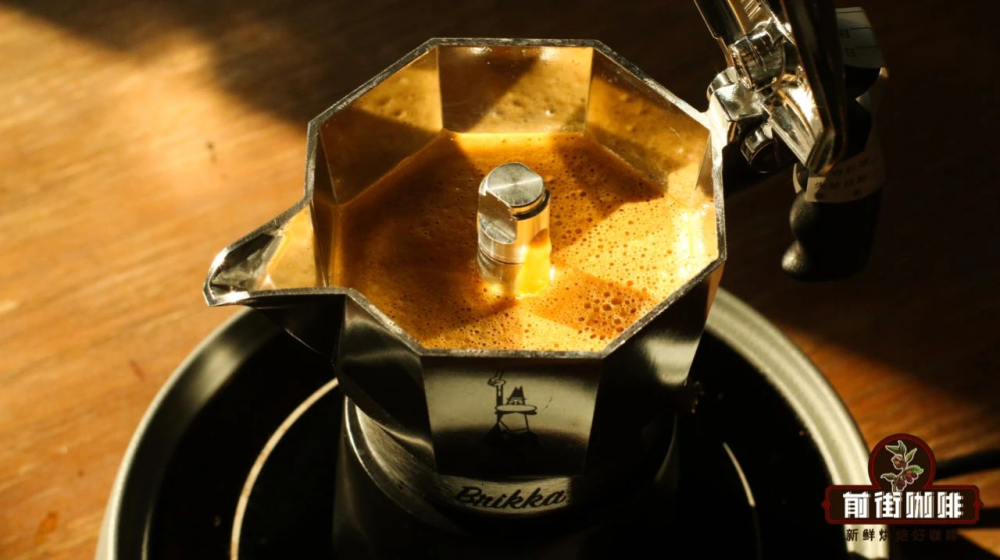
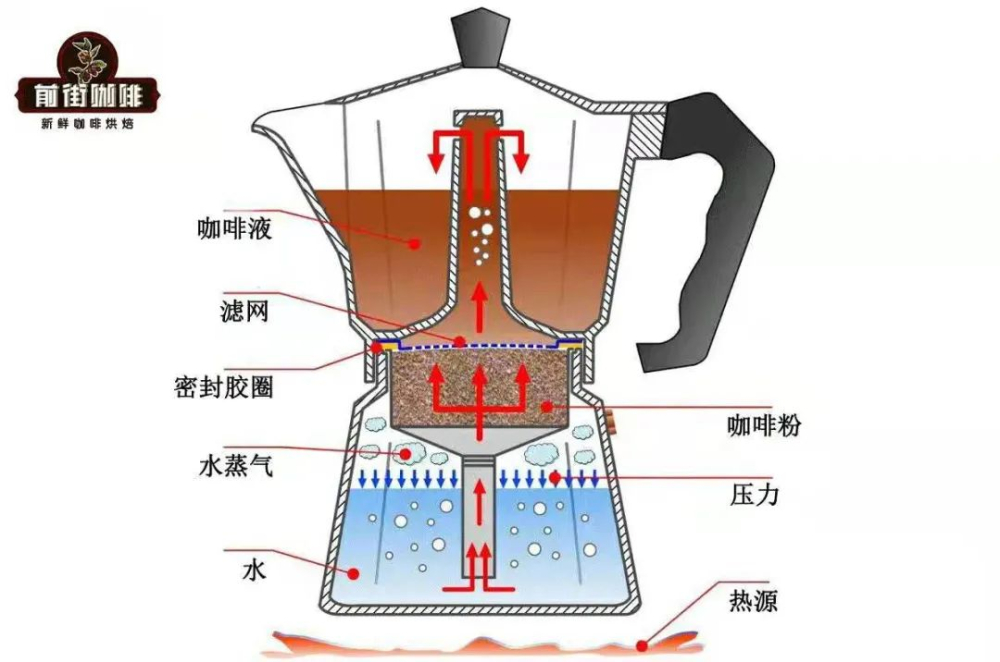
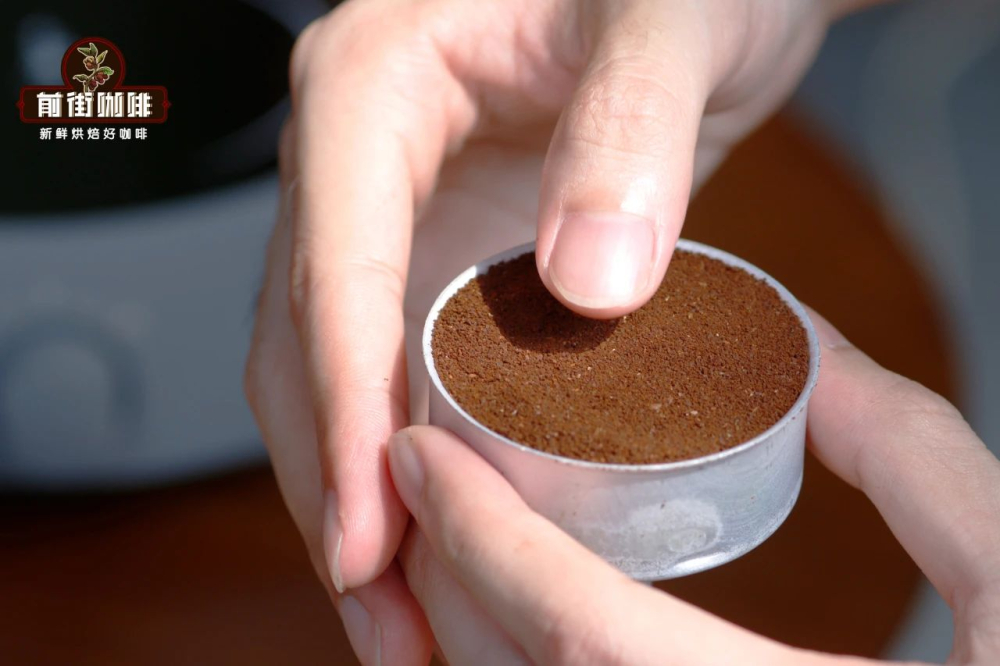
The moka pot extracts under a low-pressure environment of 1.5 bar; pressure transfer is triggered when the water in the lower chamber reaches 96°C. Key parameters: the grind should be close to espresso (slightly coarser than flour), and tamping should avoid being too tight, which would block water flow. A classic use scenario is outdoor camping; pairing with dark-roast beans is recommended to highlight chocolate and nutty flavors. Safety note: after use, wait for the pot to cool completely before disassembling to prevent burns.
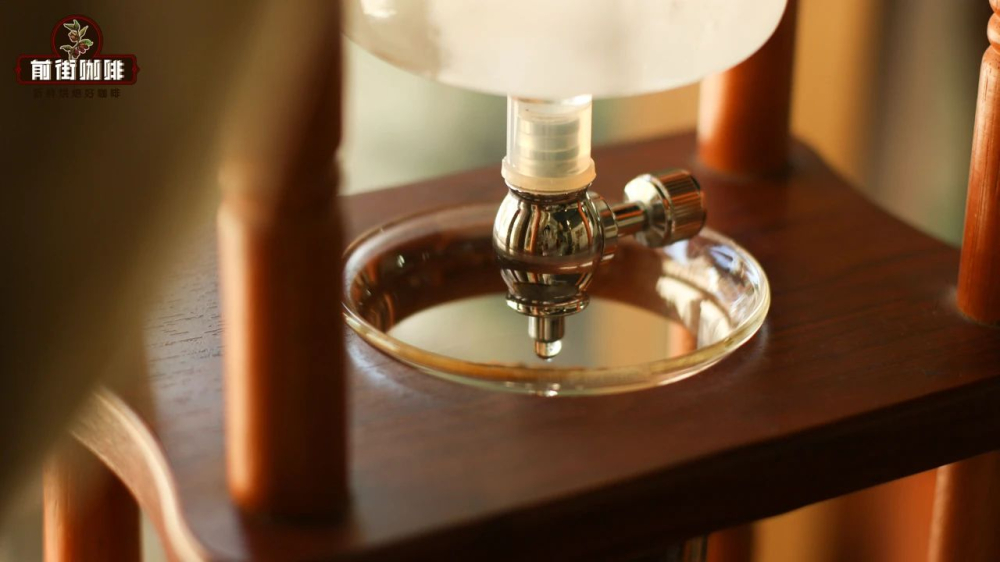
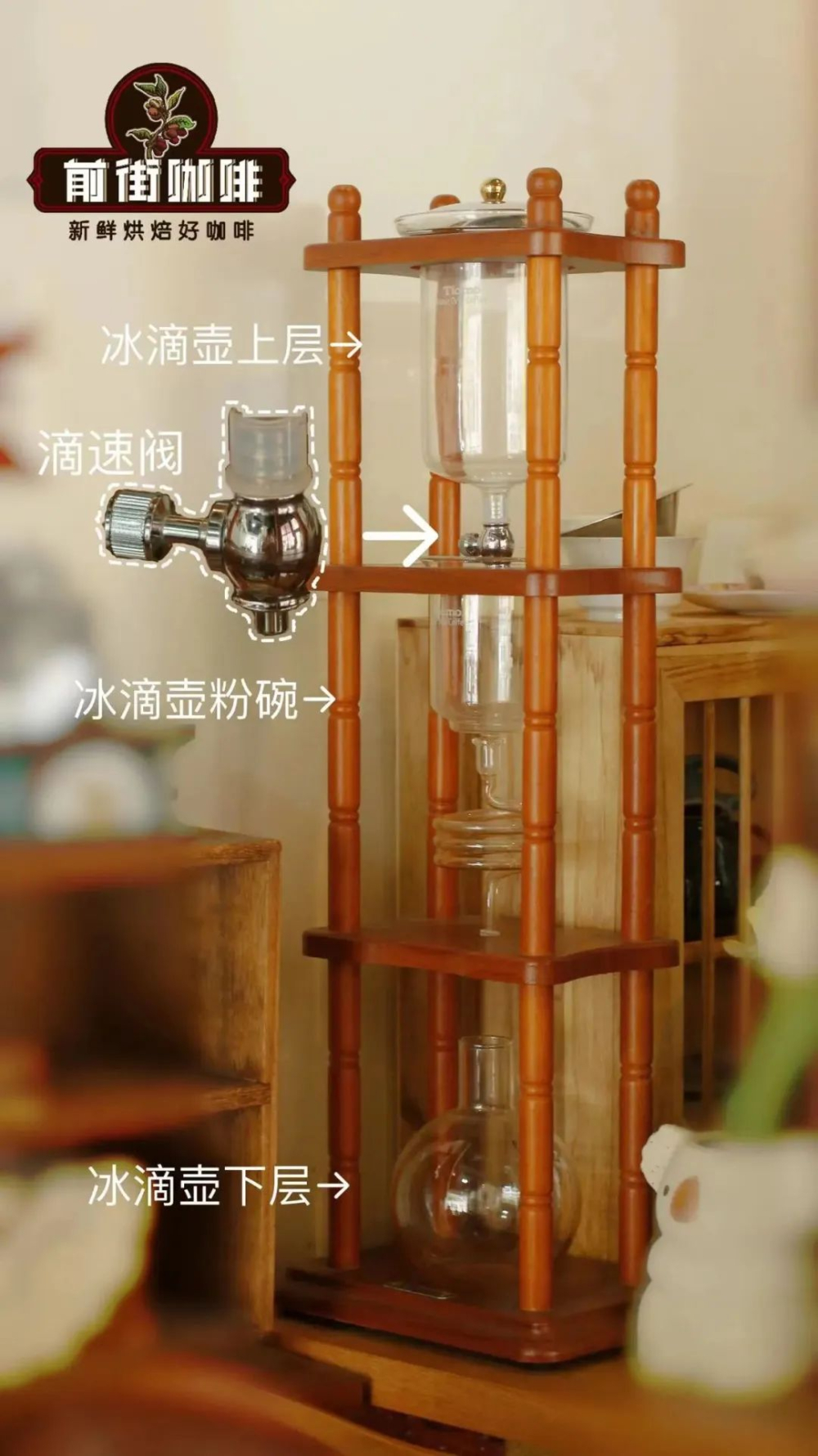
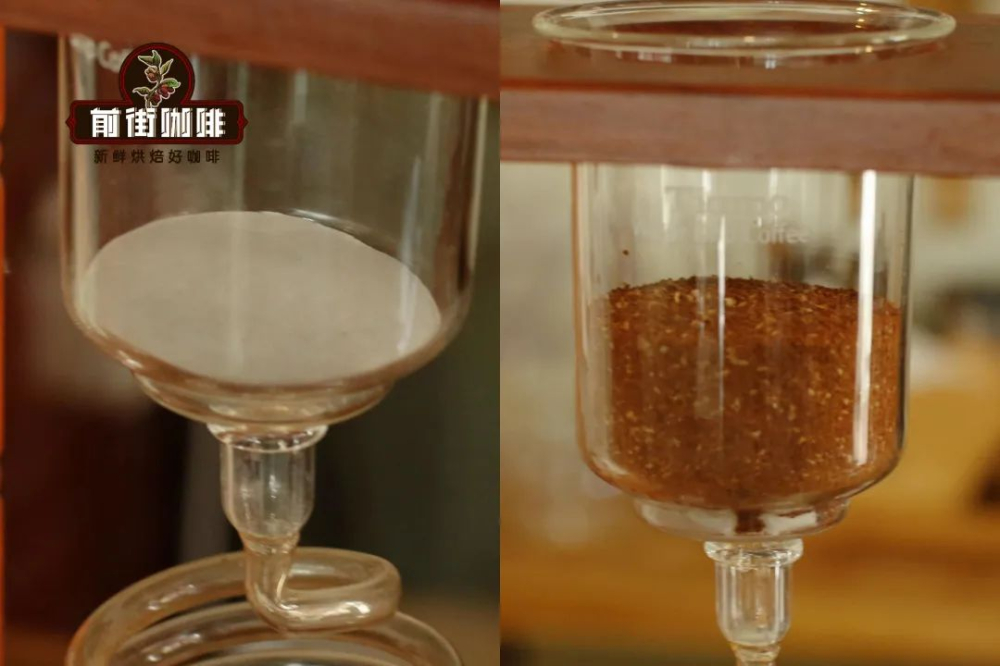
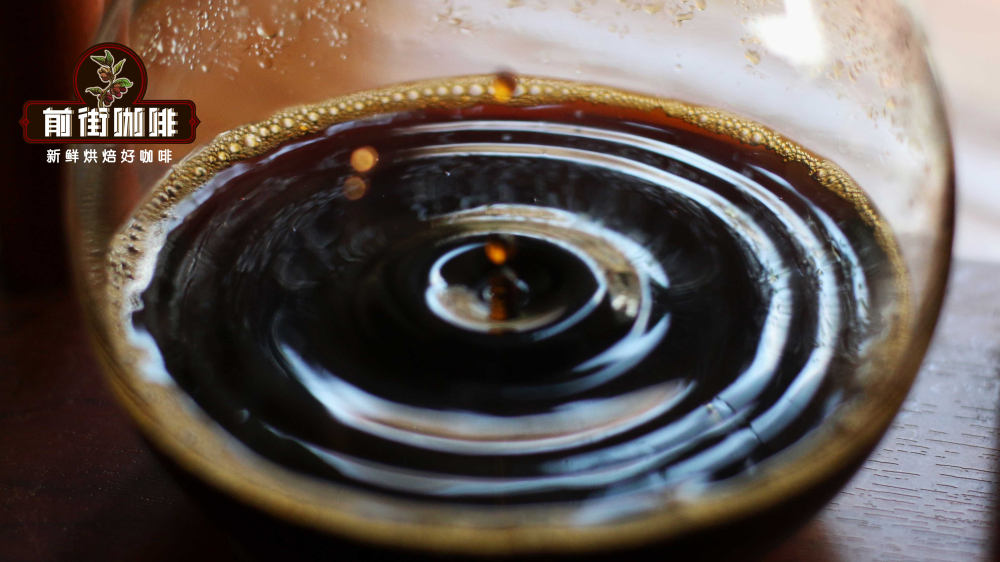
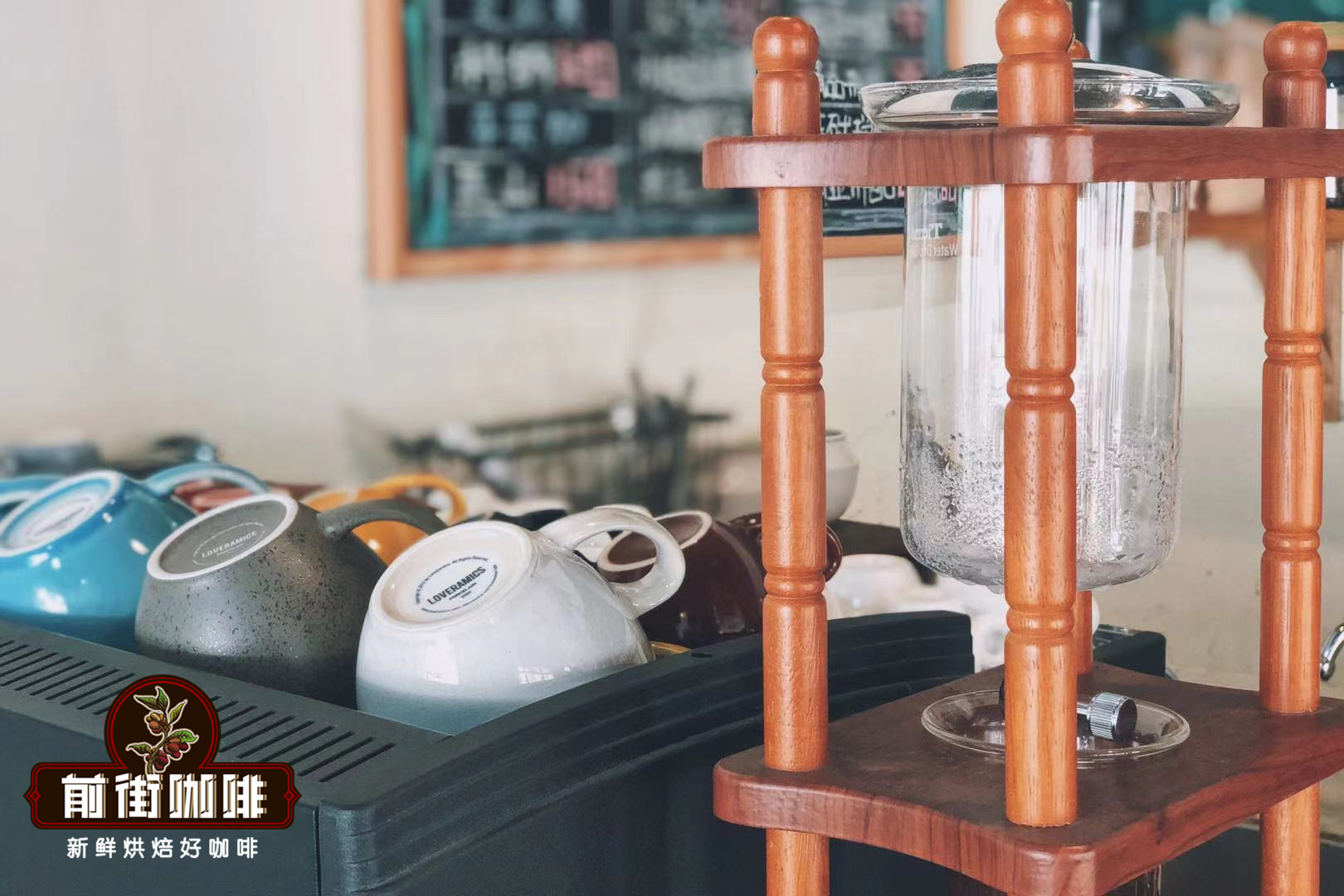
Cold drip coffee uses 0–4°C cold water for slow extraction, with a recommended coffee-to-water ratio of 1:12 to 1:15 and a total time of about 8–12 hours. The process includes a pre-infusion stage (pouring a small amount of cold water to moisten the coffee grounds), formal dripping (drop rate controlled at 1–2 drops per second), and subsequent refrigerated fermentation. Special handling tip: place filter paper above the coffee bed to ensure even water penetration; the fermentation process can enhance sweetness and body. The finished brew is best left to rest for 12 hours before drinking, presenting distinct blueberry and caramel finish.
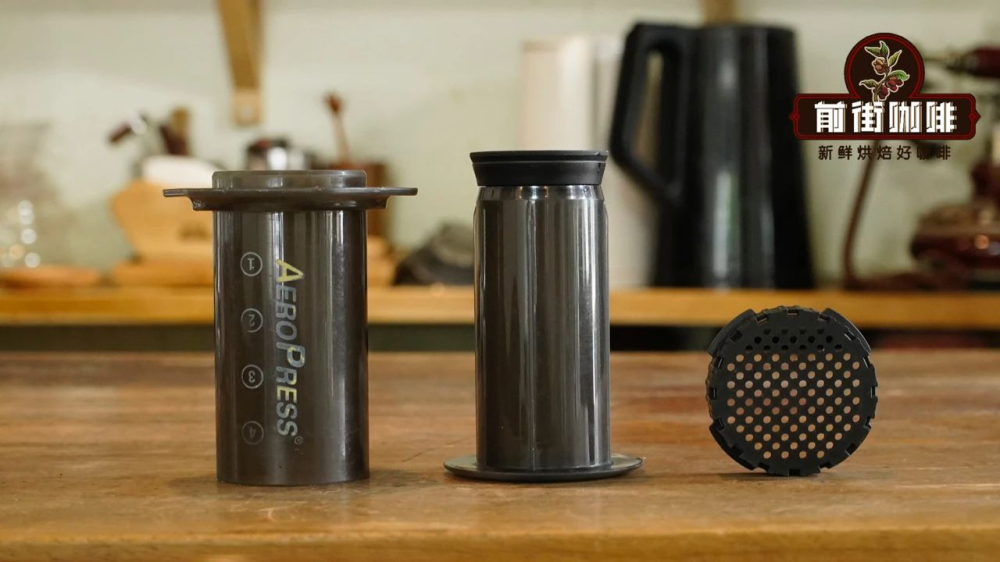
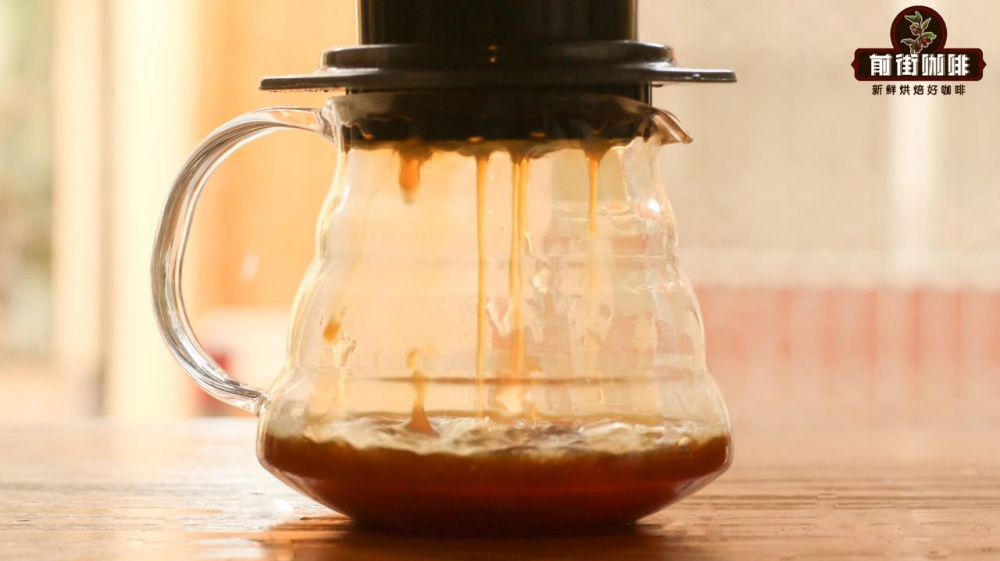
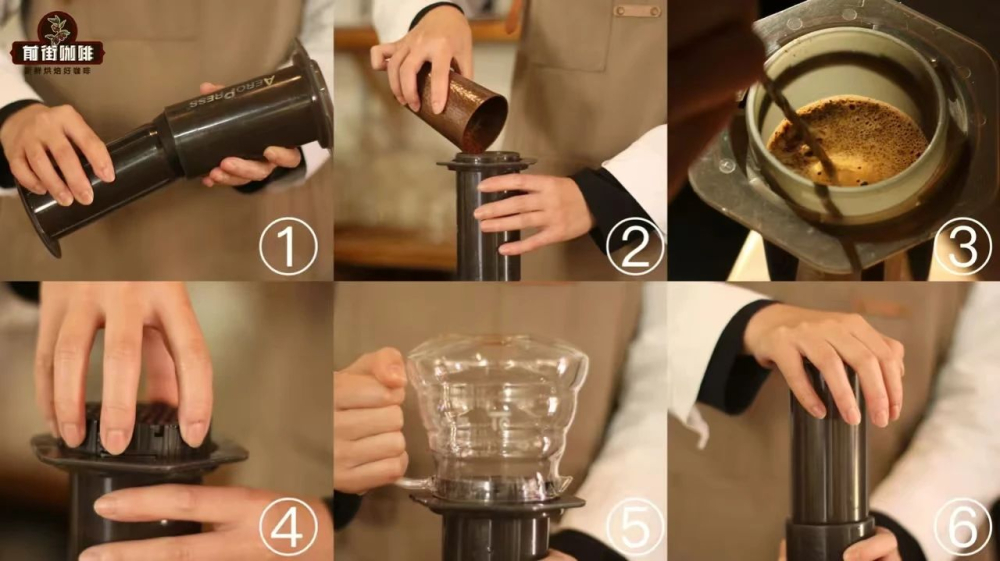
The AeroPress combines the advantages of immersion and pressure extraction; the standard (upright) method yields a relatively clean cup but thinner layers, while the inverted method achieves a fuller flavor through 1 minute 30 seconds of full immersion. Standard parameters: 88°C water temperature, 15 g of coffee, 1:15 coffee-to-water ratio; stir for 30 seconds after pouring to promote even extraction. Maintain a steady pressing speed during the press stage (complete in about 30 seconds). This method is especially suitable for medium-light roasted beans, clearly presenting citrus and floral notes.
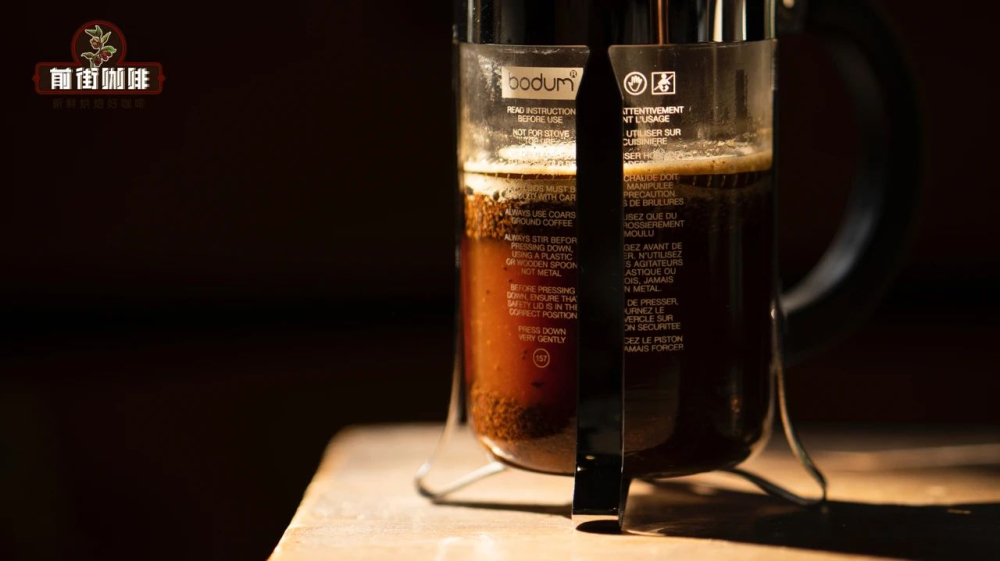
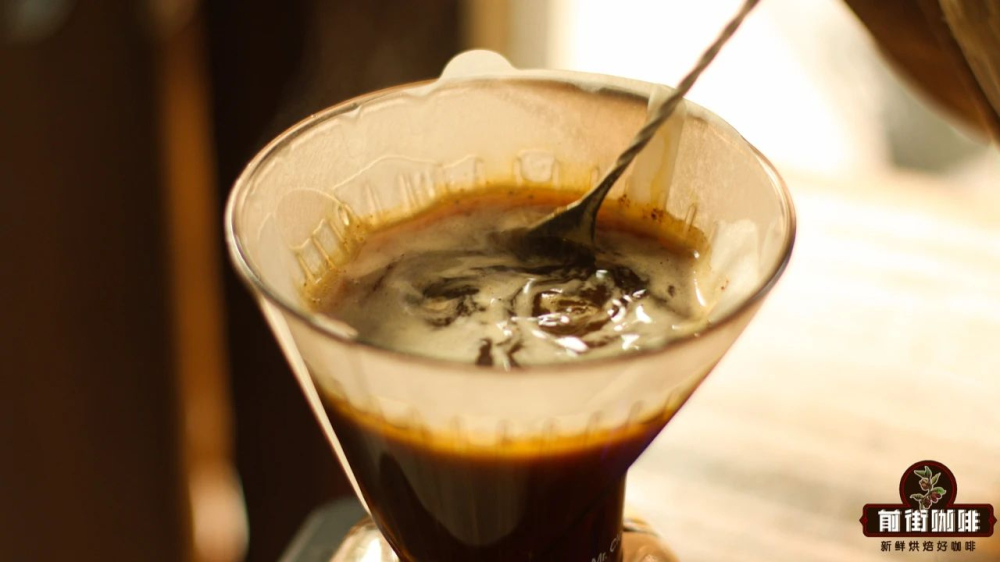
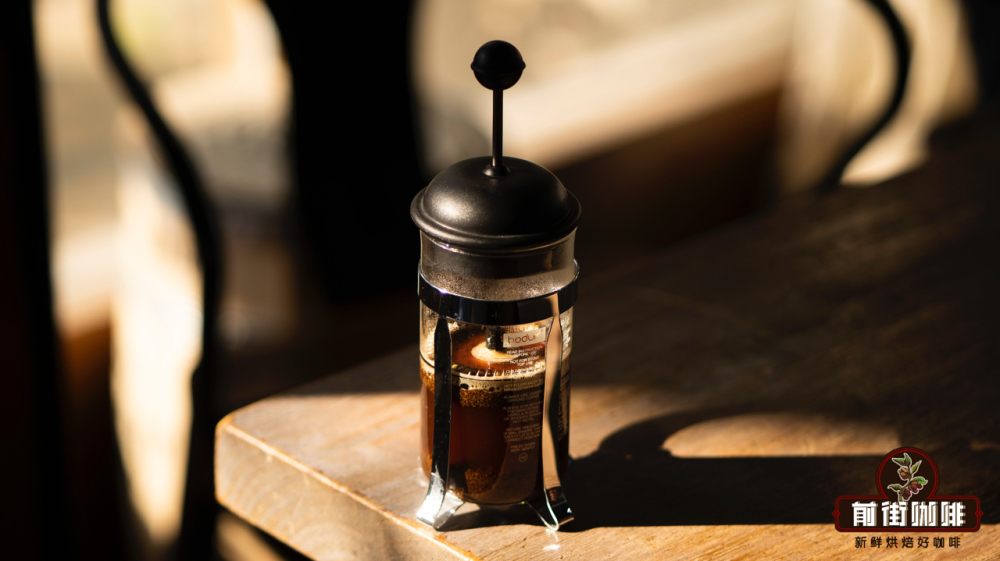
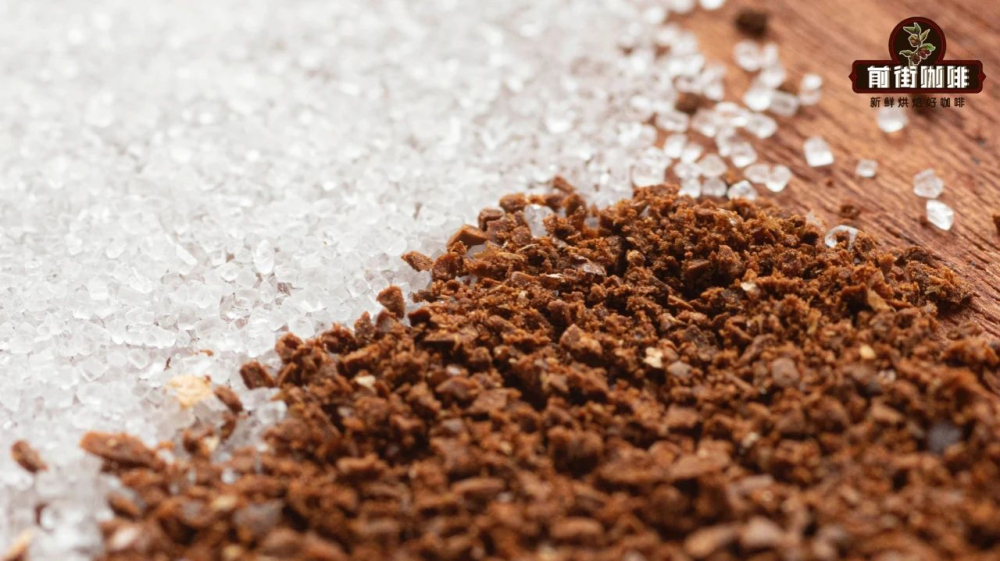
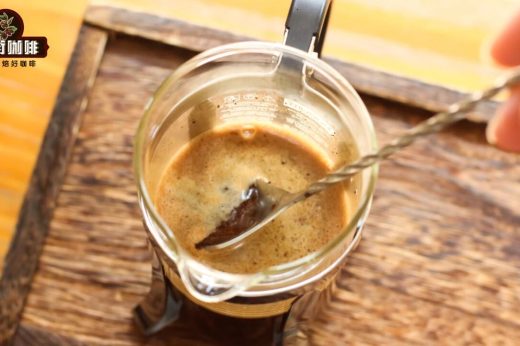
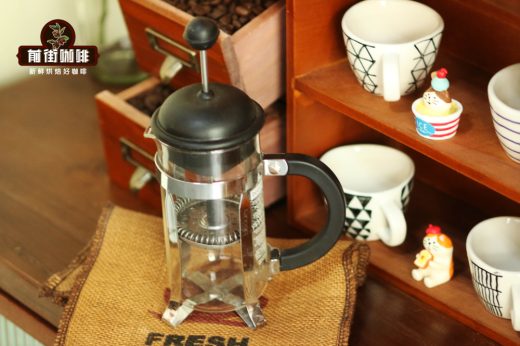
The French press retains rich oils thanks to its stainless steel mesh filter; 229 g of water with a 3 minute 30 second extraction time yields a full-bodied mouthfeel. Comparative experiments show that a PCT-material Clever Dripper can produce clearer coffee liquid, suitable for those who prefer a clean flavor. Both devices are recommended to use a coarse grind (close to sea salt granules); extending extraction time may cause excessive bitterness. In terms of flavor differences, the French press highlights nutty and caramel base notes, while the Clever Dripper shows brighter fruity acidity layers.
Although fully automatic coffee machines are convenient to operate, most models struggle to precisely control extraction parameters, resulting in a one-dimensional flavor. For instant coffee products, pay attention to ingredient quality; quality freeze-dried powder should state a clear roast date and origin information. When shopping, consumers should focus on the ingredient list, prioritizing 100% Arabica bean products and avoiding low-quality products containing non-dairy creamer.