Moka Pot Bean Selection and Troubleshooting Guide: Crema Tips and No-Brew Fixes
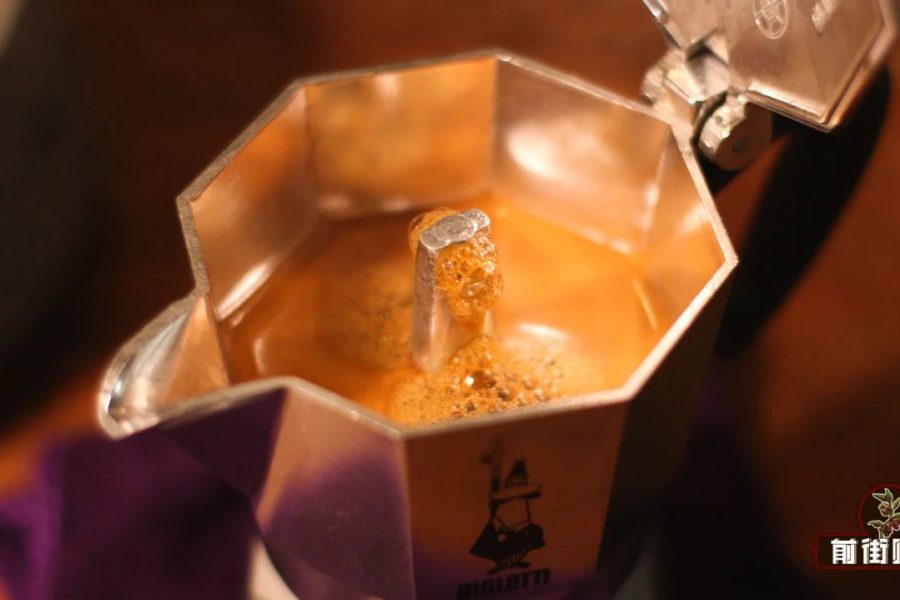
Introduction: Want to brew rich, crema-topped espresso in a moka pot? This article explains the key to choosing medium-dark roasted beans, grind size and coffee-to-water ratio parameters, and helps you avoid the pitfalls of over-extraction. It also addresses the common problem of 'no coffee liquid after heating', analyzing five major causes such as overly fine grinding and a clogged puck, along with corresponding solutions. A full illustrated guide to moka pot operation is included, so even beginners can get started easily.
As a classic Italian coffee device passed down for nearly a century, the moka pot has become a popular choice for home espresso making thanks to its unique direct-flame heating design. Its process of pushing water through the coffee bed via steam pressure, though less precise than a professional espresso machine, can still reproduce layered crema and a full-bodied taste—provided you master the right bean selection and operating techniques.
The moka pot's invention dates back to 1933. Alfonso Bialetti's direct-flame design made it a standard fixture of the home coffee corner in an era without electricity. Although often mistaken as designed specifically for 'moka coffee', it is actually better at replicating the flavor characteristics of espresso. European households' preference for it stems not only from its practicality, but also from its classical body, which combines utility with decorative value and makes it a classic gift for friends and family.
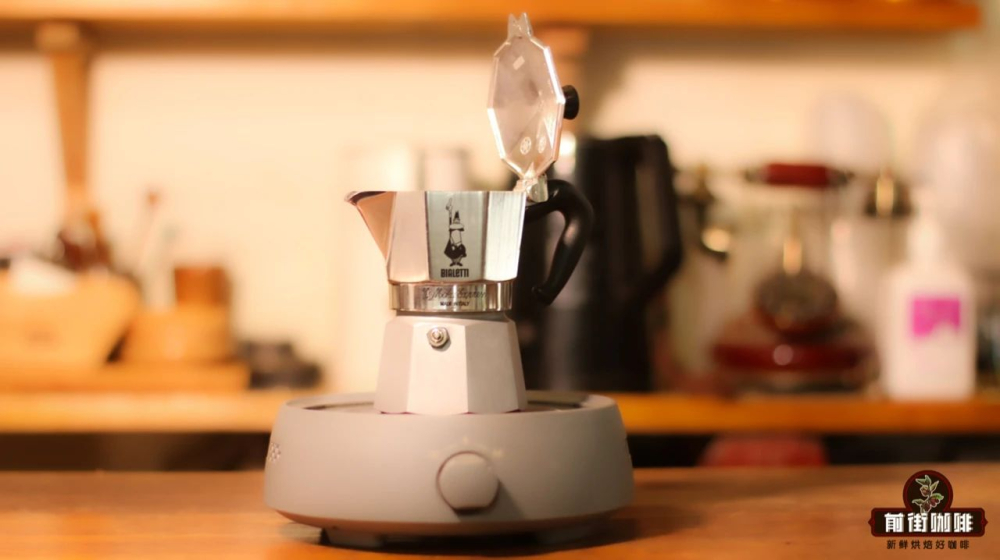

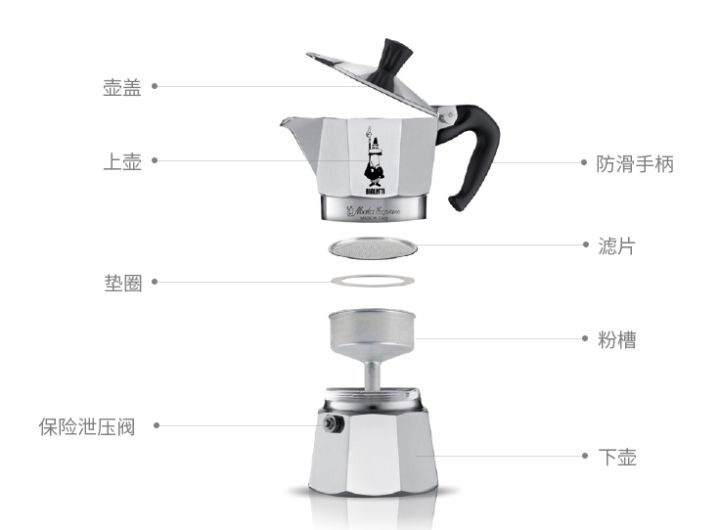
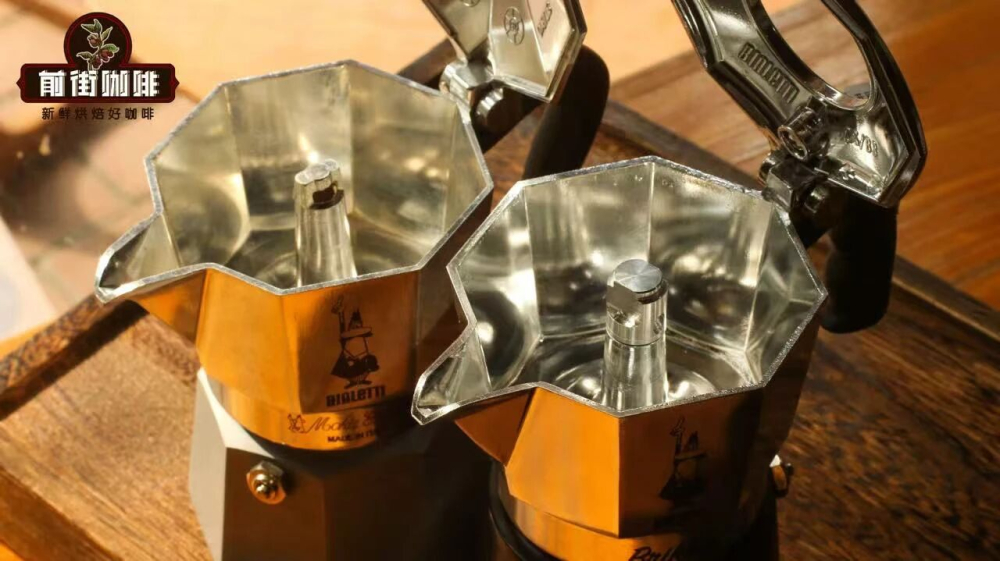
In terms of components, a moka pot mainly consists of the upper and lower chambers, the filter basket, and the gasket. The often-overlooked gasket directly affects brewing success—if not installed correctly, hot steam can cause leaks and even safety hazards. Among the single-valve and double-valve moka pots common on the market, which differ in pressure design, the double-valve model, with its additional upper-chamber pressure valve, can generate higher brewing pressure and thus extract a more concentrated coffee liquid with a distinct crema layer.
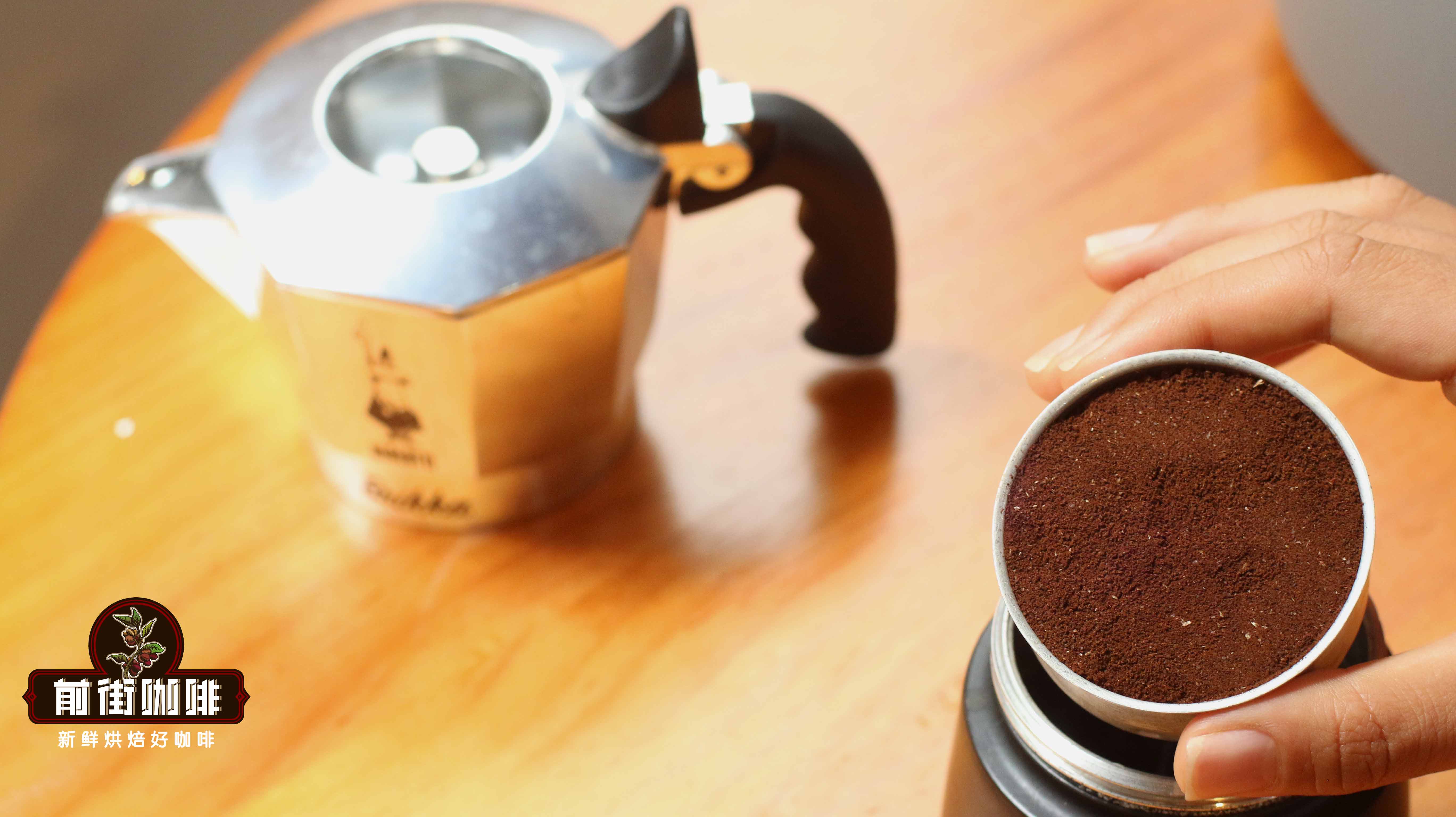
To get crema-rich coffee from a moka pot, focus on three core parameters: the coffee-to-water ratio is recommended at 1:2 to 1:2.5 (i.e., 2-2.5 ml of water per 1 g of coffee grounds, subject to the filter basket capacity; the water level should not exceed the safety valve position in the lower chamber); the grind size should be between fine sugar and fine salt, fine to the touch but retaining a slight granular feel—if the particles are too fine (close to flour), water flow is obstructed, easily causing a clogged outlet or over-extraction, while if too coarse (like coarse sugar), the coffee is under-extracted and hot water gushes out directly.
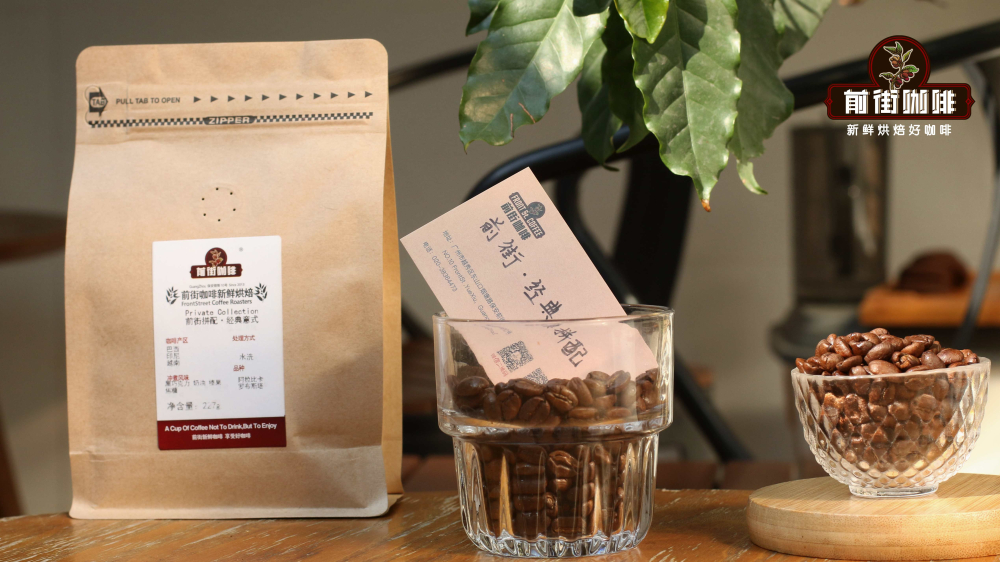
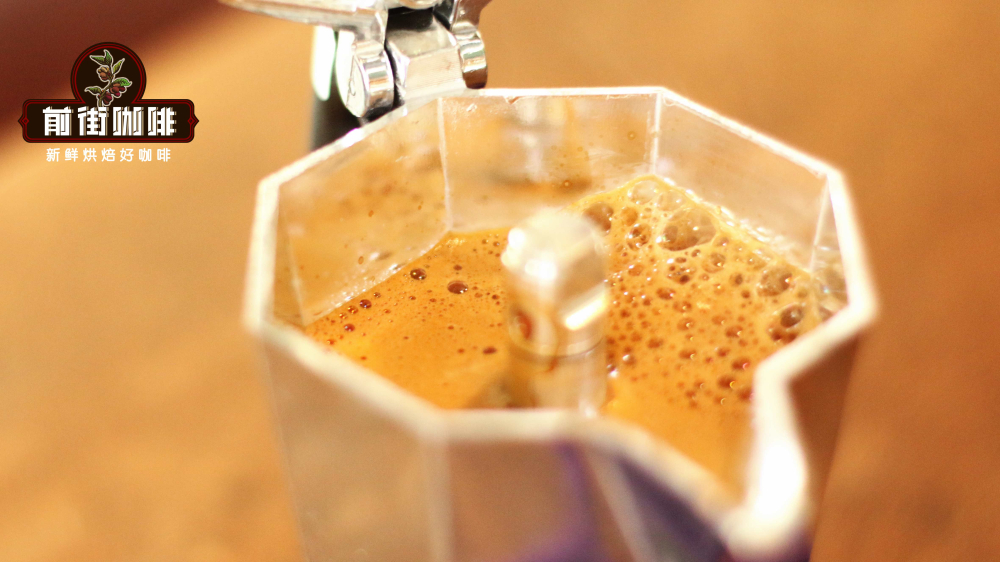
An intuitive way to judge grind size: if no coffee liquid drips within 30 seconds after the first heating, it is most likely that the grounds are too fine and causing a blockage, so adjust to a coarser grind; if hot water rushes out before fully extracting the coffee, the grind is too coarse and needs to be finer. Notably, freshly roasted medium-dark beans (roast level between medium and dark) contain higher carbon dioxide, and after expanding they form a more stable bed structure; combined with the pressure of a double-valve moka pot, this makes it easier to extract a dense crema layer.
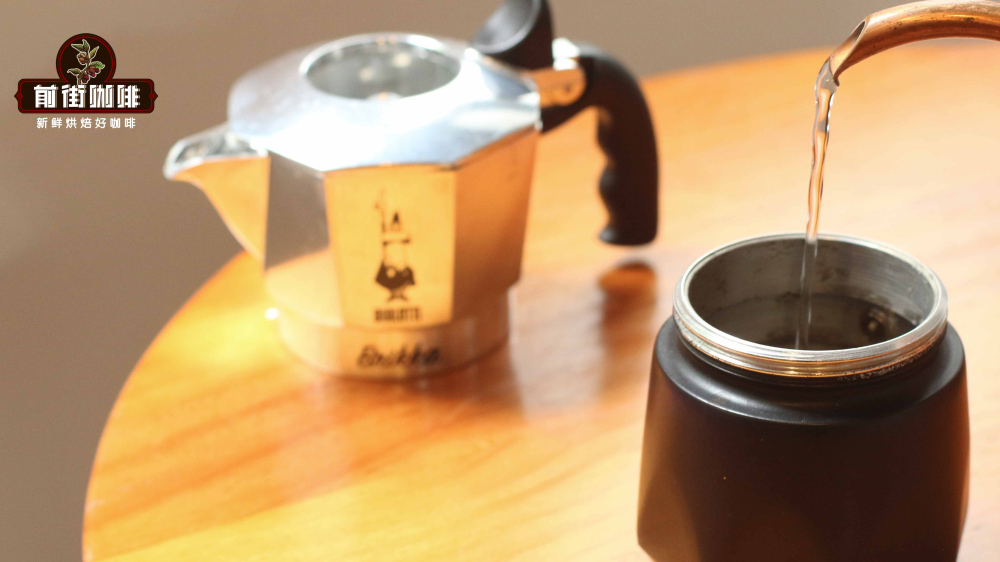
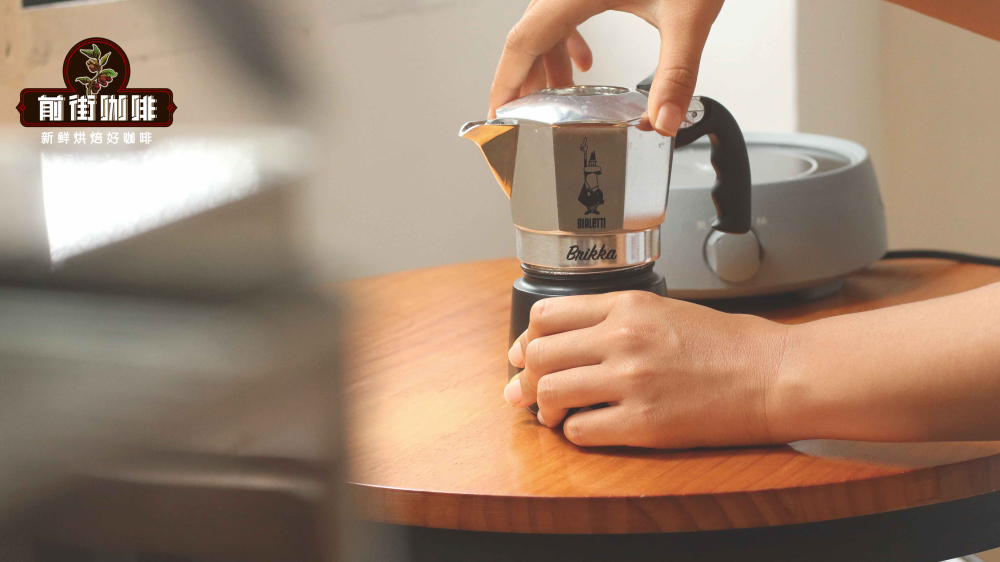
During operation, when filling coffee grounds, simply spread them evenly across the surface of the filter basket and gently level them—never press the coffee bed (over-tamping increases water flow resistance). When filling the lower chamber, watch the water level and be sure it stays below the safety valve to ensure safety. When assembling, make sure the gasket fits tightly against the upper and lower chambers, then gradually tighten the body to avoid air leaks.
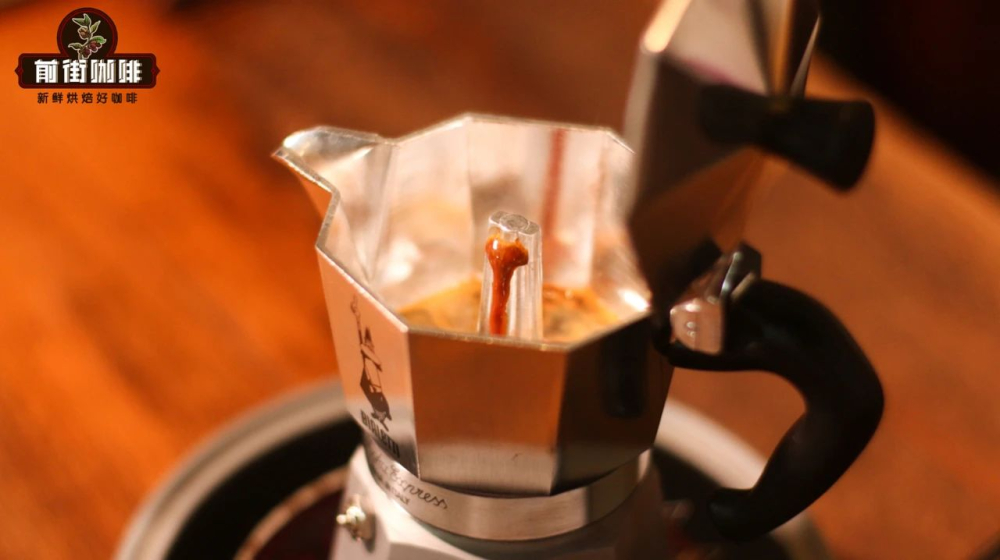
For heating, use medium-low heat (on a gas stove, set to the inner-ring low flame). When you hear a continuous 'gurgling' sound from the pot, it indicates the water in the lower chamber is nearly evaporated, and you should turn off the heat promptly. If no coffee liquid drips after more than 3 minutes of heating, you may be encountering the following faults: ① grind too fine, completely clogging the outlet; ② puck too dense, obstructing water flow; ③ gasket not properly installed, causing air leaks; ④ safety valve stuck by coffee grounds; ⑤ heat too high, causing water to evaporate quickly without full extraction. When troubleshooting, first check grind coarseness and gasket sealing, then observe whether the safety valve is clear.
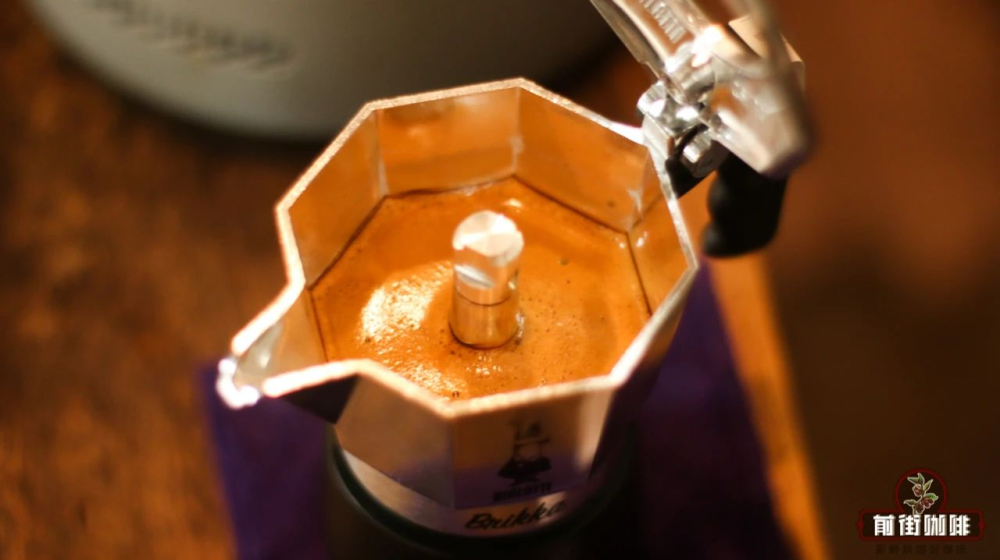
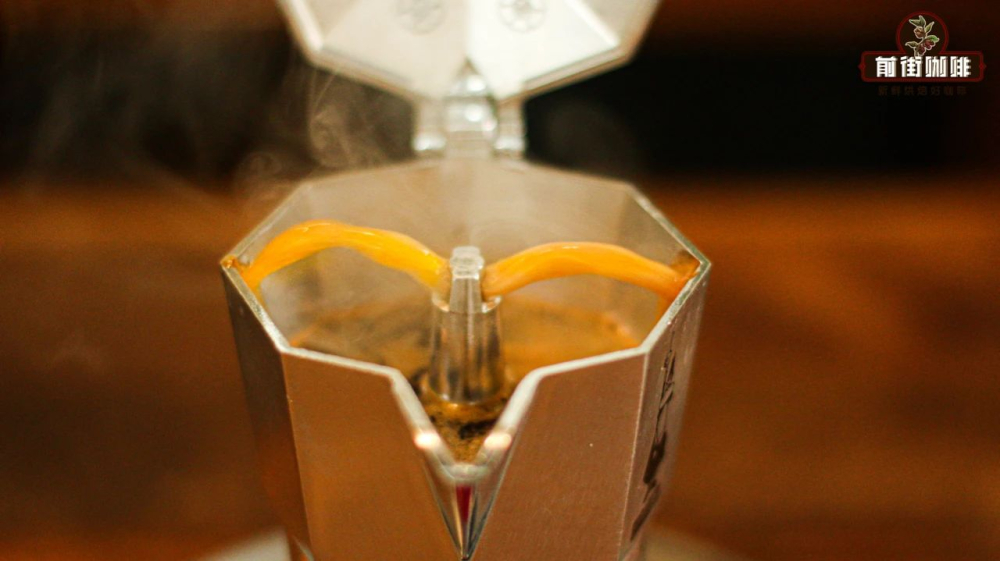
For the sudden situation of 'no coffee liquid', handle it as follows: immediately turn off the heat, let the moka pot cool naturally, then disassemble and inspect. If you find clumps on the puck surface or coffee residue at the outlet, gently clear it with a fine needle (avoid damaging the filter mesh). In daily maintenance, clean the pot promptly after each use, paying special attention to removing residue between the filter basket and the mesh to prevent oil buildup from affecting subsequent extraction.
Once you master these techniques, you can not only solve the basic operational problems of the moka pot, but also adapt parameters to your personal taste—if you like rich crema, choose a double-valve model with medium-dark beans; if you prefer a lighter taste, use a slightly coarser grind and shorten the extraction time. Remember, the charm of the moka pot lies in reproducing the core flavors of Italian coffee with a simple device, and the right operational details are the key to a good cup.