Starbucks Pour-Over Beans and Cold Brew Varieties Guide
Introduction: Want to know which classics are in Starbucks' pour-over lineup? Which distinctive beans does its cold brew use? This article takes a deep look at the origins, variety characteristics and flavor profiles of Starbucks' thirteen core coffee beans—from Yunnan small bean to Sumatra Mandheling, from Guatemalan volcanic beans to Ethiopian Yirgacheffe. It details each bean's altitude, processing method and flavor profile, with practical parameter references for pour-over and cold brew to help you precisely match your taste preferences.
The thirteen core coffee beans at Starbucks stores cover several renowned origins worldwide, including both single-origin beans and classic blends. If you want to try pour-over or cold brew, you first need to understand the basic background of these beans—for example, "House Blend" is a blend, while "Fengwu Xiangyun" is a pure single-origin bean from Yunnan, China. Next, we'll analyze their core information one by one.
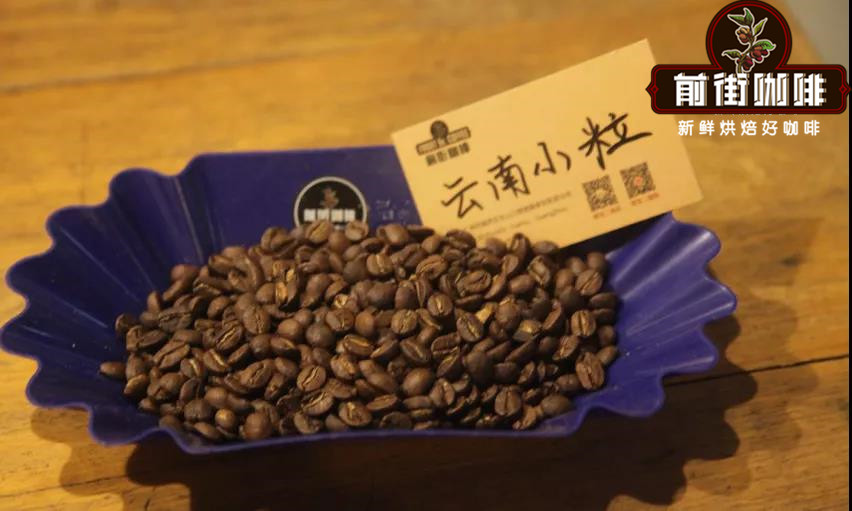
Yunnan, China origin: The representative "Fengwu Xiangyun" and "Decaf Xianglong Blend" both come from Baoshan, Yunnan. This area sits at about 1,200 meters, with mountainous sloping terrain, large temperature swings between day and night, and fertile soil; the main variety grown is Catimor (an Arabica-Robusta hybrid). Its flavor is characterized by prominent nuttiness with herbal, chocolate and caramel notes, and a faint fruity acidity in the finish—full-bodied yet refreshing. The washed processing method further enhances cleanliness and complexity.
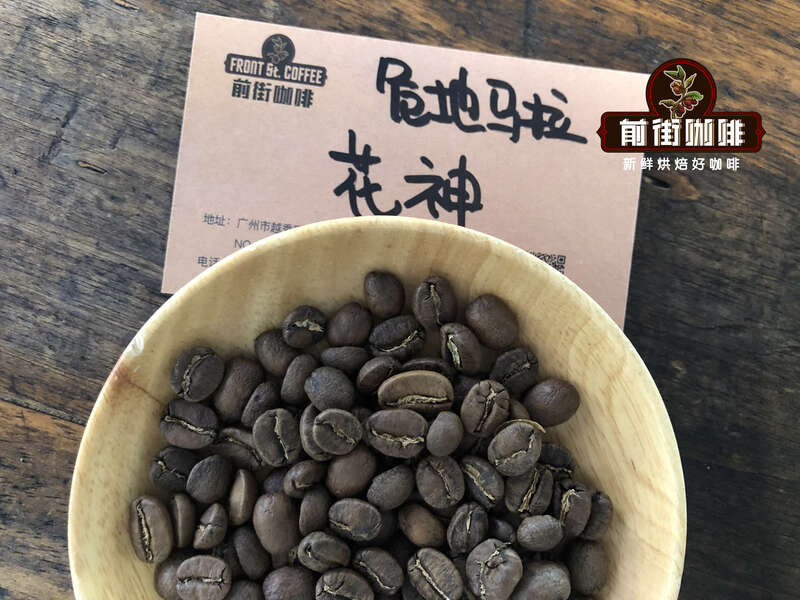
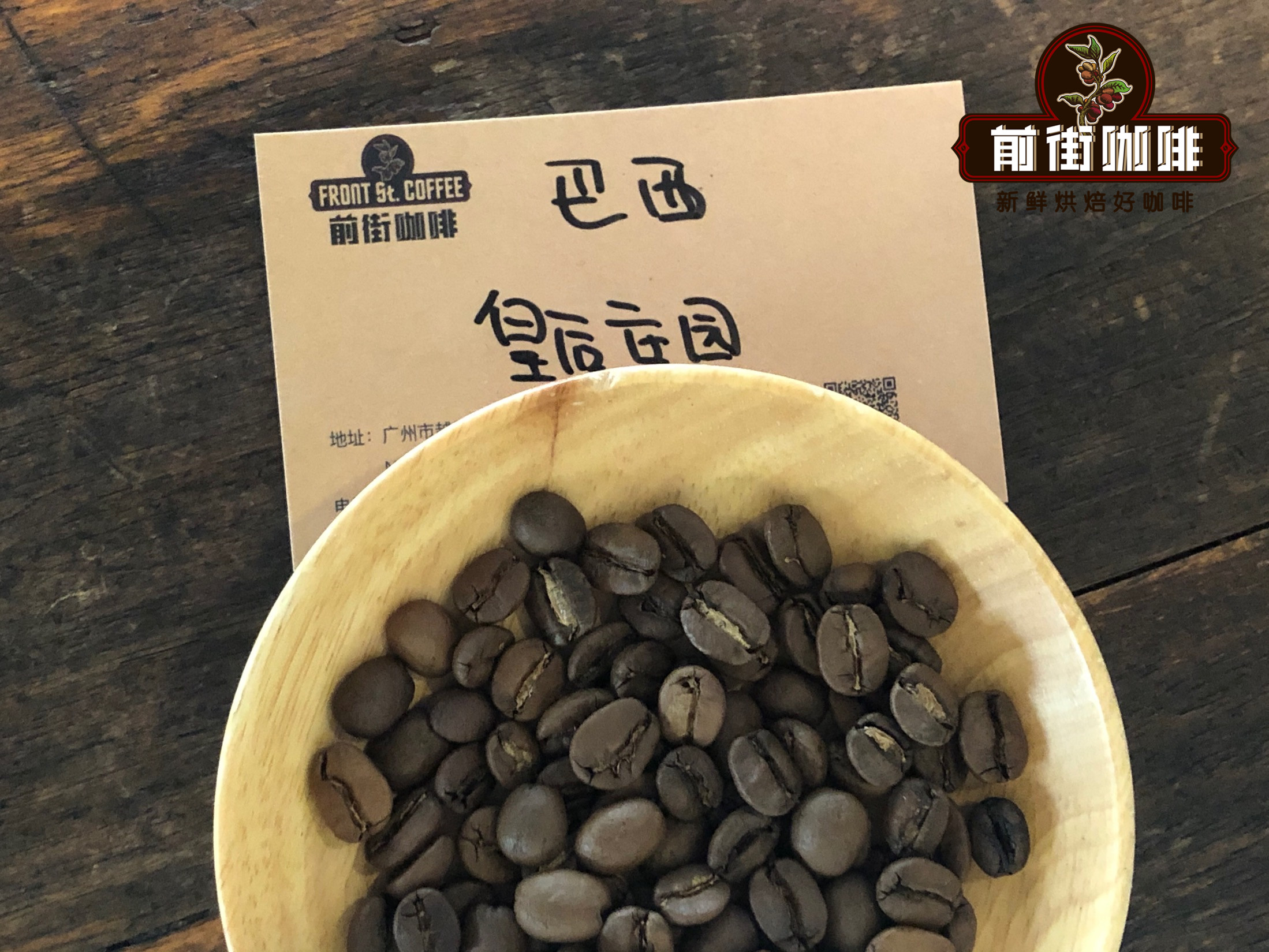
Central American volcanic origins: These include "Pike Place Roast," "Guatemala Antigua," "Colombia" and others. The Guatemala Antigua region sits at 1,200–1,600 meters, with volcanic soil rich in minerals; the cup commonly shows berry acidity, citrus notes and a soft chocolate finish. Colombia's Huila region sits at 1,500–1,800 meters and is mainly planted with Caturra; after washed processing it presents a balanced combination of nuts, dark chocolate and caramel, with soft, smooth acidity. Brazil's lower-altitude region (1,100–1,300 meters) and Queen's Estate Yellow Bourbon variety, processed by semi-dry (pulped natural), bring sugarcane sweetness, black tea flavor and bright nutty notes, with very low acidity and excellent body.
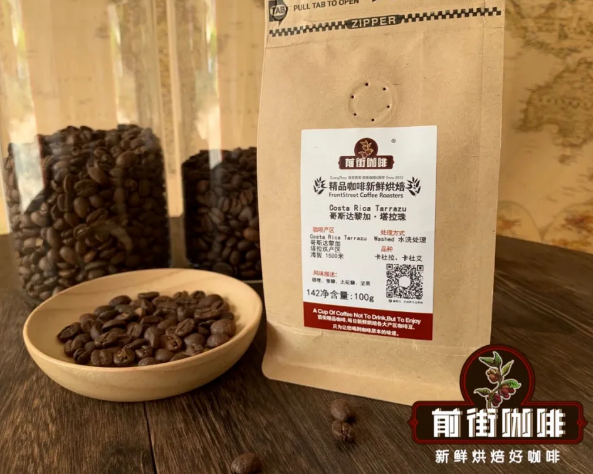
South America and Costa Rica: Costa Rica's Tarrazú region sits at 1,500 meters; Caturra and Catuai varieties are washed and show a sweet orange opening, nuts and chocolate interwoven in the mid-palate, and a long cedar aroma in the finish. Brazilian coffee, due to its flat terrain and sun-dried growing habits, forms a distinctive soft-bean style suited to consumers who prefer low acidity and mellow richness.
Sumatra Mandheling: Both "Sumatra" and "Decaf Xianglong" come from the Lintong region by Lake Toba (1,100–1,600 meters) and use the traditional wet-hulling method. This process lowers acidity and boosts body, yielding a flavor dominated by rich nuts, caramel aroma and chocolate notes, with a long, clean finish. As a core sub-region, Lintong's Mandheling style is classic and consistent.
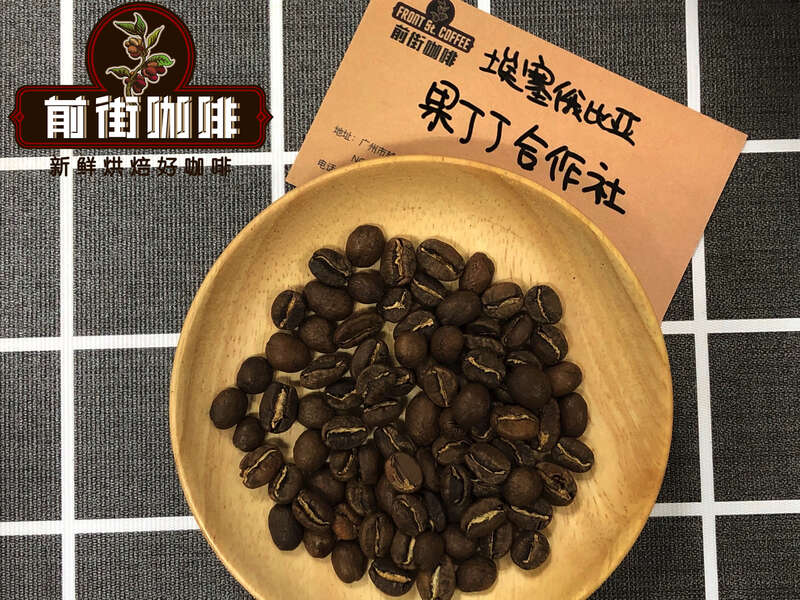
Ethiopia's specialty regions: Yirgacheffe (1,700–2,100 meters) and Sidamo (1,400–2,200 meters) are the country's two benchmark regions. The natural-process beans from Yirgacheffe's Guodingding cooperative (1,900–2,300 meters, Heirloom variety) have a fresh, bright flavor—clear citrus and black tea notes on entry, with cream, caramel and almond sweetness emerging as the cup cools, and extremely high cleanliness. Sidamo is known for its berry-juice character, often using natural processing to intensify fruitiness.
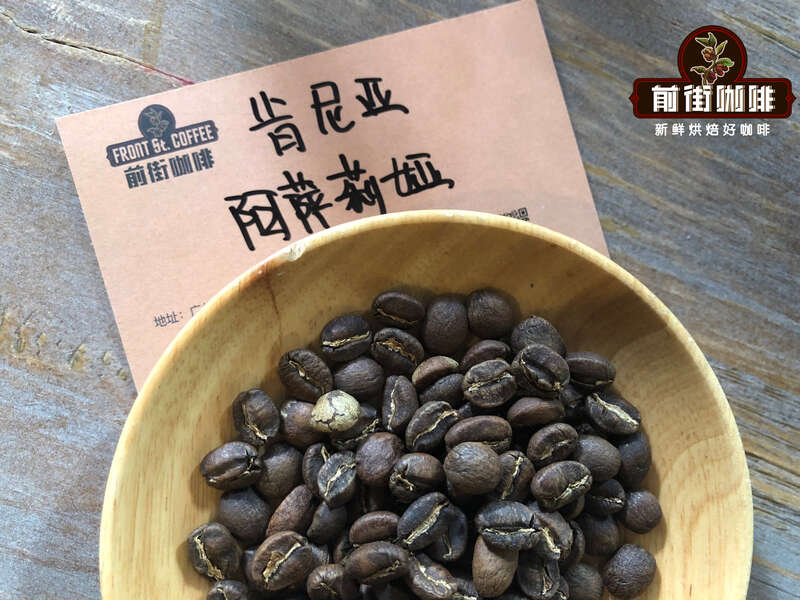
Kenya, Africa: Kenya Azalea coffee beans (Thika region, 1,550–1,750 meters, SL28 and SL34 varieties) use a 72-hour washed process, highlighting intense acidity of dark plum and cherry tomato, with a full, juicy sweetness in the mid-palate; the finish blends berry aroma, yellow sugar sweetness and green tea notes—complex and highly distinctive.
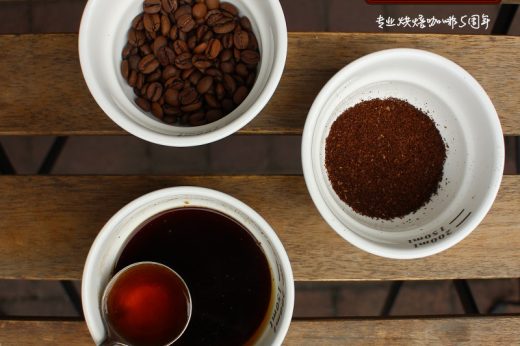
Cold brew bean recommendations: Cold brew generally calls for beans with low acidity, high body and stable flavor. Starbucks' cold brew line is mostly based on dark-roasted blends from Brazil, Colombia and similar origins; after medium-dark roasting, these beans are dominated by cocoa, nut and caramel flavors with very little astringency and can withstand long low-temperature extraction without easily developing off-flavors. If making cold brew at home, choose medium-dark roasted single-origin beans from similar regions, grind slightly coarse (similar to French press), use a coffee-to-water ratio of 1:8 to 1:10, and steep refrigerated for 12–16 hours.