Starbucks Pour-Over Coffee Beans: Filters and Pouring Techniques
Introduction: Want to know about the types and characteristics of the beans used in Starbucks pour-over coffee? This article takes an in-depth look at the types of pour-over filter cups commonly used by Starbucks, the key points of the center-pour method, and the extraction principles and flavor performance of different filter cups. It will also share practical brewing parameters and flavor descriptions to help you better understand and try the unique style of Starbucks pour-over coffee.
In the process of exploring pour-over coffee, many enthusiasts notice that the pour-over filter cups used by Starbucks differ noticeably from the styles commonly seen in specialty coffee shops. Their filter cup shapes and pouring methods have their own characteristics, and especially that seemingly simple yet stable center-pour method has sparked curiosity among many coffee lovers. So which pour-over coffee beans does Starbucks actually use? And what design principles do its filter cups follow? Let's analyze this in detail below.
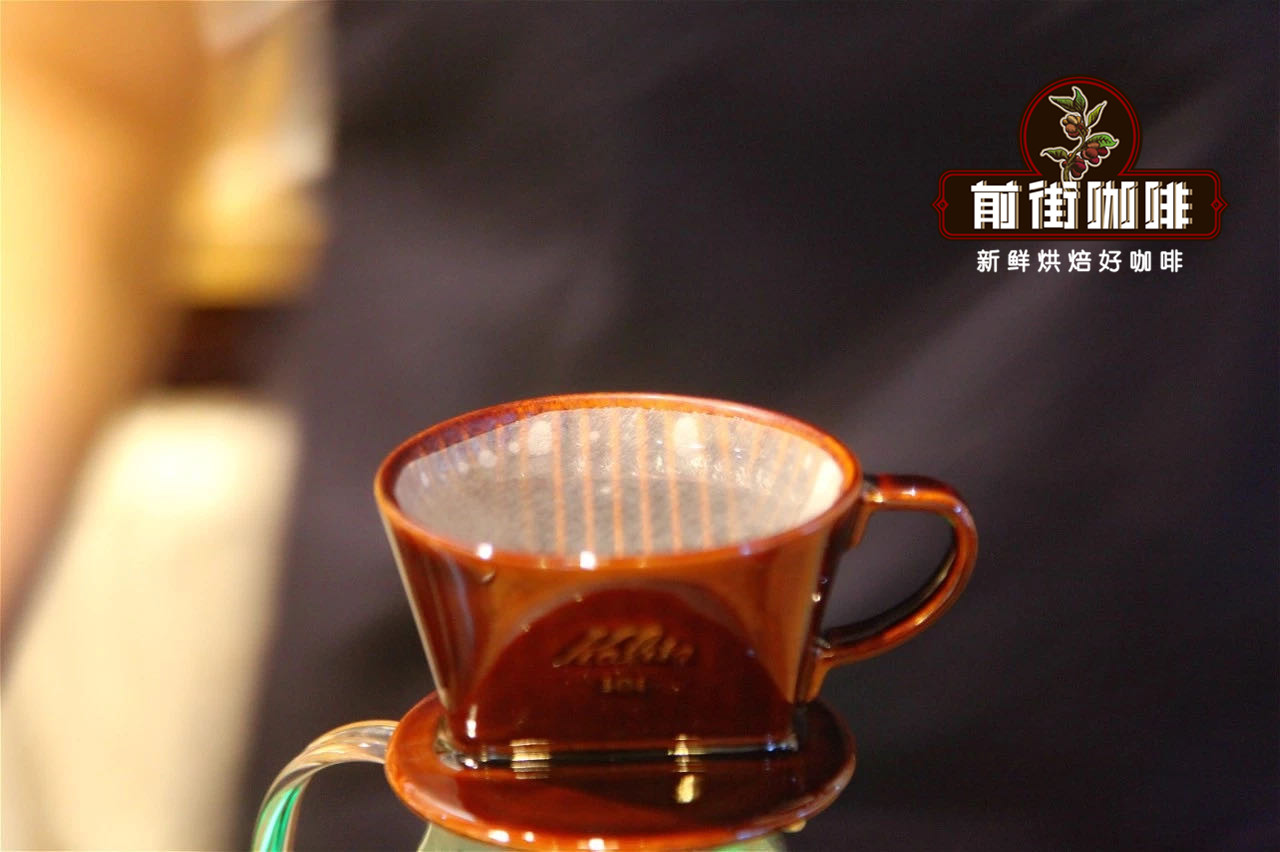
One classic filter cup commonly used by Starbucks is the trapezoid design, similar to the structure of the Melita filter cup. The biggest feature of this filter cup is its use of a single-hole outlet, combined with a special filter cup tilt angle, which concentrates the water flow and makes the flow rate relatively slow. The bottom of the filter cup uses a straight-line rib design, which can effectively prevent the coffee grounds from pressing downward after absorbing water and expanding and blocking the outlet. In addition, the dense rib structure on the inner ring of the filter cup helps release hot air and maintain air circulation, thereby making coffee extraction more stable.
This trapezoid filter cup usually uses an immersion extraction method, with a slow flow rate and long contact time, so it can better bring out the coffee's rich mouthfeel and full body. Especially when paired with Starbucks' darker-roast-style coffee beans, it can further highlight the coffee's intensity and caramelized flavors.
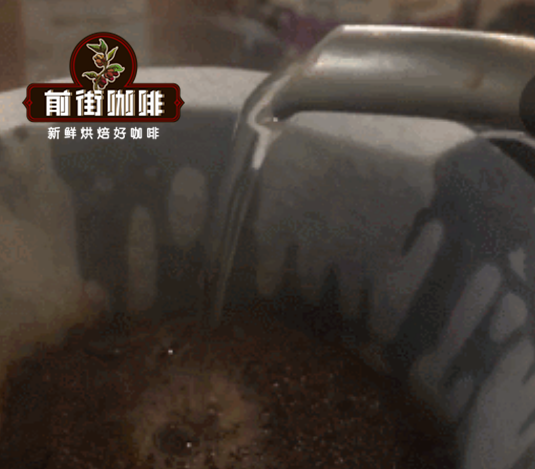
Among Starbucks' pour-over methods, the center-pour method is common. The specific operation is: after completing the bloom, during the second pour, first use a small stream of water to circle from the inside outward so that all coffee grounds are evenly moistened, then return to the exact center of the filter cup and continue pouring in a fixed spot with a small stream until finished. This method allows the coffee grounds to form regular tumbling in the filter cup, which helps with even extraction. However, because the pouring is concentrated in the center, compared with circular pouring, this method has a slightly lower body, but paired with the slow-flow trapezoid filter cup, it just forms a complement, improving the overall extraction balance.
Besides the Melita filter cup, there is another classic trapezoid filter cup on the market improved from Melita—the Kalita filter cup. The Japanese company Kalita introduced this design in 1959, originally to improve the problems of single-hole filter cups being prone to clogging and having unstable flow rates. The Kalita filter cup changed the original single hole to a three-hole outlet, greatly reducing the risk of clogging while improving extraction stability.

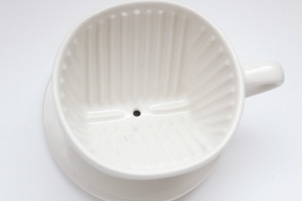
The Kalita filter cup is also trapezoid in appearance, but from the side it presents a wide top and narrow bottom design, with a circular top; this structure helps coffee grounds distribute evenly and reduces clumping. The inner wall of the filter cup is provided with dense and evenly arranged straight-line ribs. These ribs can effectively increase air circulation and water flow speed while slowing the overall flow rate, making coffee extraction lean more toward immersion, thereby bringing a richer body and layering. Compared with the traditional single-hole Melita filter cup, Kalita's three-hole design solves the problems of overly slow flow and easy off-flavors, making it more suitable for beginners.
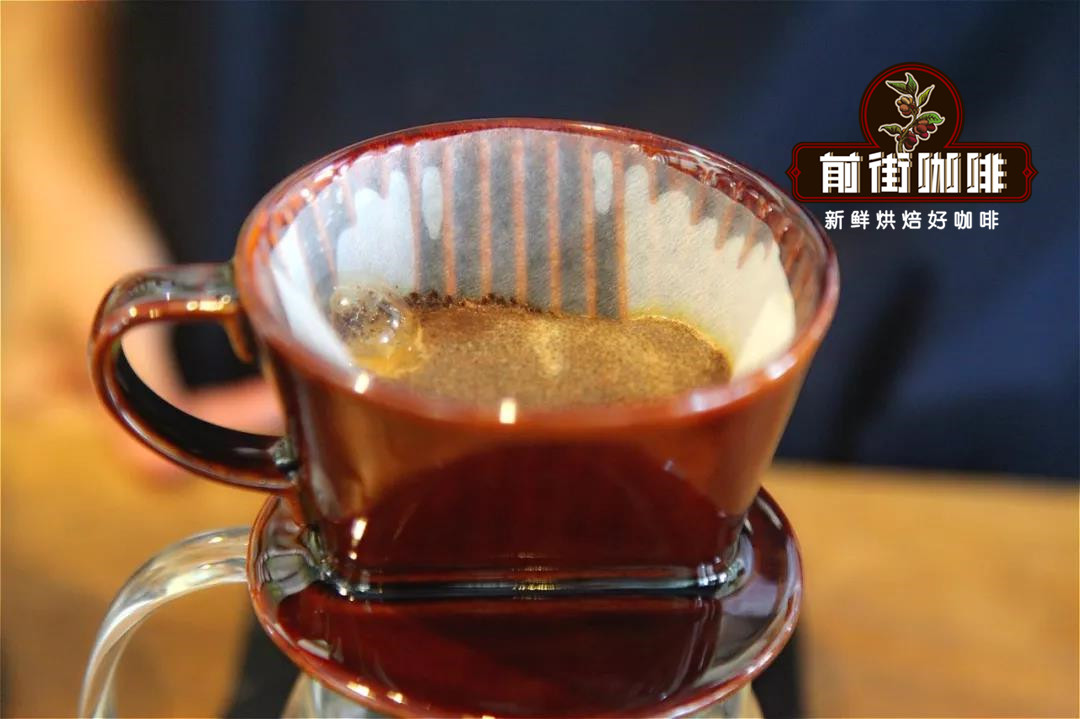
For beginners who have just encountered pour-over coffee, the Kalita filter cup is a very friendly choice. Its three-hole outlet design gives a moderate water flow rate; even if pouring skills are not yet proficient, it can still achieve relatively even and sufficient extraction, and the final flavor is not easily affected by water flow being too strong or too weak. In addition, the bottom of the filter cup is a flat design, and the water first gathers before flowing out through the three holes. As long as the pouring position is controlled well, obvious uneven extraction generally will not occur. For those who are not very good at using a stirring rod to assist extraction, it is recommended not to grind too fine, to avoid over-extraction.
In actual use, the flow rate in the final stage of the Kalita three-hole filter cup is slower, and the overall extraction rate is better than that of filter cups such as V60 and KONO, making it suitable for coffee enthusiasts who pursue stable flavor and simple operation.
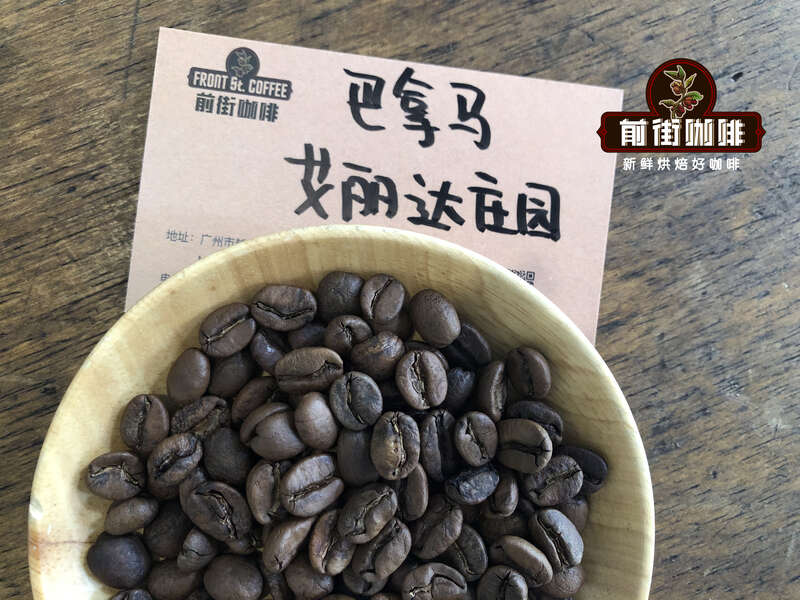
If you want to try a brewing method at home similar to Starbucks pour-over coffee, you can refer to the following parameters: choose coffee beans from the Boquete region of Panama, Elida Estate, using the natural processing method, at an altitude of about 1,650 meters. It is recommended to grind to a medium-coarse degree, similar to the size of granulated sugar, that is, a proportion passing through a No. 20 sieve of 70%-75%. Control the water temperature at 90°C, use a coffee-to-water ratio of 1:15, and a recommended dose of 15 grams.

The specific brewing steps are as follows: first pour 30 grams of water in a center-pour manner for the bloom, for about 30 seconds; then slightly increase the water flow and continue center-pouring to 125 grams, then pause briefly; when the water level drops and is about to expose the coffee bed, pour again in a small center stream to 225 grams, and finally remove the filter cup to end extraction. The total time is about 2 minutes. Coffee brewed this way usually has fermented fruit aromas; on the palate you can feel the rich flavors of chocolate, hazelnut, and almond, accompanied by the sweet-and-sour layers of orange, citrus, plum, and grape. The overall flavor is refreshing and clean, very suitable as an everyday pour-over experience.