Choosing Pour-Over Coffee Grind Size: Grind and Flavor Explained
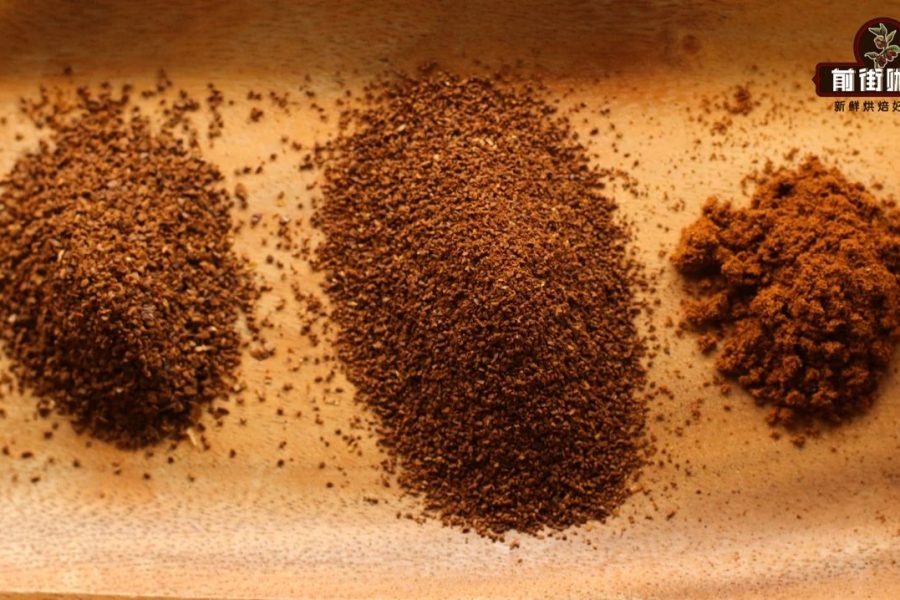
Introduction: The flavor of pour-over coffee is closely tied to the grind size of the coffee grounds. Many coffee enthusiasts feel their home brews never taste quite right but can't pinpoint why. This article explains the ideal grind range for pour-over coffee, shows you how to judge whether your grind is suitable, and analyzes the causes and solutions for common extraction problems such as bitterness and off-flavors. Mastering these techniques will let you adjust grind parameters more precisely and improve the quality of your pour-over coffee.
Many coffee enthusiasts share this confusion: they follow the steps exactly, yet the pour-over coffee always falls short. The problem may well lie in the grind size. Once coffee beans are ground, it is hard to distinguish the distribution of particle sizes with the naked eye. Professional testing has found that in what looks like evenly ground coffee, the difference between the largest and smallest particles can exceed 0.6 mm.
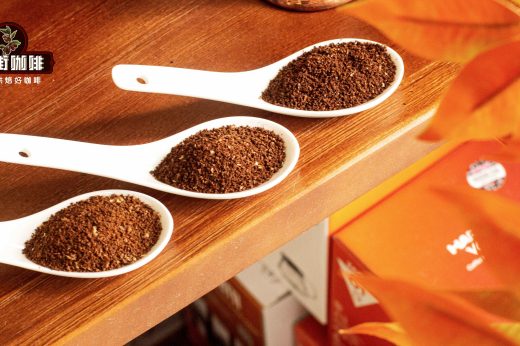
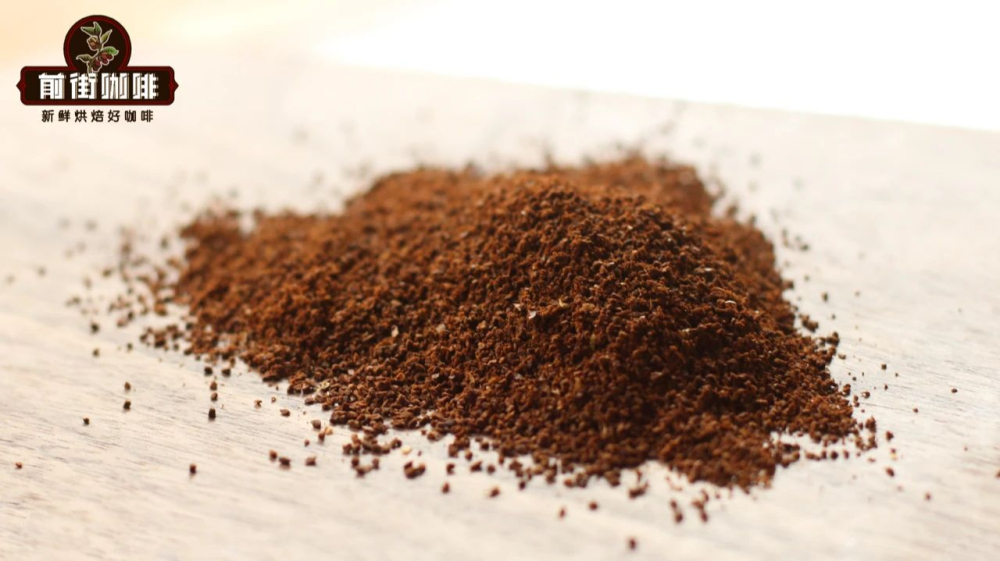
We can classify coffee grounds by particle size: particles larger than 0.85 mm are coarse, and those smaller than 0.25 mm are extremely fine powder. If these two extreme fractions exceed 40% of the total, they will significantly affect the performance of pour-over coffee. Ideally, about 70% of the grounds from a light-roast coffee bean should fall in the 0.6 to 0.85 mm range, and the more uniform the particle size distribution, the better.
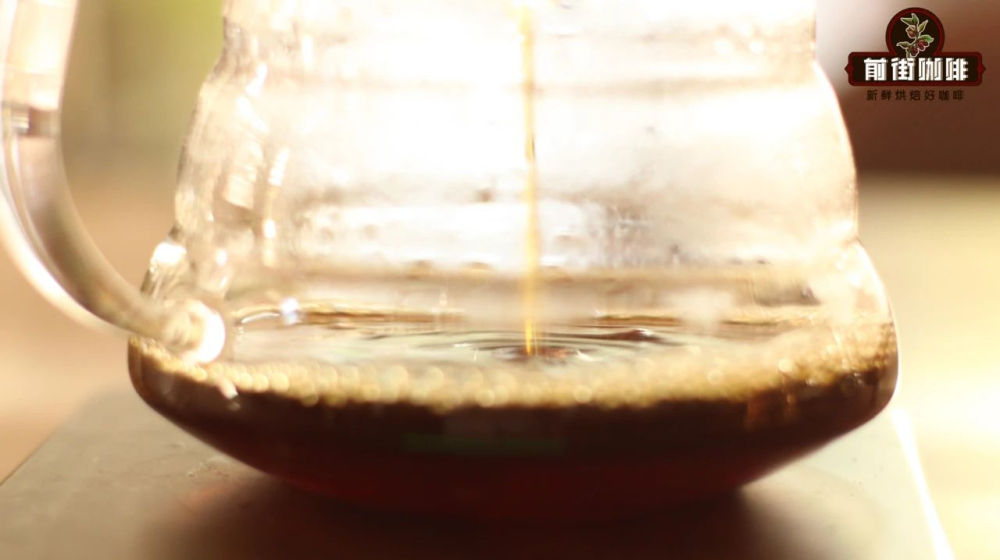
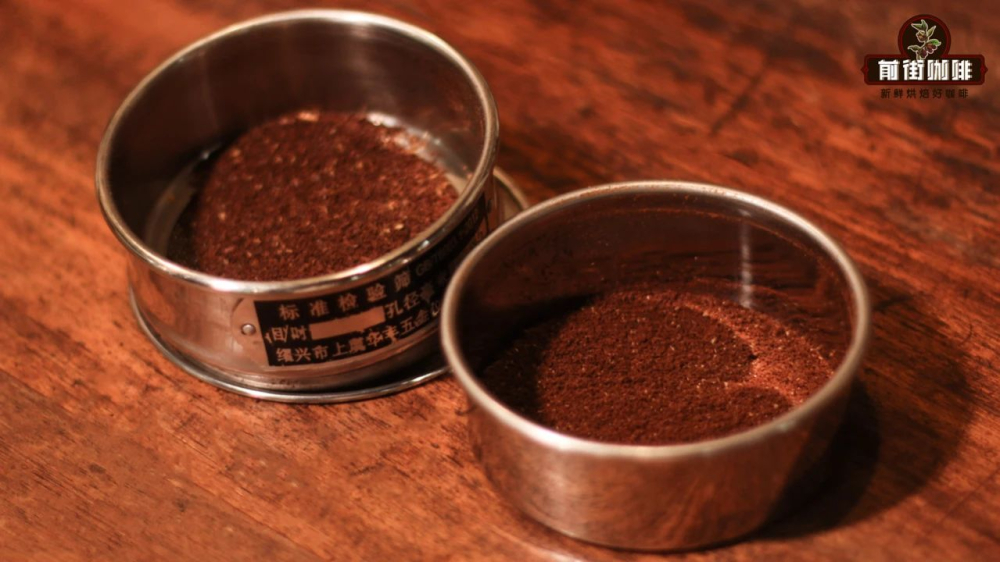
For ordinary enthusiasts, how do you judge whether your grind is suitable? A simple test with the national standard No. 20 standard sieve (0.85 mm aperture) is recommended. For light-roast coffee grounds, a pass-through rate of 75%–80% is appropriate. Observing the extraction time can also provide a reference: with 15 grams of coffee grounds, a normal brew time should be between 1 minute 50 seconds and 2 minutes 20 seconds. If it clearly exceeds this range, the grind may be too fine; if the water pours too fast and the time is too short, the grind may be too coarse.
Bitterness or off-flavors in pour-over coffee are usually related to the following common mistakes. First is too many fines: these tiny particles easily cause over-extraction, so it is recommended to sieve out particles smaller than 0.25 mm. Second is the pouring technique: an uneven stream (such as a tilted stream or too large an arc) causes localized over-extraction and under-extraction, so practice keeping the stream vertical and steady.
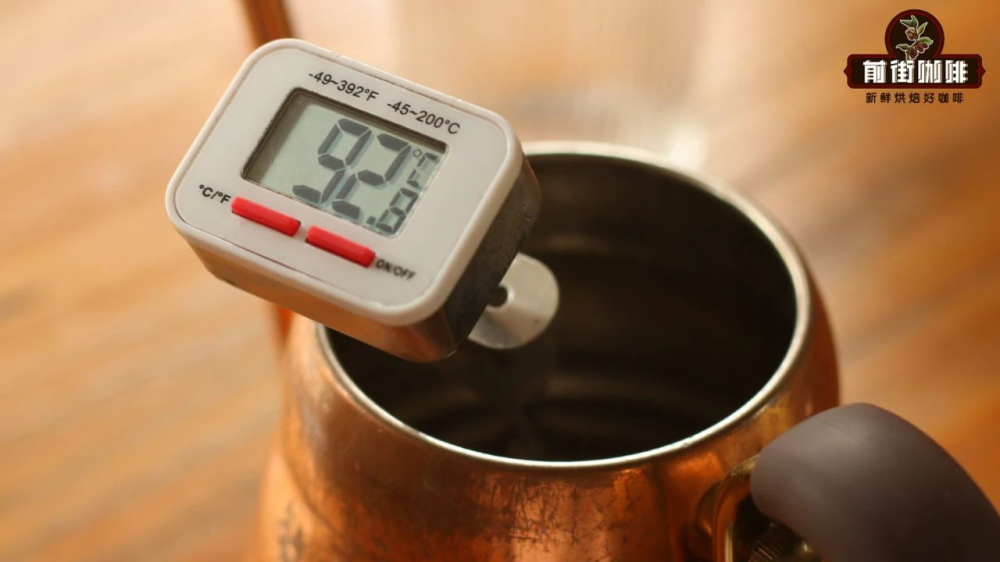
The bloom stage is equally key. Too long a bloom (keep it within 30 seconds) will release more bitter and off-flavors during the final stage of extraction. But also avoid an incomplete bloom: leftover dry coffee grounds will cause uneven extraction later. In addition, stirring too vigorously can disrupt the structure of the coffee bed and may cause unnecessary mixing of aromas. Water temperature control should not be overlooked either: light-roast coffee is best brewed with 90–93°C water, while medium-dark roast suits 86–89°C; an improper temperature directly leads to over-extraction or under-extraction.
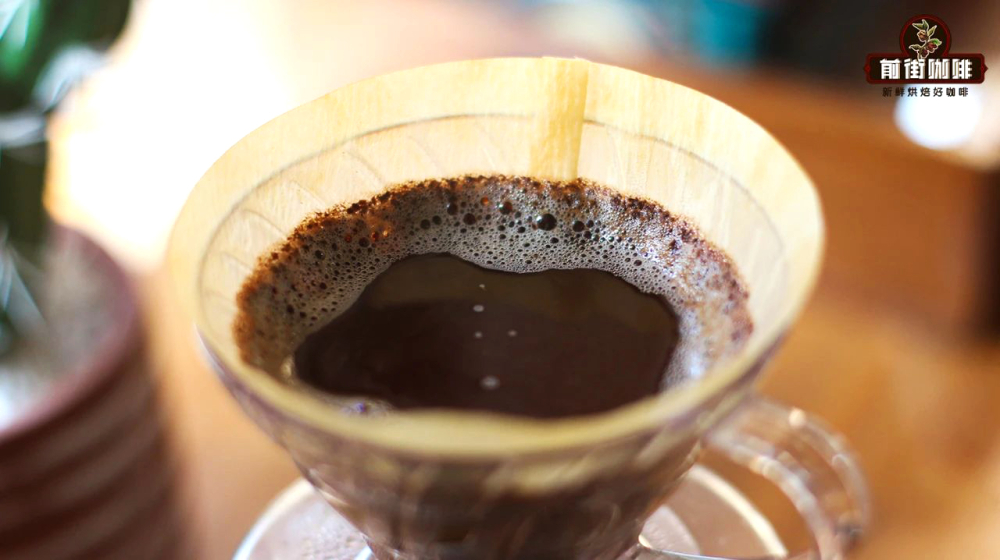
Once you understand these influencing factors, you can adjust your brewing plan more deliberately. For example, if the coffee tastes bitter, try a coarser grind or a lower water temperature; if it tastes sour and astringent, consider a finer grind or a slightly higher water temperature. Remember, the ideal grind should keep particle sizes relatively concentrated, which ensures even extraction and fully brings out the coffee's flavor layers.
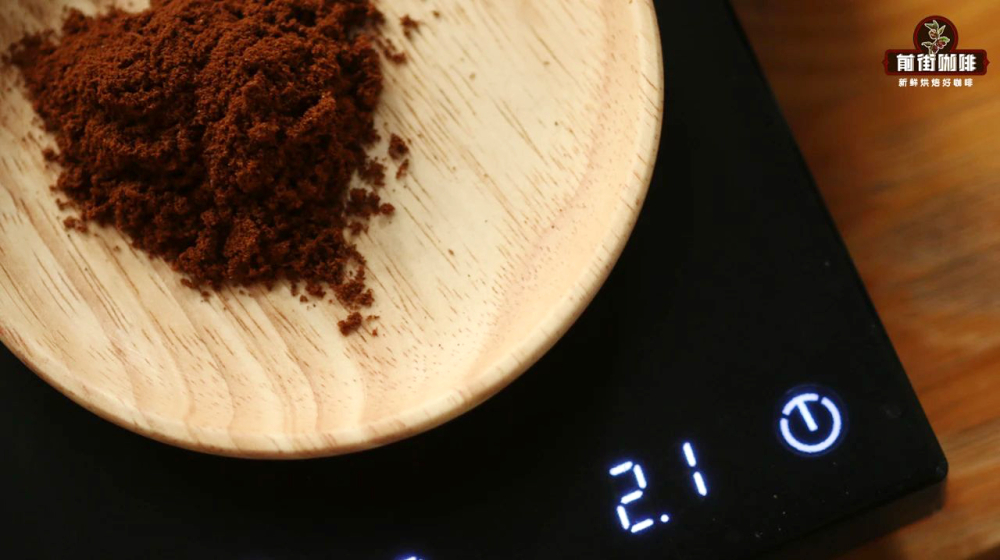
In practice, it is recommended to keep a simple sieve tool to check your grind results and to record the parameter combinations of each brew (including grind size, water temperature, time, etc.). Through repeated comparison and adjustment, you will gradually find the brewing plan that best suits your taste. The charm of pour-over coffee lies in this finely controllable process; master the fundamental step of grinding, and you will lay a good foundation for the brewing that follows.
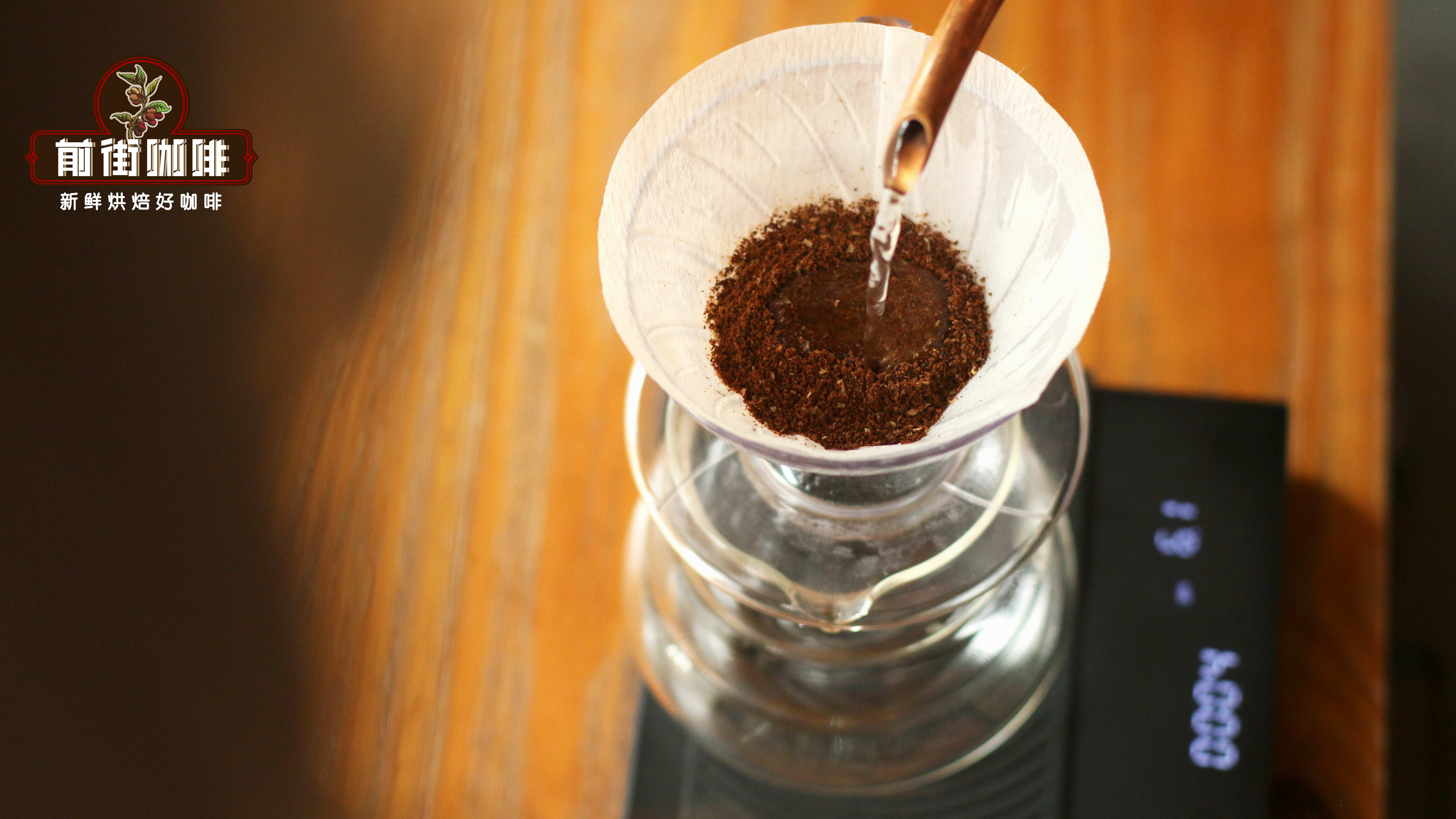
One final reminder: coffee beans from different origins and with different roast levels may require slight adjustments to grind parameters. For example, harder beans may need a slightly finer grind to ensure sufficient extraction, while softer beans suit a slightly coarser grind. When adjusting parameters, keep the other variables consistent so you can judge the effect of grind changes more accurately. Through systematic trial and record-keeping, your pour-over skills will improve noticeably.