Panama Boquete Coffee Region: Butterfly Geisha Flavor and Brewing Guide
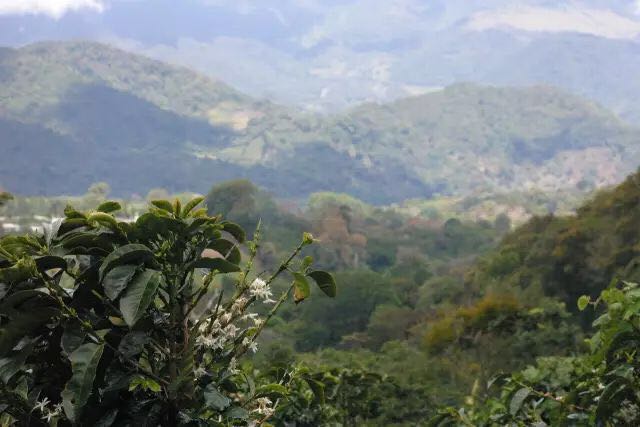
Introduction: Panama's Boquete region, with its volcanic soil and unique microclimate, produces world-famous specialty coffee, and Hacienda La Esmeralda's Geisha is an industry benchmark. This article takes an in-depth look at Butterfly coffee beans from the same region—how this blend with Geisha lineage balances value and distinctive flavor. From the growing environment to processing, and on to professional pour-over parameters and flavor characteristics, this guide gives you a complete understanding of this popular coffee bean's secrets.
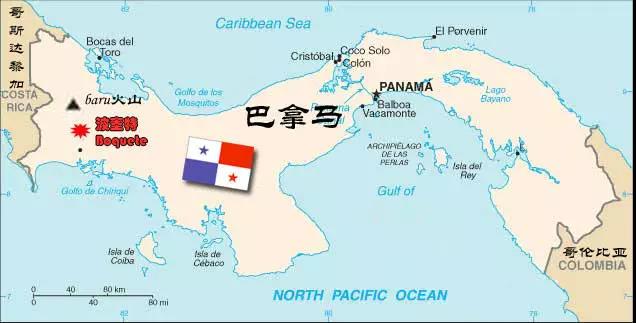
As a major coffee-producing country in Central America, Panama's coffee industry is known worldwide for meticulous cultivation management and distinctive regional flavors. Boquete town, in Chiriquí Province in western Panama, sits on the highlands around Barú Volcano. It is not only home to Hacienda La Esmeralda but also a core region for top-grade coffee beans thanks to its exceptional geographical conditions.
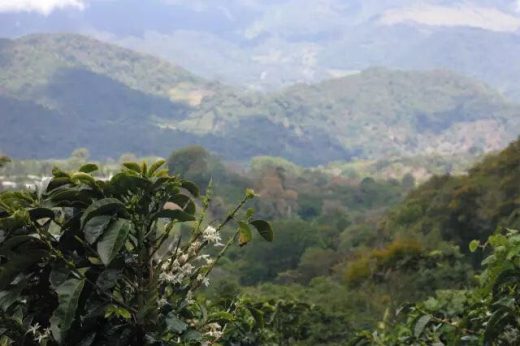
The Boquete region borders Costa Rica, with elevations generally above 1,500 meters. The volcanic ash soil formed by Barú Volcano eruptions is rich in minerals such as potassium and phosphorus. Combined with abundant rainfall averaging over 2,000 mm per year and a significant diurnal temperature difference of more than 10°C, it provides an ideal growing environment for coffee trees. More unusually, influenced by air currents from the Andes, the area forms multiple microclimate zones, allowing coffee farms at different elevations to produce fruit of distinct styles yet consistent quality.
Besides the famous Hacienda La Esmeralda, farms such as Elida Estate and Kotowa Duncan also have roots here. What these farms share is a combination of traditional farming wisdom and modern technology: strictly controlling shade-tree density to ensure balanced light, using organic compost to maintain soil vitality, and hand-picking to ensure consistent fruit ripeness.
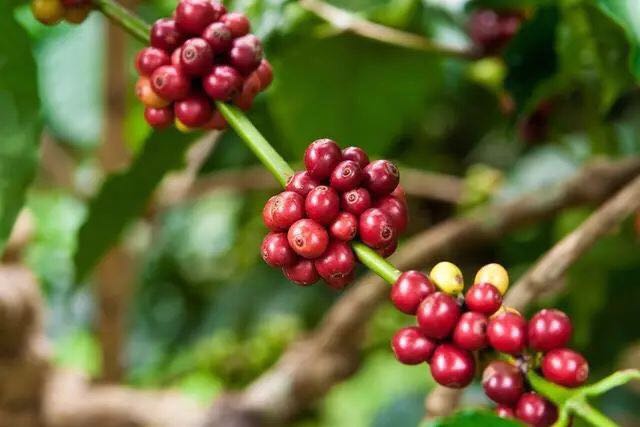
Among the many high-quality varieties, Butterfly stands out for its accessible price and distinctive flavor combination. This coffee, grown on a farm at 1,600 meters in the Barú Volcano area, is a mix of 40%-50% Geisha genetics with Caturra and Catuai varieties. Although the name carries a "butterfly" image, its special background comes from early farms planting the three varieties together to improve efficiency, ultimately forming a distinctive single-origin blended coffee.

Its processing uses Panama's characteristic refined washed method: after picking, the coffee cherries undergo three rounds of manual sorting to remove unripe fruit and defects; they are then fermented in mountain spring water pools for 24-36 hours to remove the mucilage layer, with water temperature strictly controlled at 18-22°C throughout to prevent excessive breakdown. The drying stage uses African raised beds, with 3-4 turnings per day to ensure even dehydration, with final moisture content stabilized at around 11%.
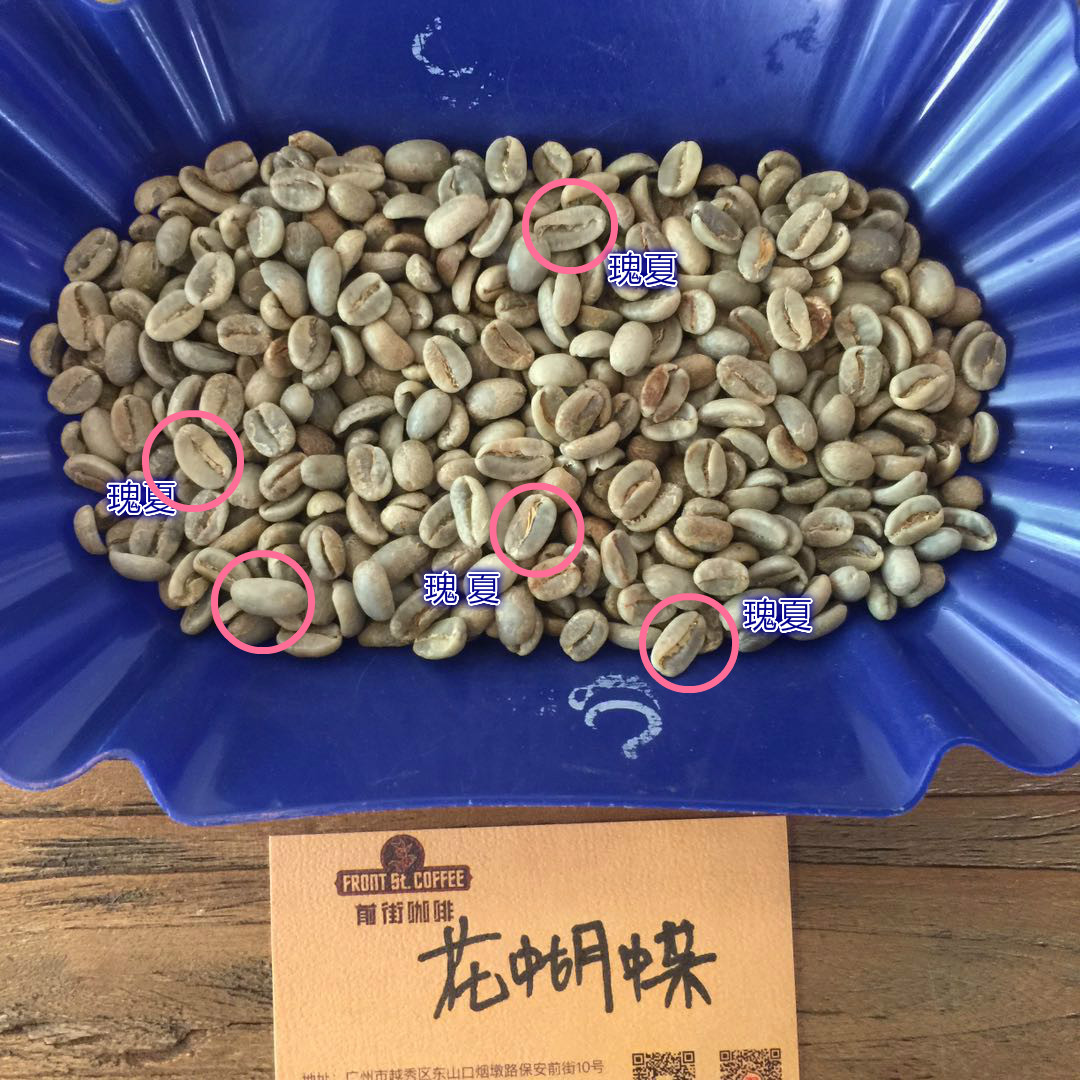
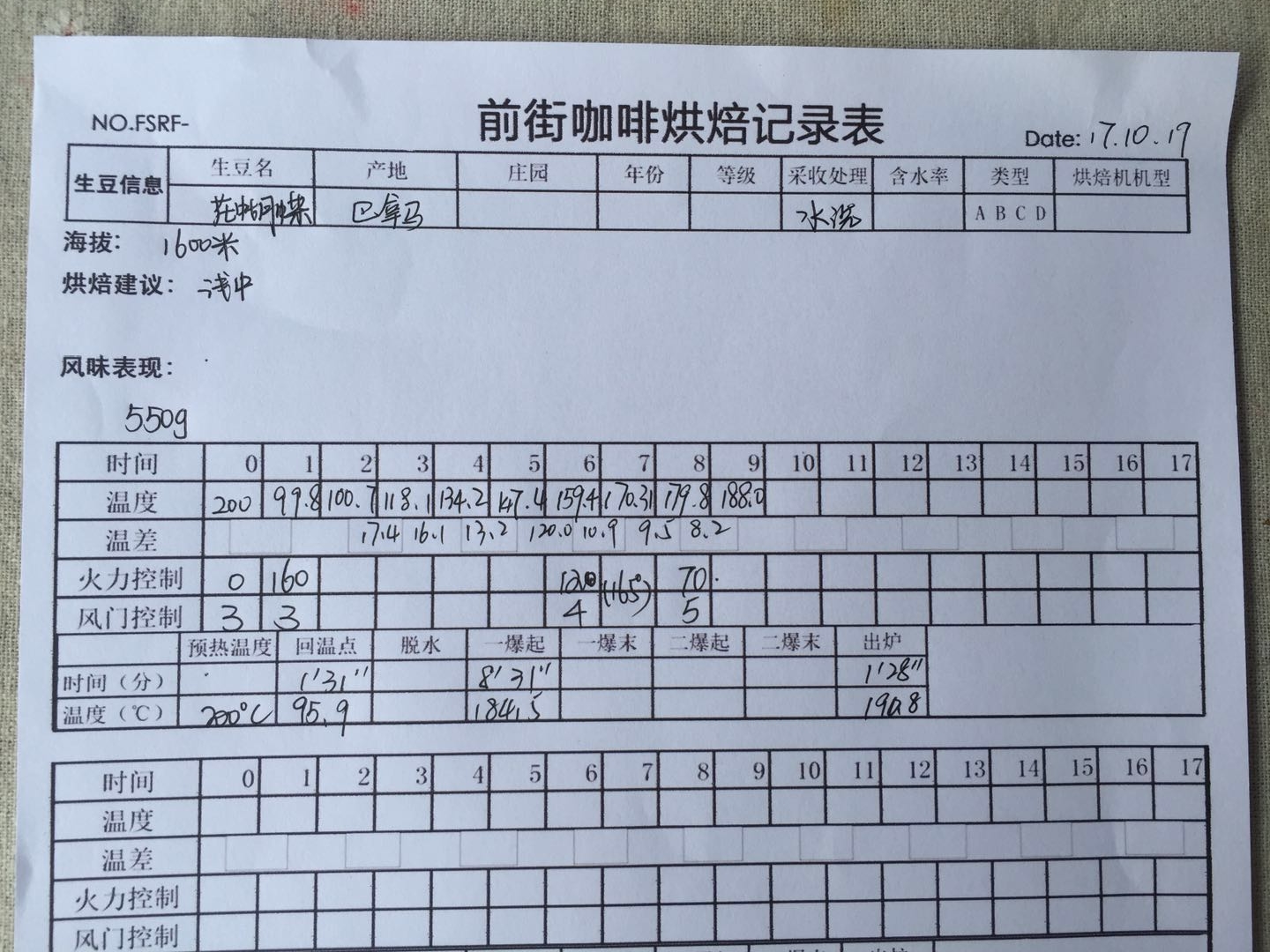
From a roasting perspective, a medium-light roast (Agtron about 65-70) is recommended to highlight its floral and fruity character. In practice, note the following: set the charge temperature at 200°C and use high heat to quickly remove moisture (rising to 160°C in 1-9 minutes); before first crack, lower the heat to medium-low (maintaining a rate of rise of 1°C per minute), and when the temperature reaches 184.5±0.5°C it enters the first-crack stage, at which point the bean surface color should be closely observed, usually completing the roast before the dense point of first crack (about 192°C) to preserve the jasmine aroma and citrus acidity that are hallmarks of Geisha.
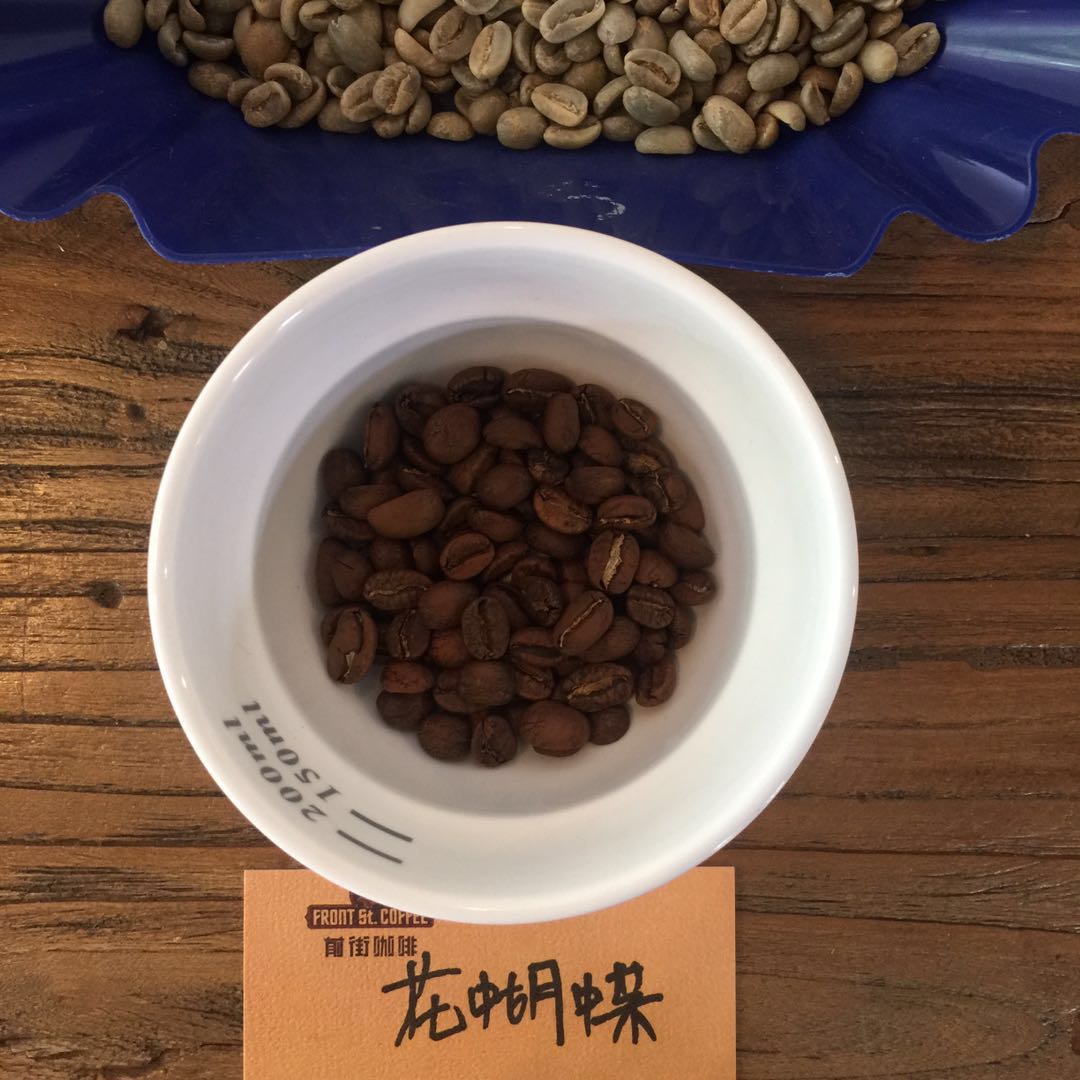
Cupping data (SCA standard cupping method) shows: the wet aroma presents a clear blend of citrus and jasmine; on the palate, peach and white grape sweetness dominate, accompanied by a caramel and honey finish; the acidity is bright but not sharp, and the overall body is medium to medium-high. Notably, the tea-like quality brought by the Geisha genetics (similar to high-mountain black tea) allows it to retain its flavor layers even after cooling.
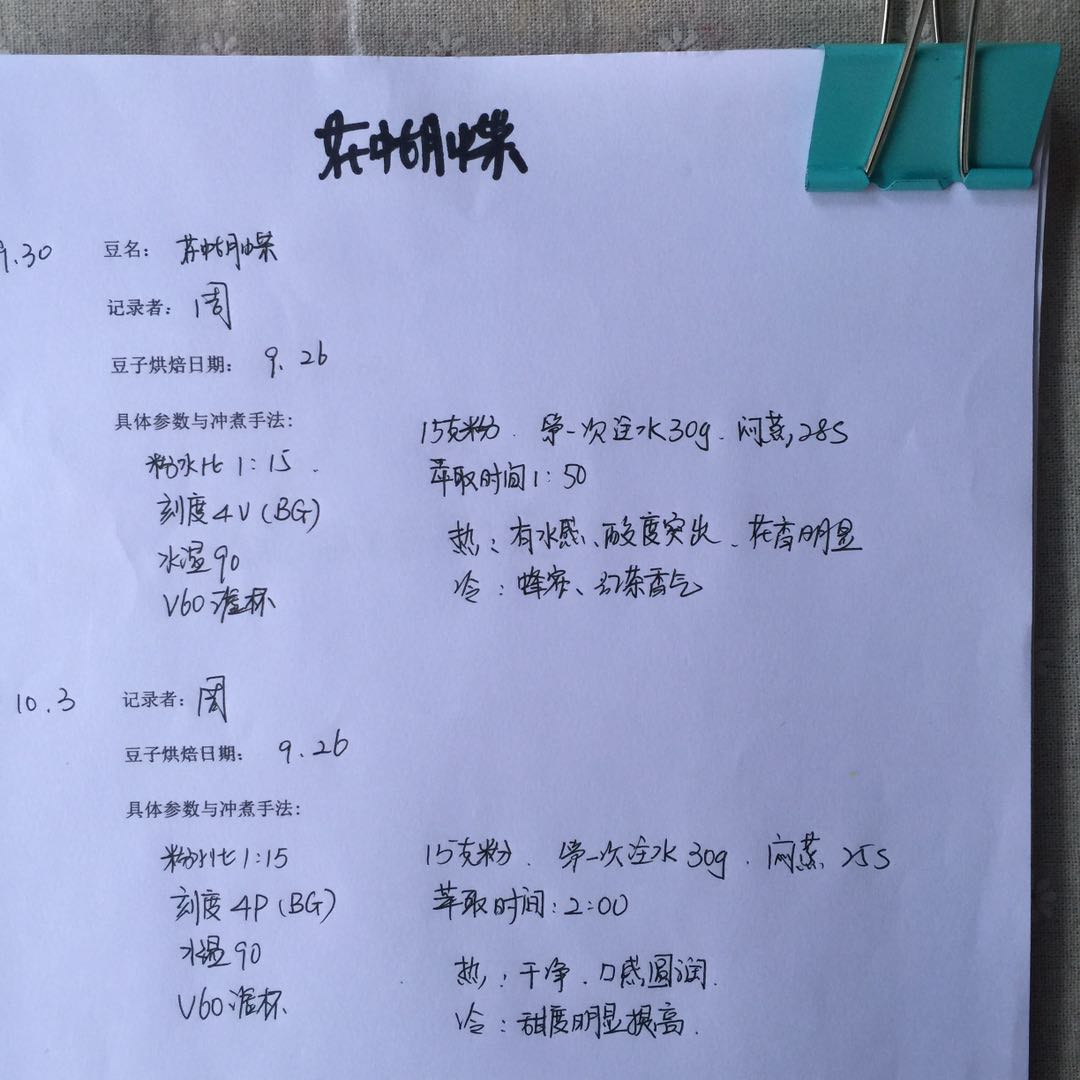
Recommended brewing method: for pour-over, use a V60 dripper, 15 g of ground coffee to 225 ml of water (1:15 ratio), water temperature 89-90°C, grind size equivalent to 3.5 on a Japanese Fuji R440. The process: first pour 30 g for blooming for 28-30 seconds, then pour in stages until 110 g, pause, and when the water level drops to half the coffee bed, continue pouring to 225 g, with total extraction time controlled at exactly 2 minutes. These parameters balance sweetness and acidity; if you prefer a fuller body, extend to 2 minutes 10 seconds.
Alternative methods include: for French press, use a coarse grind similar to a No. 4 sieve (similar to American standard), steep at 90°C for 4 minutes; for AeroPress, a 3.5 grind is recommended, pressing for 20 seconds at 87°C; for siphon, maintain 90-91°C and stir no more than 3 times to avoid over-extraction. Whichever method you use, freshly ground coffee is recommended (best used within 15 minutes of grinding).

Common mistakes to avoid: avoid water that is too hard (a TDS of 70-150 ppm is recommended); excessively long extraction releases too many tannins and creates astringency; for storage, keep it sealed and away from light, ideally in an airtight jar at a constant 10-15°C, and use within two weeks of opening to ensure freshness.