Jamaica Blue Mountain No. 1 Coffee: Flavor Profile and Pour-Over Guide
Introduction: Blue Mountain coffee is hailed as the king of coffee, but the market is flooded with various "Blue Mountain flavor" and blended products. Are they really Blue Mountain coffee? This article takes an in-depth look at genuine Jamaica Blue Mountain No. 1 coffee beans, from the growing region and grading to flavor characteristics, teaches you how to tell the real from the fake, and provides a professional pour-over recipe, including grind size, water temperature and brewing steps, to help you experience the richness and balance of top-tier Blue Mountain coffee.
When it comes to the world's finest coffees, Jamaica Blue Mountain is undoubtedly among the best, revered by many coffee lovers as the "king of coffee." Compared with Ethiopia's Geisha coffee, often called the "queen of coffee," Blue Mountain coffee is highly prized for its distinctive flavor and rarity.
Products labeled "Blue Mountain flavor" or "Blue Mountain blend" are common on the market, leaving many coffee novices confused: are these really Blue Mountain coffee? In fact, many such products may contain no coffee beans from Jamaica's Blue Mountain region at all; instead, beans from other regions are dark-roasted to mimic Blue Mountain's flavor characteristics.
So what are genuine Blue Mountain coffee beans? Like Yirgacheffe, Blue Mountain is a specific coffee-growing region. The Blue Mountain region lies around Jamaica's Blue Mountain range, which offers exceptional growing conditions: a cool, humid climate, abundant annual rainfall, nutrient-rich volcanic soil, and changeable weather throughout the day—especially the mist that often appears in the afternoon—providing an ideal environment for coffee. These unique conditions allow Blue Mountain coffee cherries to ripen slowly and fully absorb nutrients from the soil, producing its signature balance of acidity, sweetness and bitterness, full body and rich aroma.
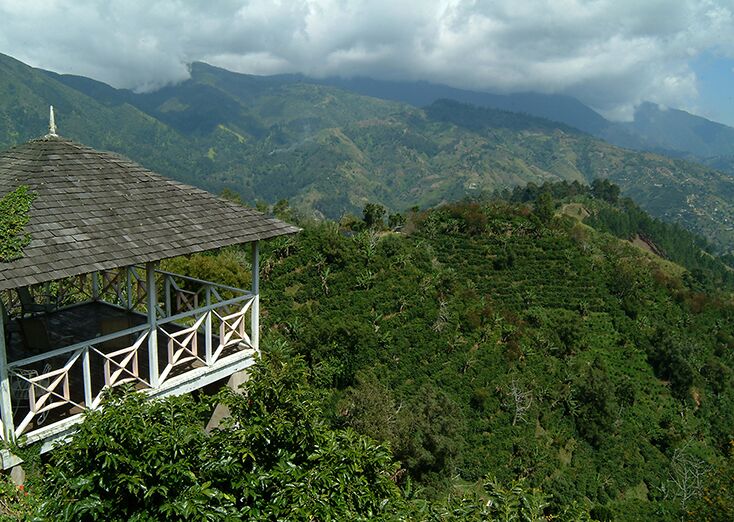
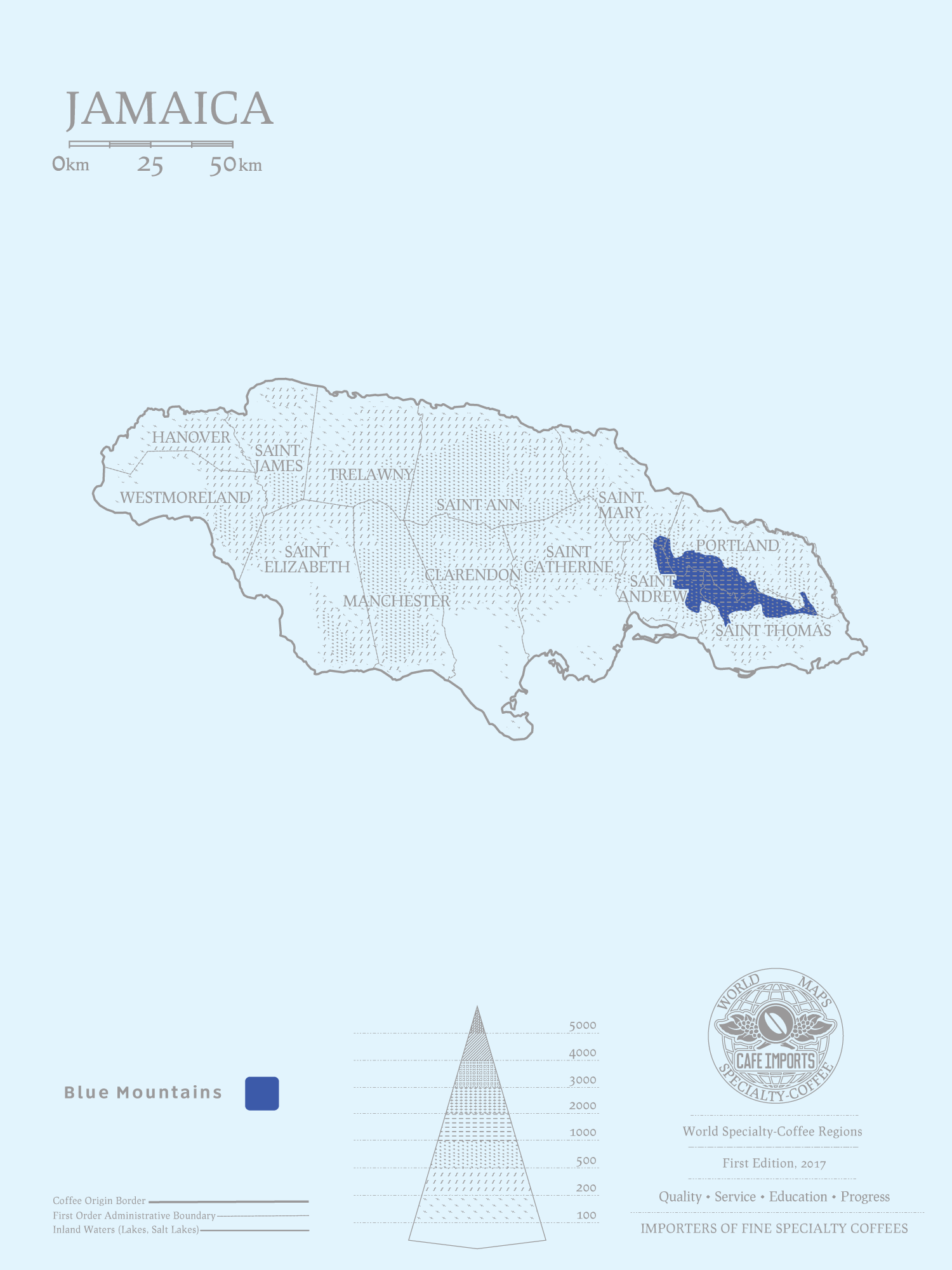
Note that not all coffee grown in Jamaica can be called Blue Mountain coffee. The Jamaican government certifies coffee from only four parishes as Blue Mountain coffee: St. Andrew, St. Thomas, St. Mary and Portland. In addition, the Jamaica Coffee Industry Board (CIB) strictly classifies coffee beans produced in the country.
Based on growing altitude, Jamaican coffee is mainly divided into three categories: Jamaica Blue Mountain coffee grown at 1,000–1,700 meters, Jamaica High Mountain coffee at 500–1,000 meters, and Jamaica Prime coffee below 500 meters. Of these, only coffee produced in the Blue Mountain area above 1,000 meters can be called true Blue Mountain coffee.
Jamaica Blue Mountain coffee is further divided into four grades based on green bean quality: Blue Mountain No. 1, Blue Mountain No. 2, Blue Mountain No. 3 and Blue Mountain Peaberry (PB). Among them, Blue Mountain No. 1 is the highest grade; its green beans are large, usually screen 17/18, with scarce yield but outstanding quality.
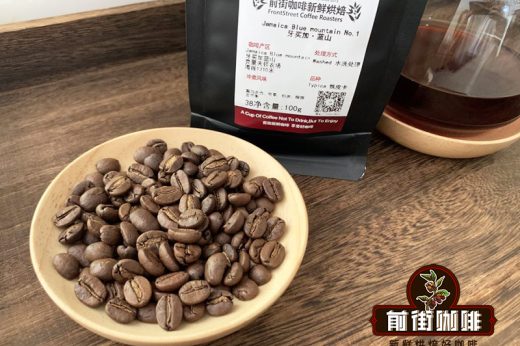
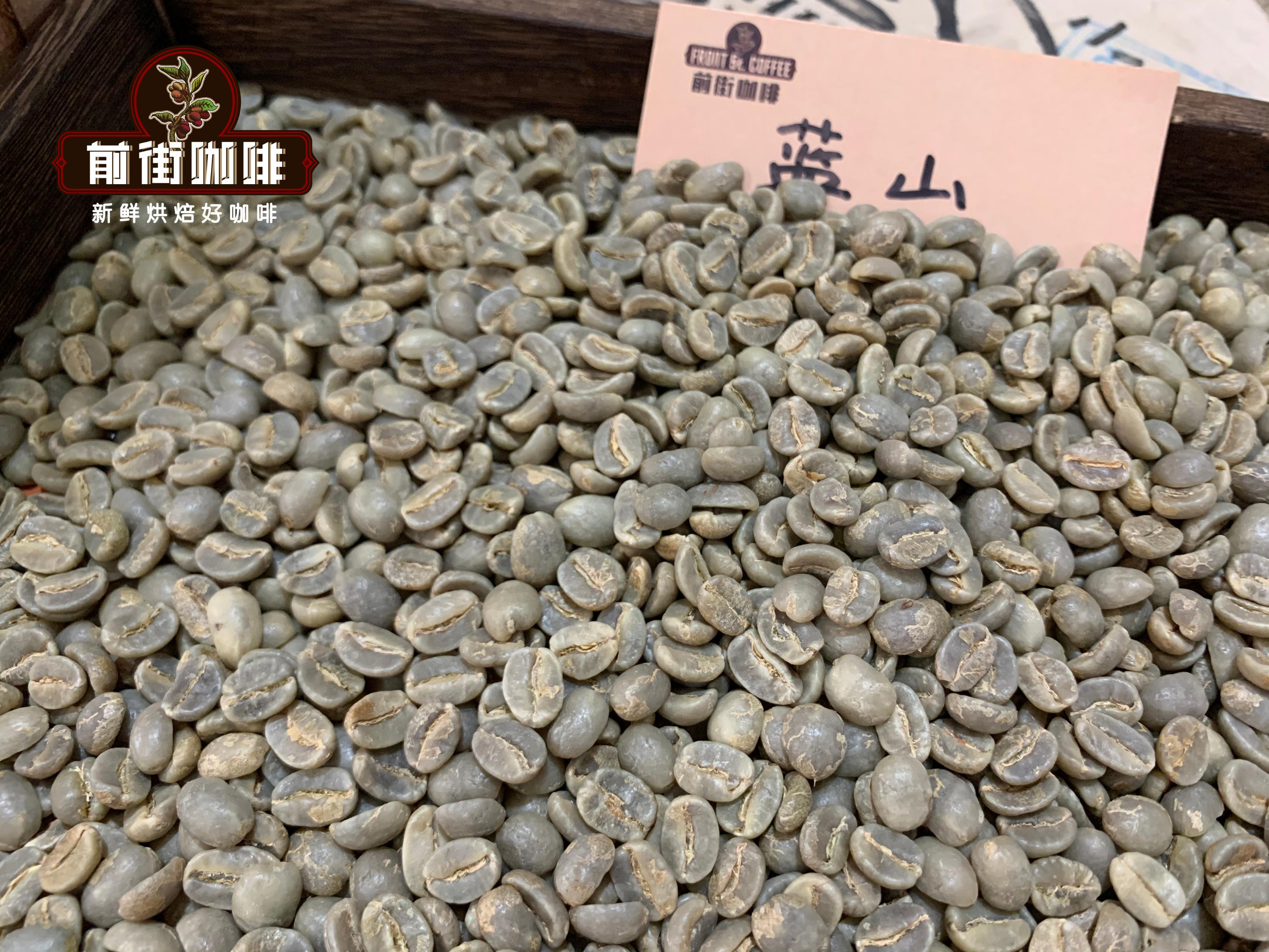
For ordinary consumers, identifying genuine Blue Mountain coffee beans can start with a few key aspects. First, appearance: washed Blue Mountain green beans are typically blue-green, while roasted beans are uniform in size and relatively large. Second, aroma: genuine Blue Mountain coffee has a dense, lasting and lingering aroma. Most important are the flavor characteristics: a high-quality Blue Mountain coffee should present a perfect balance of acidity, sweetness and bitterness, with no single flavor dominating, and an overall full, harmonious mouthfeel.
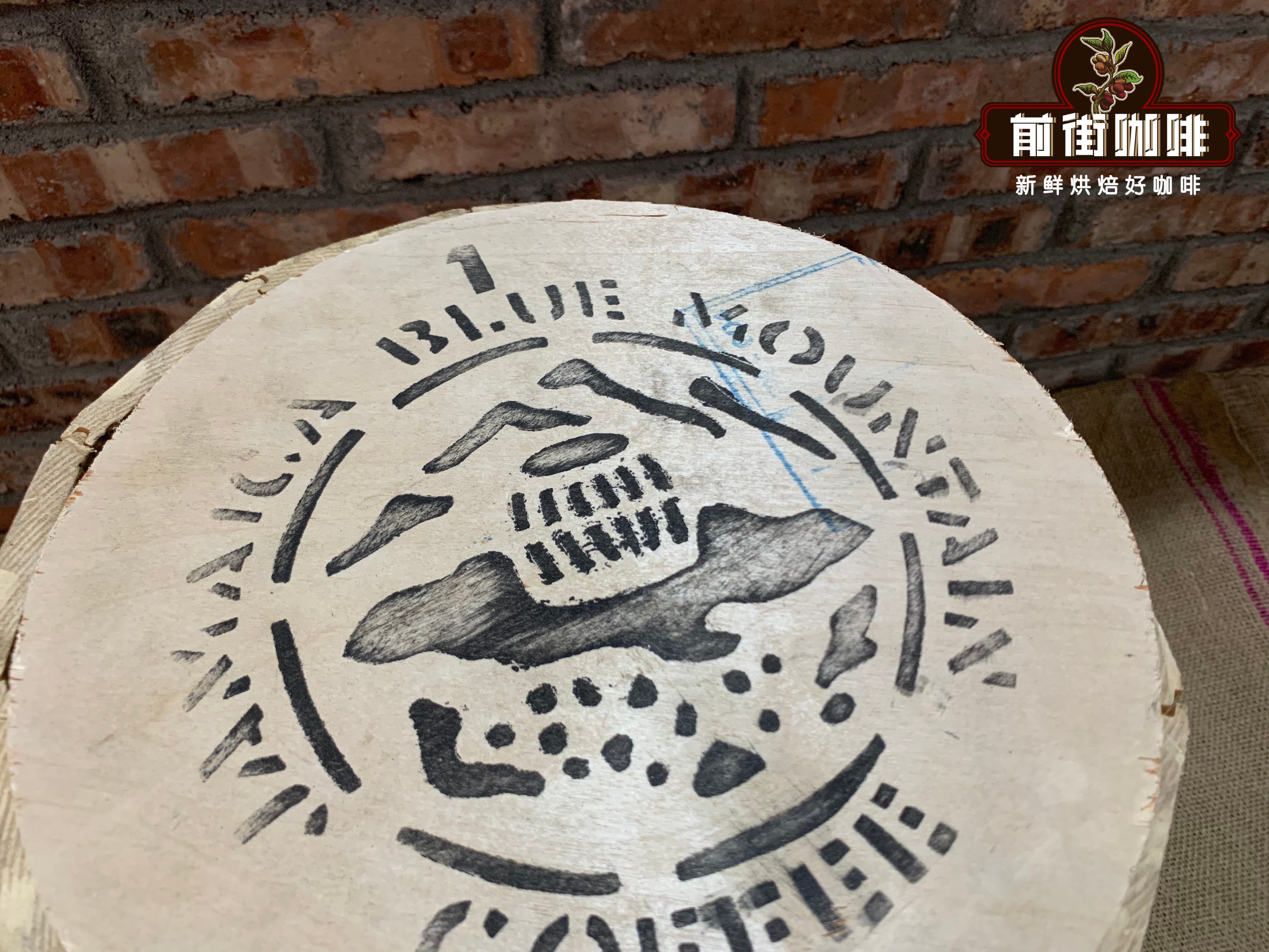
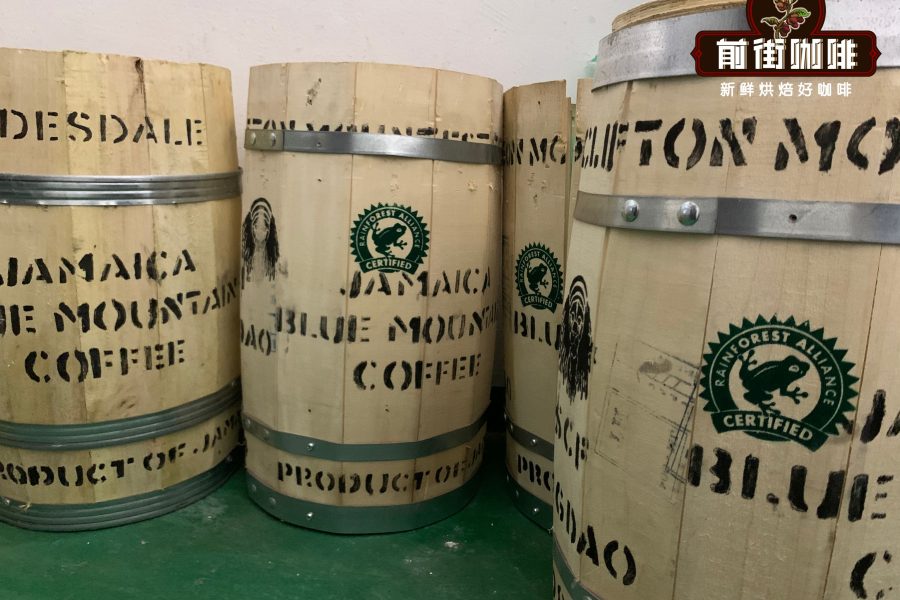
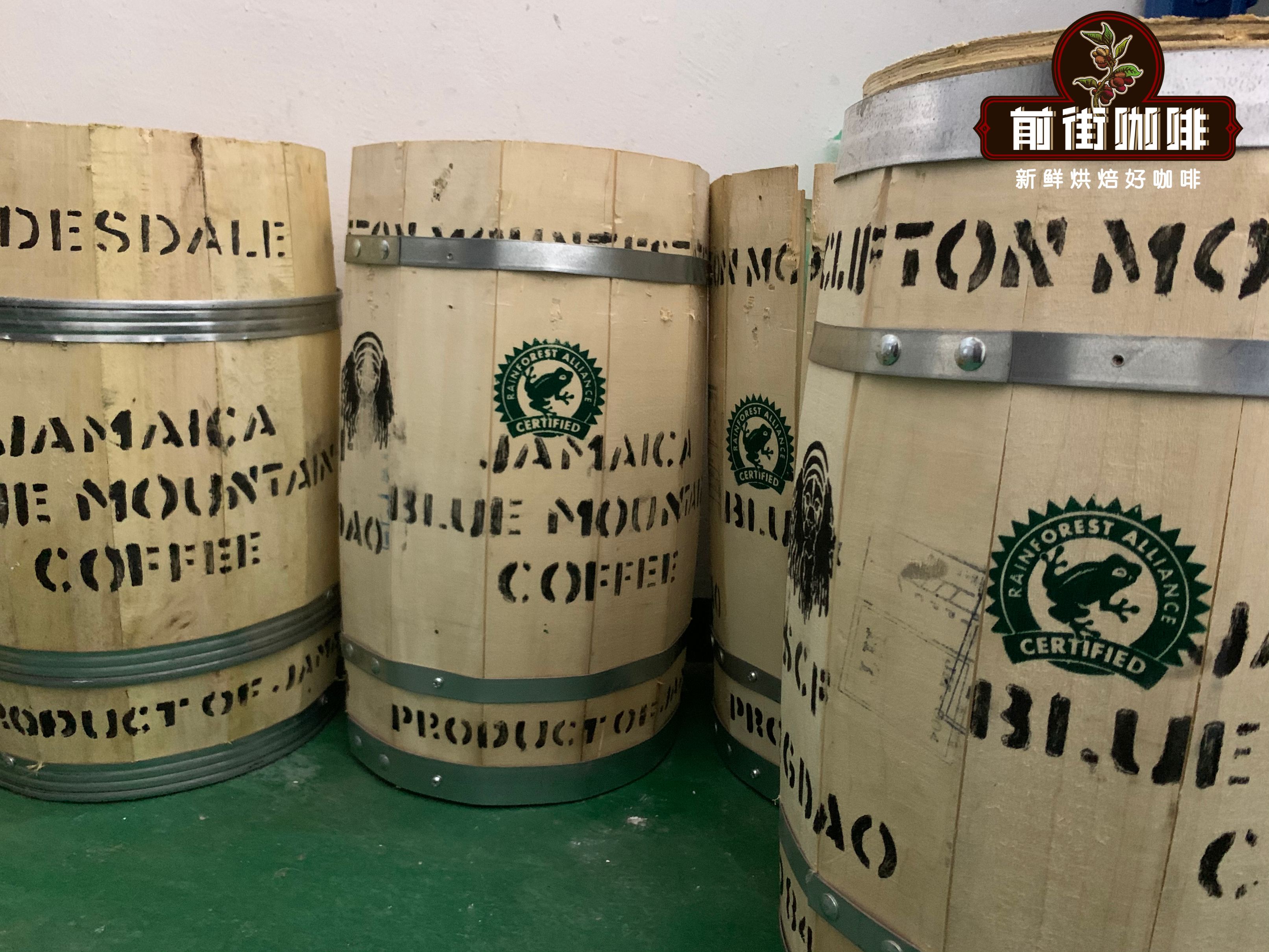
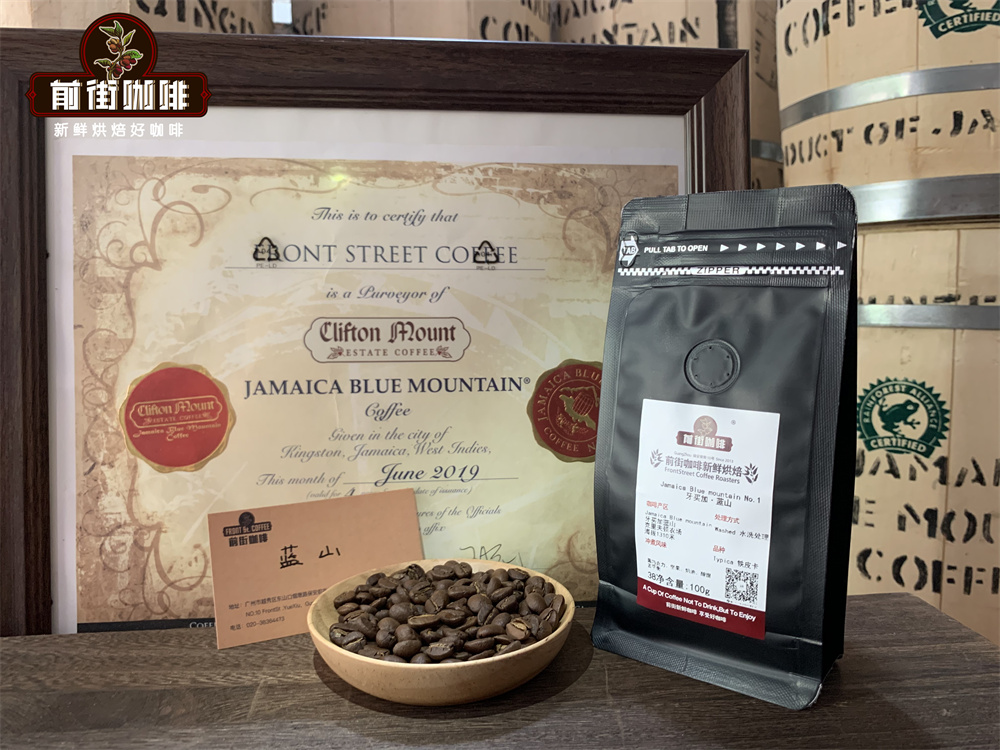
Beyond sensory evaluation, consumers can also identify authenticity through packaging and certification. Jamaica is the only country that uses wooden barrels to package green coffee beans, and genuine Blue Mountain coffee is usually shipped in wooden barrels. In addition, Blue Mountain coffee from legitimate channels should come with a quality certificate issued by the Jamaica Coffee Board, an authorized sales certificate from the producer, and a certificate of origin. Notably, some premium Blue Mountain estates have also obtained sustainable-farming certifications such as Rainforest Alliance.
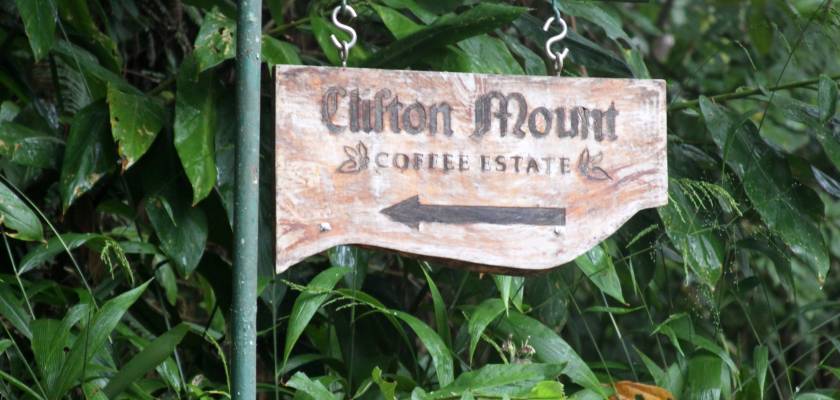
Clifton Farm in the Blue Mountain region is one of the oldest coffee estates locally, with more than 270 years of growing history, and is the only coffee farm in the area to obtain Rainforest certification. The estate is located in the core Blue Mountain area at about 1,310 meters, and its Typica-variety coffee beans are processed using the traditional washed method.
The processing is quite meticulous: after the coffee cherries are picked, the skin and pulp are first removed, followed by 12–18 hours of fermentation. After fermentation, the beans are placed in water tanks, where friction between the beans and the water flow removes the mucilage layer until the parchment is smooth and clean. The beans are then dried to a moisture content of about 12%. The parchment-removed green beans are finally packed into odor-free white poplar wooden barrels, inspected by the Jamaica Coffee Board and affixed with official labels.
For such high-quality Blue Mountain No. 1 coffee beans, professional roasters choose a medium-dark roast to highlight their elegant aroma and full body. For brewing, because medium-dark roasted beans have a higher rate of soluble matter extraction, a coarser grind (about 75% passing a No. 20 sieve) and a relatively low water temperature (about 88°C) are recommended to avoid over-extraction.
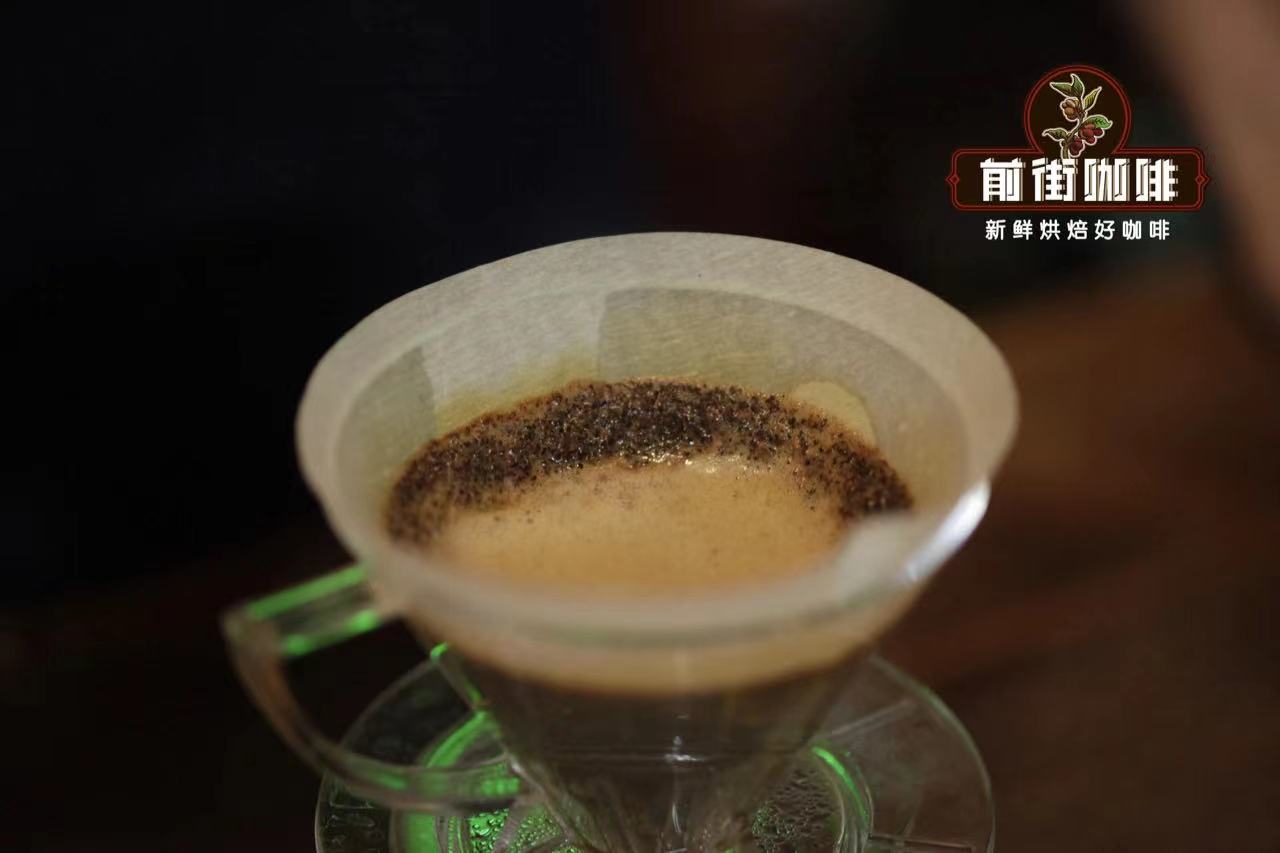
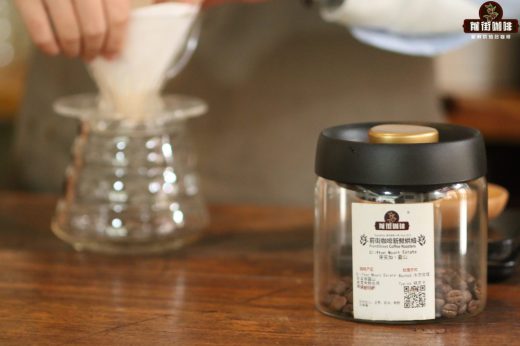
A KONO dripper is recommended, with a coffee-to-water ratio of 1:15 and 15 grams of coffee. The specific brewing steps are as follows: first pour 30 grams of water for a 30-second bloom to awaken the coffee grounds; then, with a slow, small stream in circular motions, pour the second stage of water up to 125 grams, and continue pouring when the water level drops to half the dripper; finally pour the third stage up to a total of 225 grams, stop pouring immediately and wait for the coffee to drip through completely, keeping the total extraction time to about 2 minutes. Note that when pouring the final stage, the water level should not exceed the height of the coffee bed, to prevent water from passing quickly through gaps at the dripper's edge not covered by coffee, which would cause uneven extraction and affect the final taste.