Yunnan Catimor Coffee: Flavor Analysis and Pour-Over Guide
Introduction: A deep dive into the distinct flavor characteristics of Yunnan's main Catimor variety across three processing methods—washed, natural, and honey—along with professional-grade pour-over recipes. From growing environment to brewing technique, this is a comprehensive guide to unlocking the fruity potential of this hybrid variety through scientific parameters, especially suited for beginners building an accurate understanding of Yunnan beans.
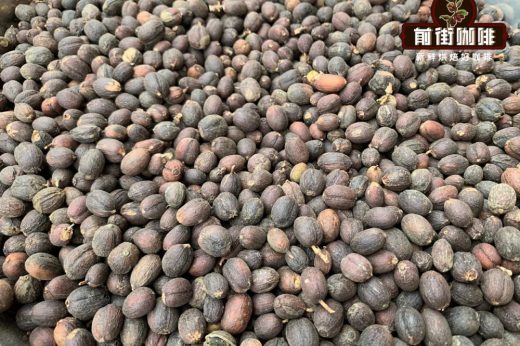
On hillside farms at 1,000–2,000 meters in Yunnan, Catimor coffee trees are bearing fruit with distinctive character. A cross between Brazil's Caturra and Timor (created in Portugal in 1959), this variety perfectly inherits Robusta's disease-resistance genes, while decades of local adaptation have shaped a regional flavor that is "rich without bitterness, aromatic without harshness"—bright layers of fruit acidity paired with a gentle sweetness reminiscent of red dates.
On-site cupping reveals that processing method has an extremely significant impact on flavor. Washed lots show clear tropical-fruit acidity (such as mango and passion fruit), with a faint ginseng-like herbal finish beneath medium-low body; natural processing amplifies the tropical-fruit sweetness to a medium-high level and noticeably increases body; while honey processing, the most technically demanding, preserves the lychee-honey aroma from pectin fermentation while requiring precise control of the drying process to avoid defective beans.
For Yunnan Catimor's characteristics, a standard roast level (Agtron around #65) is recommended. Green-bean sorting requires hand-removing immature and insect-damaged beans—professional roasters typically perform three rounds of hand sorting to ensure uniform density in the beans entering the roaster. For the roast curve, development time is best kept at 12–14 minutes, with the rate of rise during the dense first-crack phase not exceeding 1.5°C per minute, to lock in floral and fruity aromatics.
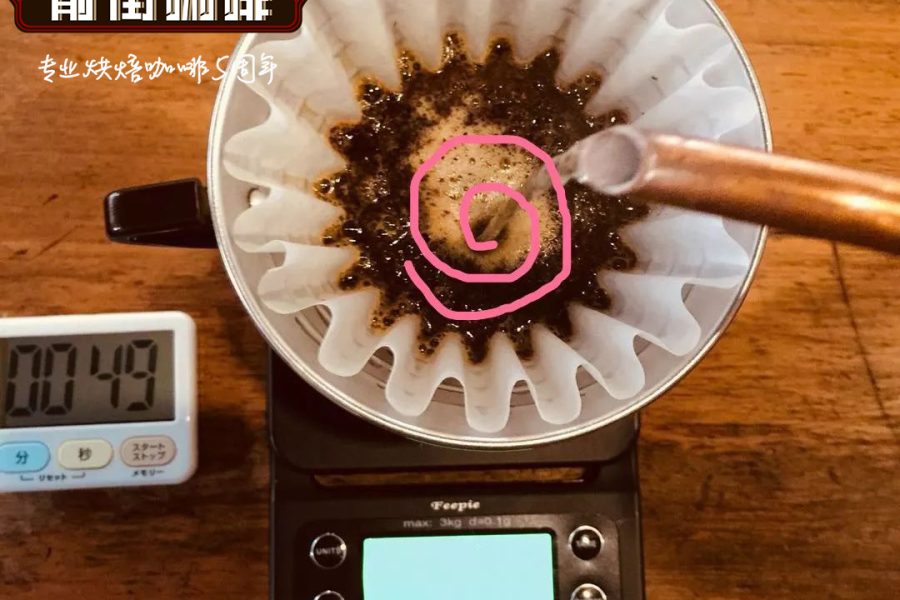
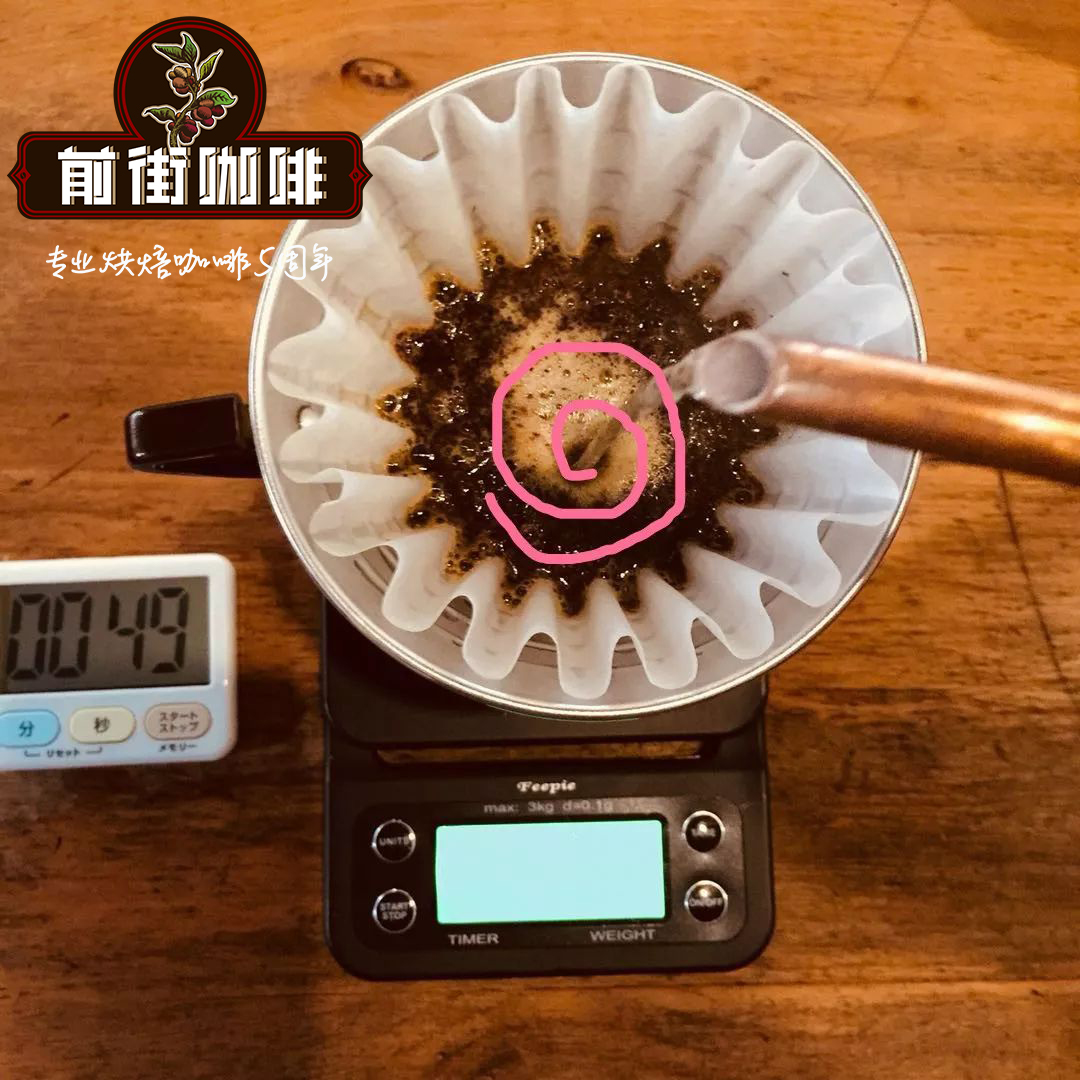
The best home-brewing setup is a V60 dripper with a 1:15 coffee-to-water ratio (15 grams of coffee to 225 milliliters of water). For the pre-infusion stage, pour 30 grams of water and let it bloom for 30 seconds; for the main pour, use 90–92°C water with a center-outward radial stream at a flow rate of 2–3 milliliters per second. Note that the early pour should penetrate the coffee bed to form an even extraction, while the later pour can increase flow slightly to prevent over-extraction. These parameters effectively balance Catimor's characteristic slight herbal undertone with its bright fruit acidity.
It is worth noting that honey-processed beans have stricter storage requirements—store them in aluminum foil bags with one-way exhaust valves, in a cool place at 45%–55% humidity. If a woody off-flavor appears during brewing, it may be because the beans are more than 60 days past roast; this can be improved by extending the bloom time (to 45 seconds) or raising the water temperature (to 94°C). Professional baristas often adjust grind size (medium-fine, close to the texture of granulated sugar, is recommended) to correct flavor fluctuations between different lots.