Yunnan's Small-Bean Coffee: How Hogood Challenges Nestlé's Dominance
Introduction: A deep dive into the planting legend of Yunnan, the birthplace of Chinese coffee, analyzing the characteristics of the 'small-bean coffee' variety and the industry's difficulties. This article reveals how Dehong's Hogood Coffee transformed from a raw material supplier into a national brand and built China's largest instant coffee production line. Includes key cultivation parameters and market transformation strategies to help you understand the rise of domestic coffee.
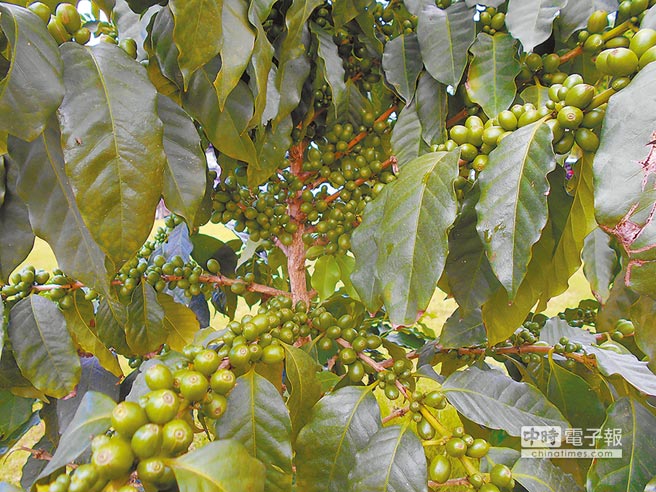
As the world's second most traded commodity, coffee consumption in the Chinese market is growing at a double-digit rate every year. In this blue ocean, Yunnan, with 84% of the national output, is indisputably the main producing region—its unique location between 15°N and the Tropic of Cancer, combined with the vertical climate formed by elevations of 1,000–2,000 meters, has created the distinct 'small-bean coffee' category. Dehong Prefecture alone accounts for 30% of the national planting area and is known as 'China's Coffee Hometown.'
The story of Yunnan coffee began in 1892, when the first batch of coffee seedlings brought by French missionaries took root here. After a century of evolution, the mainstream Catimor variety now planted, though a high-quality Arabica type, carries 25% Robusta genes. This hybrid nature gives it strong disease resistance and stable yields, but its aroma complexity and body are slightly inferior—making it instead an ideal raw material for instant coffee.
For a long time, Yunnan coffee faced the dilemma of 'a bumper harvest without a bumper income.' More than 60% of green beans were purchased at low prices by international giants, and local brand building lagged severely. The turning point came in the second decade of the 21st century—as domestic coffee consumption surged, the Dehong local enterprise Hongtian Group, together with state capital, founded 'Hogood Coffee' and began to break the deadlock.
This private company, once Nestlé's largest global raw material supplier, decisively adjusted its strategy in the 2010s: gradually cutting back on contract manufacturing and investing in a 3,000-ton instant coffee production line. The line uses low-temperature extraction technology to preserve flavor compounds, with each batch's capacity equal to 1.5 times that of conventional equipment, making it a leading instant coffee production base in Asia.
Hogood's transformation path is clear: upstream, it integrates 50,000 mu of its own planting bases and promotes standardized management; midstream, it develops diverse product lines such as low-caffeine and freeze-dried; downstream, it builds sales networks through supermarkets and smart coffee machines. Its newly launched small-bean instant coffee series has adjusted the sweetness threshold specifically for Chinese consumers' preferences, and the recommended 1:15 powder-to-water ratio is better suited to home use.
From raw material exporter to brand breakthrough, Hogood Coffee's rise reflects the upgrading attempts of the entire Yunnan coffee industry. Although a gap remains compared with international giants, this full-industry-chain model spanning cultivation, processing, and retail is winning more say for domestic coffee.