Ethiopian Sidamo coffee explained: region flavors and pour-over guide

Introduction: As an important region for specialty coffee worldwide, Ethiopian Sidamo is known for its varied flavors and unique processing methods. This article takes a deep look at the geographical features, flavor layers, and brewing key points of Sidamo coffee, helping you understand how this land nurtures high-quality coffee beans with rich layers, covering everything from growing background to home brewing plans.
Ethiopia is known as the birthplace of coffee, and its unique geographical environment and long planting history have nurtured many coffee regions renowned worldwide. Among them, Sidamo, as a representative specialty coffee region in the south, has become an important choice for coffee lovers exploring flavor diversity thanks to its complex and varied flavor characteristics.
The Sidamo region is located in southern Ethiopia, bordering Kenya, at an altitude between 1,400 and 2,200 meters. This altitude gives the coffee beans bright acidity and rich layers, while fertile volcanic soil and diverse microclimates make the coffee beans from this region show significant regional differences in flavor. Whether it is a fresh citrus note or a mellow nut and chocolate finish, both can be found here.

Ethiopia is a genetic treasure house of Arabica coffee, and its coffee culture is deeply rooted in local society. Locals call drinking coffee "buna tetu," and the proverb "buna dabo naw" (meaning "coffee is our bread") has been passed down to this day. Coffee is not only a daily drink but also an important part of social life. More than 20% of the global coffee workforce comes from Ethiopia. In 2017, the country produced about 470,000 tons of green coffee beans, of which about one third was exported and the rest consumed domestically.
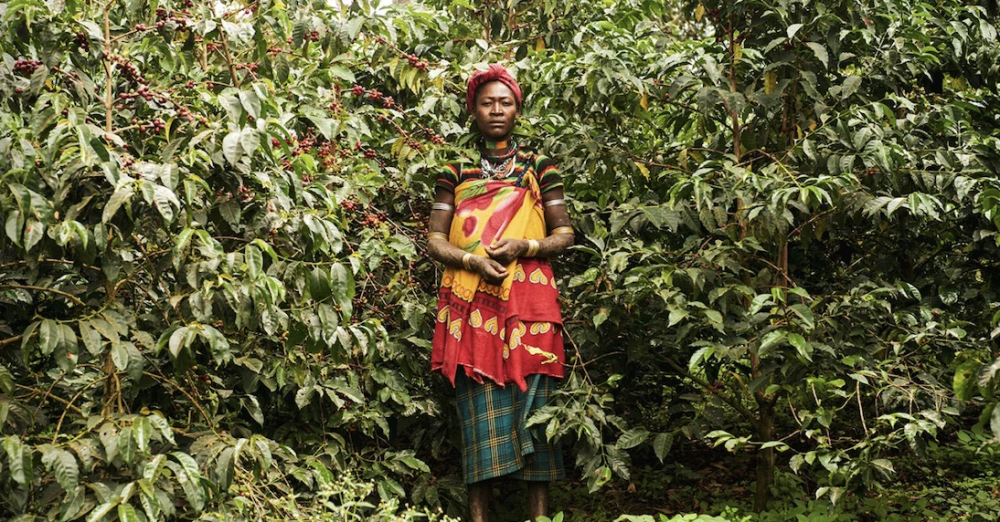
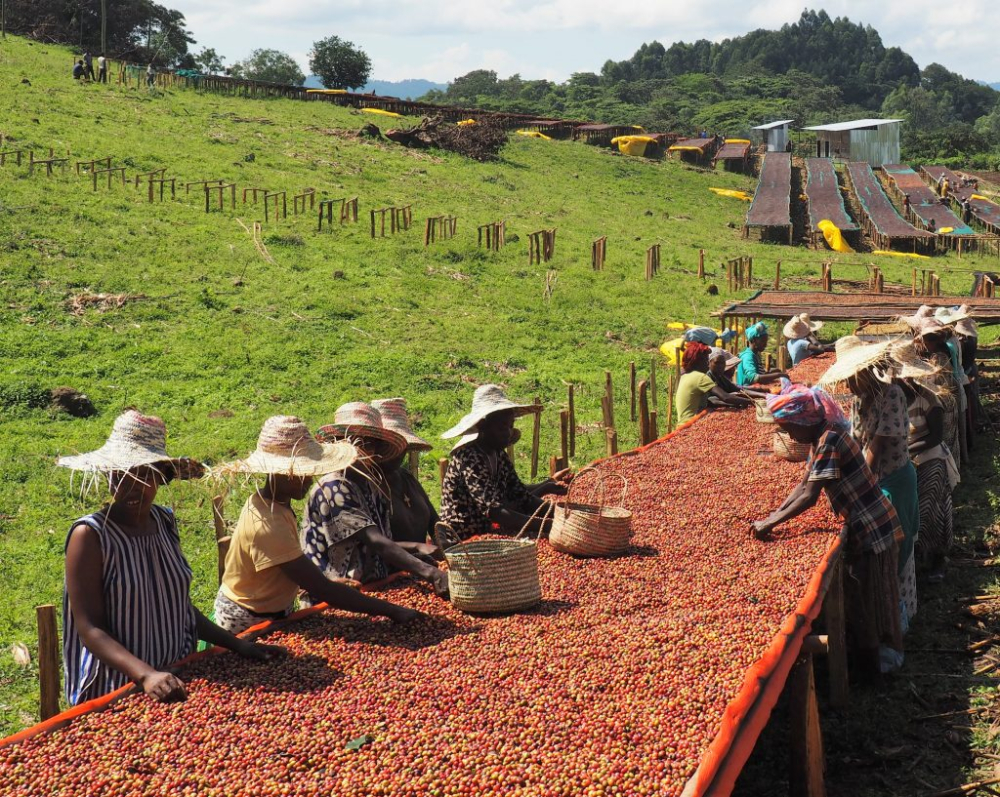
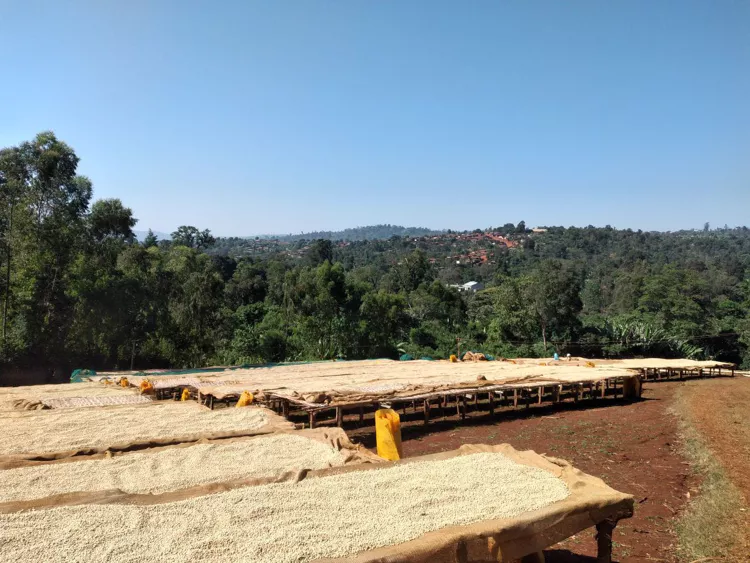
Coffee cultivation in Ethiopia is mainly based on a smallholder model, with nearly 1.2 million households relying on coffee cultivation for their livelihood, and each household usually cultivates no less than 4 hectares. These households often grow coffee trees mixed with other crops such as bananas, forming a unique courtyard coffee landscape. Coffee cherries are usually picked by farmers and sent to nearby processing stations at water sources for unified processing, then sold to the market under the name of the processing station. This cooperative model both ensures quality stability and safeguards the economic returns of smallholders.

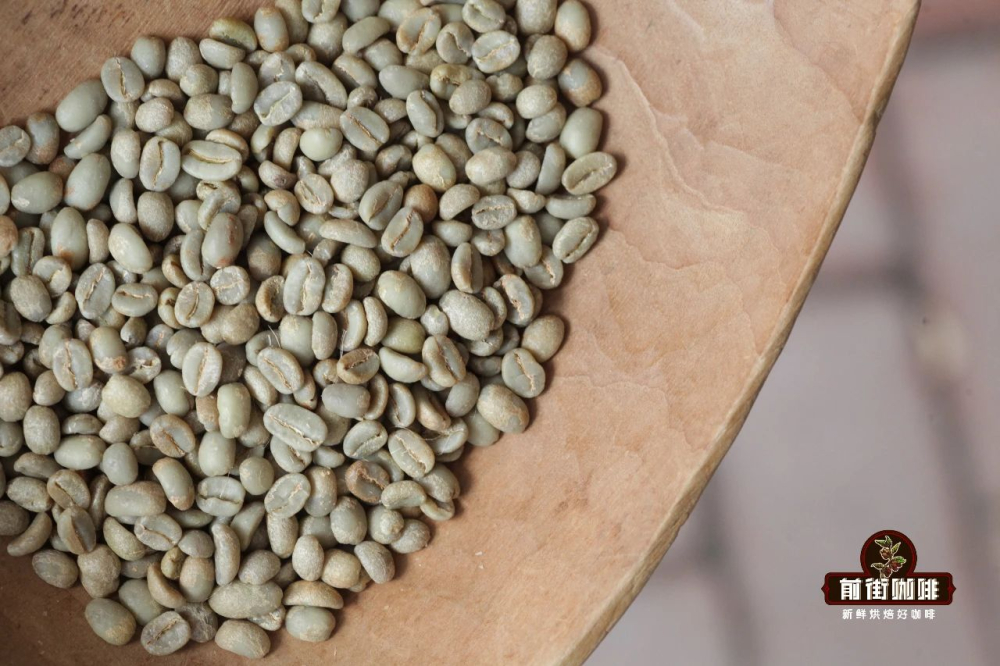
Coffee beans from the Sidamo region are characterized by light green, oval-shaped beans and a fragrant, mellow aroma. Because the region has diverse terrain, including highlands, plateaus, valleys, and plains, along with abundant native coffee varieties and microclimate differences, coffee produced in different areas shows distinct personalities. Between 2010 and 2012, coffee beans from this region continuously received high ratings of 92 to 94 points from authoritative international scoring organizations, confirming their excellent quality potential.
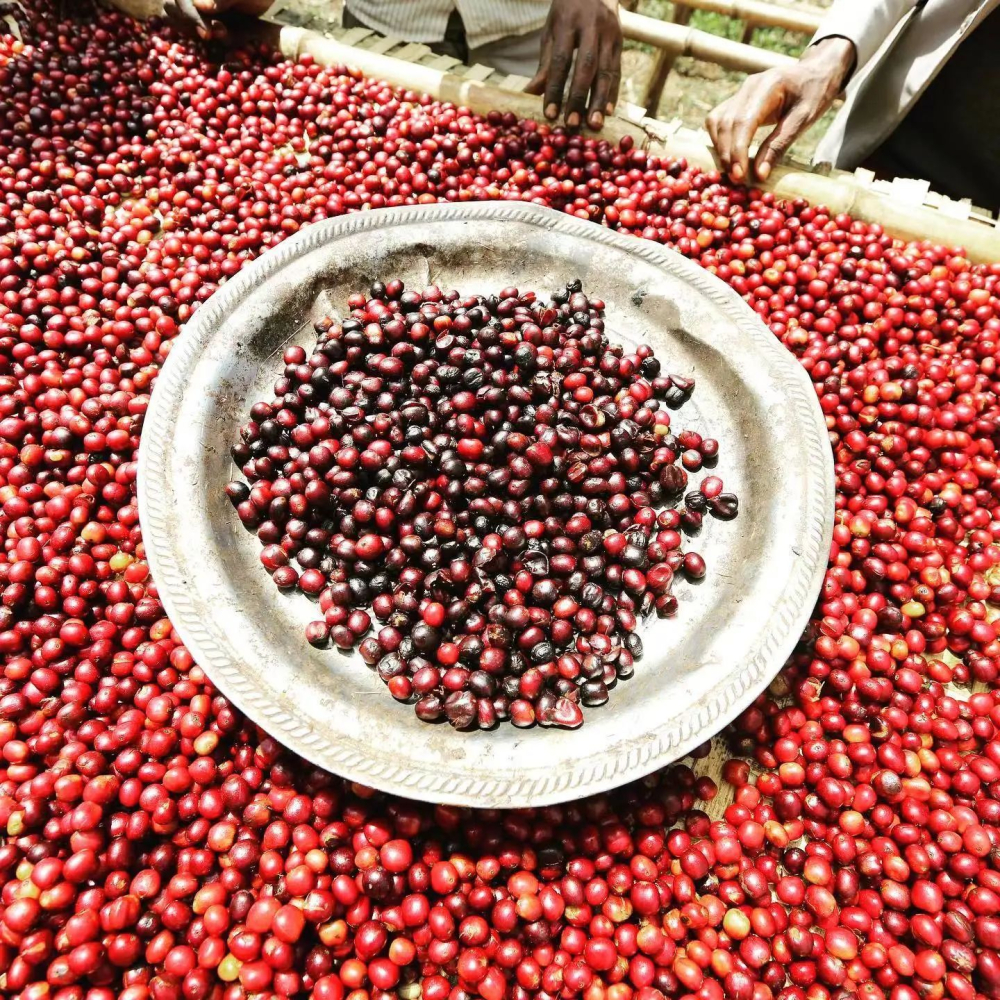
In terms of processing, Ethiopia widely uses two traditional methods: washed and natural. Washed coffee usually presents clean floral and citrus notes with a smooth mouthfeel; the natural method can retain richer fruit aromas and a mellow texture, and high-quality lots often carry a honey-like sweetness. In recent years, honey processing has also gradually emerged, bringing more innovative possibilities to coffee flavors.
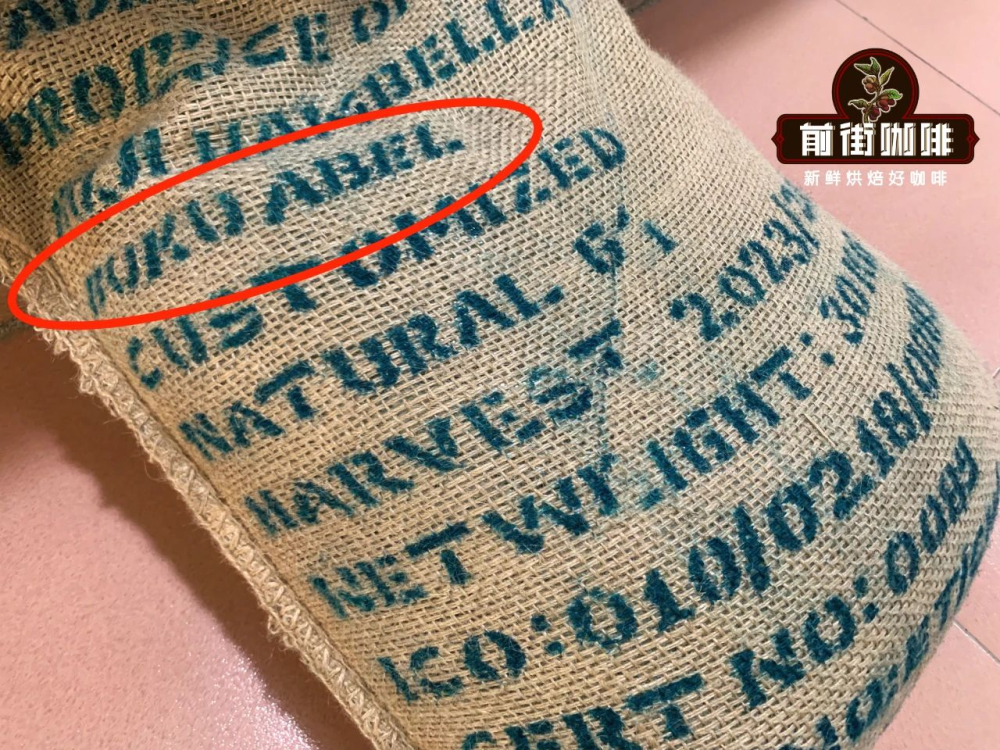
One of the most representative coffees in the Sidamo region is the natural lot from the Buku Abel processing station. This lot won the Ethiopian regional championship in the 2017 TOH (the Taste Of Harvest) green bean competition with its rich strawberry and cream aroma. Such coffee beans usually use Ethiopian native varieties. Because there are many varieties and classification is complex, the industry collectively calls them "Ethiopian heirloom." Heirloom coffee beans vary in size and are green with a yellow tint, a direct reflection of the local rich biodiversity.
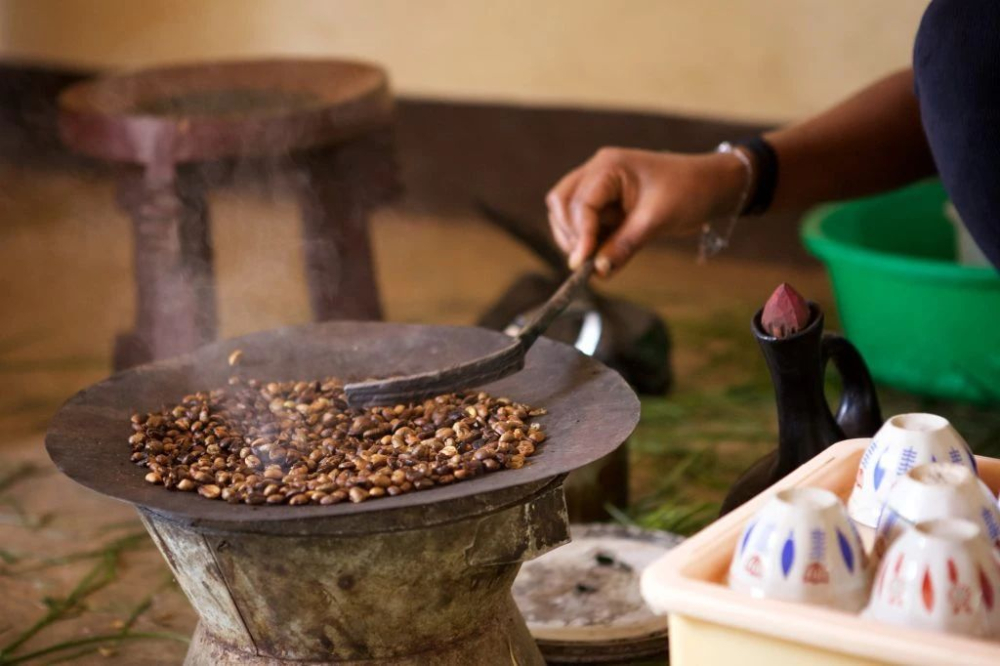
For home brewing enthusiasts, Sidamo coffee beans offer ample space for flavor exploration. Common brewing devices such as the Clever Dripper, AeroPress, V60 dripper, and KONO pour-over kettle can all present different flavor emphases. For example, the Clever Dripper is suitable for beginners, balancing acidity and sweetness through immersion; the V60 dripper can highlight clear fruit notes and layers; the AeroPress combines richness and purity, suitable for users seeking a full-bodied experience; the KONO pour-over kettle extends extraction time by restricting airflow, enhancing body and concentration.
Recommended professional brewing parameters: use medium-fine grinding (about 80% passing through a Chinese standard No. 20 sieve), control water temperature at around 90°C, and use a water-to-coffee ratio of 1:15. Taking three-stage pouring as an example, first pour 30 grams of water and bloom for 30 seconds, then pour in stages to 225 grams, with a total extraction time of about 2 minutes. Different devices require adjustments to grind size and technique. For example, KONO pour-over recommends medium-coarse grinding (70-75% passing rate) and a slightly lower water temperature of 89-90°C to highlight a mellow mouthfeel.
It should be noted that Ethiopian heirloom coffee beans may differ in size and appearance because the varieties are mixed and not publicly classified; this is a natural reflection of their biodiversity. When buying, it is recommended to look for core regions (such as Sidamo), reliable processing stations (such as Buku Abel), and clearly stated processing methods (such as natural) to ensure flavor quality. By reasonably adjusting brewing parameters, every coffee lover can discover their own flavor story from this coffee bean from Ethiopia.