Honduras Coffee Grading Explained: Caturra Varieties, Flavors and Regions

Introduction: Honduras, a major coffee origin in Central America, produces many distinctive coffees thanks to its unique geography and meticulous processing. This article explains Honduras's official coffee grading standards, analyzes the flavor characteristics of the main Caturra variety, and explains the key techniques of innovative processes such as sherry-barrel fermentation. It also provides professional reference on regional distribution, variety characteristics and roasting practice to help you fully master the bean-selection skills for this promising origin.
When Honduras coffee is mentioned, many coffee lovers first think of sherry-barrel fermented beans with vanilla sweetness, creamy texture and a honey finish. This country in northern Central America has become an important player in the global specialty coffee market thanks to its diverse microclimates and strict quality grading system.
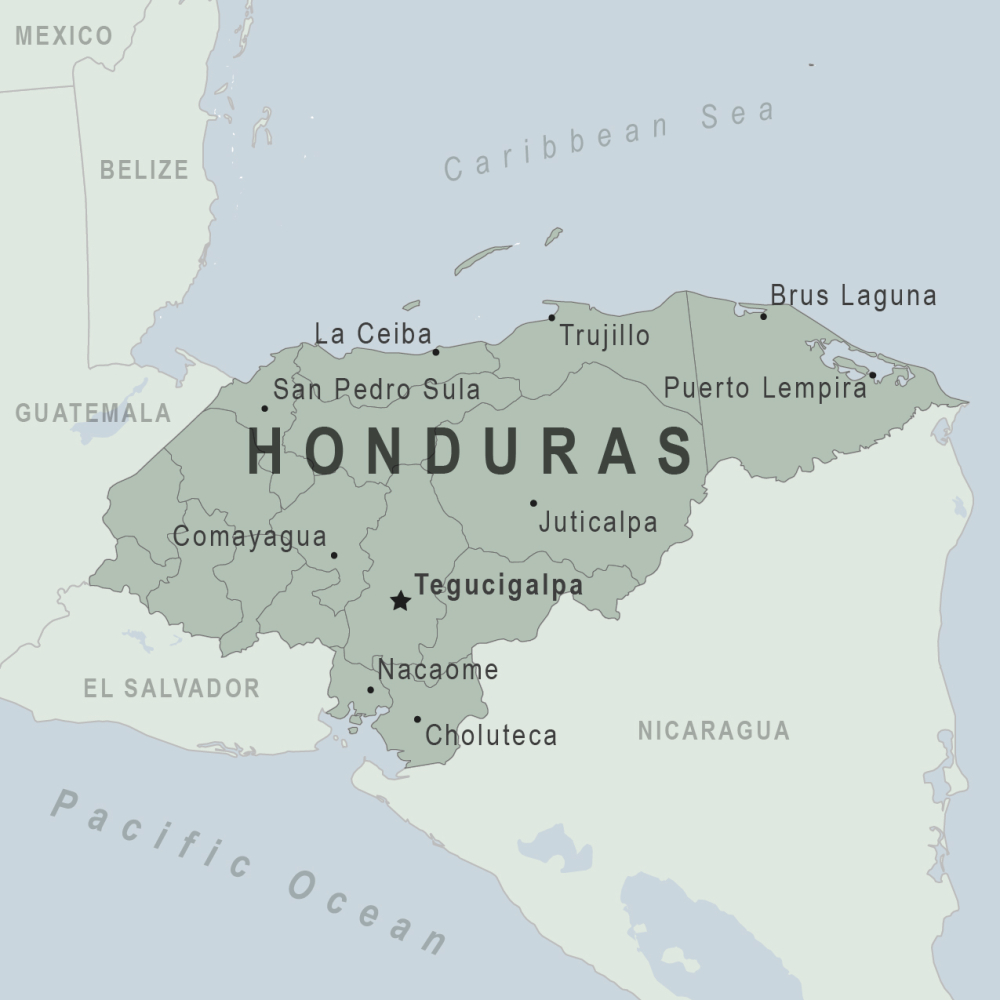
Honduras covers about 112,000 square kilometers, and more than 90% of it is mountainous highland terrain. The highest elevation in the northwest reaches 3,000 meters, and the southern hilly areas generally exceed 2,400 meters. This terrain with extreme vertical drop creates distinct vertical climate zones: the coastal plains have a tropical rainforest climate with an average annual temperature of 31°C, while the central and northern mountains maintain a subtropical forest climate of around 23°C. Together with abundant rainy-season precipitation from June to November, this forms an ideal coffee-growing belt.
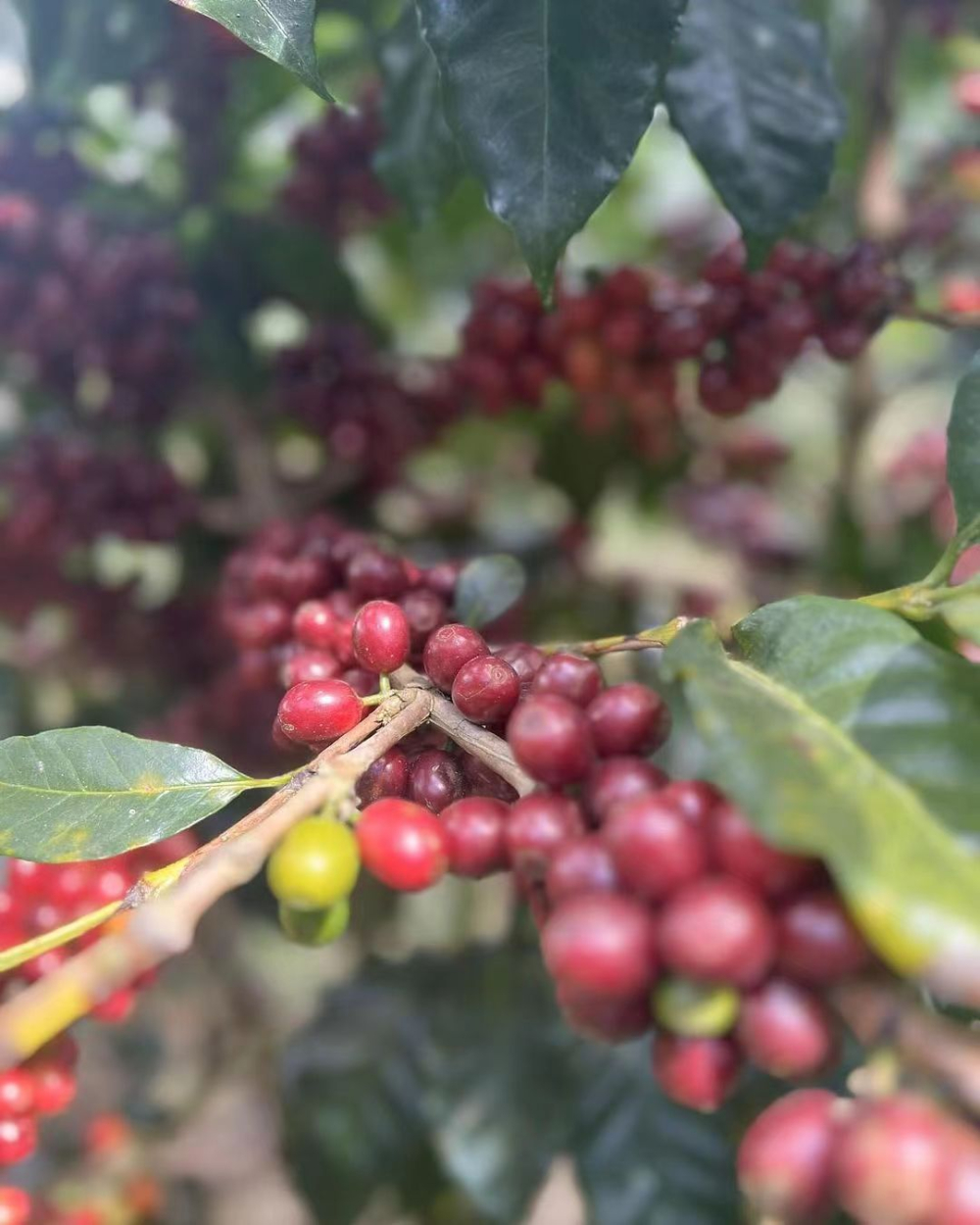
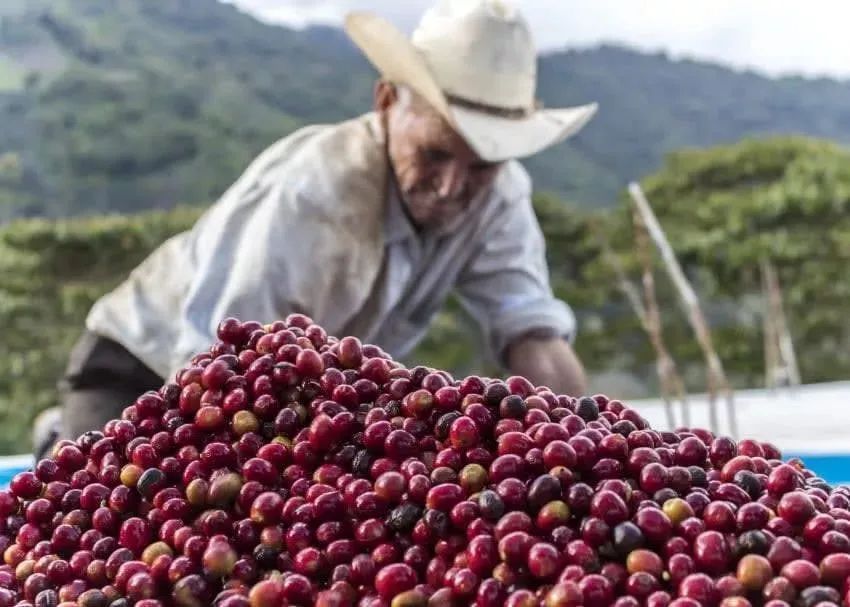
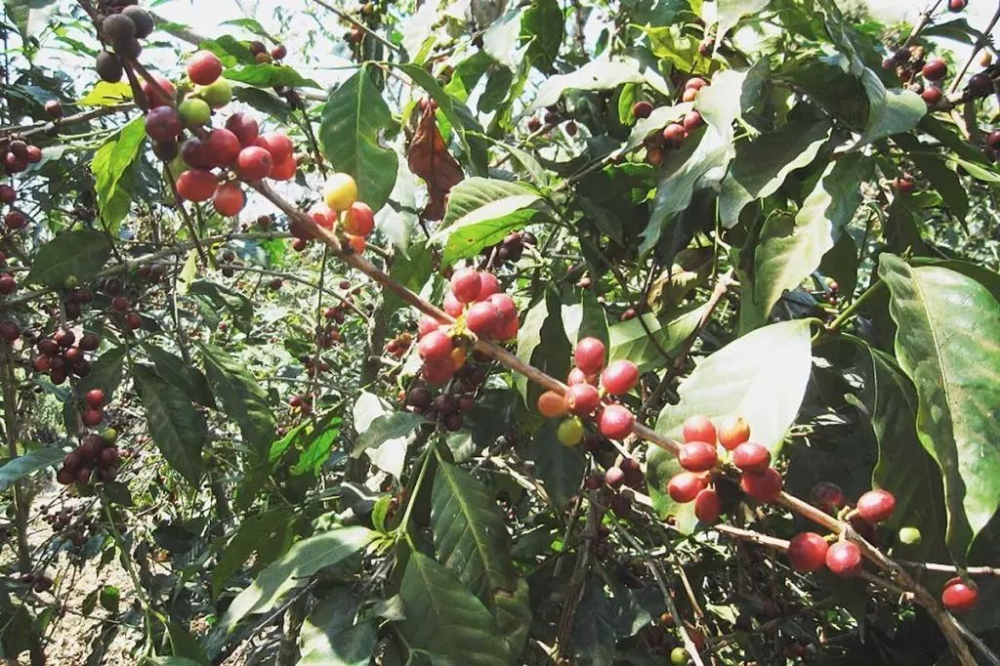
The country's coffee planting is highly concentrated between 1,000 and 2,000 meters above sea level and is divided into two official grades by quality: regular highland coffee grown at 1,000-1,500 meters, and Strictly High Grown (SHG) coffee at 1,500-2,000 meters. Notably, of the country's roughly 280,000 hectares of coffee farms, more than 60% consist of small farms of less than 3.5 hectares. This decentralized planting model encourages farmers to insist on hand-picking, using staged picking to ensure every coffee cherry reaches optimal ripeness.

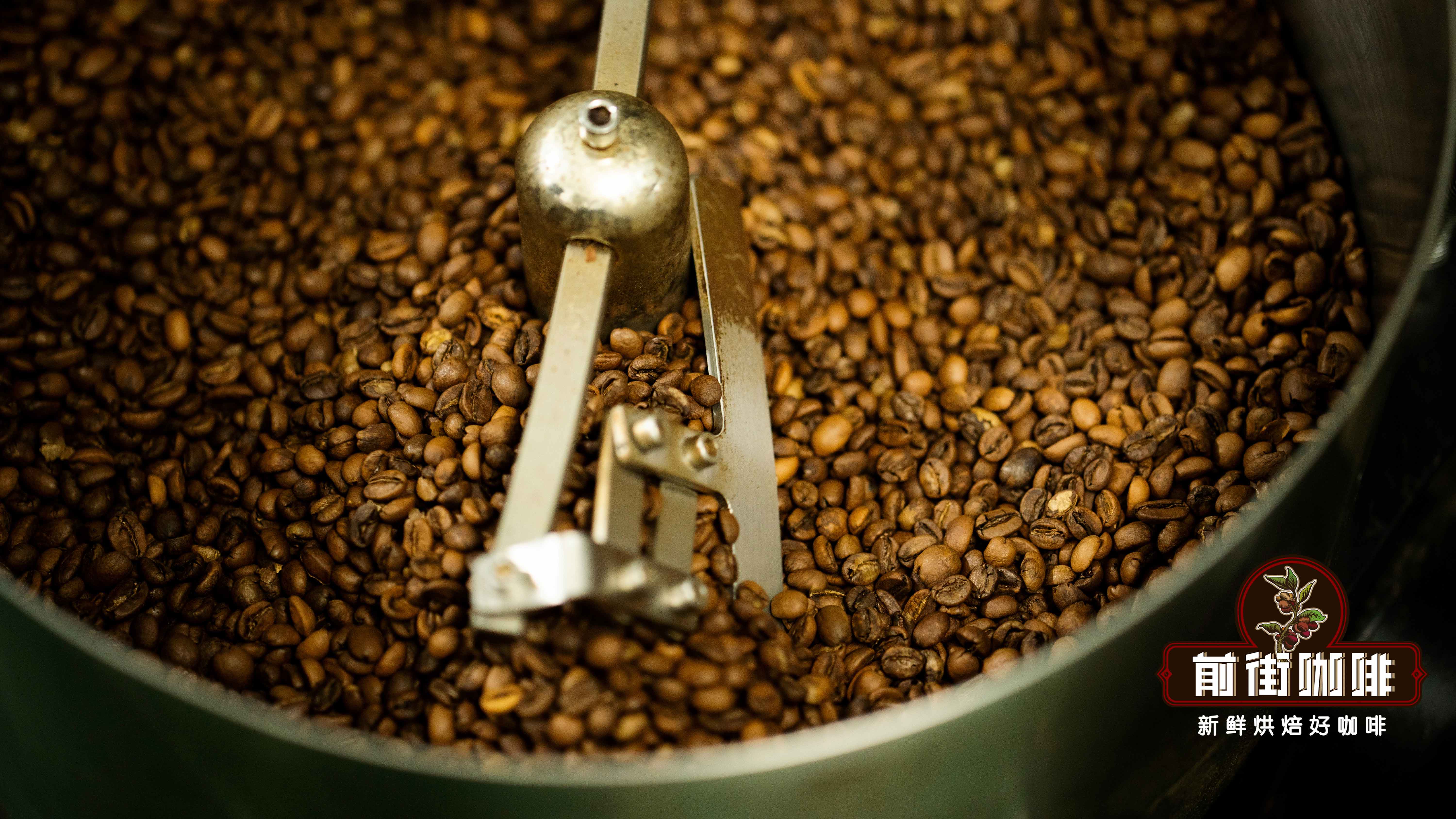
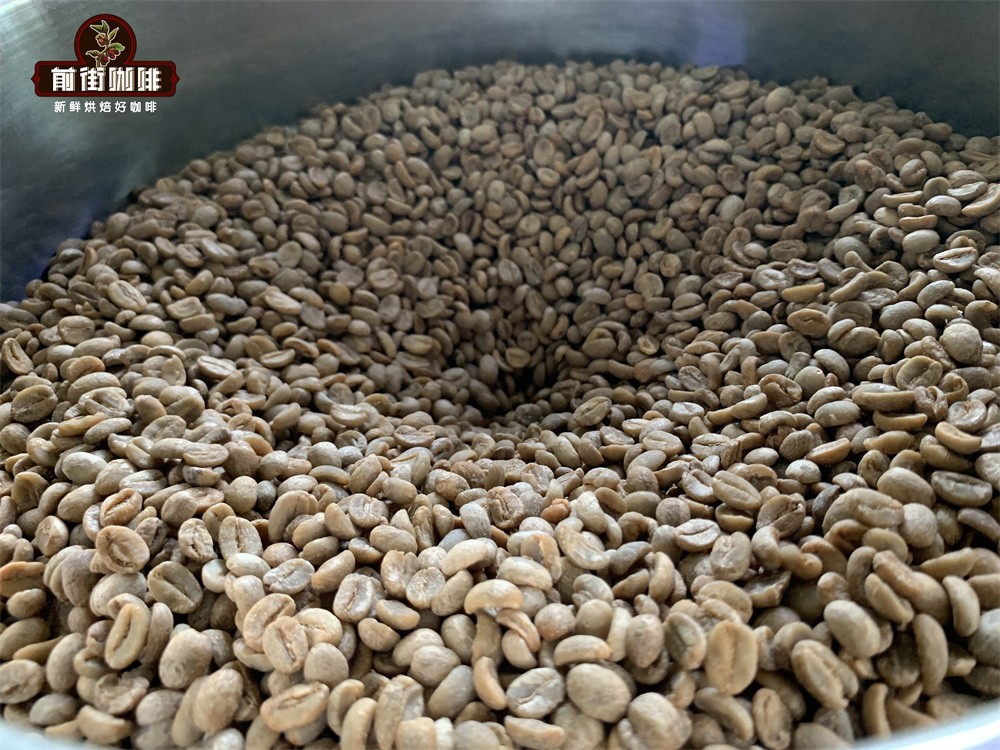
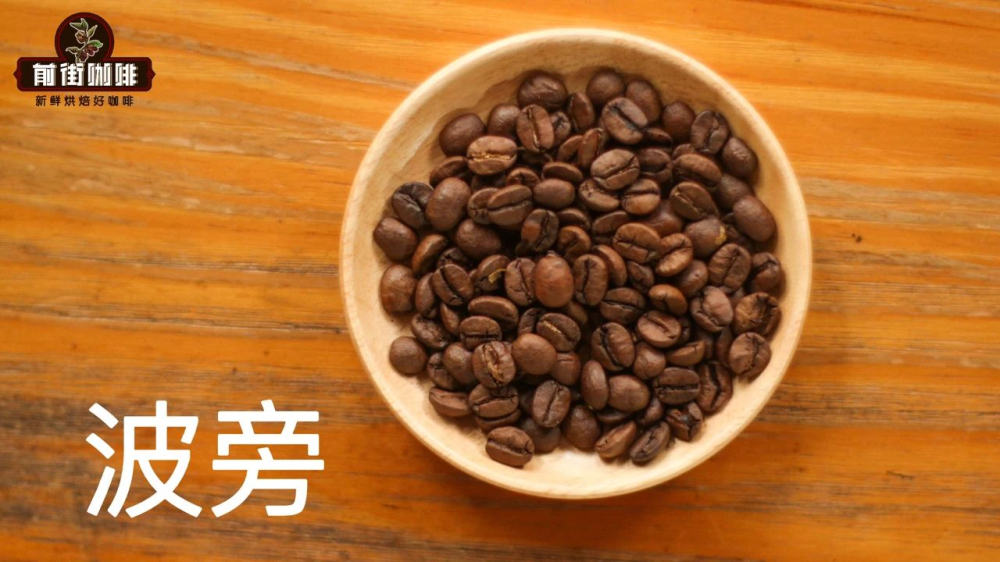
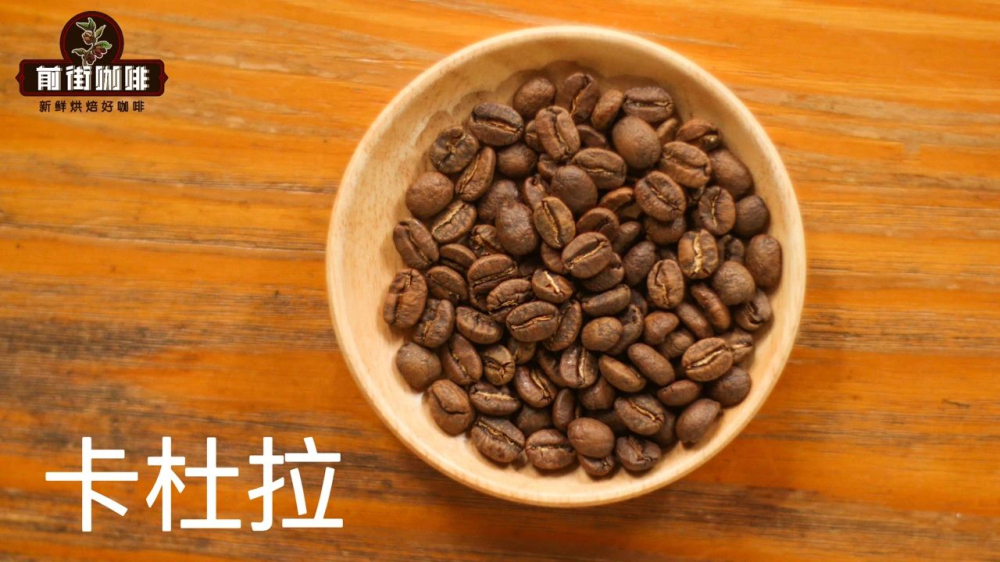
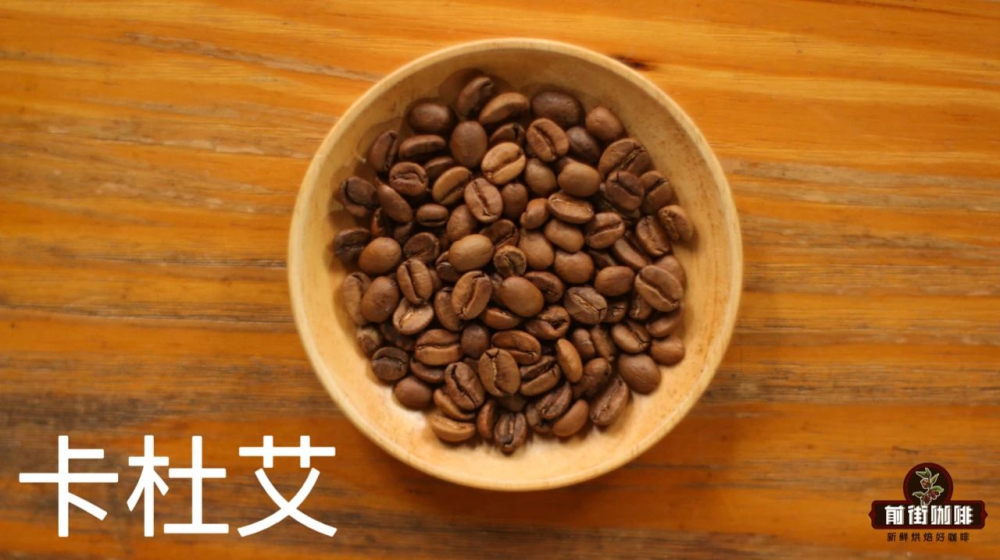
Honduran coffee beans have distinct physical characteristics: plump, uniform beans with a glossy, oily sheen. To facilitate manual picking, growers usually keep trees under 150 cm tall. These hard beans have moderate moisture content, and roasters are advised to use medium to medium-dark roasting (the start of second crack) to fully bring out their full-bodied character. Actual roasting tests show that this variety, once fully developed, presents clear caramel sweetness, paired with a full body and a complex flavor of cream, roasted nuts and milk chocolate.
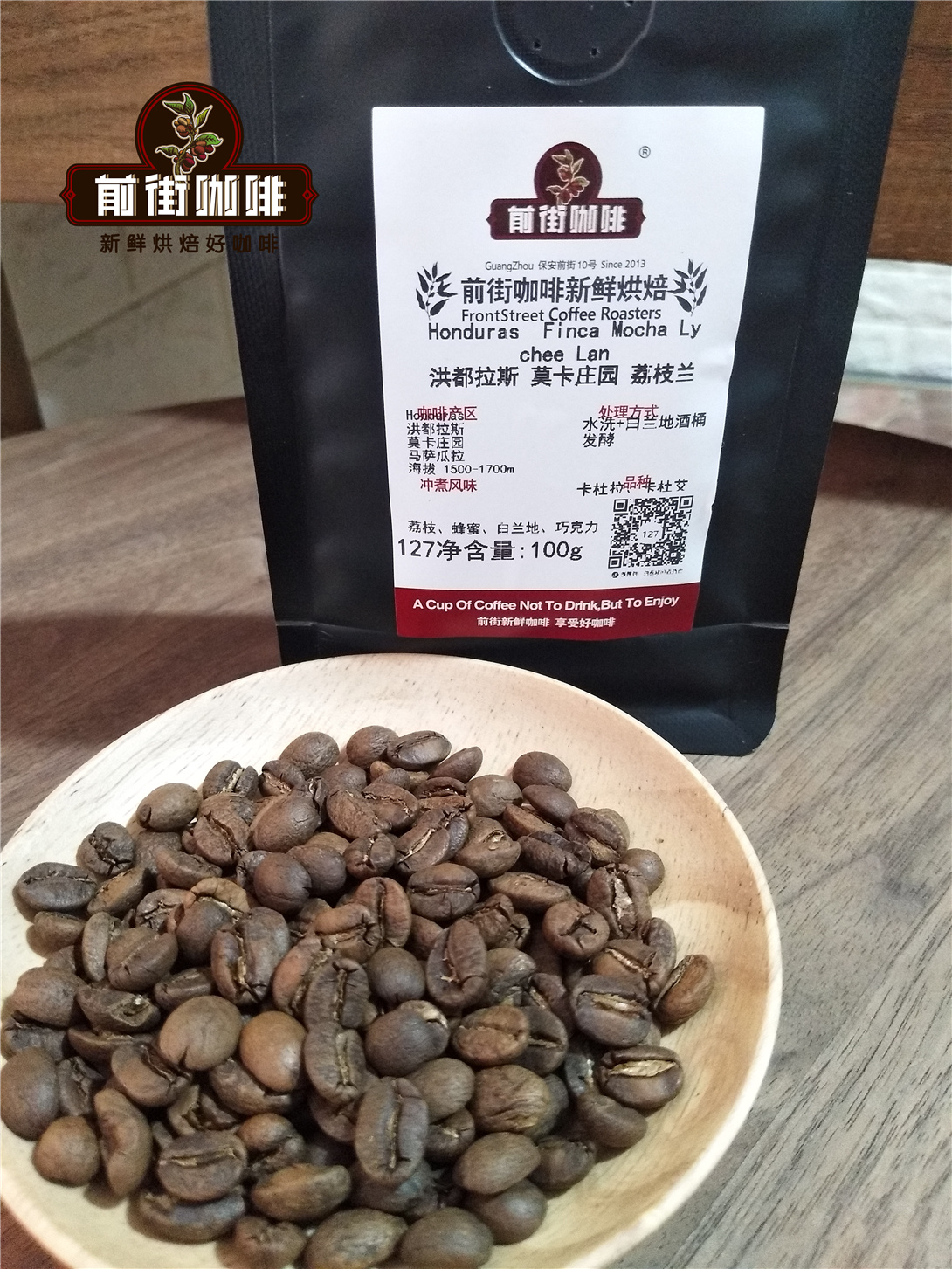
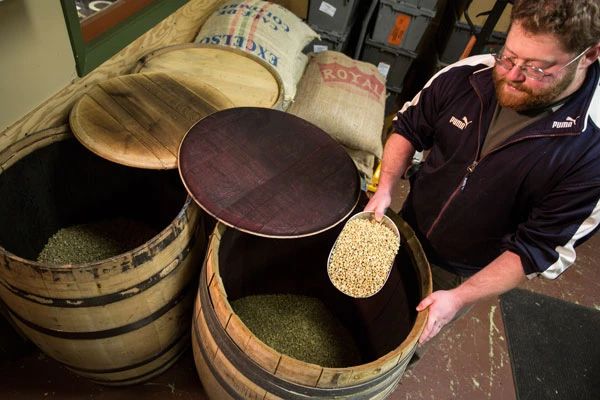
In terms of processing techniques, the barrel-fermentation process that has emerged in Honduras in recent years is quite distinctive. Moca Estate, represented by the Marcala region, selects washed beans and places them in seasoned whisky barrels (or brandy oak barrels) for 30-40 days of low-temperature fermentation (15-20°C), followed by shade drying. This process allows the beans to naturally absorb the ester aromatics in the barrels, ultimately producing layered flavors of whisky, berries, almond and dark chocolate, often with a maple-sugar-like sweetness in the finish.
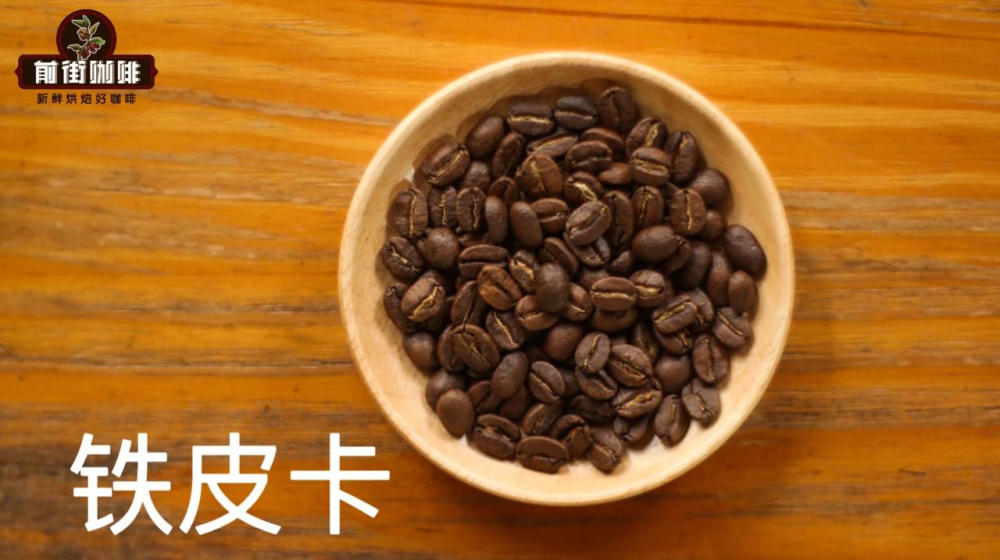
At the variety level, the Arabica system grown in Honduras includes several classic variants: Bourbon has a 60-degree branch angle and excellent fruit quality; Caturra, a dwarf Bourbon variant, offers strong wind resistance and stable yields; Catuai is a hybrid of Yellow Caturra and Mundo Novo, inheriting the dwarf trait and excellent resistance to natural disasters. There are also distinctive varieties such as Maracaturra (a large-bean type) and Pacas (a high-yield, dense-planting type) distributed across different elevation zones.
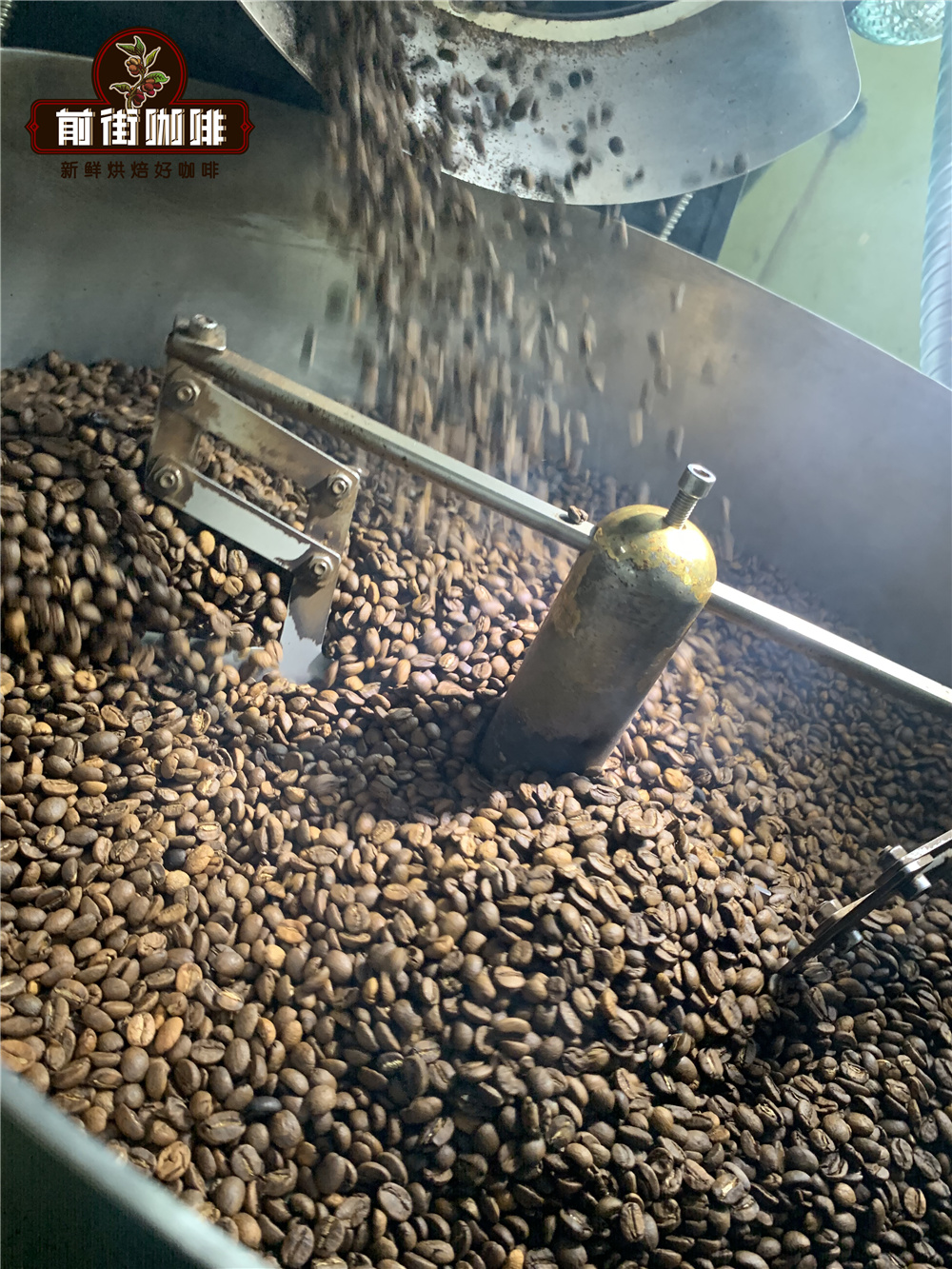
For coffees with specific processing methods (such as the barrel-fermented series), roasters must pay special attention to controlling the development stage. It is recommended to set the charge temperature at 200-220°C, keep the damper at position 3 in the initial stage to promote moisture evaporation, and gradually adjust heat and airflow once the bean surface turns yellow (about 150°C). During first crack (usually 8-9 minutes), closely monitor the frequency of cracking sounds and balance floral-fruity notes with full-bodied depth through precise control of development time. Practical data show that extending development by 30 seconds to 1 minute before second crack significantly improves the integration of wine aroma and nutty flavors.
Looking at regional distribution, southwestern areas such as Marcala have obvious elevation gradients and can produce both crisp, bright citrus-toned coffees and beans with the chocolatey heft for dark roasting. When choosing, consumers are advised to prioritize lots labeled with specific processing methods (such as fine washed plus barrel fermentation) and precise elevation data, as this information is usually closely related to the stability of final cupping performance.