Honduran Specialty Coffee: Flavor, Regions, and Brewing Guide

Introduction: Honduras, a major coffee-producing country in Central America, is known for its distinctive wine-like aroma and layered flavors. This article provides an in-depth analysis of the geographical features, representative varieties, and processing methods of Honduras's six core regions, with a focus on explaining the flavor development of barrel-fermented coffee, and offers professional-grade pour-over parameter recommendations to help coffee enthusiasts fully grasp the unique appeal of Honduran specialty beans, from flavor characteristics to brewing practice.
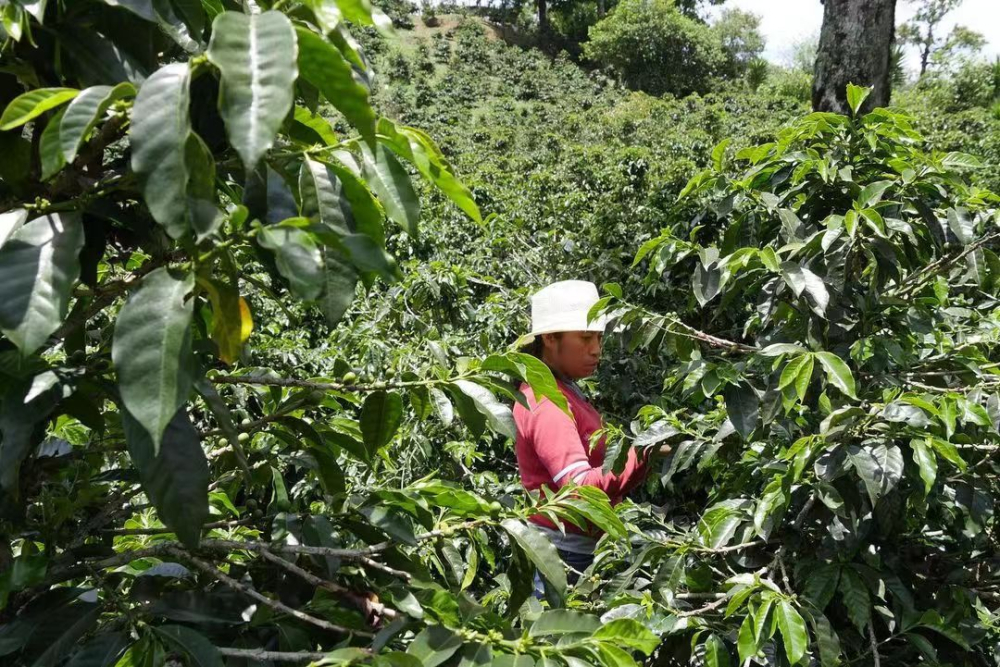
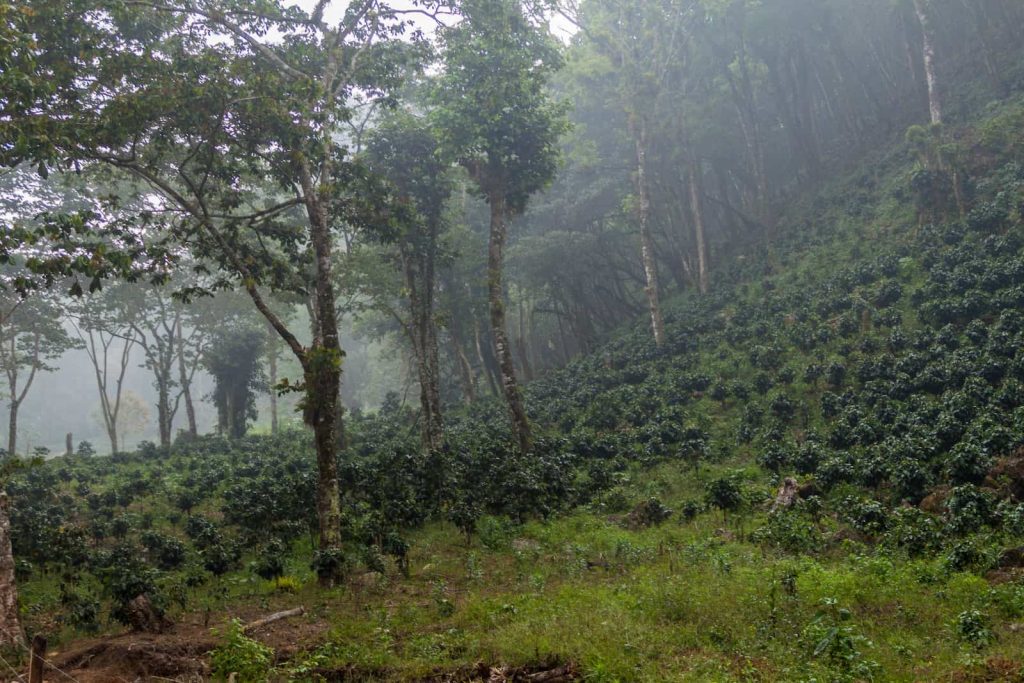
As a mountainous country in Central America, Honduras has developed a unique coffee industry over a century of development. This tropical country, located between 13° and 16° north latitude, has a growing altitude of 1500-1950 meters, a mild climate with an average annual temperature of 25-30°C, and annual rainfall of 2000-3000 millimeters, providing an ideal growing environment for Arabica coffee. Three-quarters of the country's land is covered by mountains, and the Sierra Madre mountain range running through the entire territory creates significant microclimate differences.
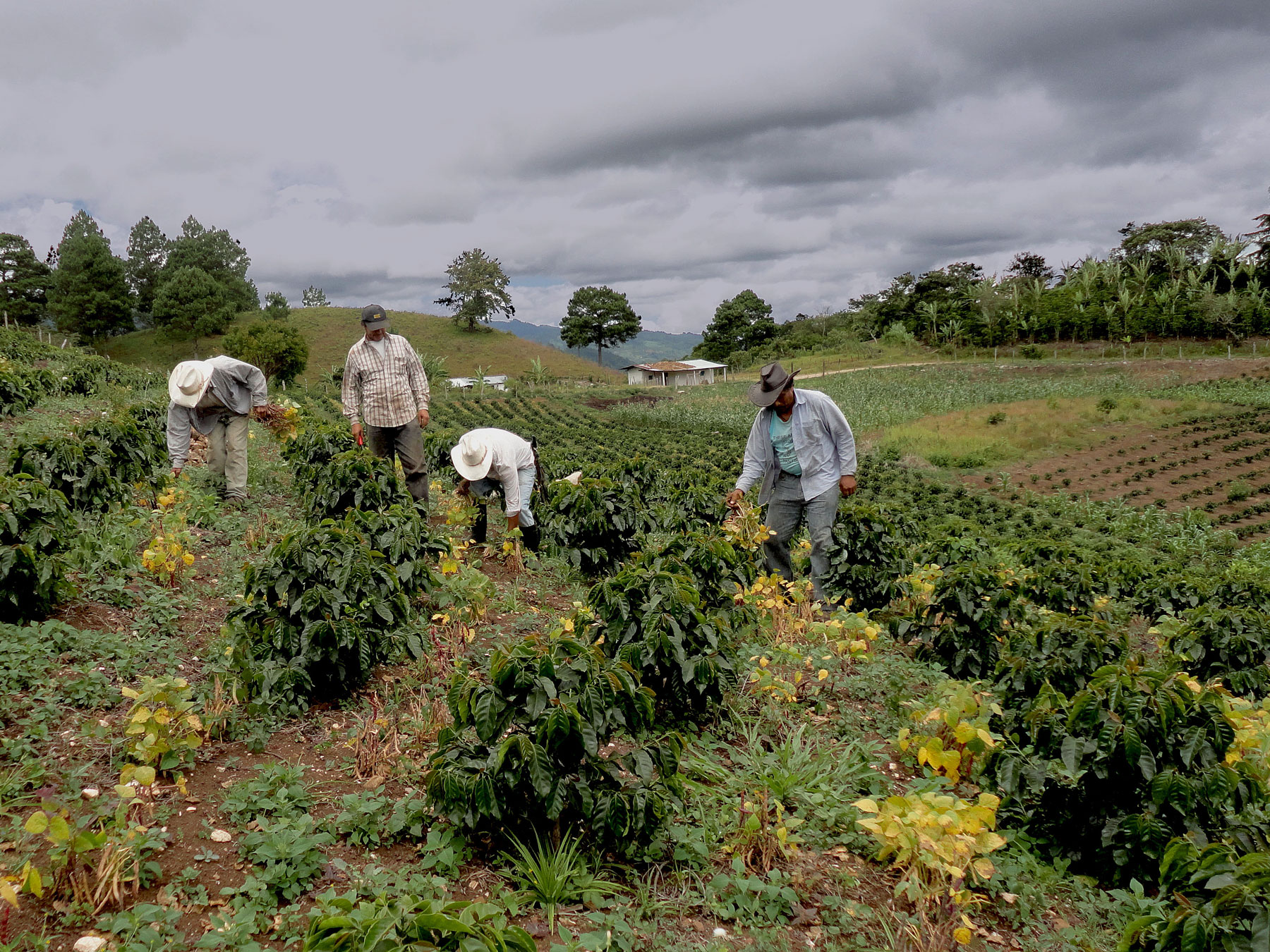
Honduras's coffee-growing history dates back to 1894, but in the early days, due to the long investment return cycle, it was mainly smallholder farming. The government's policy of building mountain roads in 1949 became a turning point, significantly improving coffee transportation conditions. After decades of development, it has now become an important global exporter of Arabica coffee, and its specialty beans are recognized by the market for their prominent wine-like aroma and sweetness.
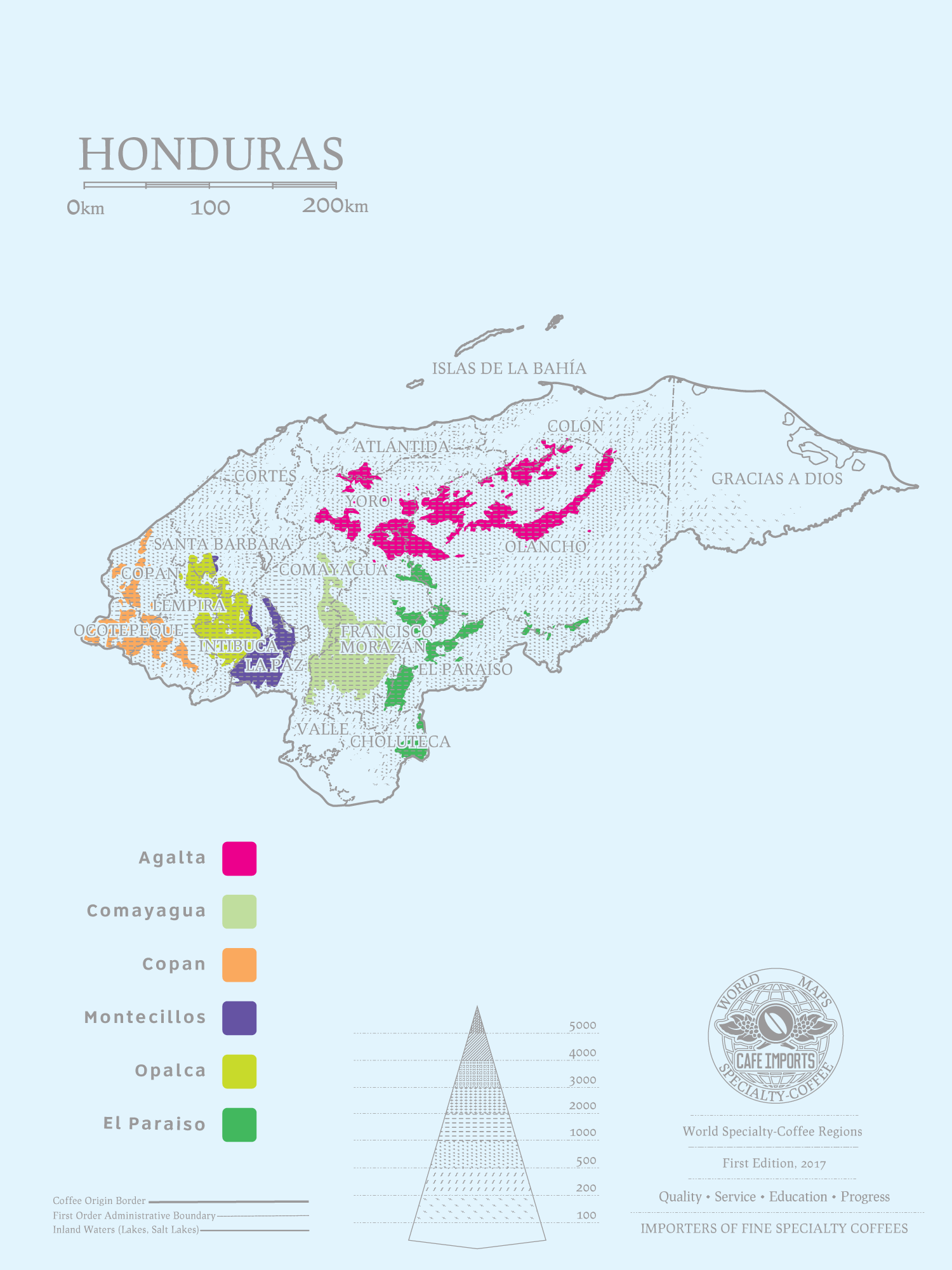
The Honduran Coffee Institute (IHCAFE) divides the country into six core regions, each equipped with a professional cupping laboratory. Based on differences in altitude and microclimate, these regions have developed distinct regional flavor characteristics:
The Copán region (northwest) has an altitude of 1000-1500 meters and mainly produces Bourbon and Caturra varieties, with a harvest period from November to March of the following year; Marcala-Montecillos (southwest) has an altitude of 1200-1600 meters and is known for Bourbon and Pacas varieties, with a harvest period from December to April of the following year; Opalaca (northwest) at 1100-1500 meters is rich in Typica and Catuai; the high-altitude area of Agalta (north) at 1300-1950 meters mainly grows Bourbon and Typica; Comayagua (central-west) at 1000-1500 meters is known for traditional Typica; El Paraíso (southeast) at a wide altitude range of 950-1950 meters produces flavor-rich Catuai.
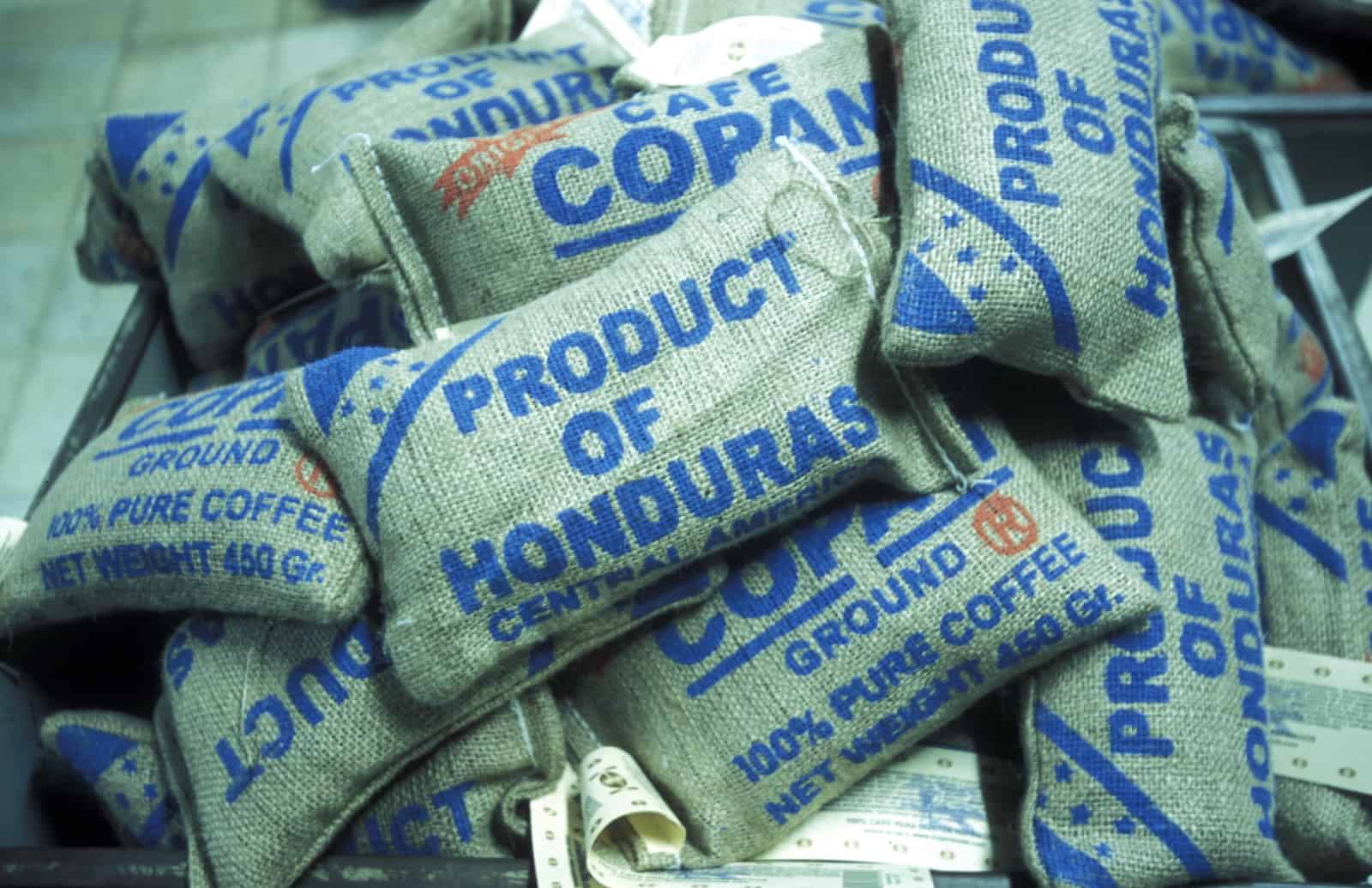
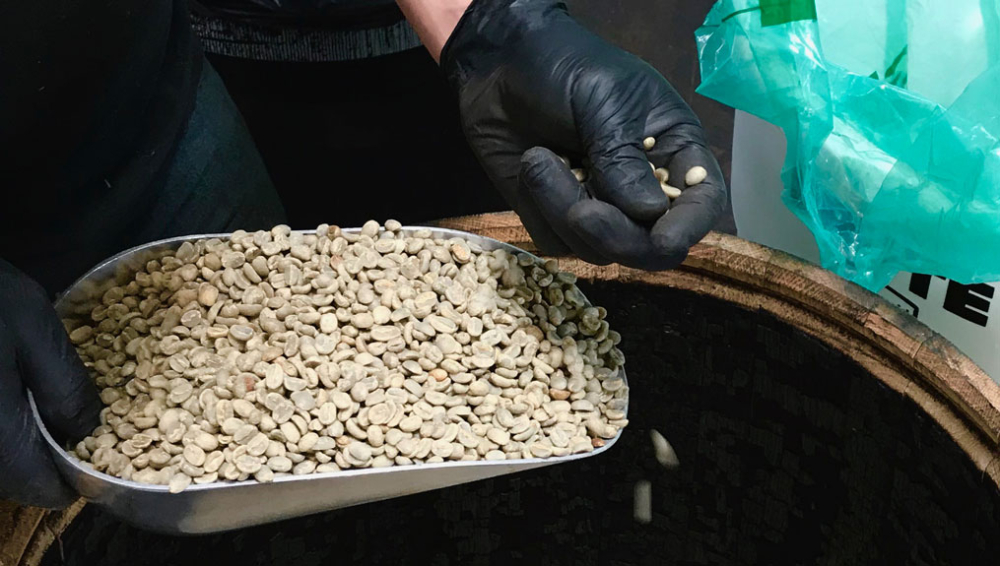
Honduran coffee presents a typical black sugar and caramel base, accompanied by tropical fruit and berry notes. Among them, wine-aroma processing methods have attracted much attention in recent years. This type of coffee presents a whiskey-like mellow feel through special fermentation processes, yet contains no alcohol. Taking the barrel-fermented beans from the Moca estate in the Masaguara region as an example, its Caturra, Catuai, and Pacas varieties grown at an altitude of 1500-1700 meters form unique flavor layers after whiskey barrel fermentation.
Barrel fermentation technology originates from winemaking. It achieves precise oxidation by controlling the air permeability of the barrel walls. Green coffee beans undergo moderate air permeation inside the barrel, which both promotes the fermentation process and softens tannins, while infusing the beans with oak-specific aromatic substances such as vanillin and eugenol. The tannic acid remaining in the barrel undergoes esterification with coffee oils, ultimately forming a complex wine-like flavor structure. This process requires strict temperature and humidity monitoring to ensure stable quality.
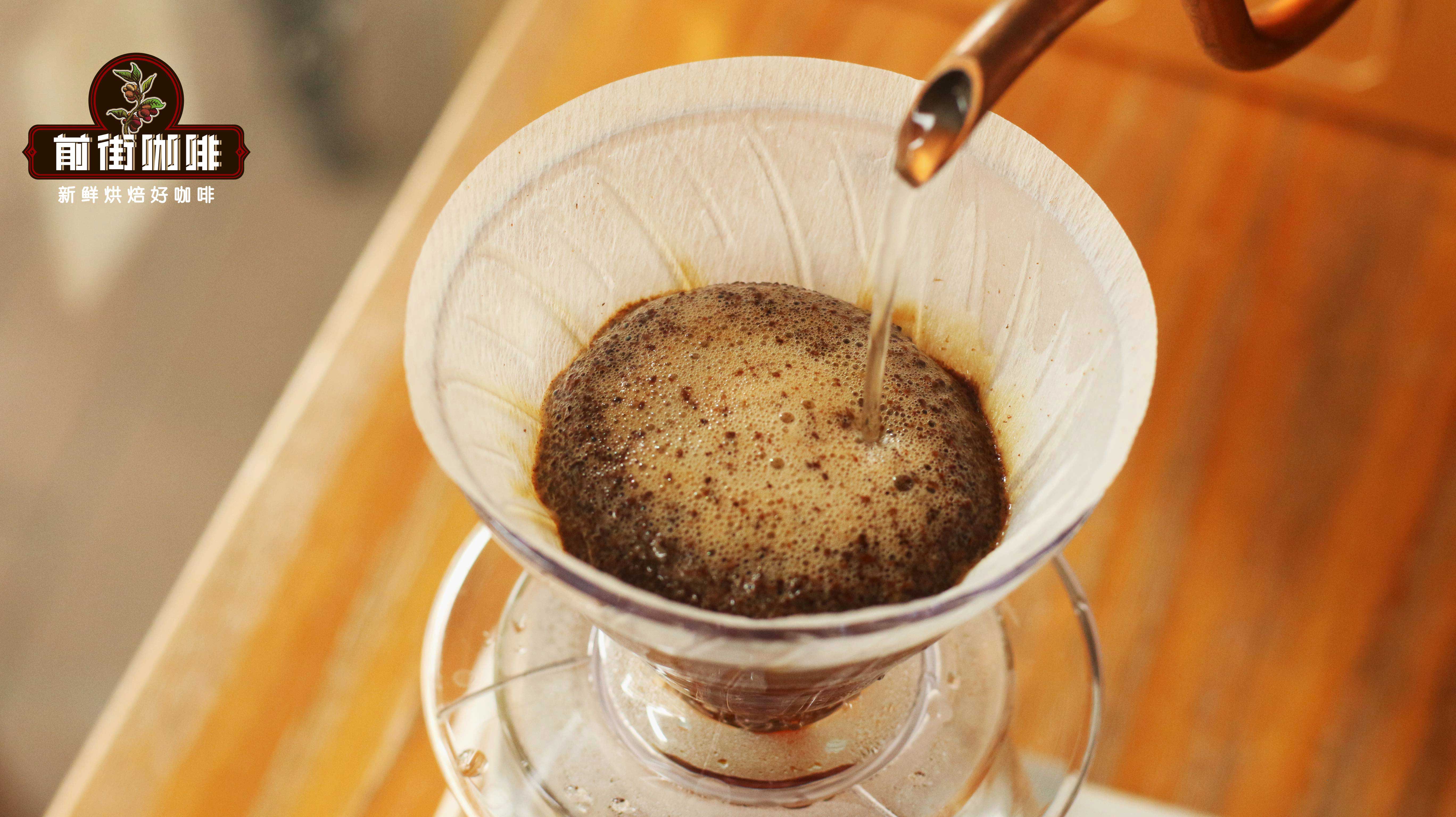
For the pour-over method for Honduran specialty beans, it is recommended to use a V60#01 dripper with a water temperature of 90°C and a coffee-to-water ratio of 1:15. In practice, first bloom 15 grams of coffee grounds at 80% grind size (China No. 20 sieve) for 30 seconds (30 grams of water), then pour in a slow circular stream to 125 grams in stages, and when the water level drops to the coffee bed, continue pouring to a total water amount of 225 grams. The entire extraction process takes about 2 minutes. These parameters can effectively highlight the caramel sweetness and berry acidity of wine-aroma beans, with a distinct maple syrup sweet aftertaste in the finish.