How to brew a better iced Americano: can single-origin beans work?
Introduction: Why does the same coffee bean produce an iced Americano that is sometimes bright and zesty, sometimes flat and unremarkable? From resting time to weather effects to extraction details, there is a lot of knowledge behind a good cup of iced Americano. This article analyzes the key factors affecting iced Americano flavor, explains how to make a good iced coffee with single-origin beans, and offers practical extraction parameters and brewing advice to help you recreate cafe quality at home.
“Did you change the beans? This Americano seems…” When a barista hears a question like this, they inevitably tense up, afraid the customer will complain next that it is “too bitter,” “too astringent,” or “bad.” Instead, the customer smiles and says, “It’s delicious, it feels different from before!” This scene is not uncommon in cafes. It is clearly the same bean, so why is the flavor sometimes so different?
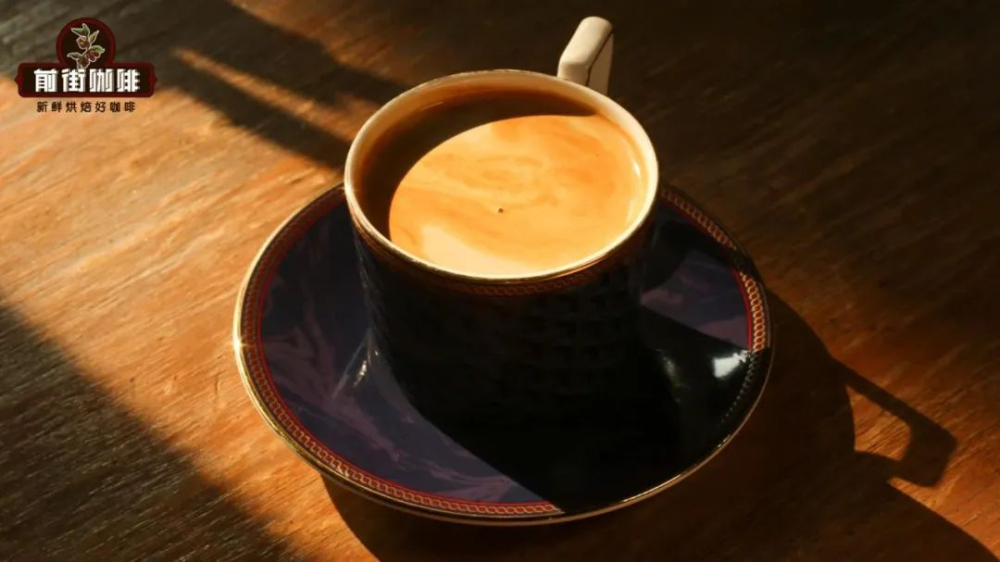
As a best-selling basic menu item in cafes, the iced Americano seems simple to make: cup, water, espresso, then ice. But in fact, the key to its final flavor lies precisely in that shot of espresso. Because water itself is colorless and tasteless, what really determines the flavor of the whole drink is the quality of the espresso.
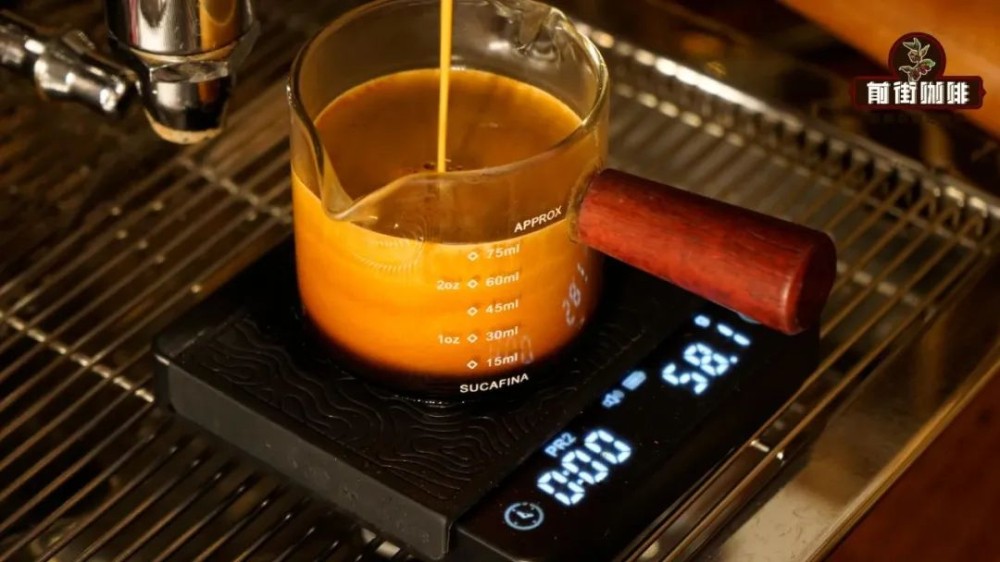
Generally speaking, each cafe’s espresso beans, dose-to-yield ratio, and serving method are relatively fixed. For example, one shop commonly uses a blend, extracting 40 grams of coffee liquid from 20 grams of coffee powder for a single espresso; for a hot Americano, about 160 milliliters of hot water is added at a 1:4 ratio, with the overall concentration controlled between 1.4% and 1.7%, showing flavors of vanilla, cream, slight fermentation, and fruit acidity, with a refreshing and balanced mouthfeel.
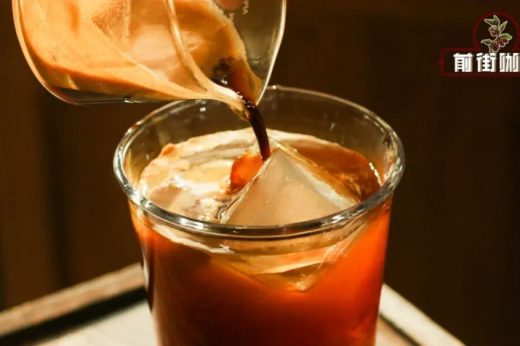
For an iced Americano, 90 grams of ice plus 160 grams of room-temperature water replaces the hot water. Based on the same stable ratio, the flavor should theoretically not fluctuate much. But in reality, even if the beans are not changed and the parameters are not moved, the same Americano can still “change flavor.” So where exactly is the problem?
1. Resting time: freshness directly affects extraction performance
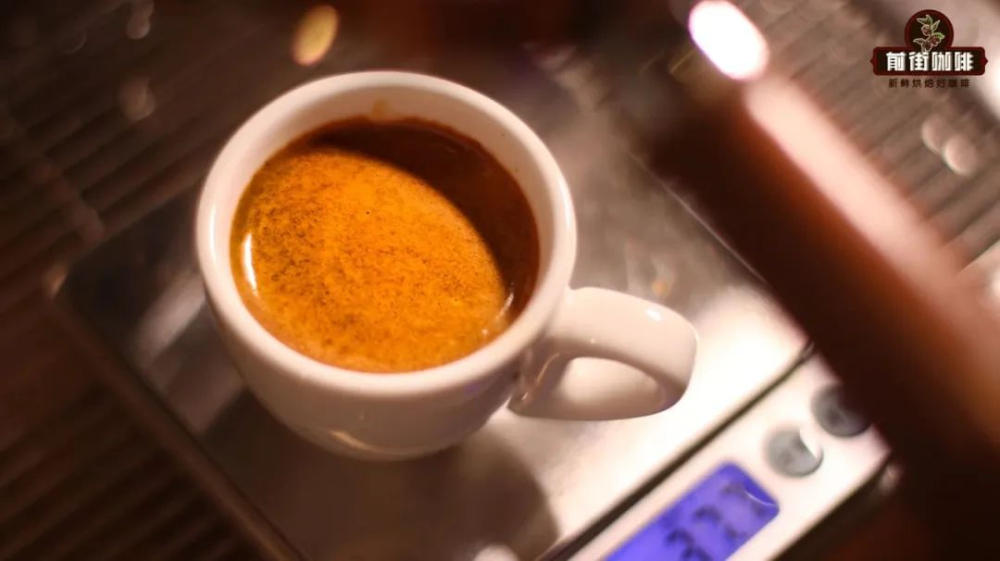
Freshly roasted coffee beans contain a large amount of carbon dioxide, especially dark roasts, whose internal structure is looser and holds more gas. If these gases are not fully released, they will hinder the normal extraction of flavor substances, causing “under-extraction.” At this point, even if operating according to standard parameters, the espresso may appear to have rich crema but actually be rough and unstable, with a thin flavor and no layers.
Therefore, freshly roasted coffee beans usually need a certain “resting period.” It is generally recommended to let them sit for about 10 days before use, allowing the gases inside the beans to escape naturally and reach a more stable extraction state. At different stages of resting, coffee performance also differs: at 10–20 days of resting, the crema is thicker and the flavor leans toward fresh fruit acidity and creamy aroma; after 20–30 days, crema decreases, and back-end flavors such as caramel, nuts, and winey notes are gradually released, making the mouthfeel richer.

2. Weather and environment: humidity and air pressure quietly change flavor
In addition to the state of the beans themselves, environmental factors such as humidity and air pressure also significantly affect espresso performance. In high-humidity weather, coffee beans easily absorb moisture, causing powder particles to clump during grinding, resulting in uneven extraction and even channeling, so some areas are over-extracted and some are under-extracted, thus affecting the overall flavor balance.
In addition, low-pressure environments (such as rainy days or the humid season) reduce the espresso machine’s extraction pressure, making the espresso lack aroma and taste one-dimensional. In this case, baristas often need to fine-tune parameters according to the actual extraction state to ensure flavor stability.
3. Hopper management: don’t let the coffee beans “drop the ball”
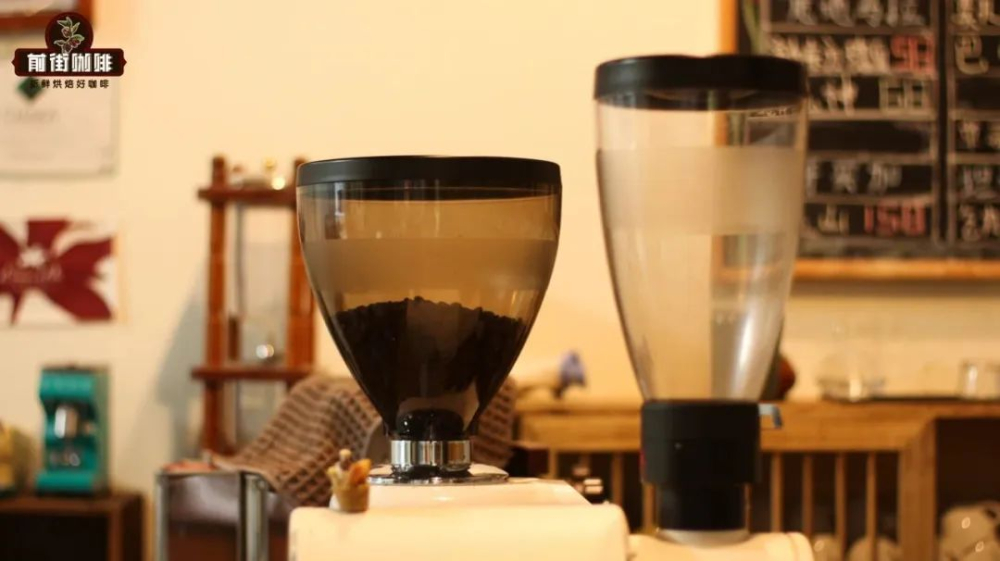
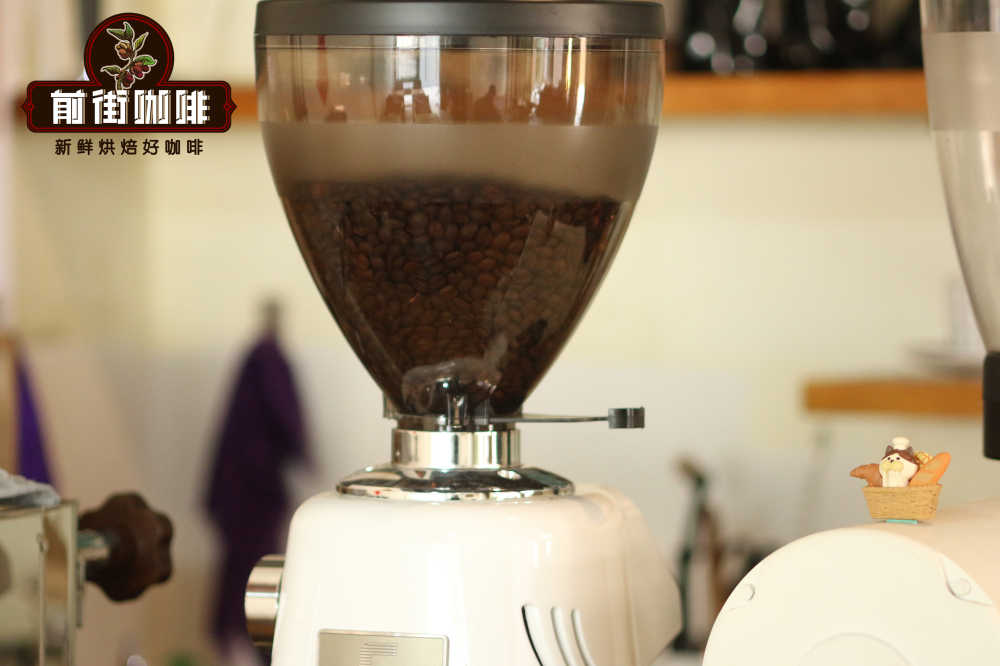
Many baristas fill the hopper before opening, in order to ensure stable pressure inside the grinder, thereby obtaining a uniform particle size and reducing extraction errors. If there are too few coffee beans in the hopper (such as less than 1/4), the grinder pressure drops, which may lead to uneven grind size; with the same dose, the extraction time shortens, and both flavor and concentration deviate from standard parameters.
Therefore, maintaining an appropriate amount of beans in the hopper is an important part of stable output. Never wait until the hopper is almost empty before hastily refilling, otherwise it may affect the flavor consistency of all coffee that day.
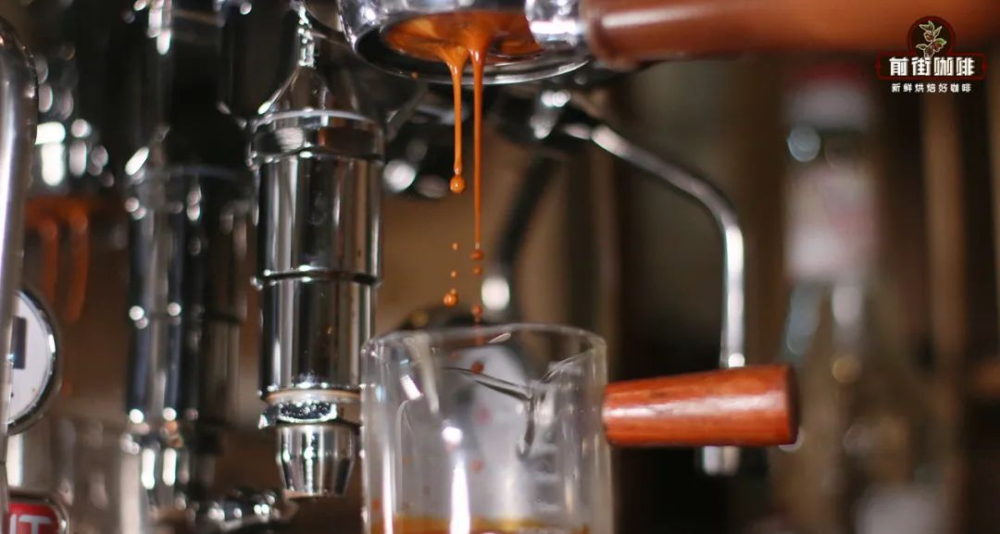
4. Continuous shots and equipment heating: beware of the effects of “overheating”
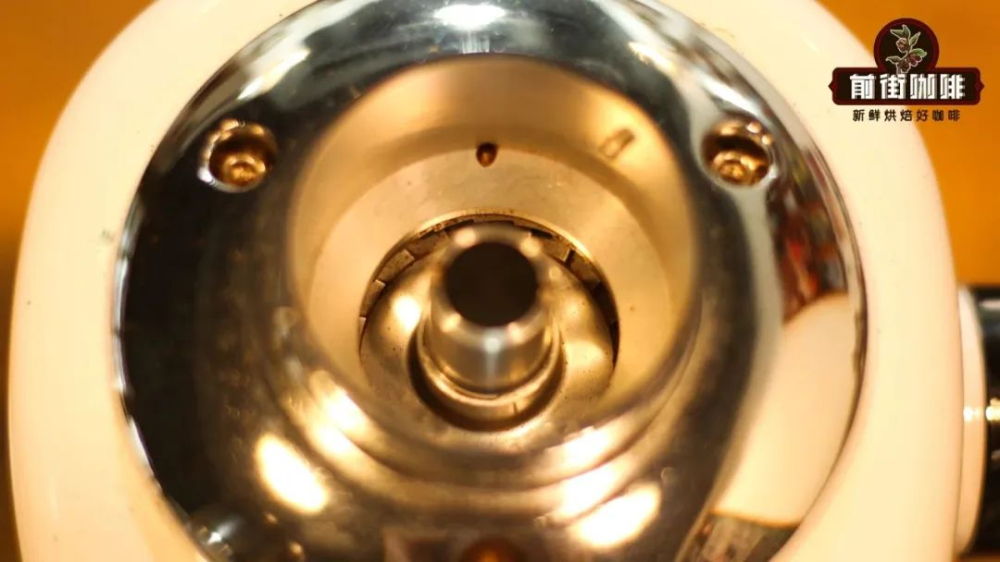
During peak hours, continuous high-speed operation of the grinder causes the burrs to heat up, which in turn makes subsequently ground coffee powder coarser or uneven in particle size, affecting espresso flow rate and extraction efficiency. At the same time, high temperatures also accelerate the volatilization of aromatic substances in the coffee powder, reducing the final coffee’s viscosity and fullness.
To avoid this situation, baristas usually pay attention to equipment temperature during continuous shots and pause briefly when necessary to let the grinder and espresso machine dissipate heat properly, ensuring every cup of coffee is extracted at its best.
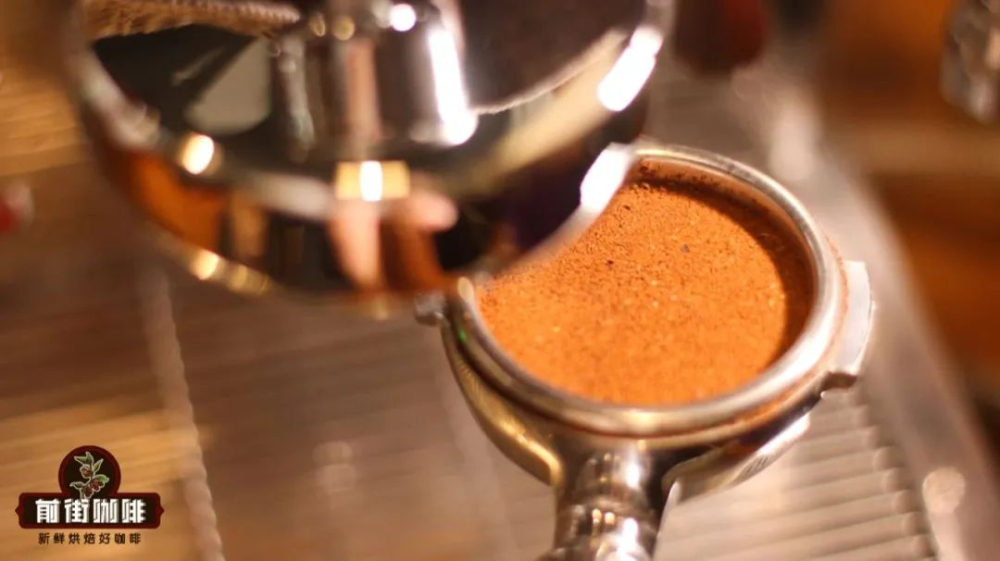
5. Can single-origin beans also make an iced Americano? The key is parameters and handling
Many people think only espresso blends can make an iced Americano, but that is not the case. As long as the roast level and extraction parameters are chosen correctly, high-quality single-origin coffee beans can also make a distinctive iced Americano. It is generally recommended to use medium-light to medium-roast single-origin beans to highlight fruit acidity and floral-fruity notes, paired with an appropriate dose-to-yield ratio and extraction time, then cooled with ice to present a clean, bright, and layered mouthfeel.
For example, use 15–18 grams of single-origin beans, extract 30–35 grams of coffee liquid, control the dose-to-yield ratio at about 1:2, then add an appropriate amount of ice and room-temperature water to adjust concentration, and you can make a distinctive iced single-origin Americano.
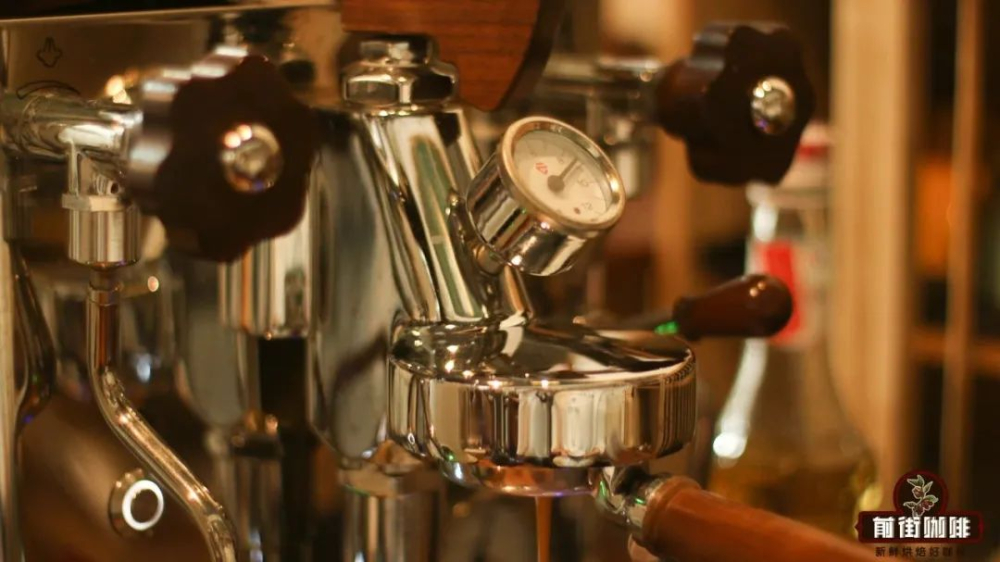
In summary, a good cup of iced Americano depends not only on the quality of the coffee beans themselves, but is also affected by many factors such as resting time, environmental temperature and humidity, hopper management, and equipment condition. Understanding these variables not only helps baristas better control output stability, but also allows coffee lovers to recreate a cafe-level iced Americano at home.
Next time you pick up a cup of iced Americano, take a moment to notice its acidity, sweetness, and aftertaste. Perhaps you will discover more flavor secrets in it.