Global Coffee Regions: Processing Methods and Grading Standards
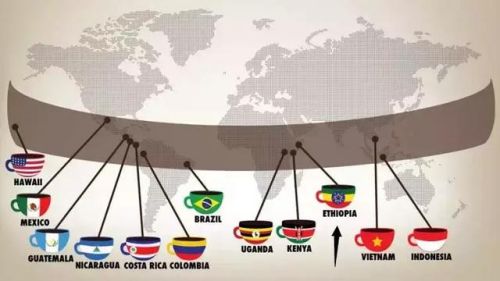
Introduction: From Brazil to Ethiopia, the processing methods and grading systems of different producing regions directly affect flavor expression. This article systematically reviews the core processing techniques, grading parameters, and typical flavor characteristics of ten major coffee-producing countries, helping coffee enthusiasts choose beans suited to their brewing method based on origin characteristics, and understand how key indicators such as altitude and defect rate affect quality.
As the world's largest coffee producer, Brazil contributes one-third of global coffee output, with Arabica as the main variety. Constrained by the generally low altitudes (mostly 800-1200 meters) and flat terrain of the central to southern producing regions, the beans here have lower density, commonly known as 'soft beans,' and are known for low acidity and mellow sweetness, with common nutty and cocoa notes. Since the establishment of the Brazil Cup of Excellence in 1999, the country has used a cup-quality-oriented grading system: five levels from 'Strictly Soft' to 'Rioy' (with an iodine-like harsh taste), of which the top three levels (decreasing in softness) generally offer better roasting adaptability.
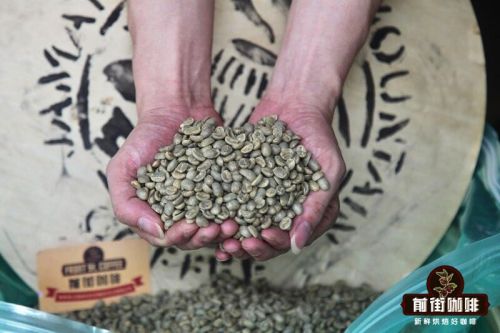
Vietnam, as the second-largest producing region, had its coffee industry introduced by French colonists; Robusta now accounts for over 90%. Washed Robusta is graded into five categories by quality: EK1 (elementary) represents the highest grade, GB (simple standard) is the regular commercial grade, and OIB/WIB correspond to Eastern/Western Indian standards. Note that Robusta typically has higher bitterness and a heavy body, making it suitable for espresso blends or as an espresso base.
Indonesian coffee is known for its complex processing methods, with main producing regions including Sumatra and Java. Arabica and Canephora are graded in detail by defect count, from G1 (≤11 defective beans) to G6 (≤225 defective beans), with G1-G2 being specialty grade. In export terminology, 'WP' (wet hulling), 'DP' (dry processing), and 'AP' (polishing) correspond to different processing methods; 'D/P' (double-picked) and 'T/P' (triple-picked) reflect the strictness of manual sorting.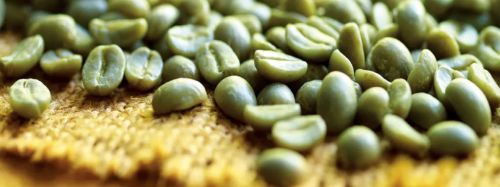 The famous Mandheling coffee comes from Sumatra, where wet-hulling gives it unique herbal and earthy flavors.
Colombia, as the fourth-largest producing region, mainly produces washed Arabica and grades by screen size: beans above screen 18 (about 11.5mm diameter) are the large-bean 'Supremo,' and those below are 'Excelso.' Colombian coffee generally has bright citrus acidity and nutty notes, thanks to the 1200-1800 meter growing altitude of the Andes. Shade growing effectively reduces sunlight intensity and promotes the accumulation of flavor compounds.
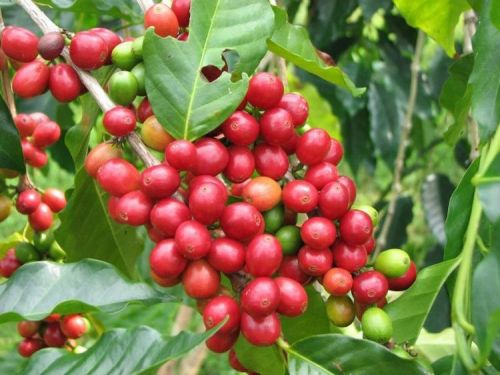
Indian coffee cultivation is concentrated in southern regions such as Karnataka, with 80% exported. The unique high-altitude shade growing (1000-1500 meters) gives the beans low acidity and a rich body, with common spice and chocolate flavors. The main varieties are Arabica and Robusta, mostly processed by traditional sun-drying or honey processing.
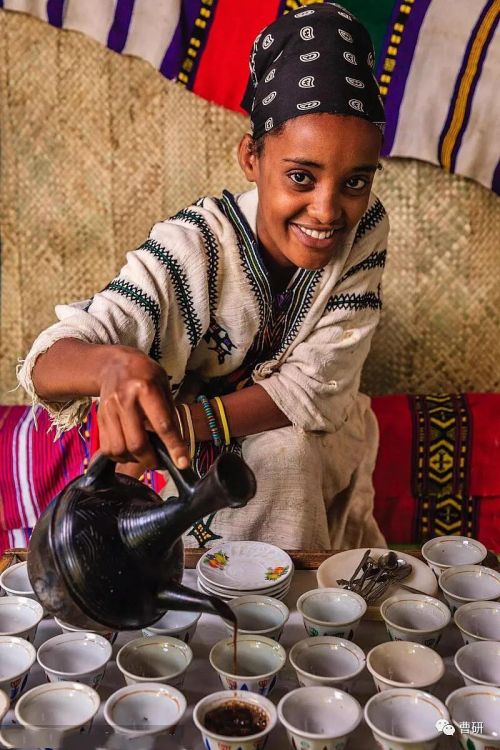
Ethiopia, as the birthplace of coffee, has the world's richest genetic diversity, and processing methods vary significantly among main regions such as Yirgacheffe and Sidamo. Green bean grading strictly distinguishes washed (G1-G2) from natural (G3-G4), with commercial grade usually G4.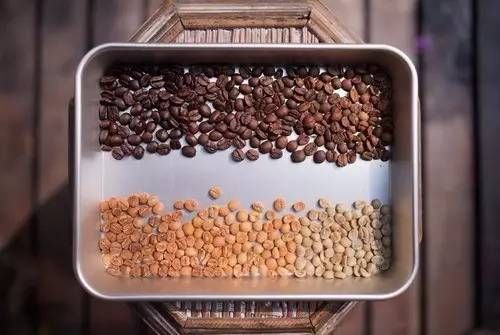 Notably, in recent years high-quality natural beans have also been labeled G1/G2, and their berry and floral notes are highly favored by the specialty coffee market.
Peru is known for organic-certified Arabica beans, grown throughout the Andes. Honduras ensures quality through altitude grading (Standard <1000m / High Grown 1000-1500m / Strictly High Grown >1500m) and a US/European defect standard system (USP/EP); its high-altitude regions often produce specialty beans with citric acidity and a black tea finish.
When choosing coffee beans, it is recommended to consider origin altitude, processing method, and grading parameters together: high-altitude washed beans suit pour-over that highlights acidity (e.g., 90-93°C water), while low-altitude natural beans better suit French press or cold brew to showcase a mellow body. Pay attention to the proportion of defective beans and the roast date, as freshness directly affects flavor expression.