Baking Guide for Blueberry Coffee Beans from Costa Rica's Brunca Region and Analysis of the Processing Method at Piedra Grande Estate

Introduction: An in-depth analysis of the growing background and anaerobic heavy honey processing of blueberry-flavored coffee beans from Piedra Grande Estate in Costa Rica's Brunca region. By comparing three different roast curves, it reveals how precise control of heat, airflow and the pace of temperature rise brings out the best balance of blueberry, rose and fermented wine notes. The end of the article includes a professional cupping flavor comparison and practical roasting parameter references.
Geographic Features of the Brunca Region and Piedra Grande Estate
The Brunca region is located in southern Costa Rica and covers the provinces of Coto Brus, Buenos Aires and Pérez Zeledón. Coffee cultivation began in Pérez Zeledón at the end of the 19th century, and the region is one of the country's six socioeconomic production regions.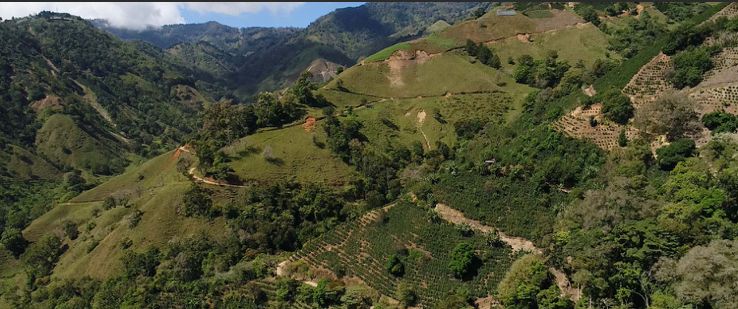 Because the area is close to the Panamanian border, its complex terrain creates diverse microclimates that provide a unique environment for coffee growing. Piedra Grande Estate takes its name from indigenous stone spheres (the mysterious stone balls) unearthed locally and dating from 200 BC to 1500 AD; these artifacts attest to the region's deep historical and cultural heritage.
Characteristics of the Core Coffee Varieties
The estate uses two main varieties, Bourbon and Catuai: Bourbon, a natural mutation of Typica, has ripe fruit that turns wine-red and somewhat round beans; growing at high altitude strengthens its wine-like aromatic layers and bright acidity. Catuai is a cross between Caturra and Mundo Novo, inheriting Caturra's wind and disease resistance and compact tree shape, which makes management and picking easier, and is known for its clear acidity.
Detailed Explanation of the Anaerobic Heavy Honey Process
This process requires strict selection of fully ripe coffee cherries. After the skin is removed, the intact pulp and mucilage layer are retained, and the cherries are placed in sealed tanks, injected with carbon dioxide and kept at 10-15°C for anaerobic low-temperature fermentation. After the first stage, the honey processing begins: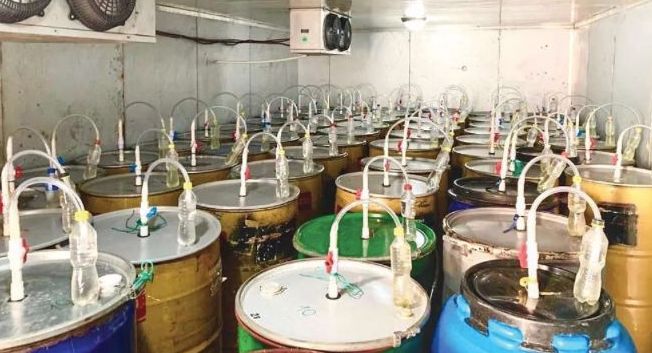 the parchment coffee is spread on raised beds to dry, with the temperature kept below 40°C throughout; after 8 hours it is moved into a greenhouse and left to rest for 12 hours. This cycle continues for 20-25 days until the green bean moisture content reaches 15%. Finally, the beans are put in inner bags and wrapped in cloth bags and stored in a cool, ventilated place until the moisture content stabilizes at 11%.
Roast Curve Comparison Experiment
Three curves were tested on a Yangjia 800N roaster (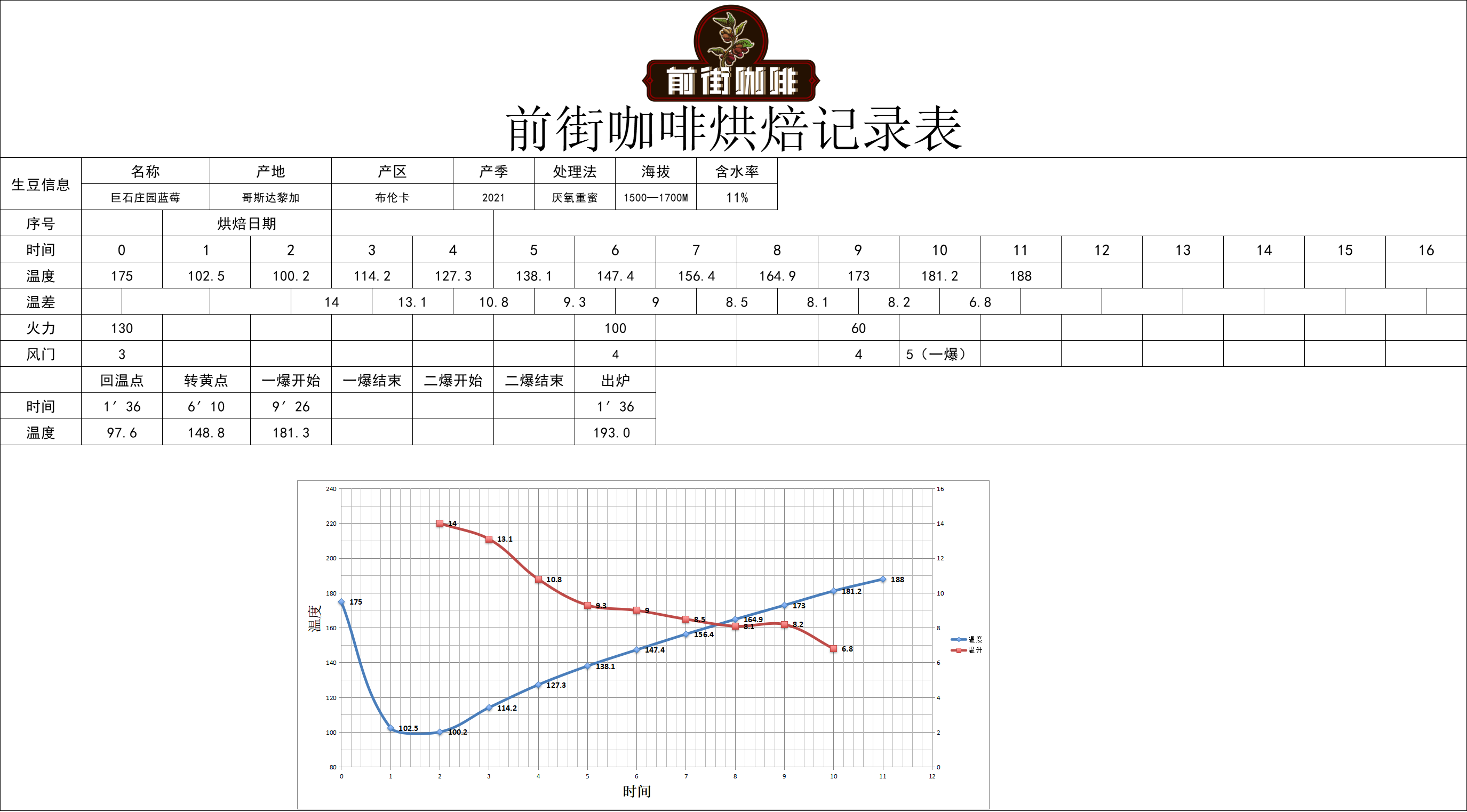
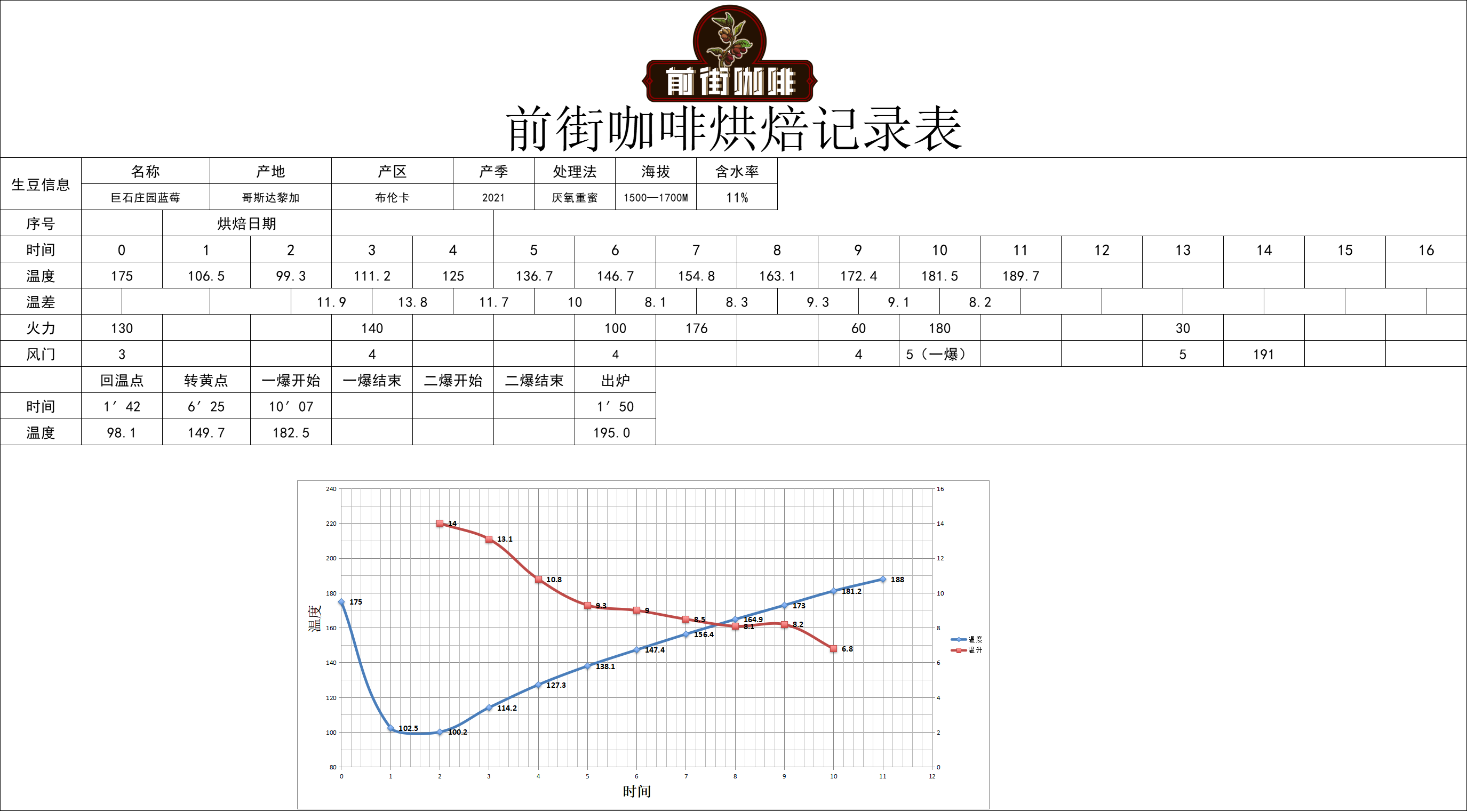
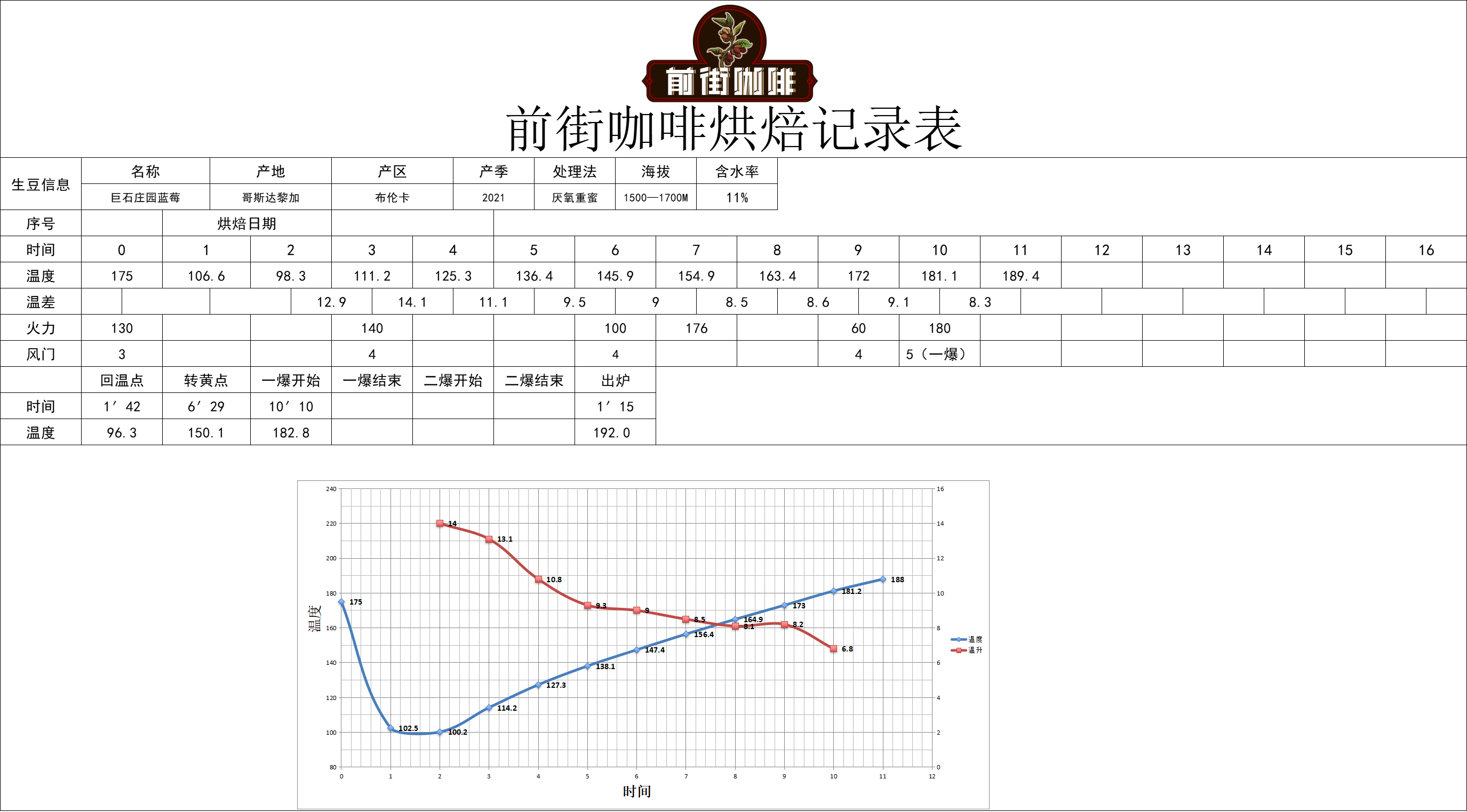 ), and the key parameter differences are as follows: the charge temperature was 175°C for all, with initial heat 130 and airflow 3; the turning point fell between 1'36" and 1'42", and the airflow was adjusted to 4 when the drum temperature reached 140°C. During the dehydration stage, the bean surface turned yellow when the drum temperature reached 148.8-150.1°C; the heat was reduced to 100 at 176°C and further to 60 at 180°C, with airflow maintained at 4. The precursors of first crack (dark streaks on the bean surface, toasted bread aroma turning to coffee aroma) appeared at 9'50", 10'00" and 10'00", corresponding to first crack start times of 9'56", 10'07" and 10'10", at which point the airflow was adjusted to 5 in all cases. The development stage duration and drop temperature were: 1'35 minutes/193°C, 1'50 minutes/195°C, and 1'15 minutes/192°C.
Cupping Flavor Performance and Conclusion
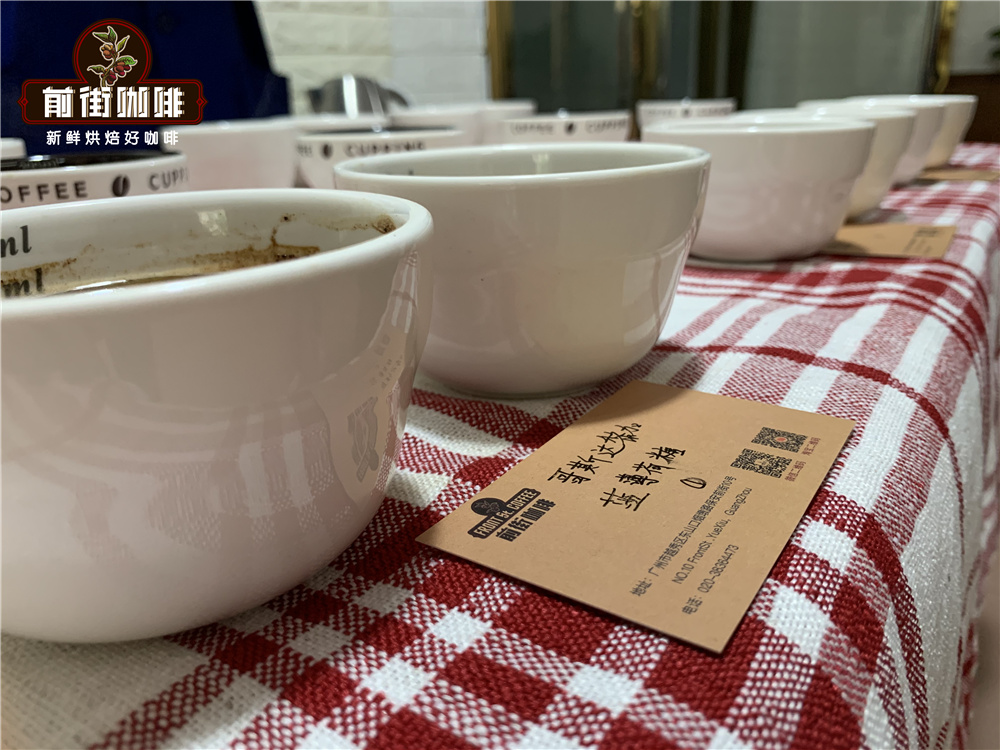
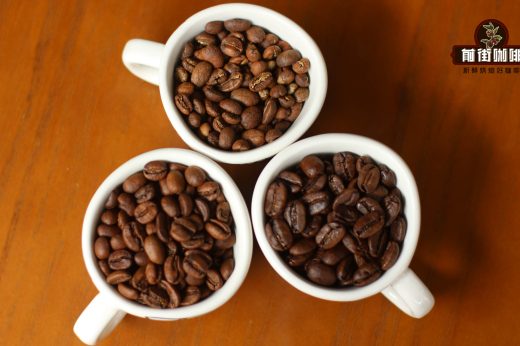
The three curves showed significant flavor differences: Curve 1 presented rose, fruit gummy, fermented wine, blueberry and mint, with prominent fruit acidity and floral notes and the best balance; Curve 2 had rose, grape, blueberry, fermented wine and caramel but with astringency; Curve 3 had rose, citrus, green grape, fermented wine, blueberry and mint but showed sharp acidity. The overall assessment shows that the temperature control pace of Curve 1 (especially the slow development at 193°C after first crack) better highlights the synergy between blueberry sweetness and rose aroma, and pour-over or roasting enthusiasts are advised to refer to these parameters when adjusting.