Beginner's Guide: 4 Affordable Hand Grinders Compared for Pour-Over
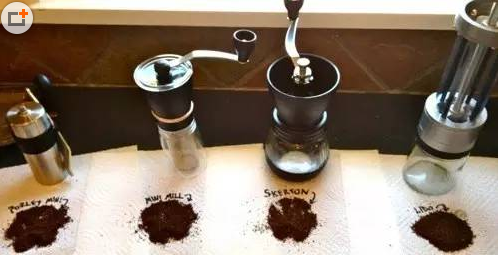
Introduction: For beginners just getting into pour-over coffee, choosing a suitable grinder is crucial. This article compares four popular hand grinders through hands-on testing, from grind uniformity and ease of operation to value for money, to help you find the home grinding setup best suited for beginners. It focuses especially on real-world performance in pour-over scenarios, with modification tips and buying advice included.
As a dedicated coffee enthusiast, the author spent a month testing four mainstream hand grinders, focusing on their coarse-grind performance for pour-over coffee (used with Hario V60, AeroPress, Kalita Wave and other devices). This review covers only basic grinding function and does not address fine-grind scenarios such as espresso.
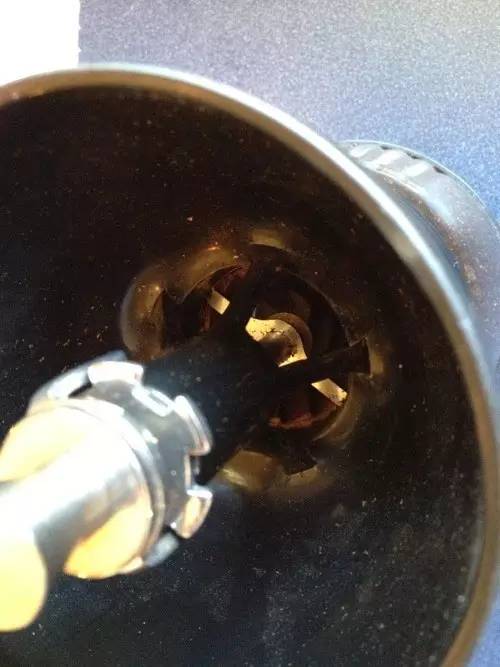
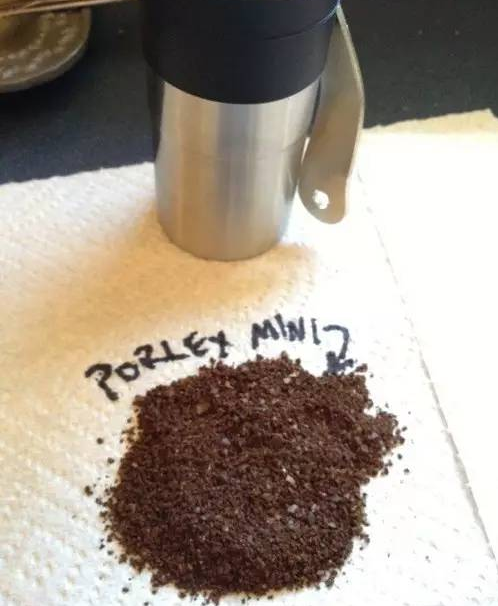
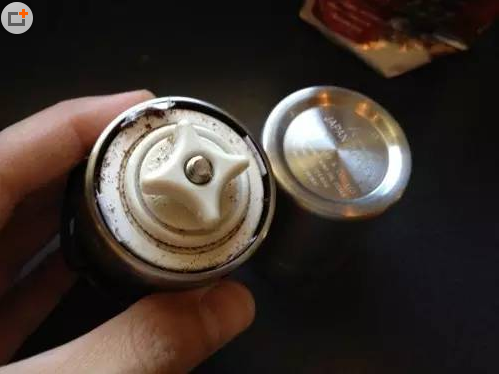
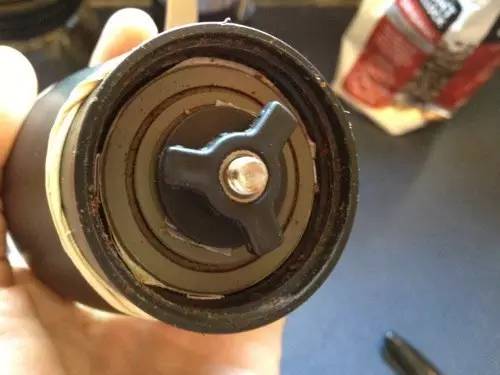
The top pick, the Porlex Mini, can be called a 'pocket-sized' grinder: its compact 6cm diameter design lets it fit directly inside an AeroPress. Its anodized aluminum body weighs only 180g, making one-handed operation effortless. Testing found that resistance is distributed evenly during grinding, but there is a clear drawback—poor separation of coarse and fine particles (about 15% fines visible to the eye), so pairing it with a vibration sieve is recommended. Special note: attaching food-grade liner paper to the gap between the inner wall and the burr can improve stability by 10%–15%.
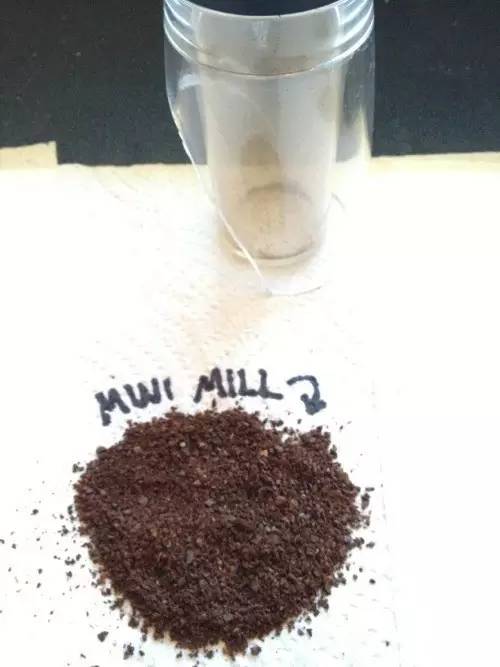
The Hario Mini Mill, at a budget-friendly price of 298 yuan, is the first choice for limited budgets. The stock plastic grounds cup easily produces static and flying grounds; in testing, after securing the body and the sharing pot with 3M Scotch tape, not only could the grounds-catching step be skipped, but grind uniformity improved by about 20% (the fines ratio dropped from 18% to 14%). Note that although its ceramic burr is hard, grinding dark-roasted beans over the long term tends to leave obvious wear marks.
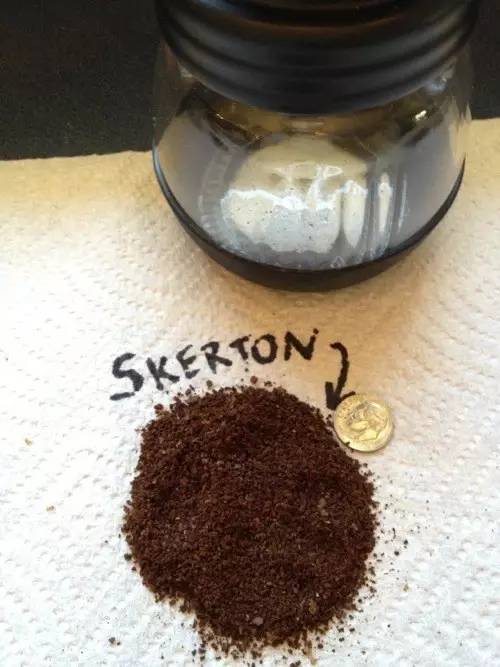
The Hario Skerton Pro, modified with the OE kit, showed unexpected potential. The original version's 'center feed' problem was improved by adjusting spring pressure, and testing showed fines content kept within 12% (better than the stock version's 19%). Although its 720g weight makes it somewhat clunky, its dual-bearing structure delivers a smoother grinding feel. Modification note: the grind adjustment ring requires fine adjustment with a precision wrench; over-tightening may cause the gear set to seize.
The professional-grade Lido 2 stands out with its patented conical burr design, with a particle size deviation of only ±0.3mm (close to commercial grinder standards). The detachable 304 stainless steel grinding assembly allows quick cleaning, and the included silicone storage case effectively prevents oxidation. Testing showed its grinding efficiency is 40% faster than similar products, but its 9.5cm diameter body is not suitable for carrying around. Special note: although the glass viewing window is attractive, avoid large temperature differences that could cause it to crack.
Overall comparison shows: for ultimate portability, choose the Porlex Mini; on a limited budget, prioritize the modified Hario Mini; for long-term value, the Skerton Pro is the first choice; and the Lido 2 is the ideal choice for a professional-grade pour-over experience. Beginners are advised to start with the Mini Mill to build experience, then upgrade equipment once they have mastered grinding parameters.