How to Choose a Pour-Over Kettle: 5 Key Buying Tips for Beginners
Introduction: Choosing a suitable pour-over kettle is a key step in improving coffee extraction stability. From spout design to capacity selection to heat retention, every detail affects the final flavor expression. This article will explain in detail the core buying factors for pour-over kettles, helping you avoid common pitfalls and find the tool best suited to your brewing habits.
As one of the core tools of pour-over coffee, the performance of the pour-over kettle directly affects pouring stability and extraction efficiency. Whether you are a home user or a coffee enthusiast, choosing a suitable pour-over kettle can make the brewing process more effortless.
First, capacity selection is a basic consideration. Most pour-over kettles are recommended to be filled to at least 80% capacity, so the capacity should not exceed 1 liter. An oversized body not only increases the operational burden but also affects the precision of water flow control due to weight. For daily use, a capacity of 500-800 ml is usually more practical.
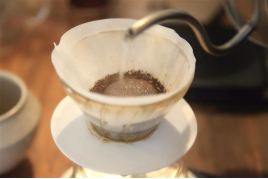
Second, water flow stability is crucial. Pour-over coffee relies on a continuous and even stream of water for extraction; a stream that varies in size or is intermittent will lead to uneven coffee extraction. Observing whether the water stream is straight and whether its thickness is stable is a key indicator for judging the quality of the spout design.
Regarding spout types, common designs include fine spout, flat spout, and gooseneck spout. A fine-spout kettle (about 4-5 mm in diameter) delivers concentrated water and is easy to control, making it especially suitable for beginners practicing basic pouring techniques.A flat-spout kettle produces a flatter stream, suitable for brewing methods that pursue large-area pouring; while a gooseneck kettle, due to its extended spout design, allows users to observe the water stream's landing point more clearly and adjust the pouring position more easily.
Material and heat retention should not be overlooked either. Small fluctuations in water temperature during brewing affect the dissolution rate of coffee compounds; ideally, within a 2-4 minute brewing time, the water temperature should remain stable within ±2°C. Stainless steel and copper kettle bodies provide better heat retention, while some high-end kettle models further reduce heat loss through a double-wall vacuum design.
In addition, handle design also affects the user experience. An ergonomic grip can reduce fatigue during long operations, and a kettle body with balanced weight distribution is more conducive to precise control of the pouring angle. It is recommended to actually hold and try it to ensure that prolonged use does not easily cause hand fatigue.
Finally, a reminder: when buying, there is no need to blindly pursue complex features. For beginners, a basic fine-spout kettle is sufficient to meet their needs; advanced users can choose a more suitable spout shape according to their personal brewing style (such as center pouring or circular pouring). Remember, the tool is only an aid; mastering a stable pouring technique is the core of improving coffee quality.