Pour-over grind size guide: optimal settings and flavor impact by roast level
Introduction: Grind size is one of the key factors in brewing a balanced pour-over coffee. Coffee beans of different roast levels require different grind sizes to fully express their unique flavors. This article details the recommended grind size ranges for light, medium and dark roasted beans, and analyzes the effects of grinding too fine or too coarse on extraction, helping coffee enthusiasts find the grind parameters best suited to their beans.
Grind size plays a decisive role in the flavor performance of pour-over coffee. Under identical brewing parameters, the finer the coffee grounds, the larger the contact area between water and grounds, which easily causes over-extraction and produces bitterness; grinding too coarse leads to under-extraction, leaving the coffee thin and noticeably sour. Therefore, adjusting grind size according to the roast level of the beans is a key step in improving pour-over coffee quality.
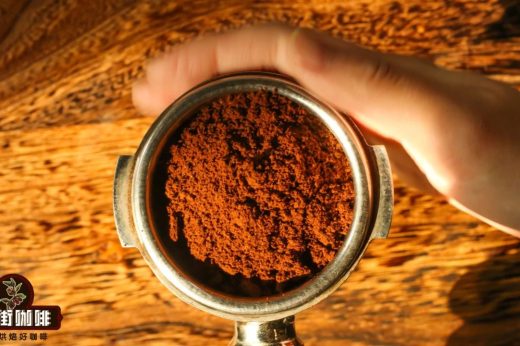
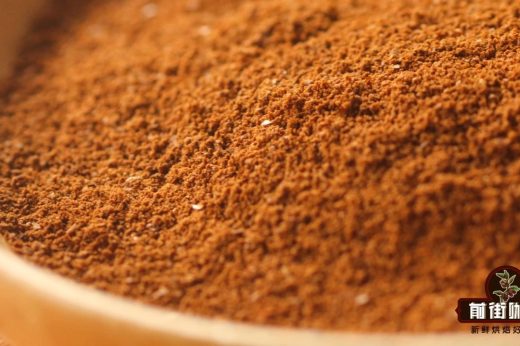
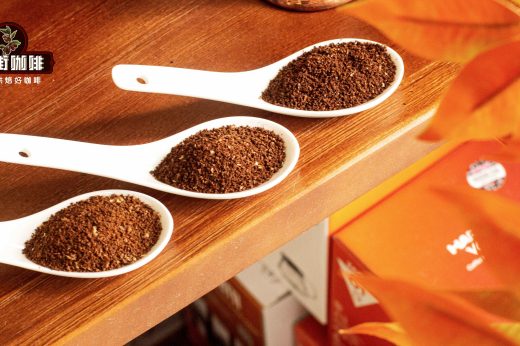
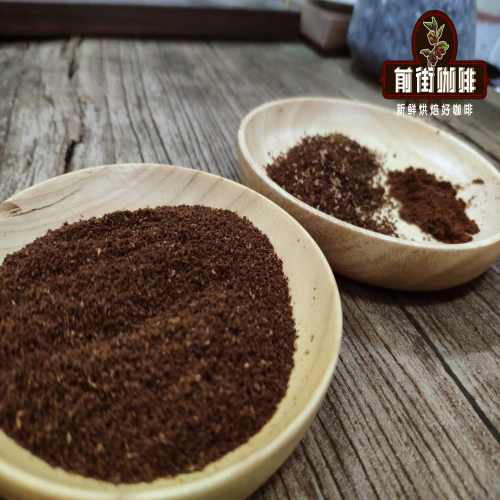
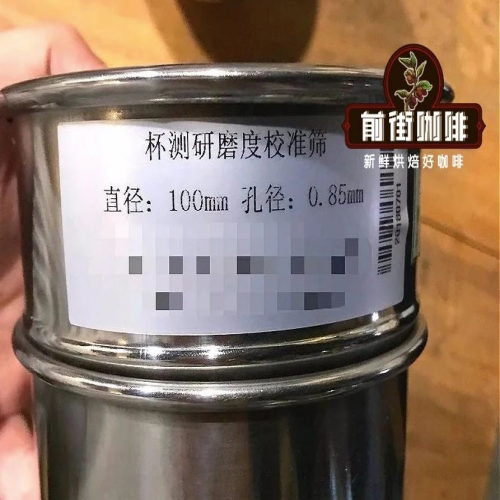
How do you judge whether the grind size is appropriate? The industry's common reference standard is a 0.85 mm sieve (equivalent to China's standard No. 20 sieve); an ideal pour-over grind should let about 80% of the coffee grounds pass through this sieve. However, this figure needs flexible adjustment based on actual conditions. For example, light roasted beans, due to their higher density, may have a slightly higher recommended pass rate of about 85%; medium roasted beans suit a 75% pass rate; and dark roasted beans, being more brittle, are better suited to a 70-67% pass rate. These figures provide valuable reference for coffee enthusiasts.
When the grind is too fine, the coffee particles pack tightly together, slowing the flow of water and noticeably prolonging the brewing time. Observing the bed reveals the grounds forming a muddy mass in which individual particles are hard to distinguish. In this state, the surface area of the coffee particles increases greatly, and over-extraction makes the coffee taste overly intense, with prominent bitterness and a marked astringency, masking the original delicate layers of flavor. A common misconception is that finer is always better; in fact, you need to find the point of flavor balance.
Conversely, when the grind is too coarse, the gaps between large particles let water pass through too quickly, significantly shortening the brewing time. The bed is often insufficiently compact and may show obvious fissures. Because the surface area of the coffee particles is reduced, extraction efficiency drops, and the resulting coffee tastes flat and lacking in layers, with prominent acidity but no clear main flavor. A mistake many beginners make is starting with too coarse a grind, which prevents the flavor compounds from being fully extracted.
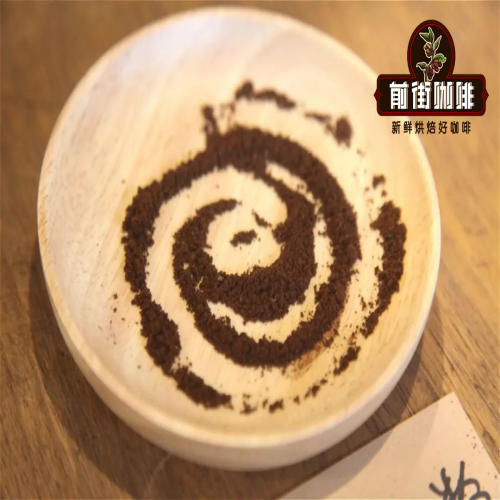
It is worth noting that every coffee bean has its own unique optimal grind parameters. Even beans of the same roast level from different origins require fine-tuning of the grind due to differences in physical characteristics such as density and hardness. Coffee enthusiasts are advised to keep a reliable sieve tool, check grind size regularly, and make fine adjustments based on actual brewing results. Remember, the ideal grind should let the coffee show bright fruity notes, rich layers and just the right body, rather than a single note of bitterness or sourness.
Mastering the art of grind size takes practice and observation. It is recommended to start from the suggested baseline parameters, record brewing time and flavor performance after each small adjustment, and gradually find the grind setting best suited to your taste and equipment. This not only improves coffee quality but also gives you a deeper understanding of the mysteries of coffee flavor.