Pour-over coffee grind size explained: adjusting coarseness to enhance flavor layers
Introduction: Grind size is one of the key factors affecting flavor release in pour-over coffee. This article explores in depth how coffee grind coarseness affects extraction efficiency and taste performance, helping you understand the ideal grind range corresponding to different brewing methods. By mastering the technique of adjusting particle size, you can not only avoid the bitterness of over-extraction or the thinness of under-extraction, but also better bring out the potential flavor characteristics of the coffee beans.
How does grind size affect coffee flavor?
The coarseness of the coffee grind directly determines the surface area of contact between water and coffee grounds, which in turn affects the extraction rate of soluble substances. Simply put, the finer the particles, the larger the contact surface between water and coffee, and the more complete the extraction—but over-extraction becomes easy; the coarser the particles, the faster the water flows through, and the extraction is relatively insufficient but can retain more bright acidity.
Grind ranges for different brewing methods
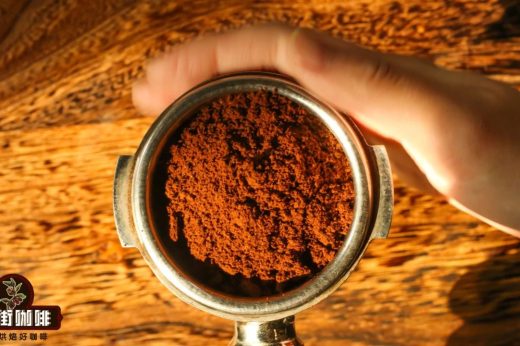
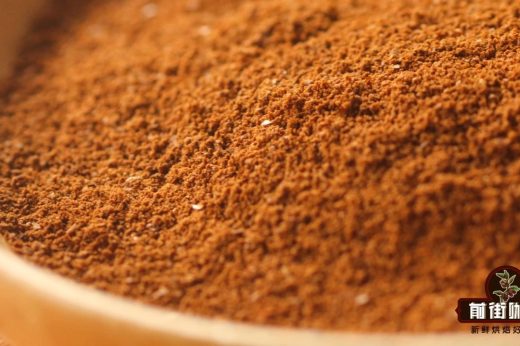
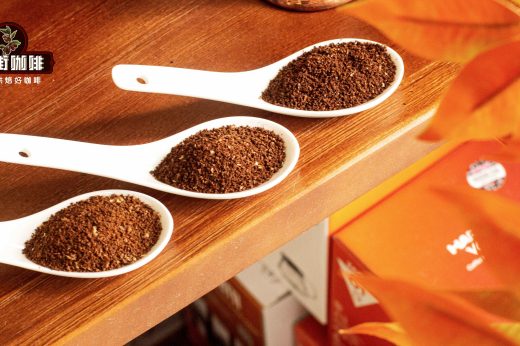
Pour-over coffee usually requires a medium-fine grind, similar to the texture of fine granulated sugar. When using immersion brewing (such as a French press), a coarser grind is recommended (close to the texture of sea salt), because the coffee grounds are immersed for a longer time (4 minutes or more). Conversely, for devices with faster drip rates such as the V60, a finer grind is needed to slow the water flow and ensure full extraction.
Particle size and extraction balance
After coffee beans are ground, if the particles are too coarse, hot water will pass through quickly, causing insufficient extraction of flavor substances, and the final coffee may taste flat, lack layers, or even have a noticeable astringency. Conversely, if the grind is too fine and the technique is improper, the hot water will linger too long and over-extract bitter substances, masking the floral and fruity notes the coffee should have. The ideal extraction should present a balanced ratio of sourness, sweetness, and bitterness, which requires precise control of the grind setting.
The importance of fresh grinding
After coffee beans are ground, the oxidation process accelerates, causing aromas to be lost quickly. Professional advice is to grind fresh and brew immediately; if conditions are limited and you must grind in advance, store the grounds in a sealed container and use them up within 24 hours if possible. It is worth noting that coffee grounds of different grind sizes oxidize at different rates—fine grounds, due to their larger surface area, lose aroma noticeably faster than coarse particles.
Practical tips for adjusting grind size
Beginners can judge whether the grind is appropriate by observing the flow rate: ideally, when pouring water for pour-over, the stream should fall evenly, and a single extraction should be controlled at 2.5 to 3 minutes. If the flow is too fast (less than 2 minutes), try adjusting to a finer grind; if the drip time exceeds 3.5 minutes, consider a coarser grind. In addition, regularly clean the grinder burrs (deep cleaning is recommended after every 1000 grams of coffee ground) to avoid old oils and fine powder residue affecting the flavor performance of new batches.
Common misconceptions
Avoid blindly pursuing "ultra-fine grinding"; this practice not only prolongs extraction time but also easily leads to channeling (water bypassing some coffee grounds and passing straight through). Likewise, an overly coarse grind will make the coffee taste thin as water. The best practice is to gradually adjust to the ideal state through small-batch testing, based on the characteristics of the specific brewing device and personal taste preferences.