Coffee Beginner's Guide: Grind Settings and Gear Pairing for Pour-Over
Introduction: Grind size is one of the key factors affecting coffee flavor. For those new to pour-over, adjusting grind coarseness to bean characteristics and brewing equipment is often confusing. This article explains in detail the ideal grind ranges for different brewing devices, provides a practical sieve reference standard, and shares practical tips for extending coffee freshness, helping you accurately master grind parameters for everything from the Turkish pot to the French press.
Many people just getting into coffee share a common problem: why do the same beans produce a rich, layered cup for others, while theirs always tastes either sharply sour or bitter? The answer often lies in the seemingly simple grinding step—whether the grind size matches the brewing method directly determines the extraction efficiency of soluble compounds. For brewing methods that rely on precise parameters, such as pour-over, finding the golden grind range is especially important.
Professional baristas generally recommend using a 0.85mm aperture sieve as the baseline reference: a grind that retains about 80% of the coffee grounds on the sieve is suitable as a starting adjustment point for pour-over. This standard corresponds to the internationally used No. 20 sieve specification, ensuring that coffee particles form a uniform honeycomb structure and laying the foundation for subsequent extraction.
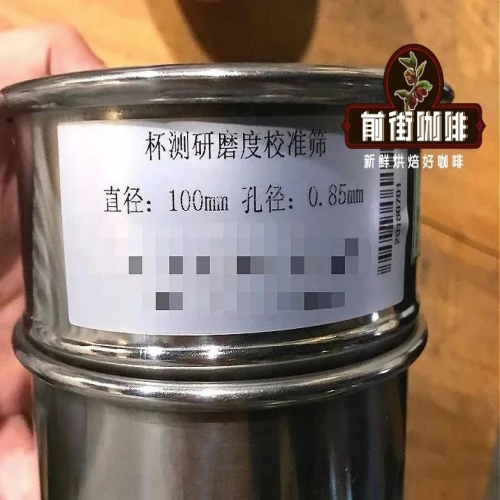
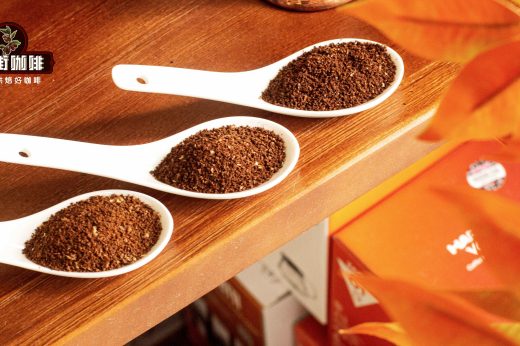
Different brewing devices have significantly different grind requirements, basically following the principle that "the longer the extraction time, the coarser the grind." The specific order from fine to coarse is: Turkish pot (close to flour fineness), espresso machine (extra-fine powder needed to produce crema), moka pot, pour-over device, siphon, French press (similar to coarse sugar granules). Taking the common 0.85mm reference sieve as an example, light-roast beans should have a pass rate of about 85% to ensure bright acidity, medium roasts adjusted to 75% to balance sweetness, and dark roasts widened to 67% to avoid the burnt bitterness of over-extraction.
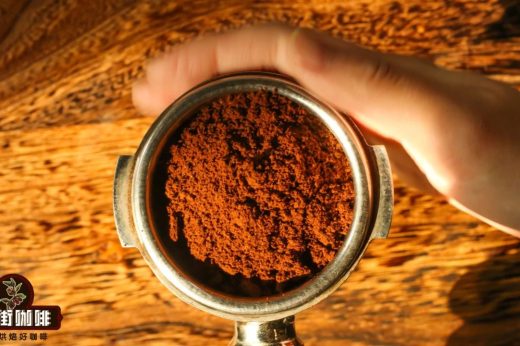
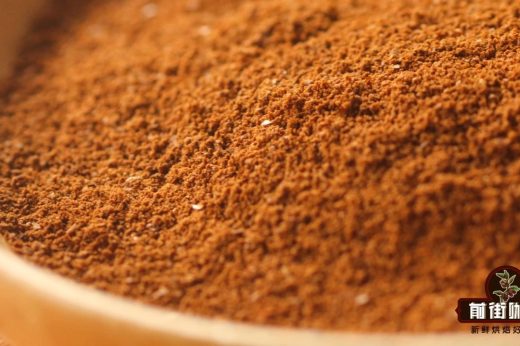
It is worth understanding the specific needs of each device in depth: the Turkish pot requires a professional burr set capable of flour-level fineness; espresso machine particles are about 200 microns in diameter and must withstand high-pressure extraction; pour-over and siphon suit coarser, sandy particles of around 600 microns, which allow water to pass through while preventing overly fast extraction; and the French press needs coarse particles of 850 microns, a texture like crushed sea salt, to withstand soaking for four minutes or more.
Coffee grinding has a professional grading system, with levels 1 to 8 corresponding to different device needs: levels 1-3 fall in the espresso range (200-400 microns), levels 4-5 are the common pour-over range (400-600 microns, a texture like fine caster sugar to granulated sugar), levels 6-7 suit siphon and French press (600-850 microns, like granulated sugar to sea salt coarseness), and level 8 extra-coarse powder is dedicated to ultra-long extractions such as cold brew. Remember this grading standard, and you can more precisely match your needs when buying a grinder.
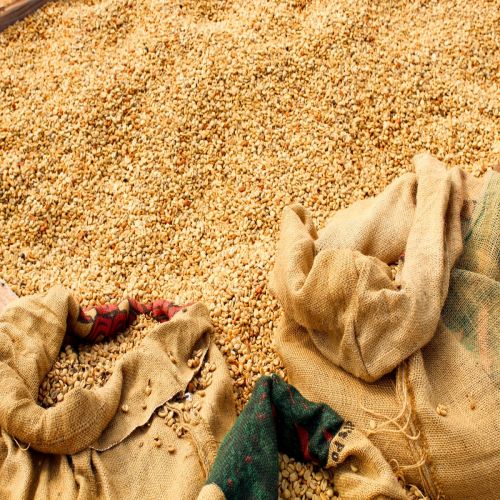
Three key details require attention in daily use: first, ground coffee accelerates flavor loss, so the ideal is to grind right before brewing; if pre-grinding, portion into sealed containers and use it up as soon as possible. Second, beans of different roast levels need differentiated adjustment—light-roast beans have thicker cell walls and need finer grinding to release flavor, while dark-roast beans have a looser structure and should avoid being too fine, which causes bitterness. Finally, regularly cleaning the burrs is crucial; residual oils affect the uniformity of subsequent grinding, so it is recommended to clean the gaps between burrs after every 200-300 grams of beans.
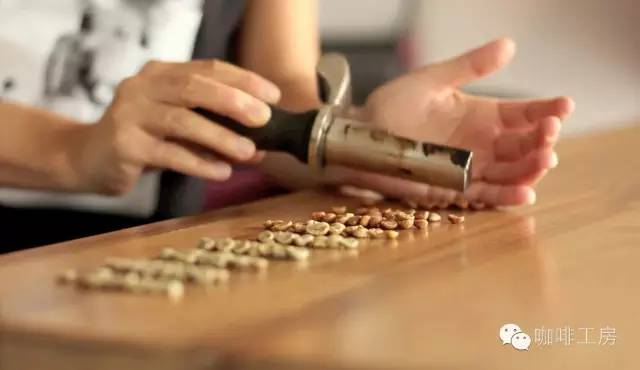
When choosing a grinder for home use, prioritize conical burrs (better grind uniformity) or flat burrs (faster output); if budget allows, choose a model with micro-adjustment markings. Manual grinders suit use for 1-2 people, while electric grinders meet high-frequency daily needs. In particular, avoid blade grinders; this simple tool, common in kitchens, produces uneven particle sizes and seriously affects extraction consistency.
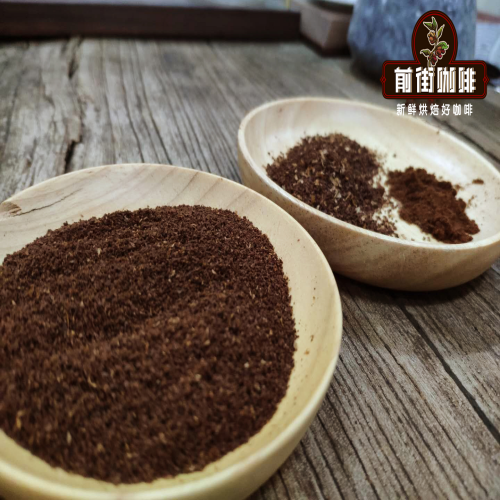
To achieve stable extraction, it is recommended to keep your own grind parameter notes: record the bean variety, roast level, grind setting, water temperature, coffee-to-water ratio, and flavor feedback each time. When you find the coffee under-extracted (thin body, prominent acidity), you can adjust the grind half a step finer and check the contact time between grounds and water; if bitter or muddy flavors appear (signs of over-extraction), coarsen the grind appropriately and shorten the brewing time. Remember, the perfect grind is always the result of balancing variables and needs comprehensive adjustment in combination with water hardness, brewing technique, and more.