Coffee Bean Roasting: 13 Key Stages from Green Bean to Charred Aroma
Introduction: Want to understand how coffee beans transform from raw, green seeds into fragrant roasted beans during the roasting process? This article uses 13 key temperature stages to explain in detail the complete transformation of coffee beans from 23°C green beans to 258°C internal combustion, including the characteristics and practical judgment techniques of core stages such as the yellowing point, first crack, and second crack. Whether you are a coffee enthusiast or a beginner roaster, these intuitive temperature references and stage descriptions will help you master how to visually identify coffee bean roasting progress.
Coffee roasting is a precise dance of temperature and time. From green beans with a grassy smell to roasted beans giving off a mellow aroma, every degree of temperature increase brings noticeable changes in flavor compounds and appearance. Mastering these key stages not only helps you understand how different roasting styles are formed, but also provides professional reference for home roasting or selecting beans for a shop.
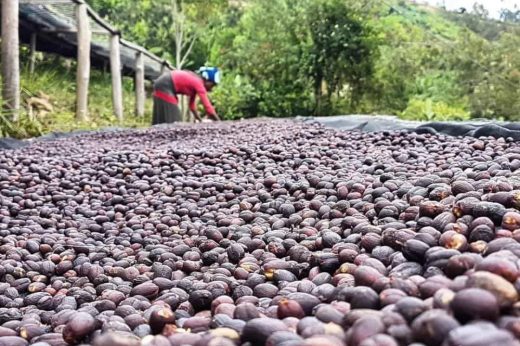
The initial stage begins with green beans at 23°C (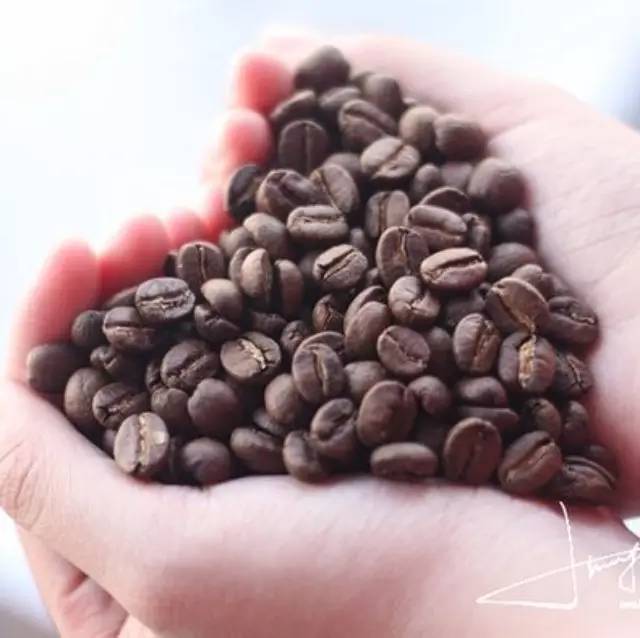 ). At this point the green beans are blue-green, hard in texture, and have a distinct raw, vegetal astringency. When the temperature rises to 132°C (
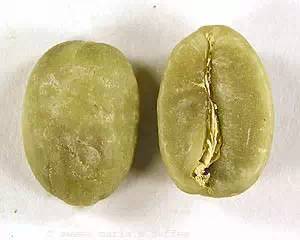 ), the bean surface begins to show a white, hazy appearance, an early sign of moisture evaporation; the starches inside have not yet begun to convert.
Entering the early yellowing stage at 164°C (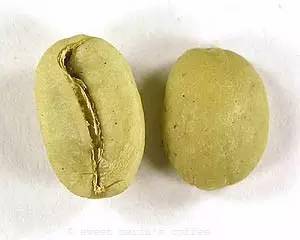 ), the edges of the beans begin to turn slightly yellow, a signal of chlorophyll breakdown. As the temperature continues to rise to the brown-yellow stage at 174°C (
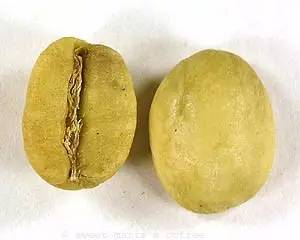 ), the yellow gradually covers the entire bean body; at this point the sugars inside begin the early preparations for the Maillard reaction. By the light brown stage at 188°C (
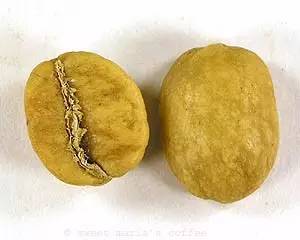 ), a faint toasted bread aroma can be detected, a sign of low-molecular-weight sugars breaking down.
The pure brown stage at 200°C (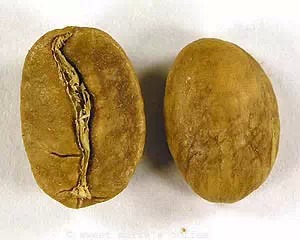 ) is an important turning point, as the bean color approaches its final finished color. Then at 205°C, first crack begins (
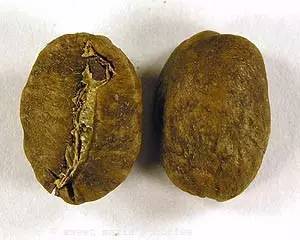 ), and a dense crackling sound can be clearly heard—this is the release of pressure formed by water vaporizing inside the bean, marking the stage where the roast begins to release aroma. By 213°C, first crack in progress (
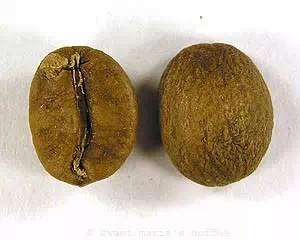 ), the cracking frequency reaches its peak; this is the golden window for developing flavor.
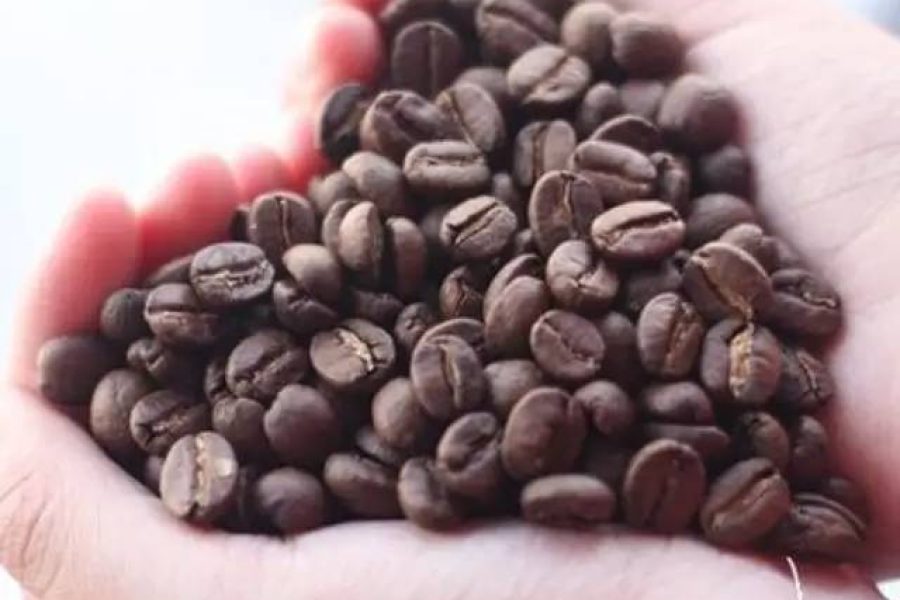
219°C, end of first crack (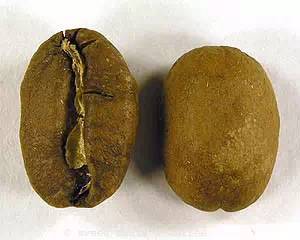 ) usually corresponds to a City roast level, when the balance of acidity and bitterness reaches an ideal state, suitable for most specialty coffees. Continuing to roast to 224°C, between first and second crack (
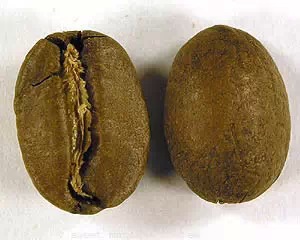 ) enhances caramelization reactions, while 229°C, on the verge of second crack () forms the rich nutty character typical of a Full City roast.
When the temperature breaks through 234.5°C, second crack begins (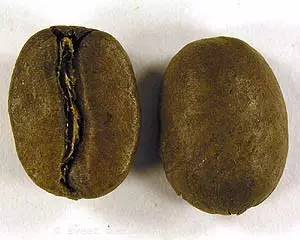 ) and enters the Vienna/French roast stage, at which point the bean surface shows a distinct sheen as oils begin to seep out. 240.5°C, second crack in progress (
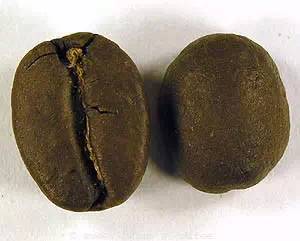 ) develops strong chocolate and smoky flavors, while 245.6°C, intense second crack nearing its end (
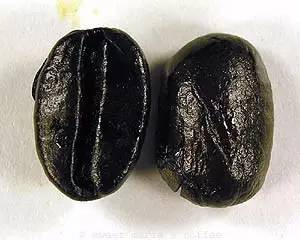
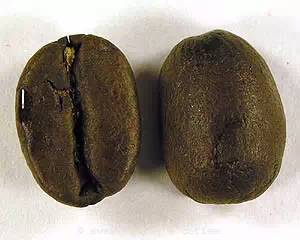 ) in a deep French roast has already taken on charred characteristics. Finally, 252°C, complete carbonization (
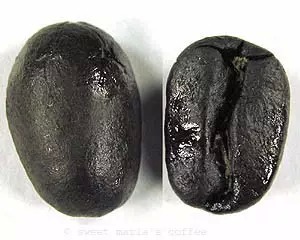 ) and 258°C, internal combustion (
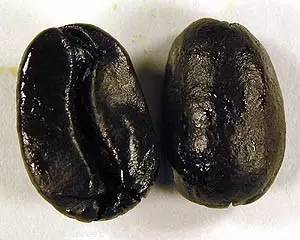 ) stages are beyond the normal roasting range and serve only as extreme references.
When observing in practice, note that different origins, bean varieties, and altitudes will affect the specific values of the key temperature points. It is recommended to combine this with spot checks of bean color uniformity and to record the rate of temperature rise for each roast. Home roasters can use an infrared thermometer to assist monitoring, but care should be taken to keep the distance between the probe and the bean layer consistent to ensure comparable data.