Yunnan Arabica Coffee: Flavor, History, and Global Market Standing
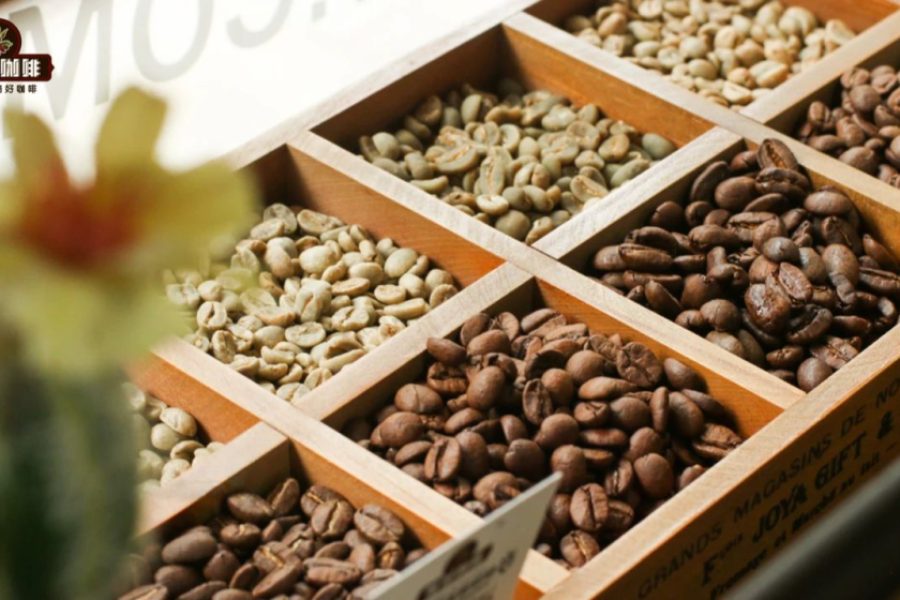
Introduction: Have you ever wondered why Yunnan coffee is often called 'small bean'? Where exactly does it stand on the global coffee map? This article takes a deep dive into the origins, development history, and quality characteristics of Yunnan small-bean coffee, helping you understand how this Arabica variety, which originated in Ethiopia, took root in China, and exploring its real reputation and market situation both at home and abroad, so you can better appreciate the value of Yunnan coffee.
What is small-bean coffee?
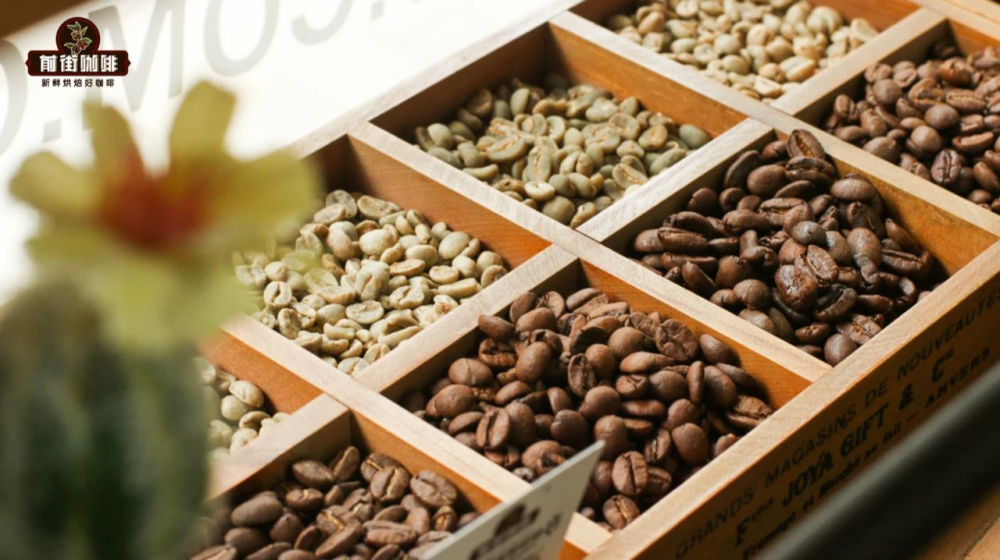
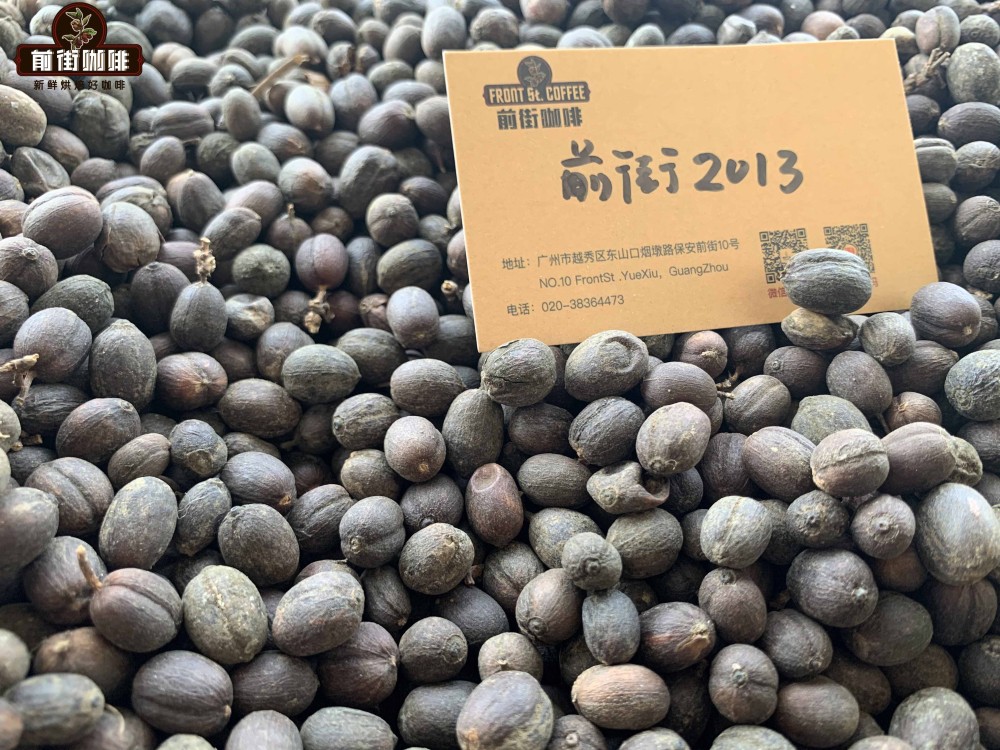
Small-bean coffee, i.e. the Arabica variety, originated in Ethiopia and was later improved and widely cultivated on the Arabian Peninsula; it is one of the most traditional and classic coffee varieties. The typical characteristics of native small-bean coffee include relatively small beans, uneven plumpness, relatively high acidity, and a pronounced floral and fruity aroma—traits that have made it a favorite among many specialty coffee lovers.
{{IMG}}
The origins and spread of coffee worldwide
Coffee was first discovered in the highlands of southwestern Ethiopia in Africa. Legend has it that a goatherd happened to observe his flock becoming unusually active after eating certain berries, thus unveiling the mystery of coffee. This is recognized as the birthplace of the 'coffee kingdom.' Later, in the 13th century, as Ethiopian troops advanced into Yemen, coffee spread to the Arab world. Driven by local prohibition policies, coffee quickly became a substitute beverage, and under Arab cultivation the variety was gradually improved. Thereafter, through war, trade, and the contest for resources, coffee gradually spread across the globe and became a beverage popular worldwide.
The introduction and development history of Yunnan small-bean coffee
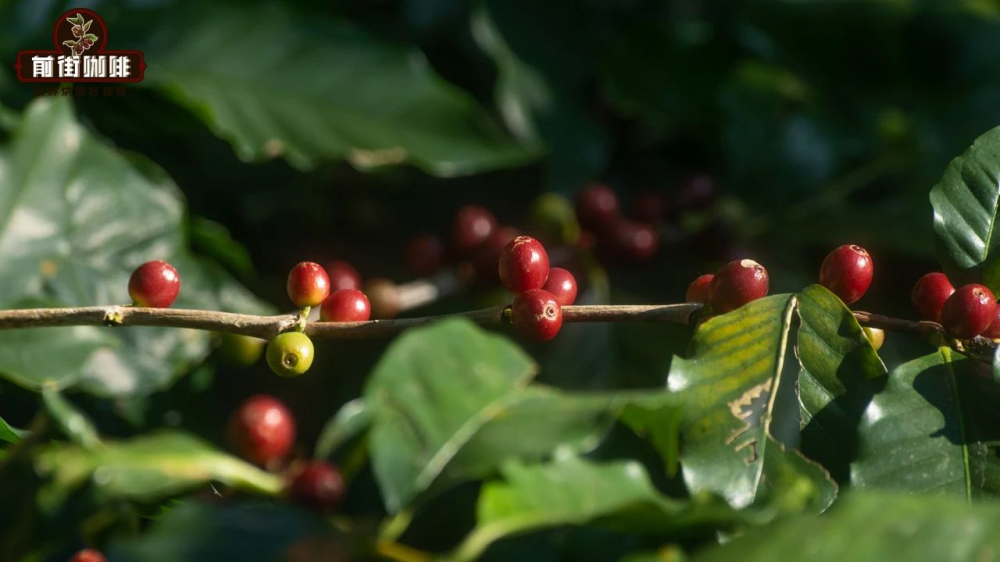
China's first encounter with coffee came in the late Qing Dynasty, around 1892, when society was in a semi-colonial and semi-feudal stage and many foreign things entered China along with it. Coffee was introduced by the French missionary Tian Deneng and took root in Zhukula Village in Dali, Yunnan. To this day, the village still retains 24 coffee trees over 90 years old.
{{IMG}}
In 1908, Hainan attempted to introduce coffee cultivation, but with limited results; other regions also tried planting, all with unsatisfactory outcomes. It was not until 1952 that researchers from the Mangshi branch of the Yunnan Agricultural Experiment Station brought back about 70 kilograms of fresh cherries from Nongxian Village and conducted trial planting in Lujiangba, Baoshan City. They found that the local climate and soil were very suitable: the coffee trees not only adapted well but also produced excellent quality, thus opening the curtain on the large-scale development of Yunnan coffee. In the late 1980s, Nestlé promoted the cultivation of the Catimor variety in the Simao region of Yunnan (now Pu'er City), driving continued growth in China's overall coffee planting area, and coffee quality also improved steadily through practice. In 1992, the United Nations Development Programme (UNDP) assisted China in establishing its first modern coffee processing plant. According to data from Yunnan's agricultural authorities, by 2017 Yunnan's total coffee output had exceeded 136,000 tons, accounting for more than 95% of the country's total coffee output.
How the public perceives Yunnan small-bean coffee
For most domestic consumers, their first encounter with coffee is often through instant products, especially three-in-one instant coffees like Nestlé's. In addition, as living standards improve, more and more people are starting to visit cafés, among which Starbucks is one of the most representative brands. Many people also buy Yunnan coffee as a local specialty to take home when traveling.
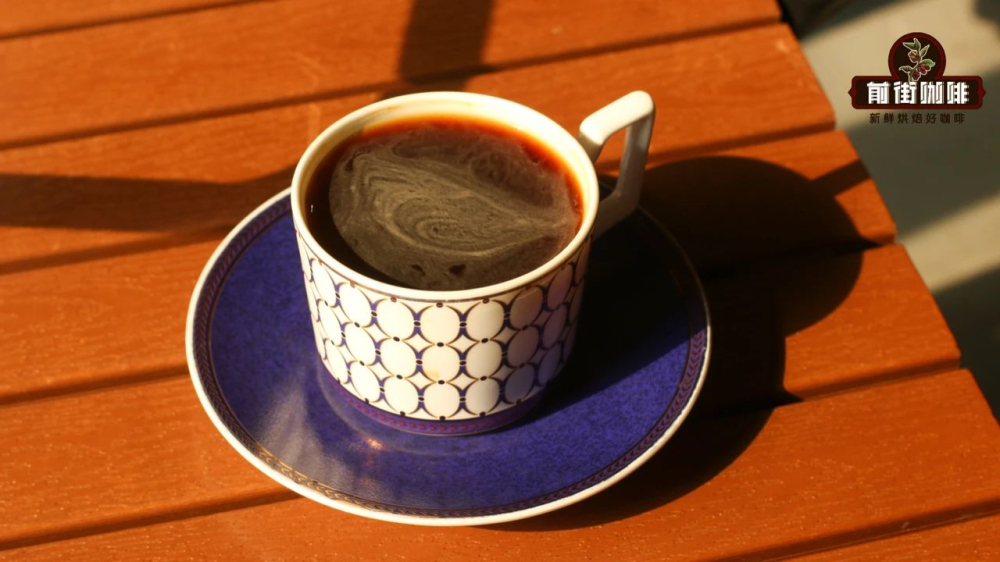
This background has shaped a particular impression of Yunnan small-bean coffee in many people's minds: instant coffee is complained about for lacking aroma and having a burnt taste; three-in-one products are disliked for being overly sweet, having a strong artificial flavor, and containing high levels of non-dairy creamer. As for cafés, they were once regarded as 'petty-bourgeois' or 'pretentious' places of consumption, with high thresholds that deterred people; even when trying coffee there, most chose milk-heavy blended coffee drinks, masking the coffee's own flavors.
{{IMG}}
Yunnan coffee's actual position in the global market
Looking at the international market, Yunnan coffee was once considered to have 'no status.' Although it has won some awards, foreign buyers generally keep prices low when purchasing Yunnan green coffee beans, usually about 20 cents below the international coffee futures price. By contrast, coffee from Colombia, Ethiopia, or Brazil rarely receives such treatment.
Ask yourself: if it were coffee from these well-known origins, would it end up in such a low-price situation? Obviously not. This also reflects that although Chinese coffee has considerable quality potential, its bargaining power and brand recognition in the international market still need to be improved.
{{IMG}}
How good is Yunnan small-bean coffee really?
After more than a century of development and accumulation, coupled with domestic consumers' ever-rising demands for coffee quality, the overall level of Yunnan coffee has in fact improved significantly. However, many domestic consumers still hold prejudices, believing that Yunnan coffee 'tastes bad' and is 'inferior to imported goods.'
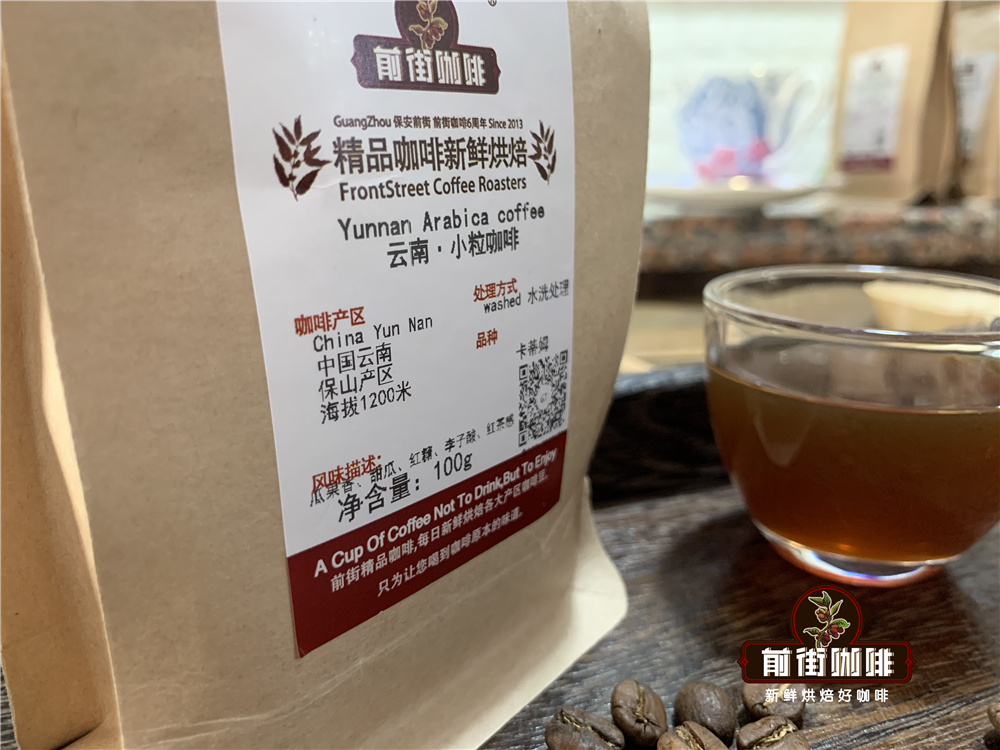
In fact, many international green-bean buyers value Yunnan coffee precisely for its high cost-effectiveness, purchasing large quantities at prices more than 20 cents below the international average, then shipping these beans abroad for rebranding and processing before selling them back to the Chinese market as 'imported coffee.' That cup of so-called 'imported coffee' in your hand may very well come from Yunnan.
If you set aside the cheap instant products in the tourism market that are designed for short-term consumption and seriously taste Yunnan small-bean coffee, you will find that it fully has the potential to compete with coffee of the same grade internationally, and in some respects even offers more distinctive flavors.
Understanding Yunnan small-bean coffee is not only about knowing an agricultural product, but also about witnessing the growth of China's coffee industry. From a single small seed to now accounting for more than 90% of the country's output, Yunnan coffee deserves to be re-examined and savored.
{{IMG}}