Hot vs. Iced Americano: Flavor, Brewing Differences, and Ordering Tips
Introduction: As a globally popular coffee category, Americano's unique brewing methods and flavor differences often spark discussion. This article takes a deep look at Americano's cultural origins and the core differences between the two mainstream preparation methods. By comparing the aroma expression and mouthfeel characteristics of hot and iced Americanos, it offers professional-grade brewing parameters and tasting techniques, plus flavor-adjustment solutions to help you find the Americano style that best suits your personal taste.
Coffee-drinking habits in different regions give rise to distinctive cultural symbols, just as Turkish coffee's copper-pot simmering and Italian espresso's refined ritual demonstrate. When it comes to Americano, most people first think either of the purity of drip black coffee or of the simple form of diluted espresso. These two seemingly different expressions together actually form the basic definition of modern Americano.
The essence of Americano (Italian: Caffè Americano) is an aqueous solution of espresso, and its classic form traces back to a special origin during World War II. Stationed in Europe, U.S. soldiers found it hard to adapt to the intense flavor of Italian espresso, so they pioneered diluting the espresso with water, and this pragmatic practice gradually evolved into today's Americano standard. Note that when ordering in Italy you need to say "Caffè Americano" clearly; saying only "Americano" may be misunderstood as ordinary after-dinner drinking water.

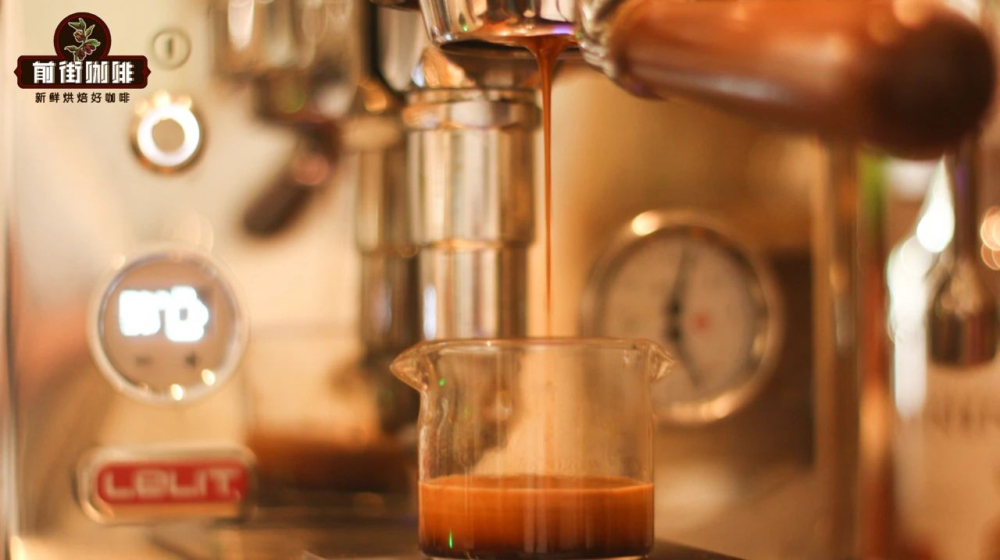
Making a high-quality Americano requires mastering two core techniques: first, precise extraction of espresso, which determines the layering of the base flavor; second, scientific adjustment of the water-to-liquid ratio, which directly affects the balance of the final taste. The professional procedure includes two key stages: first extract for 25-30 seconds at 9-9.5 bar pressure to obtain about 30-40 ml of espresso, then add filtered water in a specific ratio to complete the preparation.
The choice of coffee beans directly affects the finished result. A blend of medium-dark roasted beans is recommended, in which a high proportion of full-bodied base beans (such as barrel-aged varieties) provides body support, paired with 15-30% fruity acidic beans (such as natural-process varieties) to create flavor highlights. Grind size should be adjusted according to the extraction equipment, usually controlled within a 70-75% pass rate through a No. 20 sieve, ensuring that 20-22 g of grounds yields 36-40 ml of thick coffee liquid.
Precise control of extraction parameters is crucial:
• Pre-infusion stage: pre-wet for 9 seconds at 92-93°C water temperature
• Main extraction stage: maintain 9 bar pressure, with water temperature stable at 94±1°C
• Grounds-to-liquid baseline: 1:2 (20 g grounds yield 40 ml liquid)
• Time window: complete extraction in 25-28 seconds
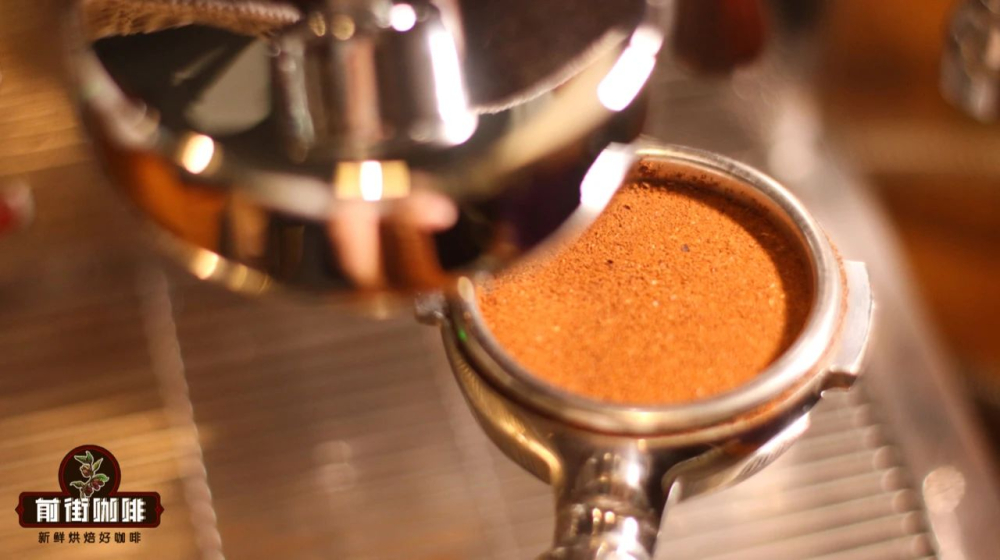
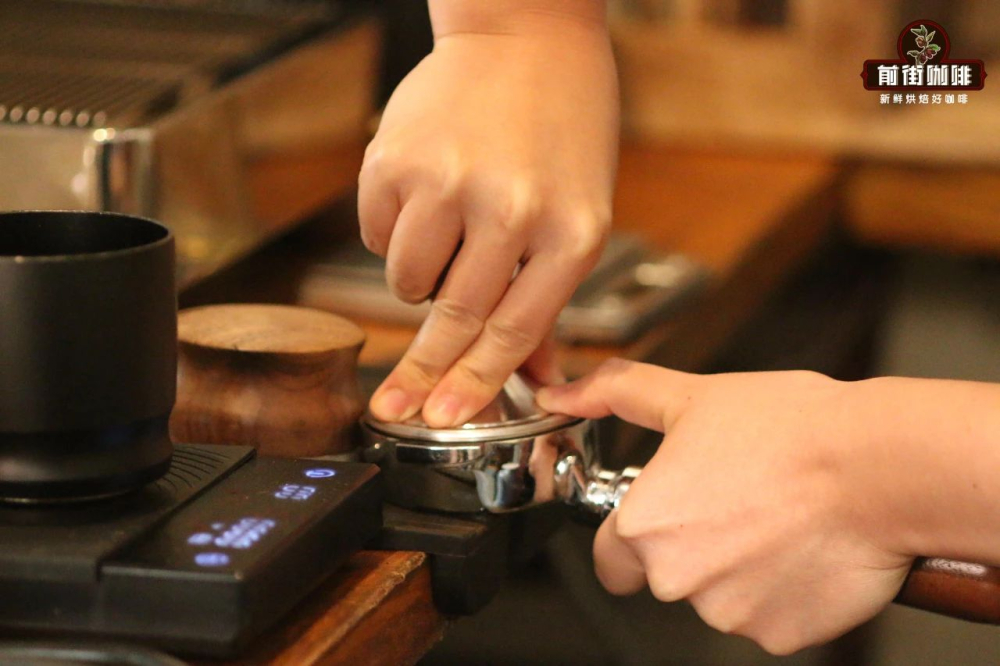
After dosing, tamp vertically and evenly until the puck density is uniform, avoiding local over-pressure that causes channeling.
The choice of water-to-liquid ratio produces clearly distinct flavors:
A 1:8 ratio (30 ml espresso + 240 ml water) gives a light mouthfeel, suitable for pairing with breakfast bread
A 1:6 ratio (30 ml espresso + 180 ml water) highlights full-bodied layering, recommended with dark chocolate-flavored beans
For an advanced option, try the 1:5 golden ratio (30 ml + 150 ml), balancing strength and flavor extension
To taste Americano, follow a three-step method:
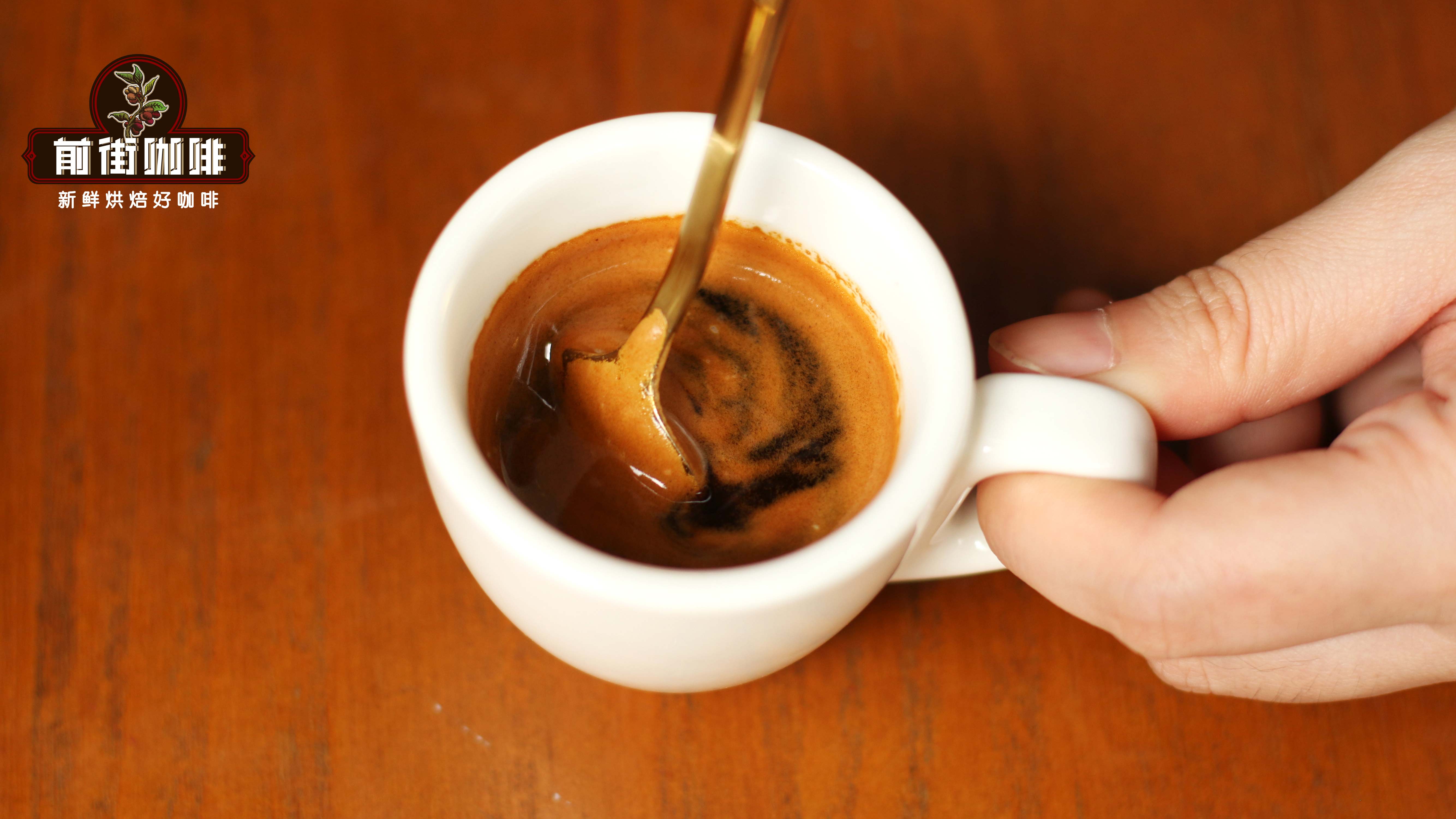
1. Observe color and quality: the ideal color is reddish-brown with an amber sheen; avoid cloudiness or excessive dark charring
2. Smell the aroma: sniff lightly from 15 cm above the cup rim; a high-quality sample should present a complex aroma of nuts/caramel/citrus
3. Taste in stages: the first sip assesses acid-bitter balance, after 3 seconds notice flavor development, and in the finish focus on the persistence of sweetness
The core differences between hot and iced Americano are expressed in the dimension of flavor:
• Advantages of hot drinks: a temperature of 85-90°C activates the volatilization of aromatic substances, making it easier to perceive vanillin and furan compounds produced by caramelization reactions; serving in a preheated ceramic cup is recommended
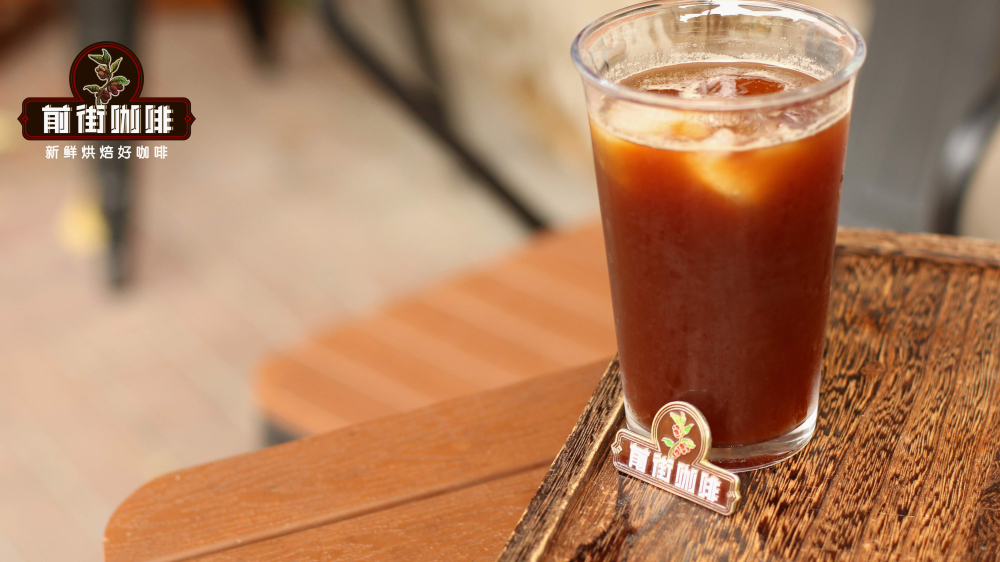
• Characteristics of iced drinks: low temperature slows the oxidation process, highlighting citrus acidity and floral notes; note that ice volume should not exceed 30% of the container to prevent excessive dilution
Experimental data shows that, with the same recipe, the flavor intensity retention rate of a hot drink within 60 seconds is 42% higher than that of an iced drink
Personalized adjustment options:
- Bitterness management: adding 0.5-1 g of sea salt can neutralize the astringency of over-extraction
- Sweetness optimization: yellow sugar with high sucrose crystallization is preferable to white granulated sugar
- Dairy pairing: the golden volume ratio of whole milk to espresso is 1:3
- Creative variations: injecting nitrogen can enhance the creamy mouthfeel, and mixing with a cold brew base makes it even more refreshing

Equipment recommendations: for home use, prioritize a semi-automatic espresso machine with 9-15 bar pump pressure, paired with a 20-30 g conical filter basket. For commercial settings, dual-boiler system equipment is recommended to ensure temperature stability. Whichever system you choose, regularly calibrating the grinder's dial (once a week is recommended) is a key factor in maintaining flavor consistency.

Special notes:
1. Avoid extracting directly with boiling water (temperatures above 96°C will cause excessive tannic acid extraction)
2. Espresso should ideally be diluted within 90 seconds after extraction is completed
3. When making iced Americano, pre-chill the container to below 4°C
4. Regularly clean residual oils from the portafilter basket (deep clean after every 20 extractions)