Yunnan Arabica Varieties Explained: Regional Flavors and Brewing Guide
Introduction: As China's core specialty coffee producing region, Yunnan's arabica coffee is gradually gaining market recognition for its unique flavors. This article provides an in-depth analysis of the geographical characteristics and representative varieties of Yunnan's four main producing regions, details the characteristics and controversies of mainstream bean varieties such as Catimor, and offers professional brewing recipes for natural and washed processed beans, helping you fully master Yunnan coffee's flavor code from beginner to advanced level.
 Coffee has now become a daily pick-me-up essential for young people, with cafés found in every corner of the city. Attentive consumers will notice that Yunnan origin sections are increasingly common on the bean lists of domestic coffee shops, a shift closely tied to Chinese government promotion and the influence of film and television works. Yunnan arabica coffee is winning over more and more coffee enthusiasts with its unique taste.
 With the rise of "national trend," the rich flavor layers displayed by Yunnan coffee are surprising. To deeply understand Yunnan coffee, one must first understand its core producing regions—besides the well-known Pu'er and Baoshan, Dehong, as the earliest region in China to introduce coffee (arabica was introduced from Myanmar in 1914), and Lincang, through which the Tropic of Cancer passes, are both important origins. Coffee from these regions not only supplies the domestic market but also receives positive feedback from international markets.
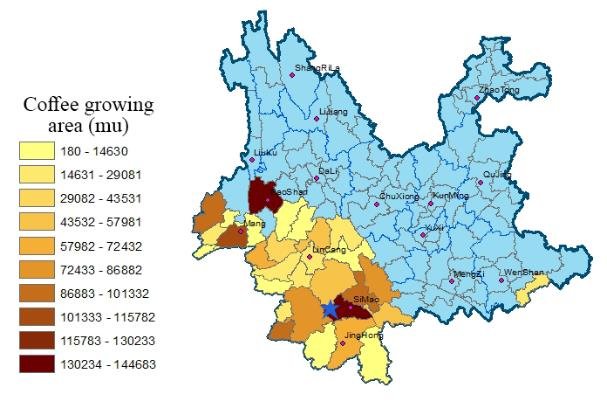 Among Yunnan's four major producing regions: Pu'er is both a famous tea hometown and an emerging coffee capital; Baoshan arabica coffee enjoys national geographical indication protection, with products in short supply; Dehong began large-scale planting in the 1950s; and Lincang, due to its unique low-latitude plateau climate, has become a new focus for coffee cultivation. Each producing region nurtures different flavor characteristics due to microclimate differences.
The most common variety in Yunnan specialty coffee on the market today is Catimor, a name that often triggers polarized evaluations. This variety is a hybrid of Brazilian Caturra and Timor Timo containing Robusta genes, with the advantages of strong resistance to leaf rust and high yield, but some batches may exhibit woody aftertaste, earthy notes, or excessive bitterness. These characteristics stem from its Robusta genetic background and are also the focus of controversy among professionals.
 Looking back at Yunnan coffee's development history: in the 1950s startup phase, it was mainly exported to the Soviet Union, and the arabica coffee planted at that time was known for its prominent fruity notes and balanced mouthfeel; after the Central American leaf rust crisis in the 1970s, Catimor was widely promoted due to its strong adaptability. Today, Yunnan's main producing regions are generally above 1,000 meters in elevation, and high-altitude planting helps improve coffee quality.
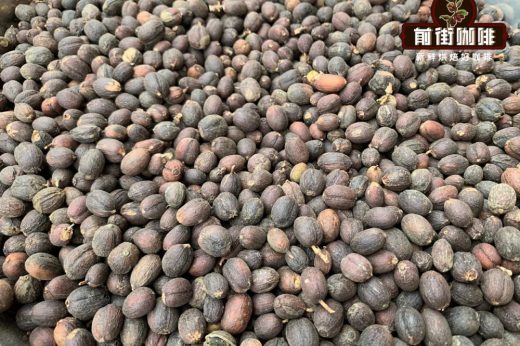
 Processing methods significantly affect Yunnan coffee's flavor. Take natural processing as an example: beans that fully retain pulp fermentation have prominent sweetness and high body. Brewing with 225 grams of water, 89°C water temperature, and a V60 dripper (grind size with 75% passing through a No. 20 sieve) can highlight the complex flavors of plum acidity and nutty black tea. Washed processing, on the other hand, presents brighter acidity and a cleaner mouthfeel.
Professional brewing recommendations: For natural beans, use a 1:15 coffee-to-water ratio, first bloom with 30 grams of water for 30 seconds to activate, then pour in stages to a total of 225 grams, completing extraction in about 2 minutes. Note that ground coffee oxidizes faster, so freshly ground and freshly brewed is recommended when possible. Grind size should be adjusted for different processing methods—natural beans can be slightly coarser to avoid over-extraction.
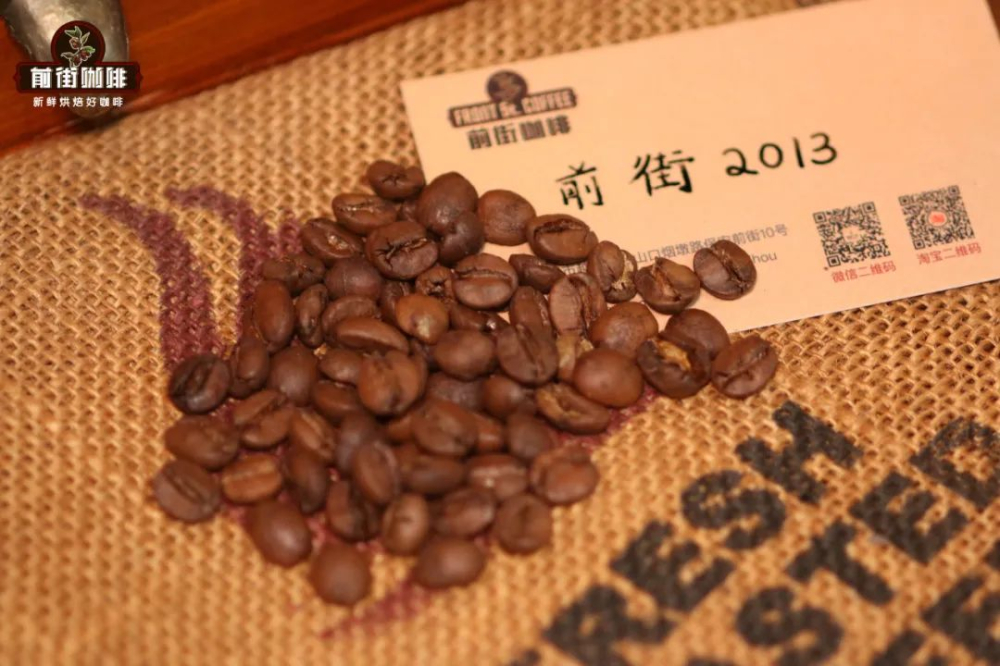 The microclimates of Yunnan's producing regions create unique flavor profiles: Pu'er beans often carry caramel sweetness, Baoshan washed beans have high cleanliness, Dehong coffee combines body with lively acidity, and Lincang natural beans display tropical fruit notes. Understanding these regional characteristics helps you choose beans according to personal taste preferences.
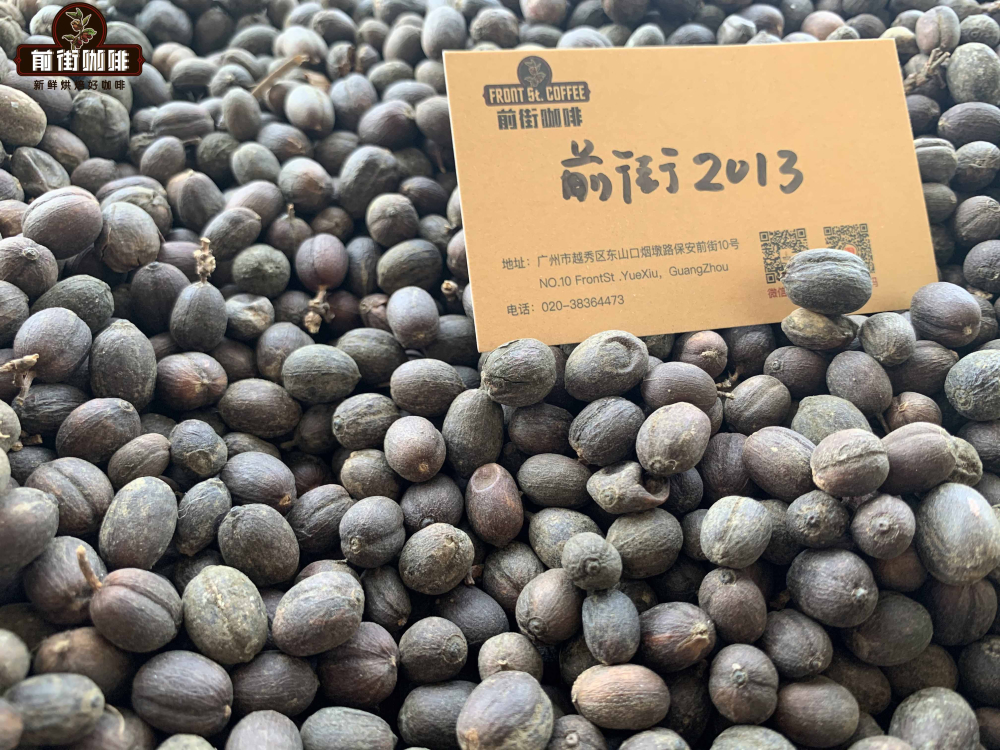 For coffee beginners, it is recommended to start with washed Yunnan arabica coffee, whose bright citrus acidity and balanced body are easier to accept; advanced enthusiasts can try comparative tastings of different processing methods, paying special attention to the fermented aromas and aftertaste changes of natural beans. When brewing, adjust water temperature and grind size according to the processing method.
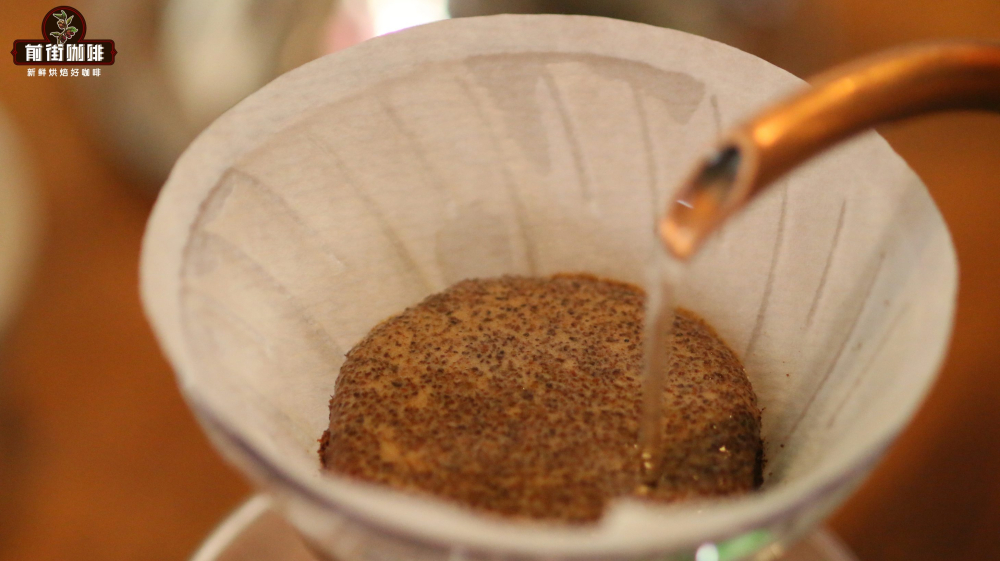 In summary, Yunnan arabica coffee has developed from a single commodity into a specialty coffee category with regional characteristics. Whether you prefer natural beans with full sweetness or washed beans with a clean mouthfeel, Yunnan producing regions can offer diverse choices. Understanding the relationship between variety characteristics, processing methods, and brewing parameters is the key to unlocking Yunnan coffee's flavors.