Inside the Cup of Excellence: How COE Scoring Differs from SCA
Introduction: An in-depth look at the selection process and scoring system of COE (Cup of Excellence), the world's top coffee competition, and its core differences from the SCA system. From the judging criteria for competition-grade coffees scoring 85 and above to jury grouping rules and flavor assessment details, this guide covers the selection logic behind top-tier coffee beans, helping you master professional cupping knowledge and improve your coffee-tasting ability.
The COE (Cup of Excellence) coffee competition runs a judging cycle of three weeks, and in the end only one coffee can claim the top spot. This international event is not only a feast for coffee lovers but also a rare chance to engage directly with the world's best coffee growers. Participants can taste top-quality coffees and gain a deeper understanding of the entire process from cultivation to cupping.
The core goal of the COE competition is to discover high-quality coffees that combine cleanliness, sweetness and balance, while also emphasizing acidity and flavor brightness. Through rigorous screening, the system gives outstanding coffee farmers an internationally recognized route to market and drives the sustainable development of the specialty coffee industry. A coffee that earns a COE rating has reached the highest international level of quality.
The competition was founded to give producers committed to improving coffee quality a platform for sharing knowledge. The event invites ACE members with cupping experience, roasters and retailers to a four-day intensive training program that systematically builds tasting skills through sensory education courses. For coffee farmers, COE not only brings market exposure but also helps them pinpoint the distinctive flavor characteristics of their coffee—through multidimensional feedback, producers can clearly understand their coffee's strengths and the areas that need improvement.
The international coffee industry currently uses two main scoring systems: SCA and COE. Products bearing the "COE competition bean" label have all passed the rigorous selection of this international event. As one of the world's most prestigious coffee rating competitions, COE applies extremely strict criteria: a total score of 85 or above makes a coffee a competition-grade winner, representing the highest tier of quality in the industry.
COE judging takes three weeks in total, with the champion decided in the final week. The jury consists of national experts (cupping specialists from the host country) and international judges (green coffee importers, buyers and professional cuppers from other countries). The scoring details are as follows: 85 points and above is COE competition grade (Cup of Excellence winner), 80-84 is specialty coffee, 75-79 is high-grade commercial coffee, 70-74 is ordinary commercial coffee, and 69 and below is ordinary commercial or industrial coffee. Notably, the COE scoring system no longer scores dry/wet aroma separately and instead strengthens the cleanliness assessment—aged flavors caused by storage directly affect this score; differences in sweetness significantly affect the final result, with high sweetness seen as the combined reflection of altitude, cultivation techniques and post-harvest processing; the body dimension has been upgraded to "mouthfeel," adding smoothness and astringency as evaluation indicators; and flavor assessment must be described precisely using the new flavor wheel.
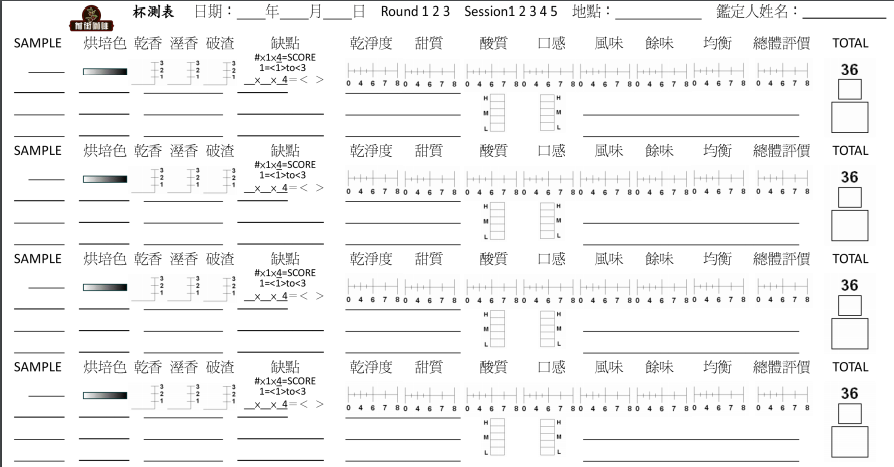
There is a fundamental difference from the SCA system: COE uses a structure of 8 scoring categories (6-8 points each) plus a base score of 36 (100 points total), and aroma is only described, not counted toward the total; sweetness must be noted for intensity, persistence and type; cleanliness is COE's key elimination criterion—any defective flavor may mean elimination. By contrast, the SCA system contains 10 scoring indicators (6-10 points each), including two unique ones, "aroma (including dry/wet aroma)" and "uniformity," and uses a four-level scale starting at 6 (6 = good, 7 = very good, 8 = excellent, 9 = outstanding), with each level subdivided by 0.25 into 16 scoring points.

An analysis of the scoring dimensions unique to SCA coffee cupping: aroma assessment covers the dry aroma after grinding (initial impressions such as coffee flower and roasted hazelnut) and the wet aroma after water is added (released notes such as honey and lemon); the uniformity indicator is used to judge whether the five cups show flavor differences or defects. Its score sheet uses 6 as the baseline and divides quality into four levels, "good → very good → excellent → outstanding," with 0.25-point adjustments for precision. Mastering this professional scoring language helps you describe coffee's floral notes (such as jasmine and rose), fruity notes (such as citrus and blackberry) and roast flavors (such as caramel and chocolate) more accurately when tasting, and distinguish normal flavors from defects such as leather and dust.