Ethiopia's Red Cherry Project: Inside Specialty Coffee Bean Farming and Harvesting
Introduction: Ethiopia's Red Cherry Project is an important initiative to advance coffee quality. Launched in 2007, it aims to help local small-scale farms produce higher-quality coffee beans by optimizing growing and harvesting processes. This article takes an in-depth look at the project's background, its implementation requirements, and its positive impact on coffee flavor and farmers' incomes, helping coffee enthusiasts and professionals better understand the effort and detail behind specialty coffee.
The Red Cherry Project was first initiated in 2007 by a sizable Dutch green coffee trading company. Its core goal is to improve the overall quality of coffee beans produced by Ethiopia's many smallholder farmers through a series of quality-enhancement measures. The project pays particular attention to the ripeness and picking standards of coffee cherries, with the aim of improving the flavor performance of the final product at the source.
The project's original concept was to incentivize farmers to devote more effort to cultivating coffee trees, monitoring fruit ripeness, and harvesting and processing by paying them a higher green coffee purchase price than the market average. Such positive incentives not only help produce coffee beans with better flavor and greater consistency, but also enable these high-quality coffees to earn better reviews and returns in end consumer markets.
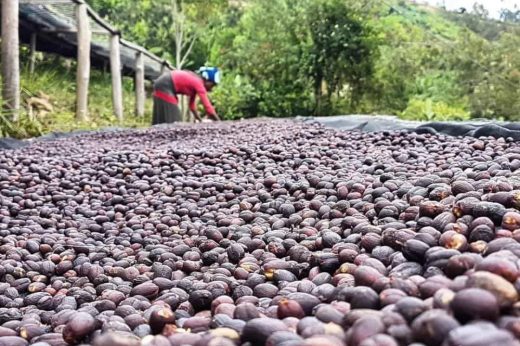
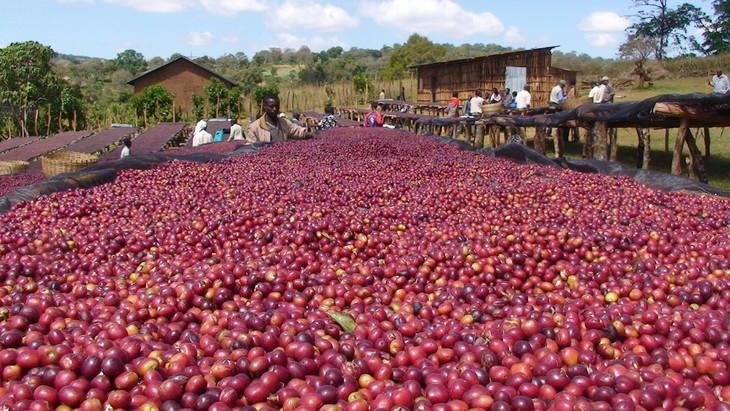
It is worth noting that the Red Cherry Project has clear and strict requirements for coffee cherry harvesting: only fully ripe red coffee cherries may be picked, and harvesting must be done entirely by hand. This measure seems simple but in fact places higher management demands on farmers. Only carefully selected and timely-picked coffee cherries can ensure the full retention and transformation of flavor compounds in subsequent processing.
However, the significance of the Red Cherry Project goes far beyond raising harvesting standards. In fact, its deeper purpose is to encourage coffee farmers to establish a more refined awareness of quality control in cultivation and management. By guiding farmers to actively identify and pick only the highest-quality coffee cherries, it not only effectively improves the overall quality of individual batches of coffee but also gradually builds a quality-oriented cultivation culture.
In practice, this means farmers must carefully observe each coffee cherry to ensure it is picked at optimal ripeness. This not only increases the workload but also requires accumulated experience and judgment. Yet for farmers willing to put in the effort, this selection process can significantly raise their economic returns—because higher-quality coffee beans often command higher prices on the international market.
In addition, the Red Cherry Project has indirectly driven structural optimization in Ethiopia's coffee industry. Through technical support and market connections for small-scale farms, the project has helped many farmers raise their professional standards in cultivation and processing, thereby improving their competitiveness in the global specialty coffee supply chain. This market-demand-driven quality improvement is of great significance to the sustainable development of Ethiopia's coffee industry as a whole.
Overall, the Red Cherry Project is not only an initiative about coffee cherry harvesting standards but also an innovative model that fosters positive interaction between farmers and the market. By raising the overall quality of coffee beans, it drives economic growth in producing regions while also giving global consumers the chance to taste more flavorful specialty coffee. For enthusiasts who wish to deepen their understanding of the coffee supply chain and quality management, the Red Cherry Project offers a noteworthy case study.