Moka Pot Coffee Guide: Pros and Cons, Best Beans, and Brew Time
Introduction: The moka pot is the entry-level choice for many coffee lovers, making it easy to brew coffee close to espresso at home. This article gives a full analysis of the moka pot's working principle and extraction characteristics, takes an in-depth look at its pros and cons, recommends the types of coffee beans suited to the moka pot, and provides precise extraction times and operating tips to help you brew the best-tasting coffee with your moka pot.
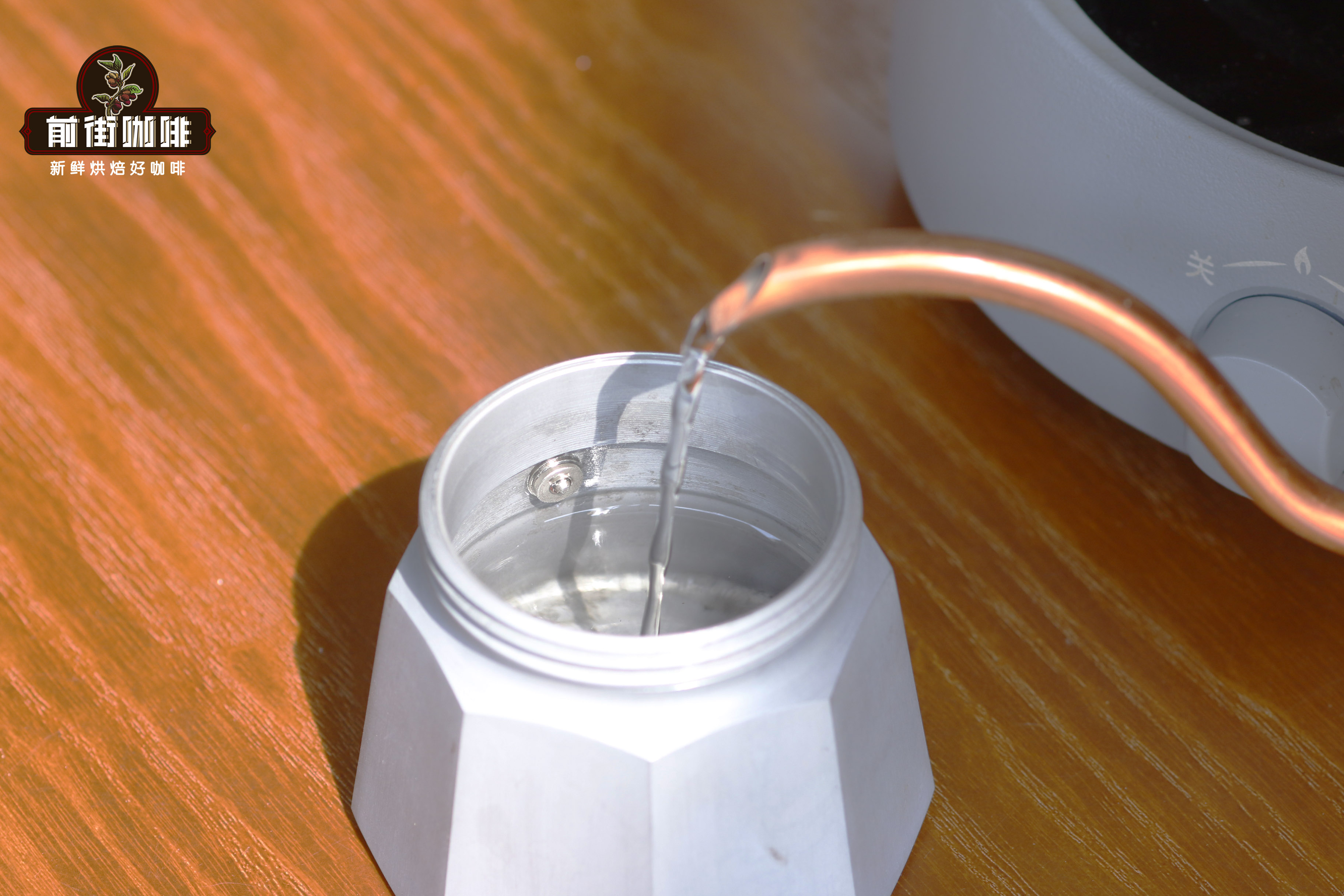
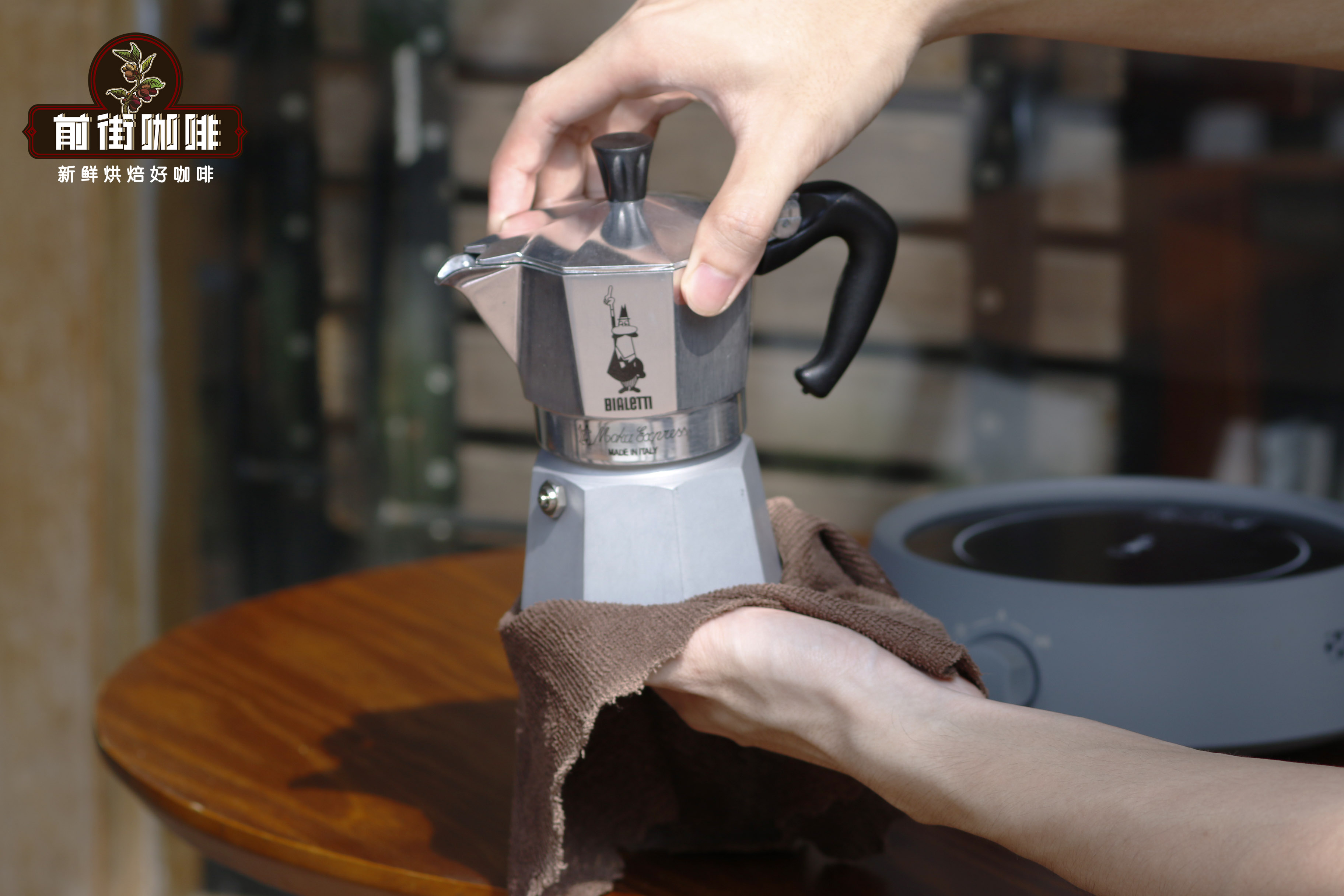
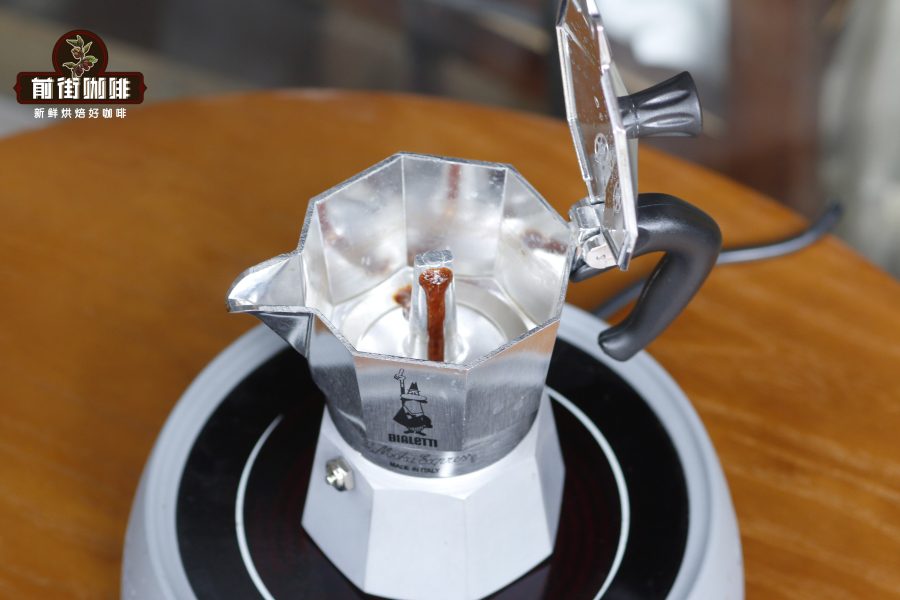
The moka pot is a classic home coffee device. Its working principle is to heat water in the bottom chamber and generate steam at about 1.5 to 2 atmospheres of pressure; when the pressure is high enough, the hot water passes through the filter in the middle and through finely ground coffee, finally pushing the extracted liquid up into the top chamber. Coffee brewed this way has obvious espresso-like characteristics, a rich mouthfeel, and usually a layer of golden crema, with a relatively intense flavor and a balance of acidity and bitterness; it is much loved by people who enjoy a strong, full-bodied cup.
The moka pot's greatest advantage is its low barrier to entry and its small, durable design; it is not only suited to daily home use but also very easy to carry when traveling or using outdoors. Even with no coffee-making experience, you can master the basics with a little practice and quickly make a good-tasting cup of coffee. However, the moka pot has its limitations: it is not a true espresso machine and cannot reach the ultra-high pressure of commercial espresso machines (usually above 9 atmospheres), so the coffee it extracts falls slightly short in layering and flavor clarity, and cannot present the clean flavor of pour-over coffee or the refined mouthfeel of a professional espresso machine.
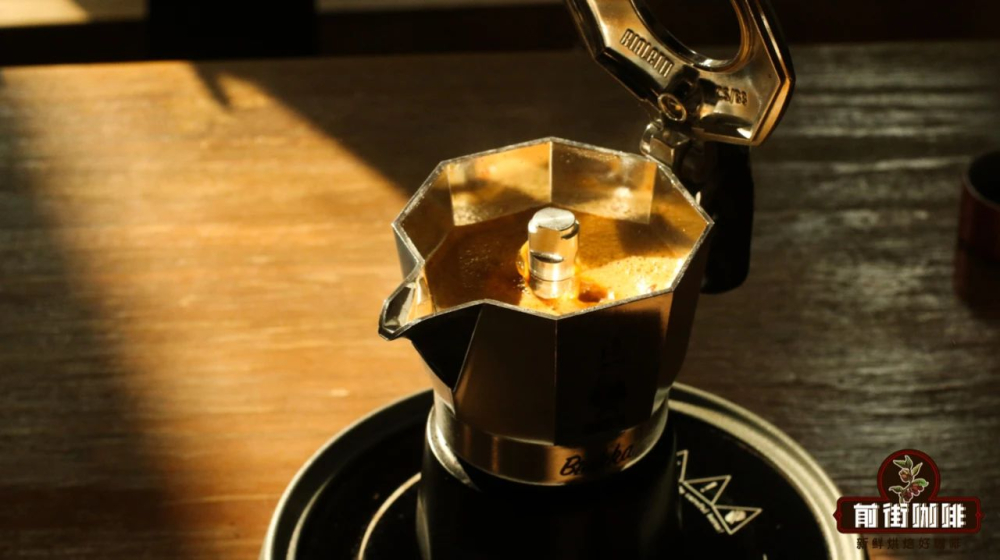
From a technical point of view, the moka pot is more like a method between drip filtration and pressure extraction. Although the pressure is not as high as that of professional machines, hot water is pushed by pressure through medium-fine ground coffee, so the extraction has a certain sense of pressure while also retaining some of the characteristics of drip brewing. When using a moka pot, medium-dark roasted coffee beans are usually recommended; this type of bean better brings out the rich aroma and full-bodied mouthfeel of moka pot extraction.
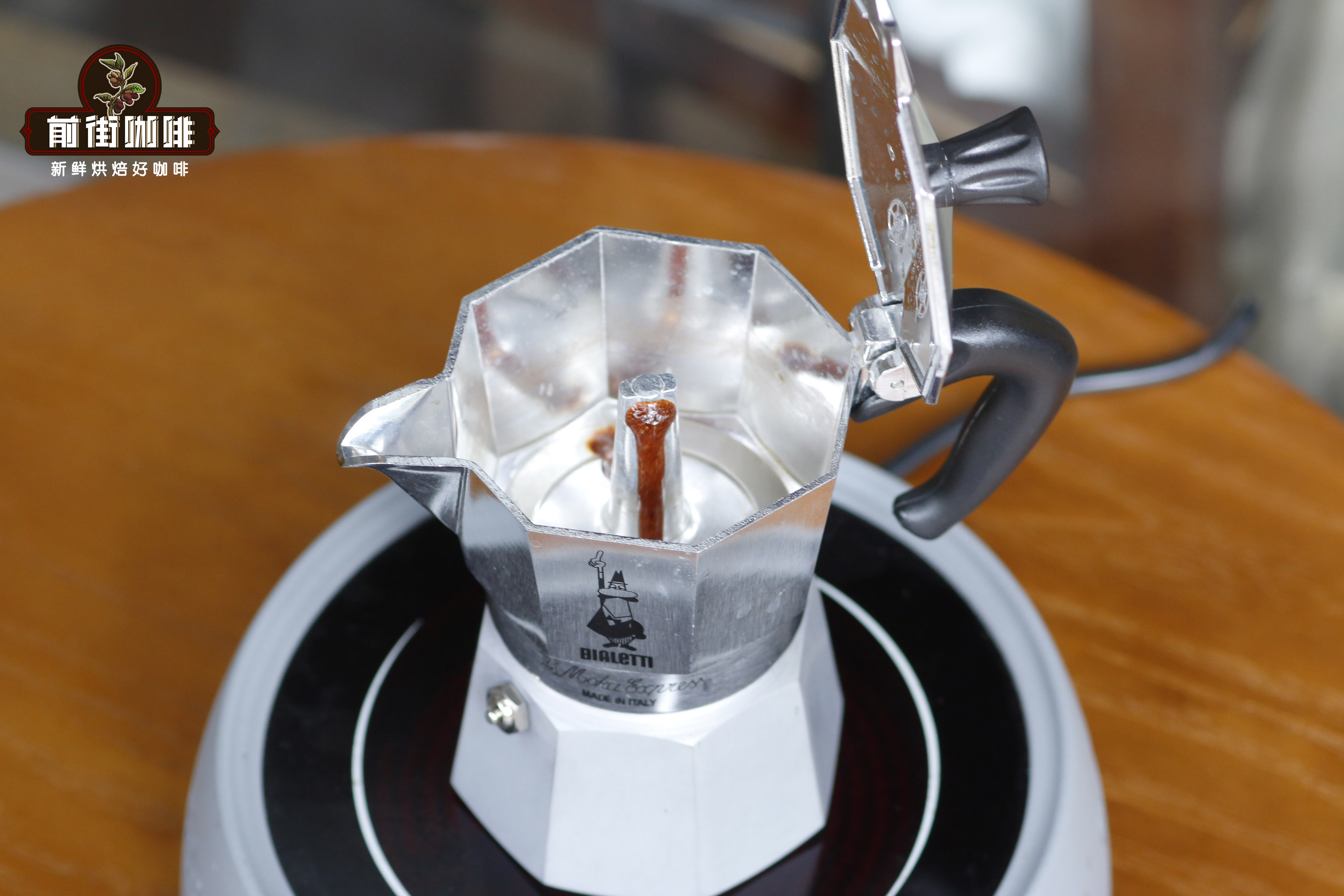
Many people wonder how long coffee actually takes to reach its best flavor in a moka pot. Generally, the whole process from starting the heat to finishing extraction takes about 30 seconds to 1 minute. Specifically, when the bottom of the moka pot is heated until the water boils and obvious pressure builds, you will hear a "whooshing" or "sputtering" sound; at this point you should lower the heat and closely watch the flow of liquid into the top chamber. When the coffee begins to flow smoothly into the top chamber and about half of the total has been extracted, you can turn off the heat and use the residual pressure and heat to push out the remaining coffee, completing the extraction process.
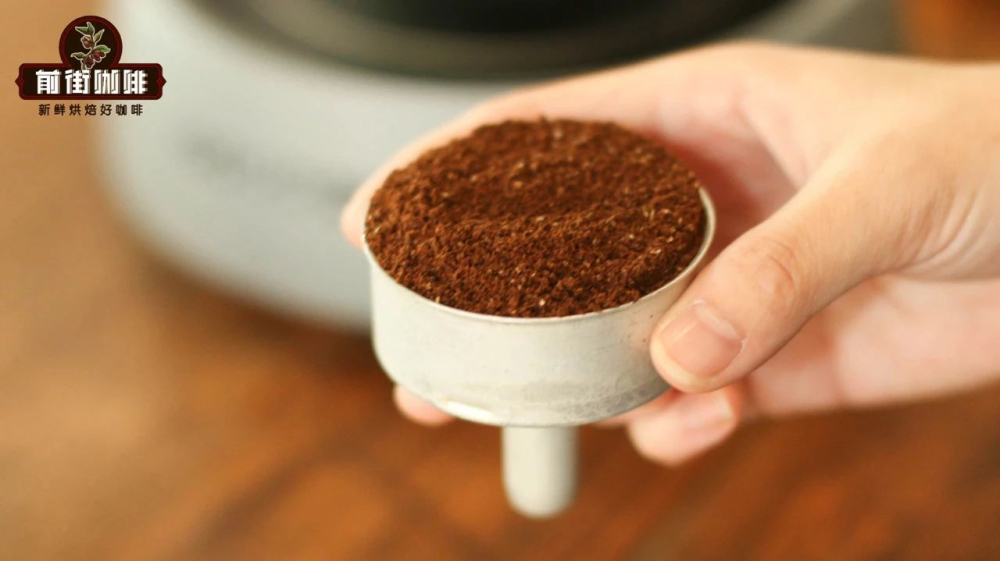
Note that the moka pot has certain requirements for grind size and how the coffee is filled. Generally, a medium-fine grind slightly coarser than for an espresso machine is recommended, roughly close to the texture of fine sugar, which avoids over-extraction or channeling. When filling the coffee, fill the basket evenly with a slight mound in the middle to ensure even heating and steady water flow. Filling too loosely leads to insufficient pressure and affects extraction efficiency; filling too tightly may create excessive resistance, causing uneven extraction or a burnt taste.

Beyond operating details, the choice of coffee beans is crucial to the final flavor the moka pot presents. Coffee beans suited to the moka pot usually have medium-dark to dark roast characteristics; such beans tend to have richer caramel, nut and chocolate flavors and lower acidity, which better complements the high-concentration characteristics of moka pot extraction. In addition, choosing freshly roasted, well-stored coffee beans is also a key factor in ensuring coffee flavor.
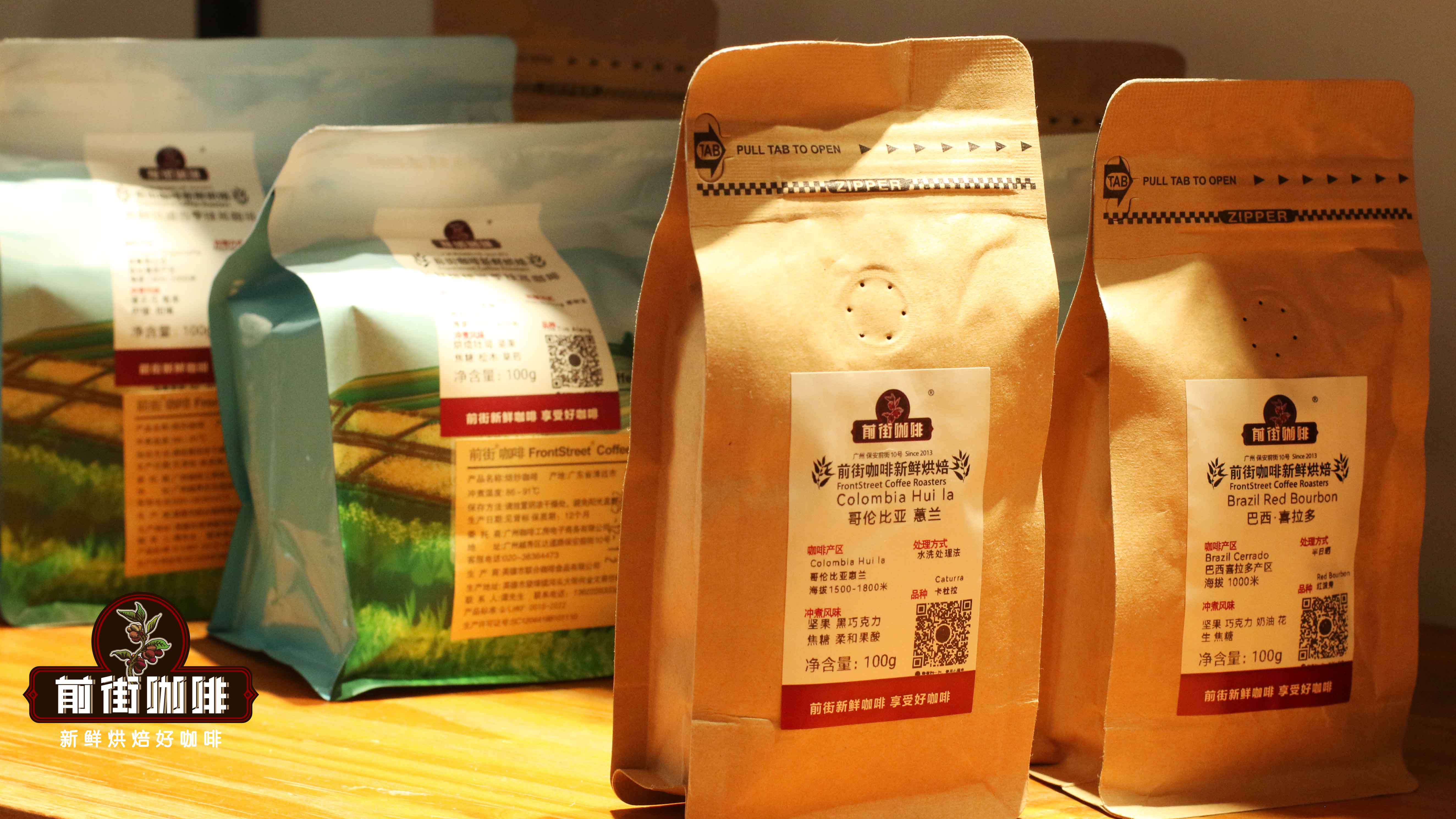
For different flavor preferences, you can choose coffee beans from different producing regions and processing methods. For example, coffee beans from Central and South America usually have nutty, chocolate and soft fruity acidity flavors, suited to people who like a balanced cup; while coffee beans from Indonesia or Southeast Asia often show complex layers of herbal, pine and dark chocolate notes, better suited to those who like strong flavors. Coffee beans grown at high altitudes usually have higher density and more concentrated flavor due to their longer growing cycle, and are also better suited to the high-pressure extraction environment of the moka pot.
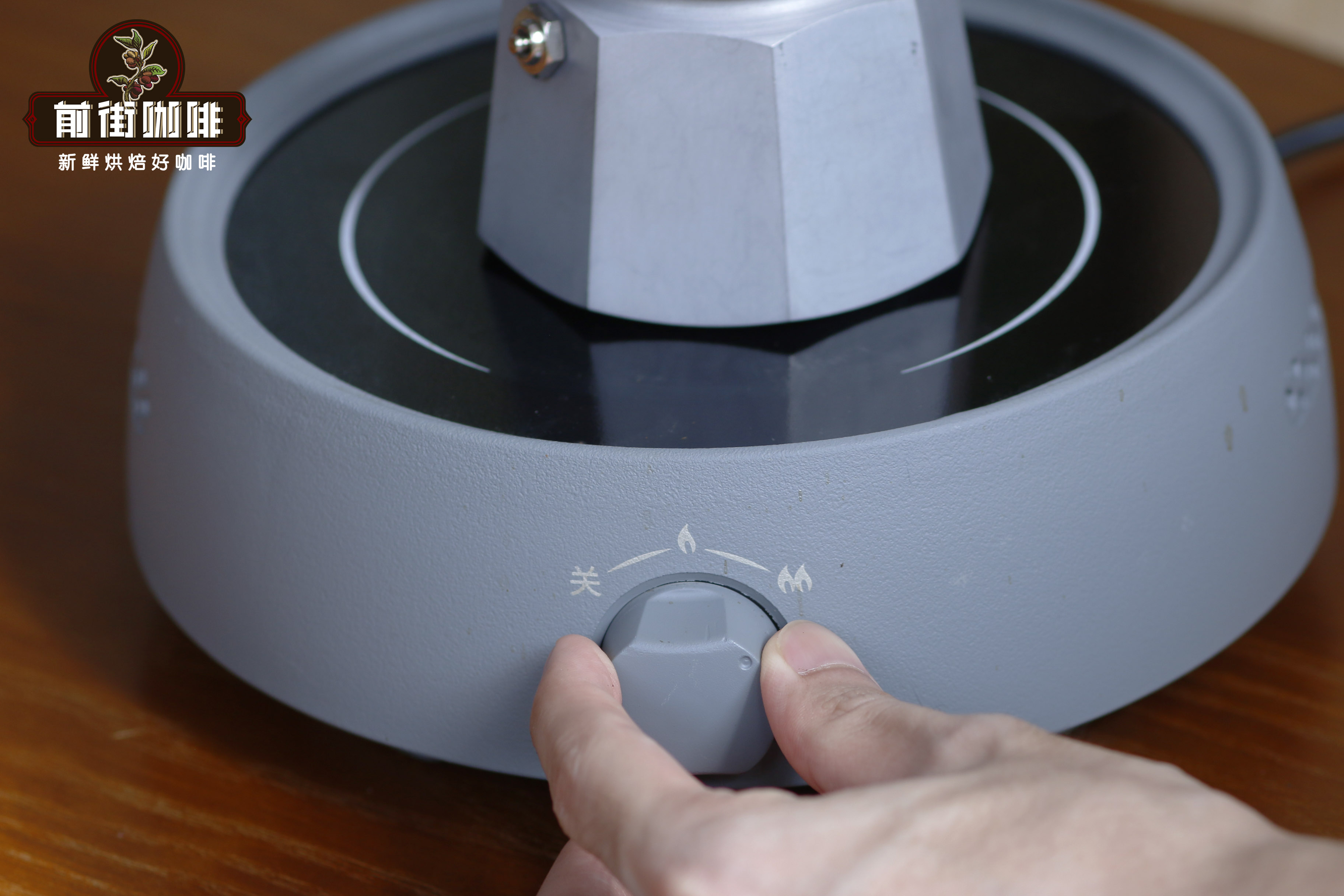
In practice, using a moka pot is not complicated, but to consistently extract good-tasting coffee, you still need to pay attention to the following points: first, be sure to use fresh, high-quality coffee beans and adjust the roast level to your taste; second, control the grind size and how tightly the coffee is filled to avoid channeling; third, master the heat—start with high heat for a quick temperature rise, then switch to low heat promptly once you hear the steam sound to avoid over-extraction; finally, watch the extraction time and yield—when the flow of coffee noticeably slows, stop heating to avoid over-extraction and bitterness.

In summary, the moka pot is a home coffee device that combines convenience and practicality. Although it cannot match the refinement and layering of a professional espresso machine, for users who pursue a rich mouthfeel and crema experience, it is undoubtedly a cost-effective and easy-to-use option. By choosing coffee beans sensibly and mastering the correct grind size and extraction parameters, you can absolutely make a uniquely flavored cup of coffee with a moka pot that rivals cafe quality.
From beginner to daily use, the moka pot can bring you a stable and enjoyable coffee experience. With a little practice and good control of the variables, you can easily recreate that memorable, rich Italian-style flavor at home.