Moka Pot Crema Extraction Guide: Beans and Brewing Parameters
Introduction: Do you keep failing to brew coffee with rich crema in a moka pot? This article takes an in-depth look at how the moka pot works, reveals the key factors behind crema production, compares the suitable scenarios for blended beans and single-origin beans, and provides a complete operating process from filling water to turning off the heat. Master the golden extraction parameters under 1.5–3.0 atmospheres of pressure and easily solve common problems such as thin crema and abnormal sputtering.
Many coffee enthusiasts keep a moka pot at home. This small, easy-to-operate device can make rich coffee with crema. But many beginners find that the crema on the surface of coffee brewed with a moka pot is thin, far less pronounced than that of espresso. This is actually closely related to the device's principle and operational details.
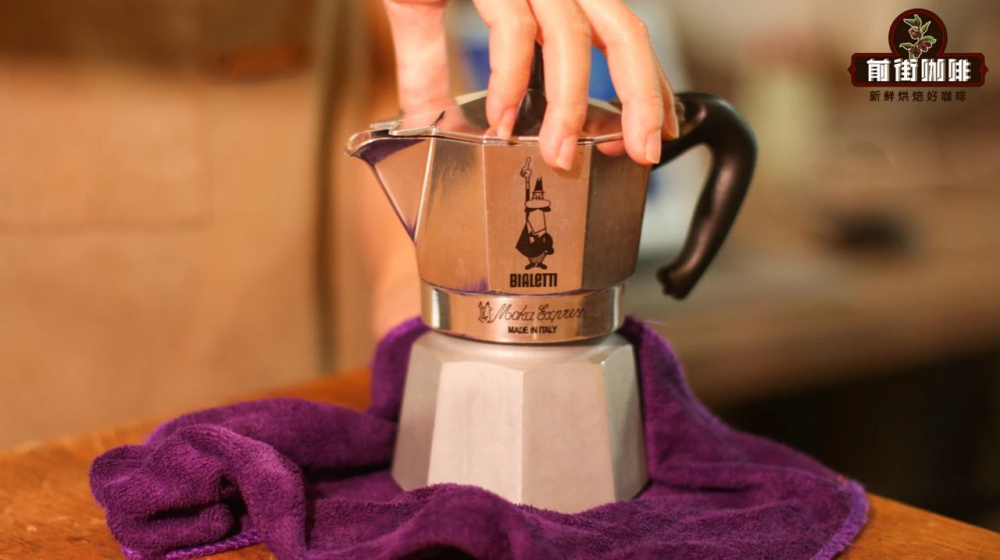
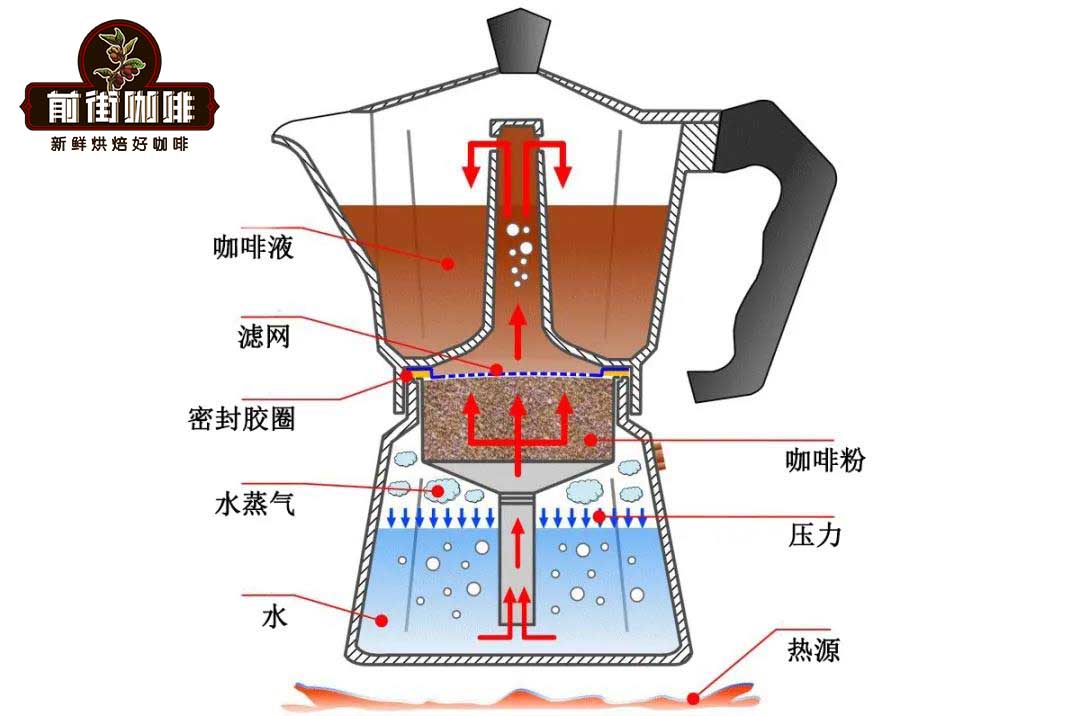
The moka pot consists of three parts: the upper chamber, the filter basket, and the base.The lower chamber holds clean water, the filter basket is filled with finely ground coffee, and the upper chamber collects the extracted liquid. Its working principle is that heating the lower chamber generates steam pressure of 1.5–3.0 atmospheres; when the pressure is sufficient to penetrate the coffee bed, it pushes the hot water up to the upper chamber. As the water flows through the filter basket, it quickly extracts the coffee's essence, ultimately presenting a rich taste close to espresso.
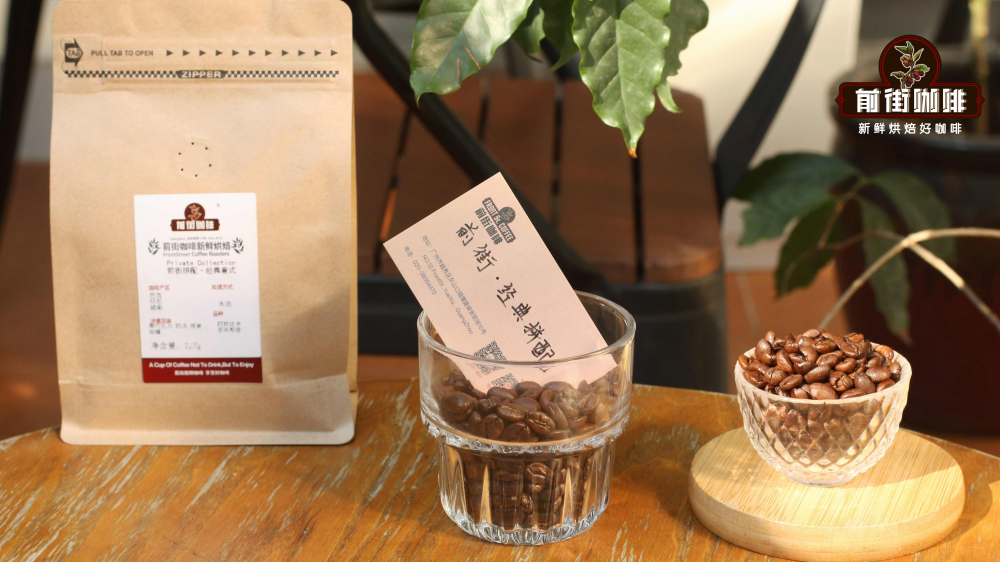
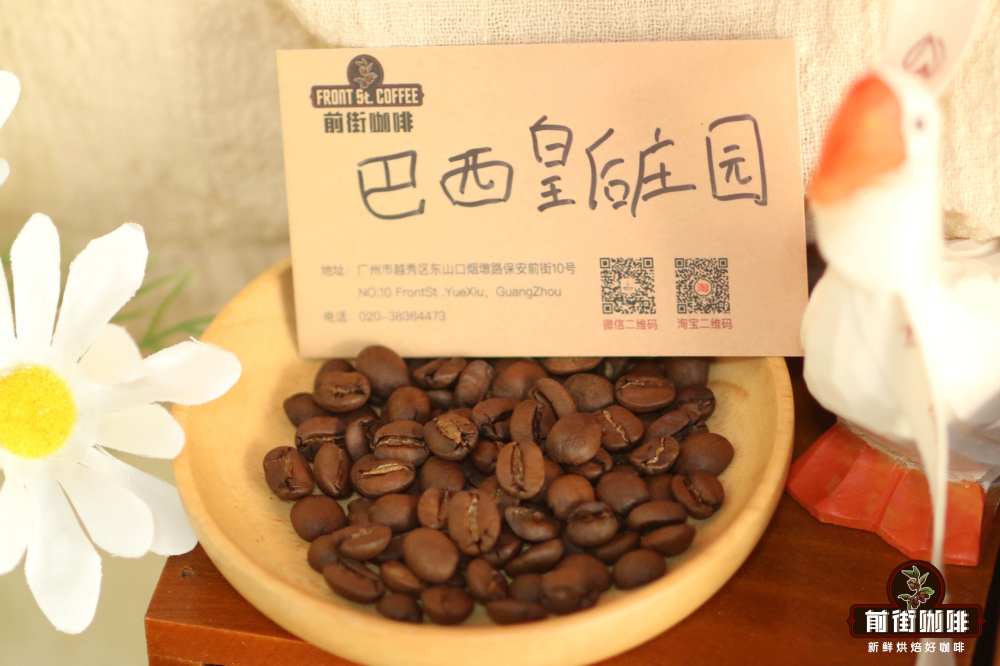
To achieve the ideal crema effect, coffee bean selection is crucial. It is recommended to use medium-dark roasted Italian-style blended beans. Because of the darker roast, the cell walls of these beans are more fully ruptured, releasing more lipids. If you seek consistent performance, you can choose a medium-dark roasted blend of Brazilian and Indonesian beans, which has a higher natural oil content. For single-origin beans, medium-roasted South American beans are recommended; although the crema volume is slightly lower, the flavor is cleaner.
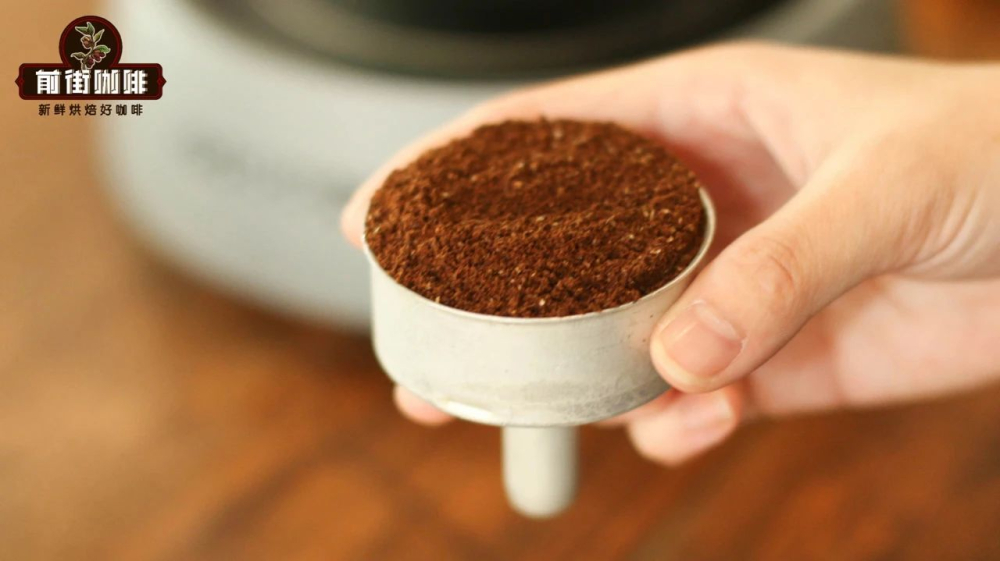
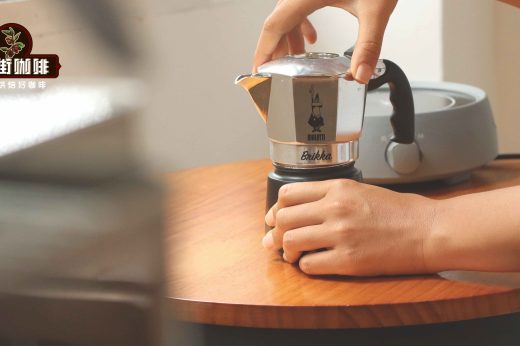
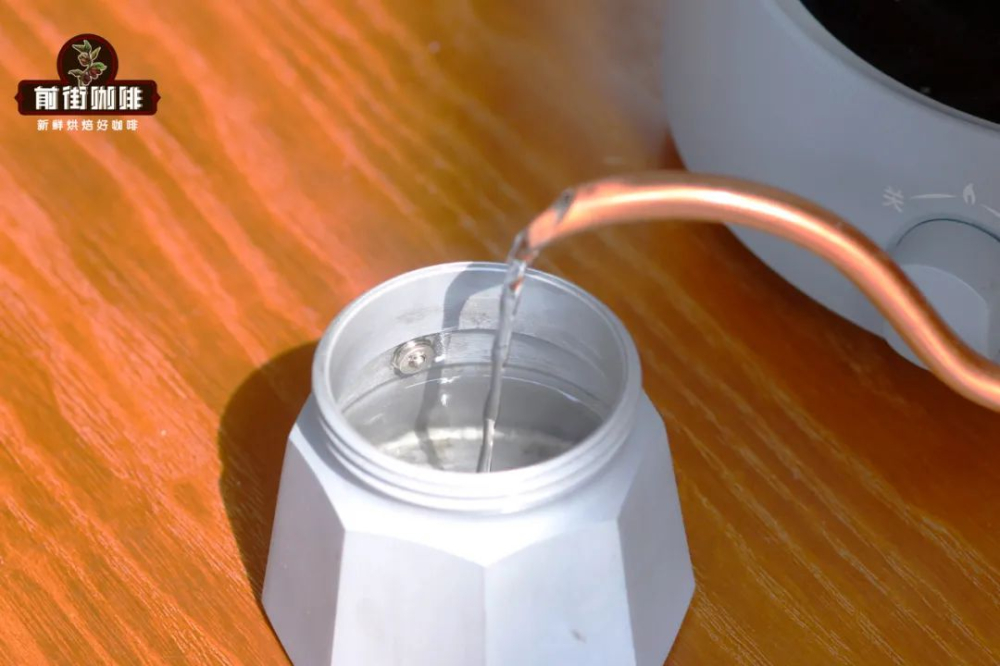
The standard brewing process is divided into ten steps: First, disassemble the pot and confirm that the upper chamber, filter basket, and base are complete; fill the lower chamber with water to below the pressure relief valve (usually about 1/3 from the bottom); grind the coffee very fine (close to flour-like but not sifted), fill the filter basket and gently scrape the surface level, without tamping; assemble the filter basket with the lower chamber and then screw the upper chamber on tightly.
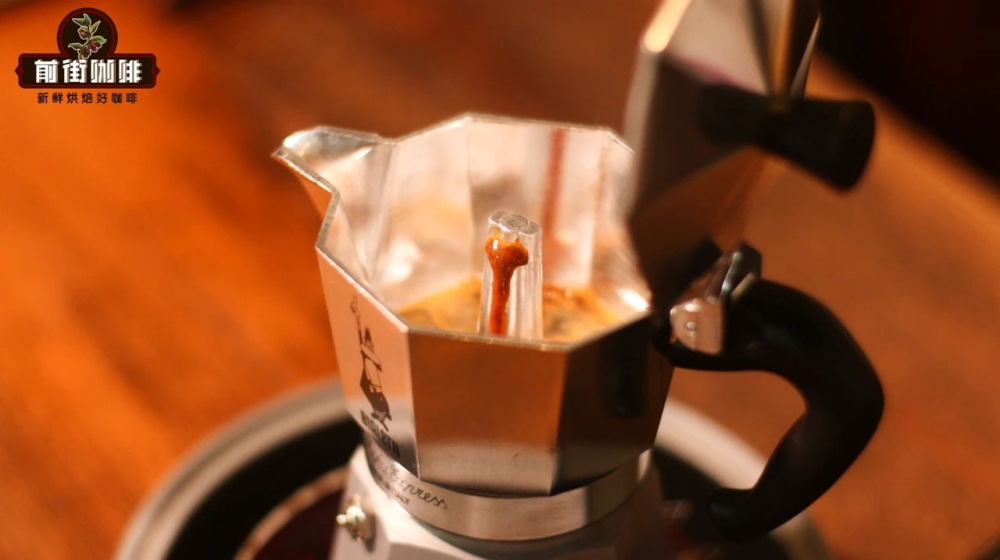
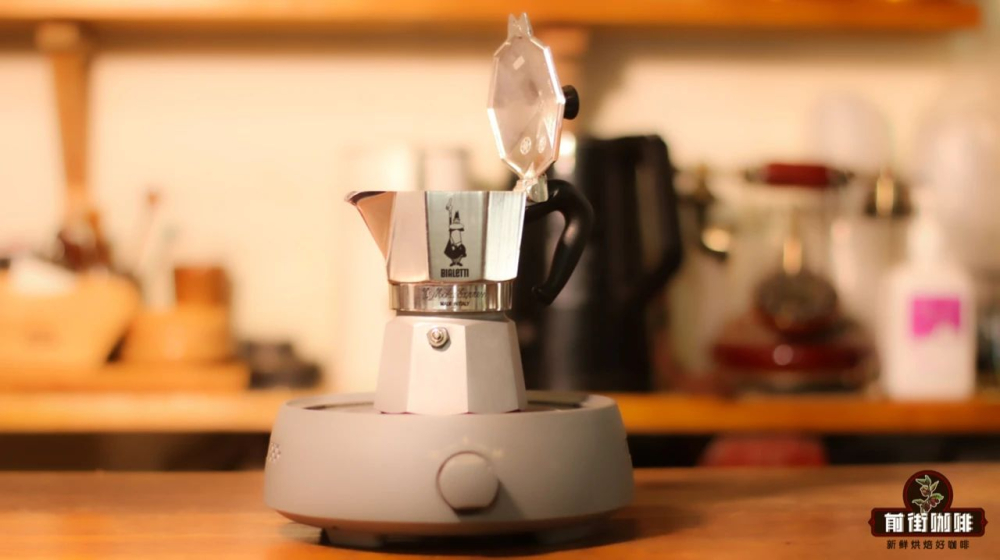
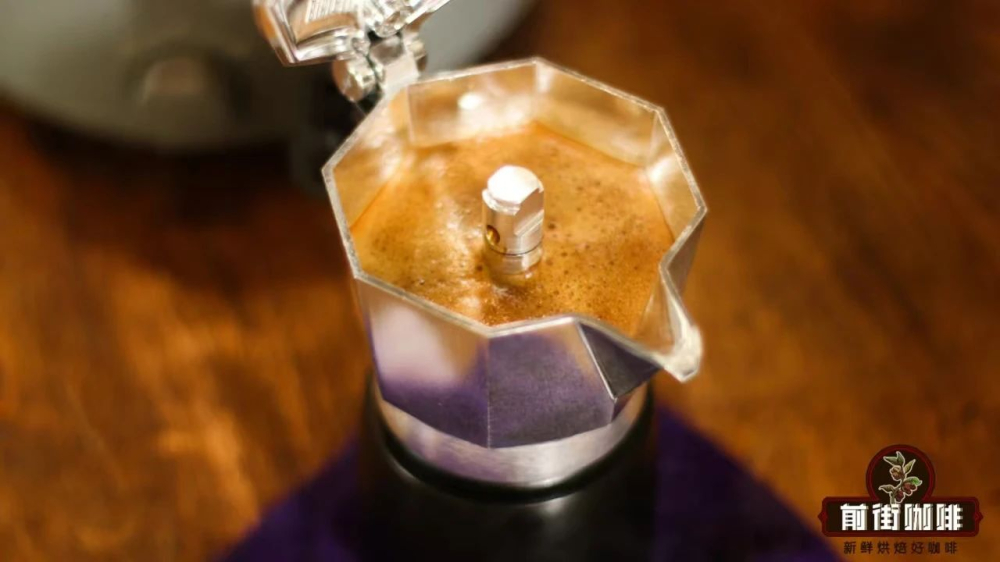
For the heating stage, use low heat (a gas stove with a heat-proof mat is recommended). When you hear a continuous buzzing sound from the lower chamber, turn off the heat immediately. At this point the coffee liquid has completed extraction and begun flowing into the upper chamber; once the flow stops, it is ready to drink. Pay attention to the flow rate: if it sputters, the temperature is too high and may cause over-extraction; if it drips slowly, increase the heat.
Common operating mistakes include: a water level above the pressure relief valve, which causes abnormal pressure; touching the pot body during heating, which easily causes burns; and failing to turn off the heat in time, which may cause a burnt, bitter taste. Special reminder: although the pressure of a moka pot is lower than that of a professional coffee machine, standardized operation is still required. Beginners are advised to practice water volume control and heat adjustment first.
Regarding the durability of crema, it is necessary to understand its physical characteristics: although the pressure generated by a moka pot (about 1.5–3.0 atmospheres) can extract crema, it is still weaker than the 9 atmospheres of a commercial espresso machine, and the extracted crema layer is thinner and dissipates easily. The surface oil slick you observe usually gradually fades within 30 seconds, which is normal and does not affect the overall flavor performance.
Advanced tips for improving the crema effect: use freshly roasted beans (7–21 days after roasting is best); let the ground coffee rest for 30 seconds to degas; thoroughly clean residual oils from the filter basket after each use; and regularly check that the pressure relief valve is unobstructed. Through these detail optimizations, even a home moka pot can present a richer crema texture.