Moka Pot Guide: Tips from Basics to Extracting Crema and Bean Recommendations
Introduction: The moka pot, a classic piece of Italian coffee culture, recreates in the home environment the rich mouthfeel and oily layer close to espresso. This guide explains the moka pot's structure, operating steps and key points of heat control, teaches you to precisely adjust grind size and water temperature to easily extract coffee with crema flavor, and recommends suitable medium-dark roasted blends and single-origin beans to help you quickly advance from beginner.
The moka pot is a classic and efficient home coffee device. Its design is inspired by early distillation principles: steam pressure pushes hot water through the coffee grounds to extract a richly flavored coffee liquid. Since its birth in 1933, the moka pot has become the first choice of many households because of its simple operation and output close to that of an espresso machine. Unlike electric coffee machines, the moka pot relies more on the user's control of heat, grind and water-to-coffee ratio. Once you master these techniques, you too can easily brew a cup of coffee with a golden oily layer at home.
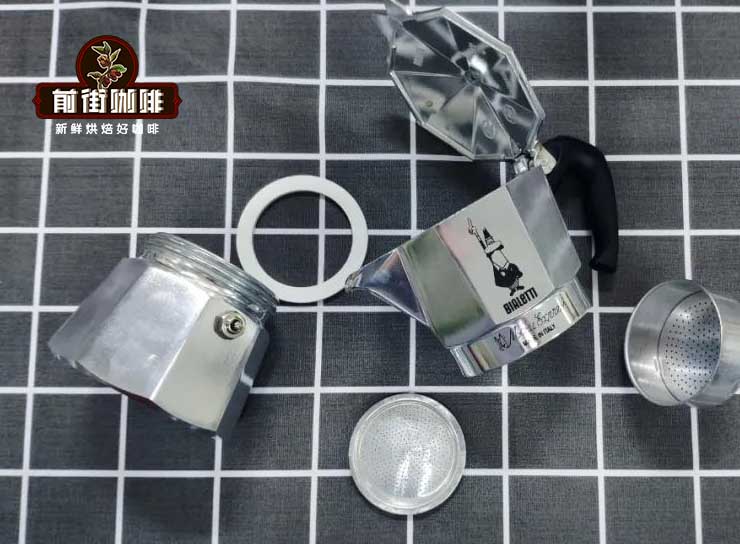
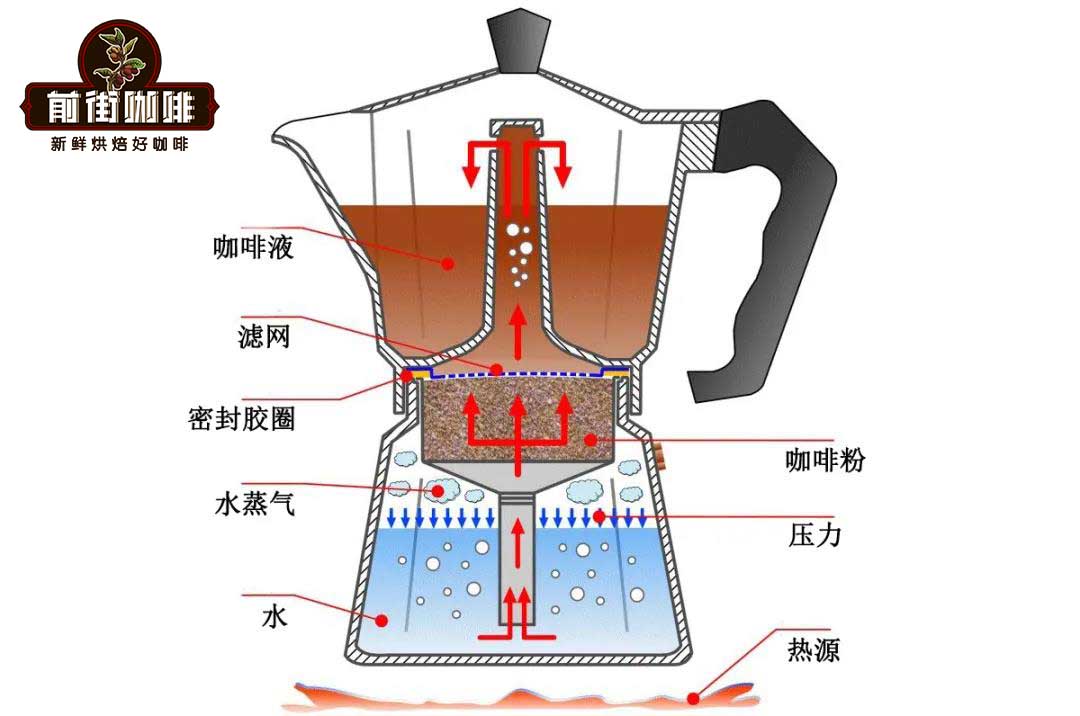
The moka pot consists mainly of three parts: the upper chamber, the filter basket and the lower chamber. The lower chamber holds water; the steam pressure generated after heating pushes the water up through the middle filter basket. The filter basket holds finely ground coffee and is the key area for extraction. The upper chamber receives the finally extracted coffee liquid. Its working principle uses the air pressure formed after the lower chamber is heated: when the pressure is great enough, the hot water passes through the tightly packed coffee grounds and finally forms a cup of espresso-style coffee in the upper chamber.
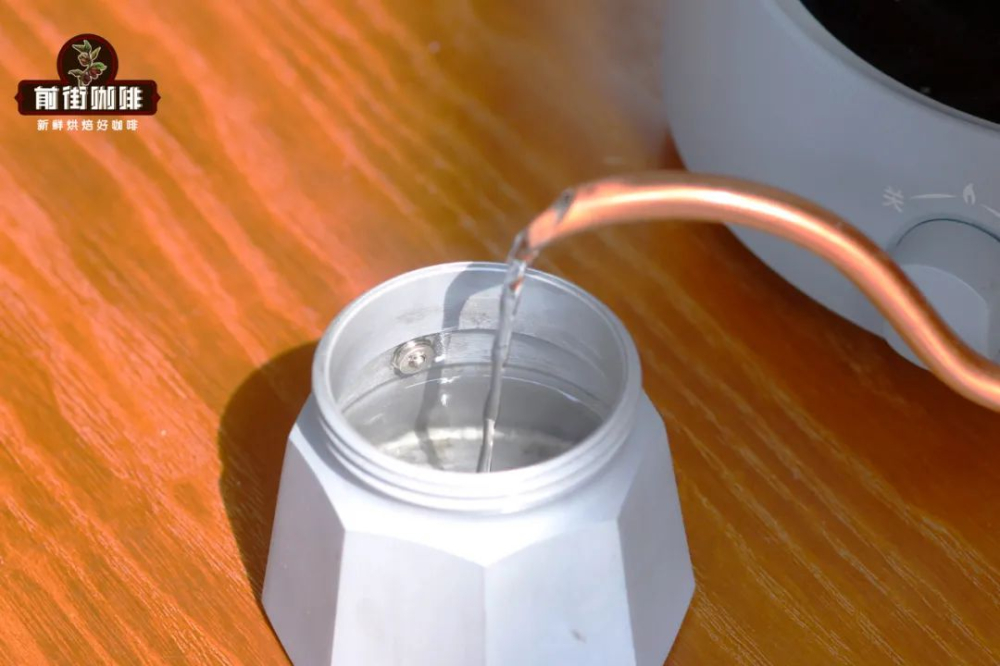
Before you start making coffee, you need to prepare the following equipment: the moka pot itself, a heat source (such as an electric ceramic stove or a gas stove), a grinder, fresh coffee beans and purified water. Note in particular that when adding water to the lower chamber, the water level should be kept about 0.5 cm below the safety valve, to avoid water entering the tube and affecting extraction.
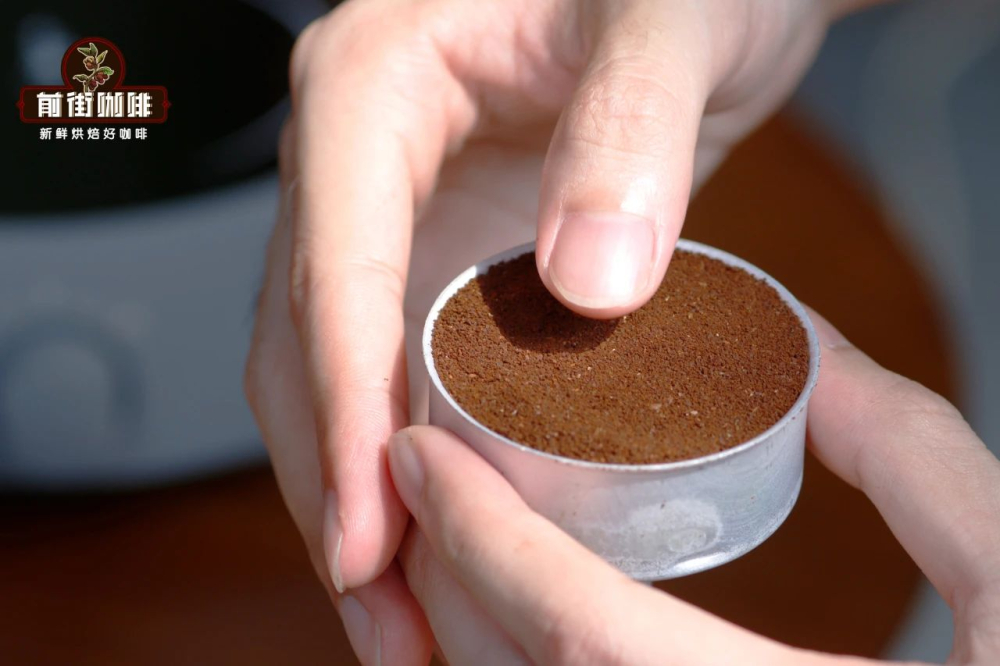
The grind size of the coffee is one of the keys affecting extraction. It is recommended to grind the coffee beans slightly coarser than for espresso, but not too coarse; it should be just fine enough not to fall through the gaps of the filter basket mesh. You can adjust with reference to the mesh gap of the filter basket. After pouring the coffee grounds into the basket, gently tap level and arrange them into a small mound, ensuring the surface of the coffee bed is flat and evenly dense. Filling the basket not only helps improve extraction stability but also avoids local over-extraction or under-extraction, thereby reducing off-flavors and bitterness.
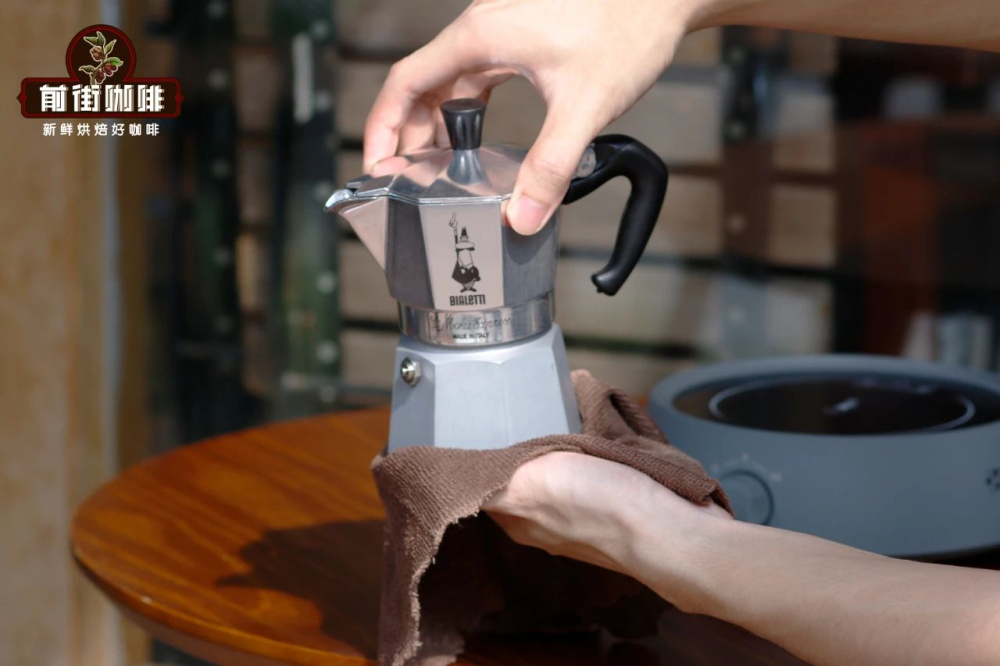
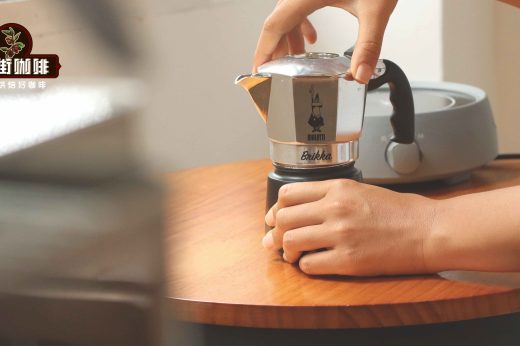
When assembling the moka pot, first put the filter basket into the lower chamber, then screw the upper chamber and lower chamber tightly together, ensuring the connection is well sealed. After that, wipe the bottom of the lower chamber with a dry cloth to avoid slipping or scalding from the bottom of the pot during heating. Place the moka pot on the heat source; it is recommended to use high heat on an electric ceramic stove or gas stove to heat quickly, so as to rapidly build up sufficient steam pressure.
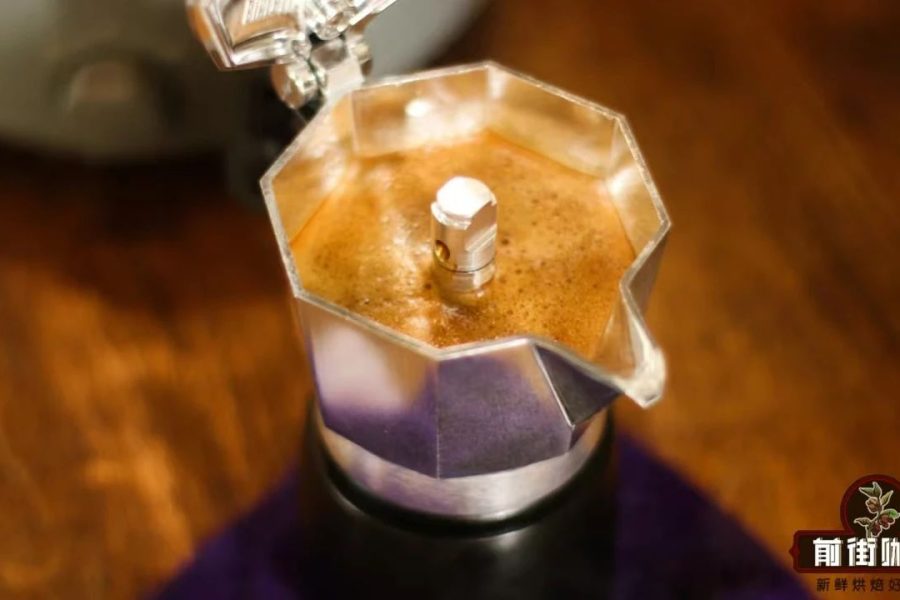
When you hear a distinct "hissing" sound from the moka pot, it means the internal pressure is rising. At this point, turn the heat down and you may slightly open the upper lid to observe the extraction. When the coffee liquid begins to flow into the upper chamber and reaches about half capacity, it is recommended to turn off the heat source. At this point, using the remaining pressure and residual heat in the pot, the remaining coffee liquid can continue to be "pushed" into the upper chamber, avoiding over-extraction.
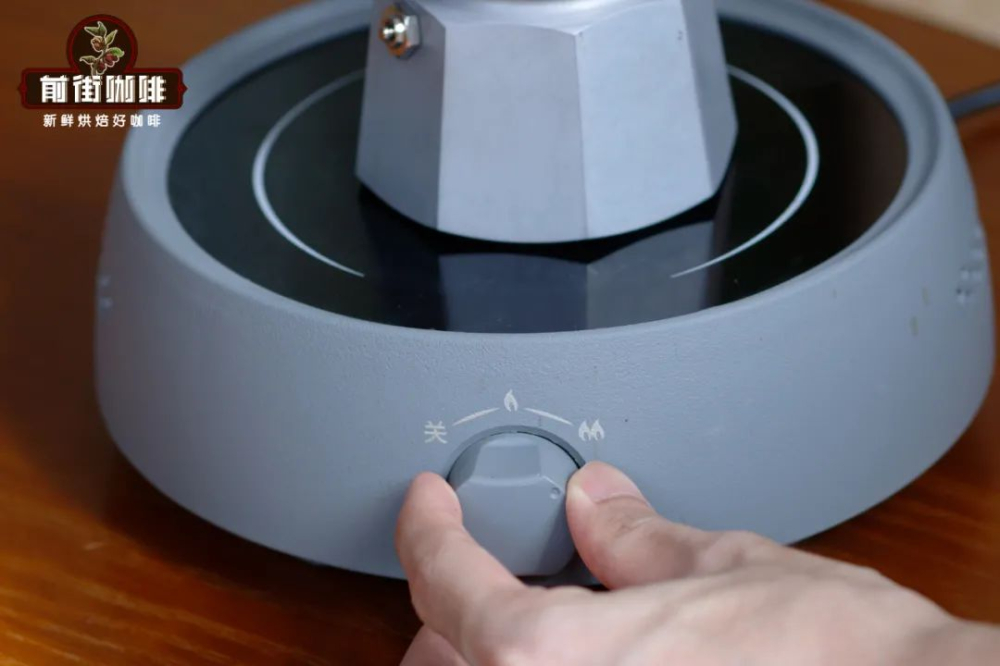
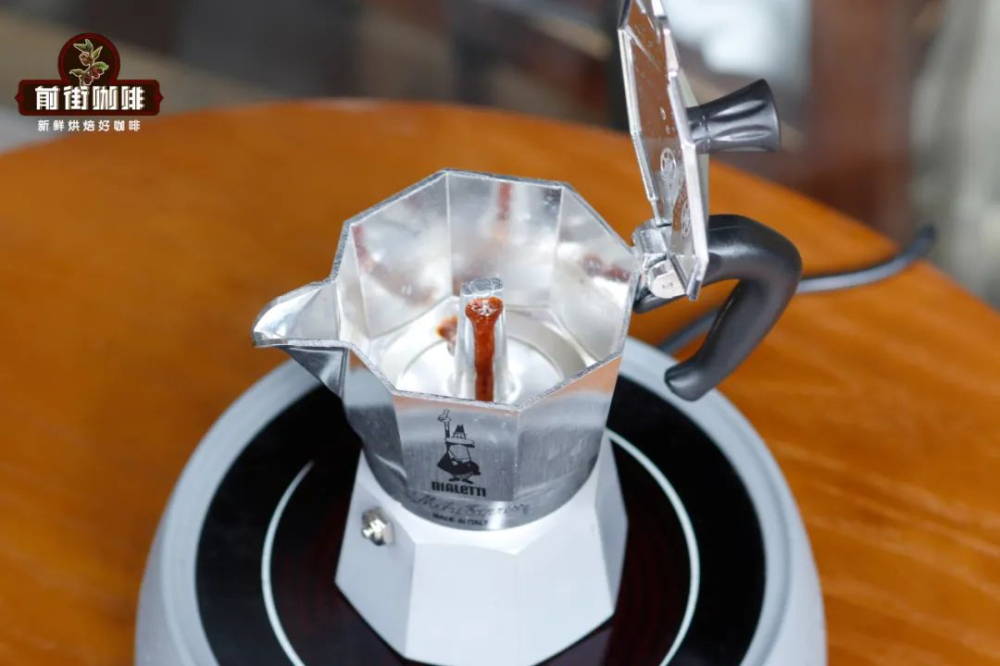
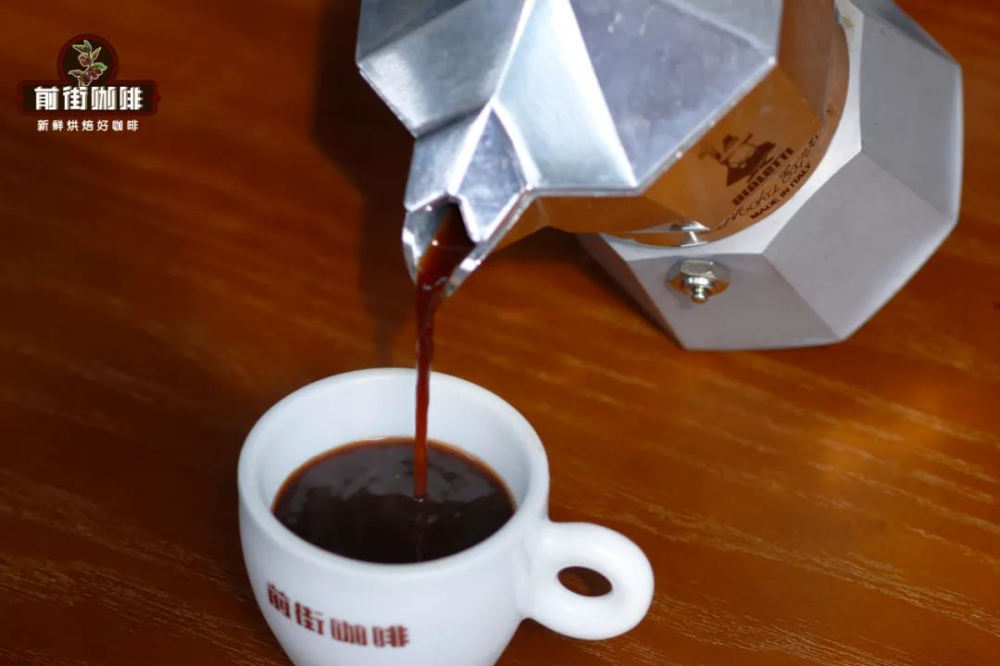
After all the coffee liquid has been extracted into the upper chamber, pour the coffee into a cup and enjoy. Coffee made with a moka pot usually has a relatively high concentration and can present a crema layer similar to espresso, with a mellow mouthfeel. It is suitable for drinking directly, and can also be diluted with hot water into an Americano according to personal preference, or paired with milk to make drinks such as lattes and cappuccinos.
When using a moka pot, there are several safety and operational points that require special attention: never let the water level in the lower chamber exceed the safety valve, otherwise hot water may enter the steam tube or even overflow; never touch the pot body directly during heating, to avoid scalding; if the coffee sprays out in a jet during extraction, it usually means the heat is too high and the water temperature too high, and the heat should be turned down immediately; conversely, if the coffee liquid flows out too slowly, the heat may be insufficient and should be moderately increased. In addition, the moka pot is pressurized equipment; always pay attention to heat control during use to ensure safety.
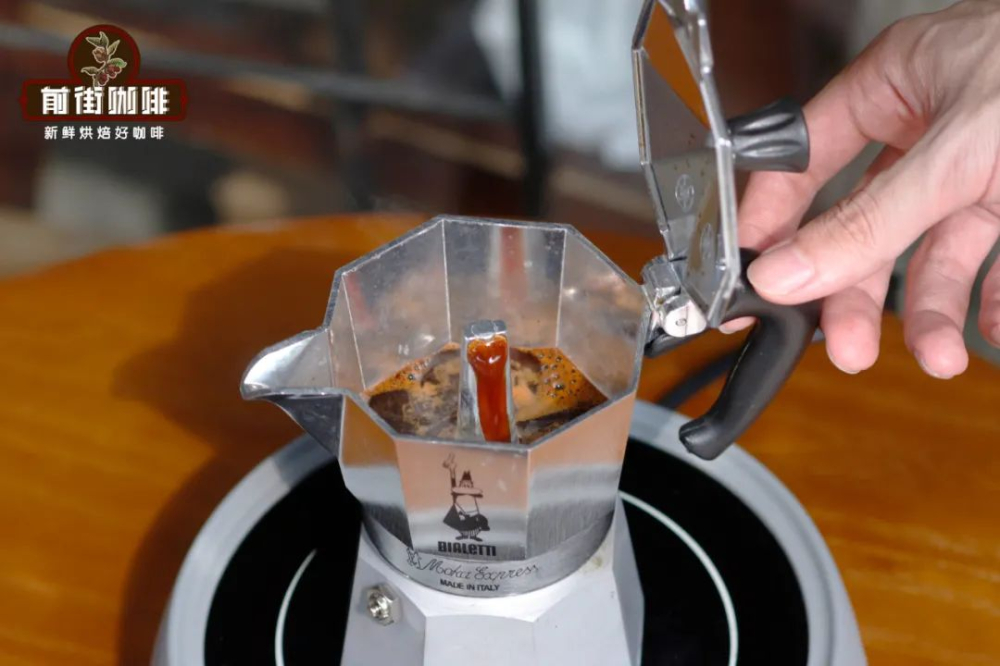
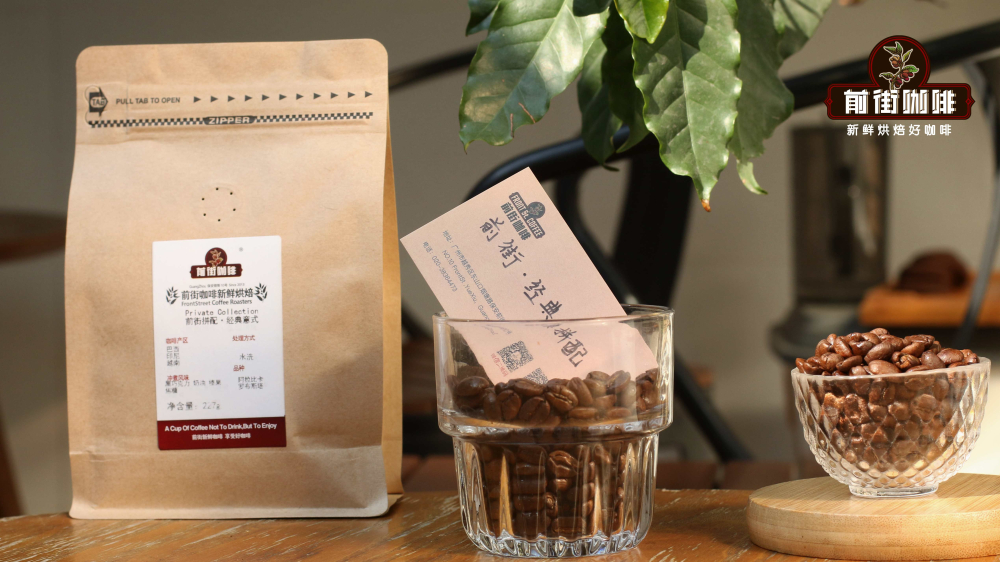
As for choosing coffee beans, the moka pot's pressure extraction method is best suited to medium-dark roasted coffee beans, which can bring out a rich oily feel without being overly burnt or bitter. Common choices on the market include blends and single-origin beans (SOE). Blends are made by mixing coffee beans from multiple producing regions; their flavor is balanced and extraction stable, suitable for users new to the moka pot. For example, a blend combining the characteristics of Indonesian Mandheling and Brazilian beans can bring wild aroma and a mellow mouthfeel. Another option is an Italian-style blend with added Robusta, which can further enhance the oily expression and body, suitable for users who like milk coffee.
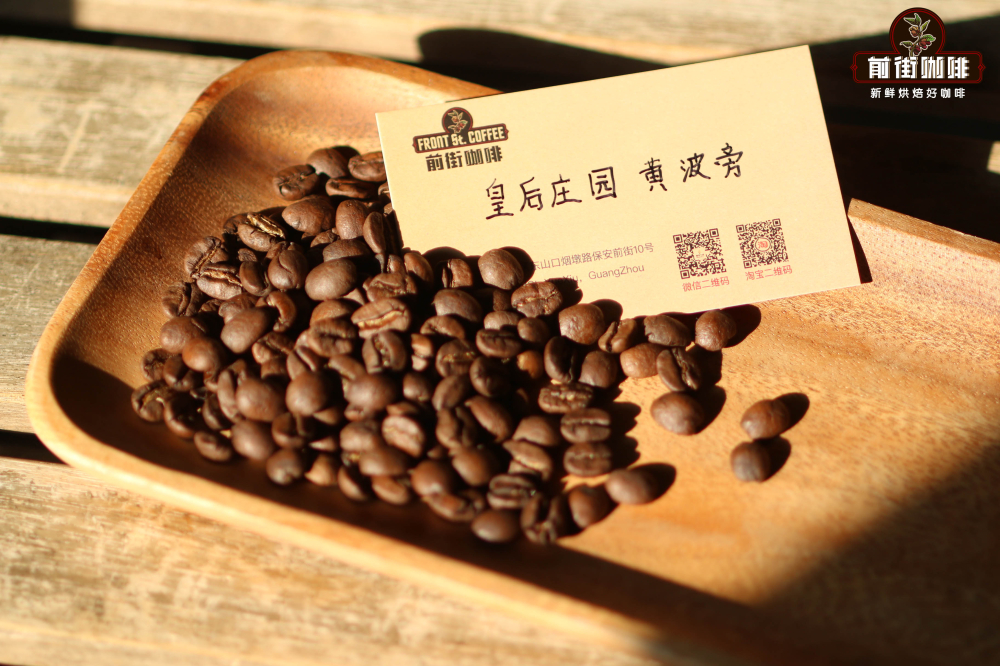
If you prefer the unique flavor of single-origin beans, you can choose medium-dark roasted beans from producing regions such as Brazil. These beans often carry flavor characteristics of nuts, caramel and soft fruit acidity; after moka pot extraction, the oily layer is thick and the aroma lasting. For example, medium-dark roasted beans from a well-known Brazilian estate, processed by natural drying, have flavors prominently expressed as nuts, creamy peanut, cane sugar and soft fruit acidity, very suitable for moka pot brewing, able to present a full mouthfeel and an attractive oily texture.
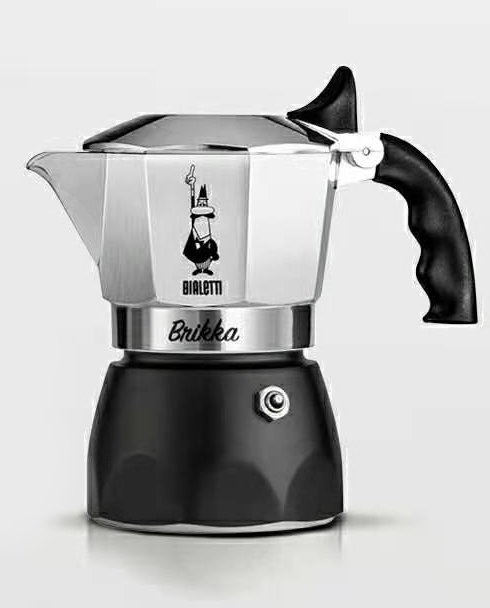
In recent years, the design of the moka pot has also been continuously upgraded. Taking the new-generation pressurized moka pots launched by classic brands as an example, there are currently three main types on the market: the traditional single-valve style, the old-version gravity-pressurized double-valve, and the latest double-valve design with a built-in hydraulic layer for pressurization. Compared with the traditional single-valve style, the new models' pressurized design not only improves the thickness and creaminess of the coffee crema but also optimizes cleaning convenience and overall extraction performance. Multiple comparative reviews show that coffee brewed with a single-valve moka pot has less crema that dissipates easily, while pressurized models can achieve a more lasting and denser crema layer; the new models' crema performance is especially outstanding, dissipates more slowly, and the overall flavor is closer to that of a professional espresso machine.