Moka Pot Brewing Guide: Bean Selection and Flavor Tips
Introduction: Can you make rich coffee at home without a professional espresso machine? The moka pot, a highly cost-effective alternative to espresso, can easily reproduce a full-bodied taste through proper bean selection and extraction parameters. This article explains the secrets of choosing medium-dark roasted beans, matching common flavor profiles, and offers practical methods for judging coffee bean freshness, helping you brew a layered coffee experience with basic tools.
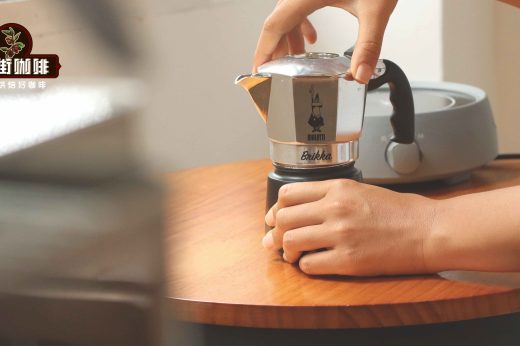
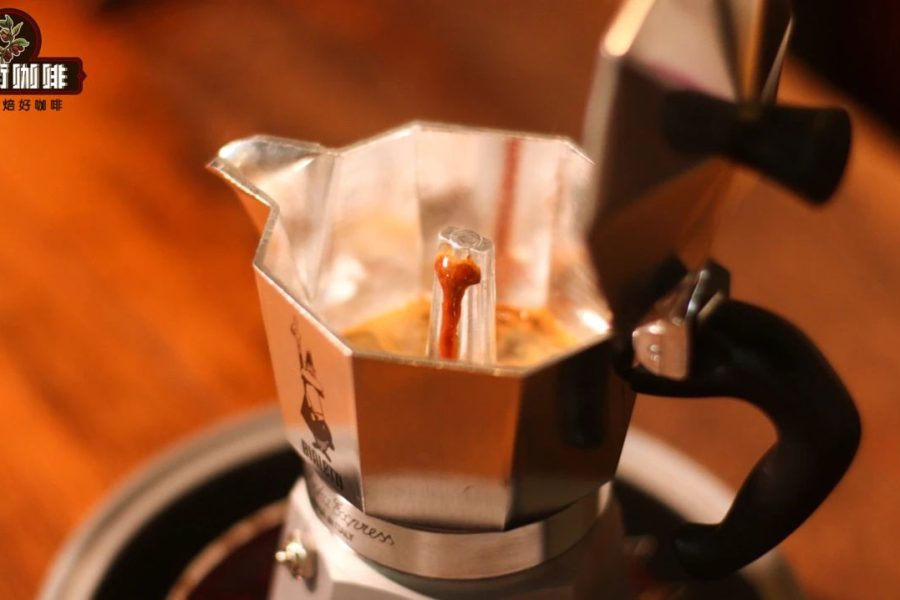
From a technical standpoint, the moka pot extracts coffee through steam pressure (about 1-2 bar) generated by heating the base. Although it cannot reach the 9-bar pressure standard of commercial espresso machines, it can produce a concentrated coffee base of similar strength. This pressure-based extraction significantly amplifies the flavor characteristics of the beans themselves, so bean selection directly affects the final quality.
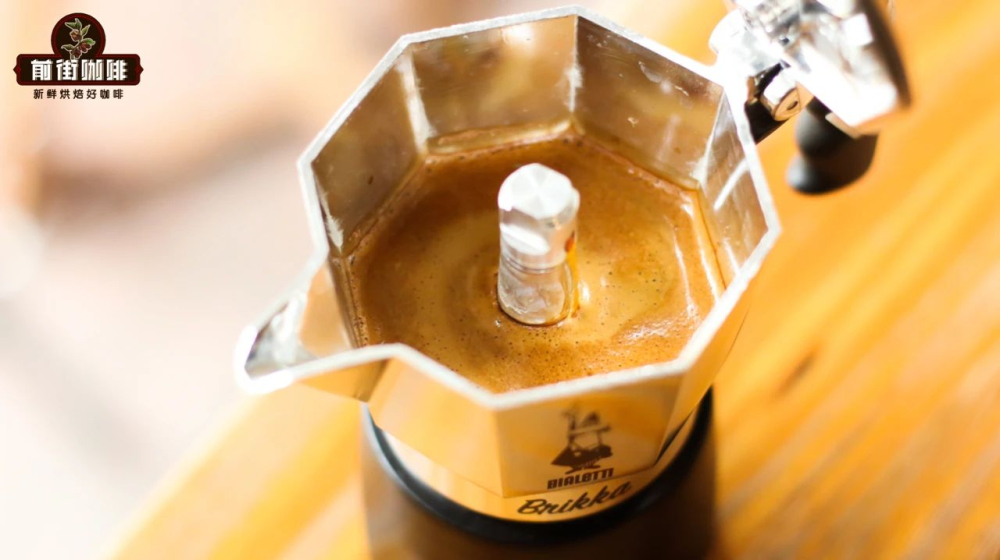
Given the moka pot's characteristics, medium-dark roast (roast level 2-4) is the best choice. The internal substances of these beans are fully transformed, so they can withstand high-temperature, high-pressure extraction and avoid the sharp acidity common in light roasts. Over-extraction causes excessive tannin release, producing noticeable astringency and woody notes.
For those who prefer a nutty-chocolate base, prioritize medium-roast beans from Brazil. These beans usually have distinct cane sugar sweetness and roasted almond aroma. Adjust the grind to medium-fine (similar to granulated sugar) and keep the water level 0.5 cm below the safety valve. If you prefer malt-sugar-like roasted aroma, sun-dried beans from Papua New Guinea offer a balanced toasted bread flavor.

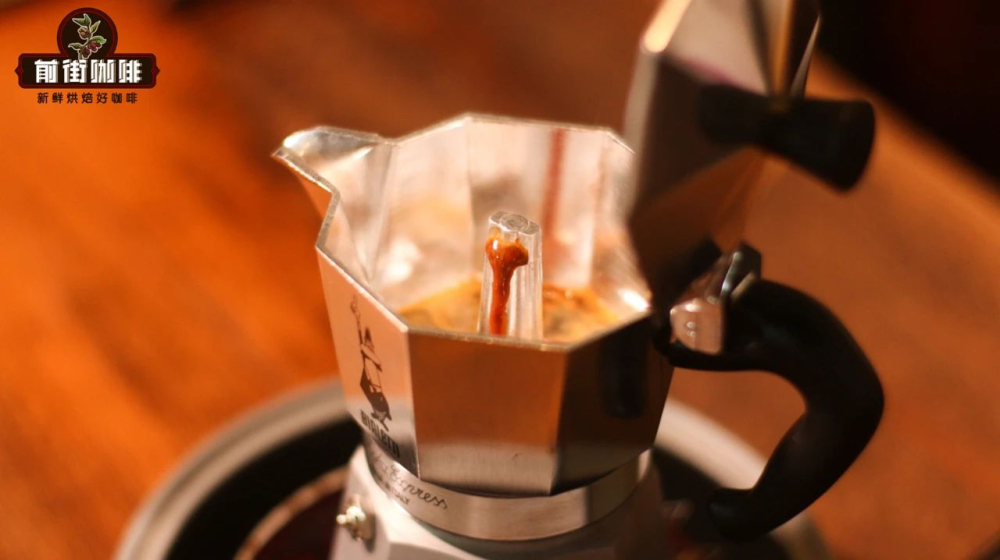
When you want to emphasize roasted aroma, try the Indonesian Golden Mandheling series. The spice notes (such as cinnamon and black pepper) and woody tones from its dark roast are especially prominent under pressure extraction. Use a coarser grind (slightly coarser than the espresso standard) and shorten extraction time to within 25 seconds to prevent excessive bitterness. Watch whether the coffee oil layer appears reddish-brown rather than murky black.

For users who like fruity acidity, choose honey-processed Central American beans. These beans retain more floral and fruity aromas through special fermentation and present a fresh berry-like character in the moka pot. In practice, note that honey-processed beans absorb water faster; pre-infuse for 10 seconds before turning on the heat, and keep the flame at medium-low to avoid vigorous boiling.

A simple way to judge coffee bean freshness: check whether the packaging shows a specific roast date (not a best-before date). High-quality products are usually at their best within 7-20 days after roasting. If you smell obvious paint or rancid oil notes when opening the bag, the oils have oxidized and gone bad. Freshly ground beans should have a fluffy, cotton-like structure and still release noticeable aroma after sitting for 3 minutes.

For storage, note three points: avoid direct sunlight on transparent containers, keep ambient humidity between 45%-55%, and use up unused coffee grounds within 24 hours. Regularly clean residual oils from the moka pot's filter basket and upper chamber to prevent stale flavors from mixing into a new batch of coffee.