Frost Hits Brazil's Main Coffee Regions: How Post-El Niño Climate Shapes Output
Introduction: As the world's largest coffee producer, Brazil's regional climate directly affects international market supply and price trends. This article focuses on the recent frost weather in key Brazilian coffee-growing areas, analyzing the affected range, the potential threat to output, and the impact of meteorological conditions in the coming months on coffee growth and the harvest rhythm, helping you understand how climate factors act on the coffee supply chain.
Recently, some major coffee-producing regions in Brazil have experienced significant cooling, with frost even appearing in some local areas, sparking widespread market attention to coffee supply and futures prices. According to meteorological authorities, Brazil officially entered winter on June 21 local time, after which a strong cold air mass originating from the polar region began to affect multiple key coffee-planting areas in the country's south and southeast.
On June 28, Brazil's meteorological center issued a warning, noting that this cold air mass would bring a sharp temperature drop of more than 10°C to southern and southeastern Brazil, with most of Paraná, parts of Mato Grosso, and southern São Paulo seeing particularly notable declines, and coffee plantations in low-lying areas even facing frost risk.
Although this cold spell mainly affects Paraná and southern São Paulo, the industry generally believes these areas are not Brazil's core coffee-producing regions—coffee from the two states accounts for only a very small share of national output. By contrast, traditional main producing regions such as Minas Gerais are directly affected to a limited extent, but the market remains alert to potential knock-on effects.
Some traders noted that although the current frost is concentrated in the corn belt and arabica coffee output in Paraná accounts for only 5% of the national total, extreme low temperatures may cause crop death (including coffee trees and cash crops), thereby disrupting future supply expectations; this concern has become one of the important factors driving coffee futures prices higher in the short term.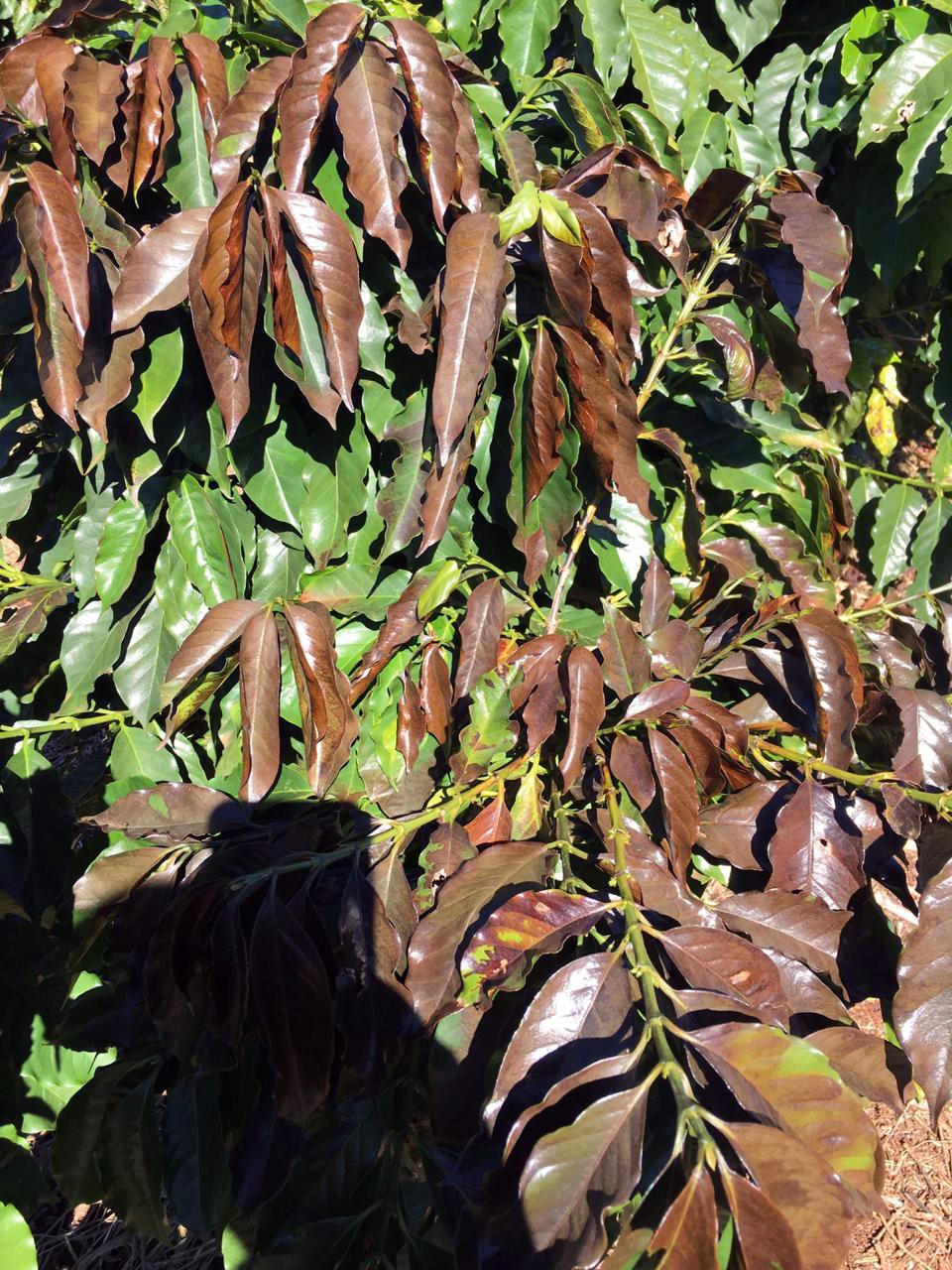
Looking back at history, Brazil has repeatedly suffered coffee tree damage from frost disasters, which not only affected the season's output but also weakened the trees' productive capacity in subsequent years, ultimately causing market supply shortages and price spikes. For this reason, even though the direct impact range of this frost is limited, the futures market remains sensitive; prices once climbed to a three-week high and, although they pulled back slightly afterward, remain in a high-level oscillation.
Looking ahead to the coming months, a report from the International Research Institute for Climate and Society (IRI) shows that the previously sustained El Niño phenomenon has ended, and sea surface temperatures are gradually returning to normal levels. But a new challenge follows: from July to September, precipitation in most of southern South America is expected to be below the same period in normal years; and from September to November, precipitation in southern Brazil may also be below normal.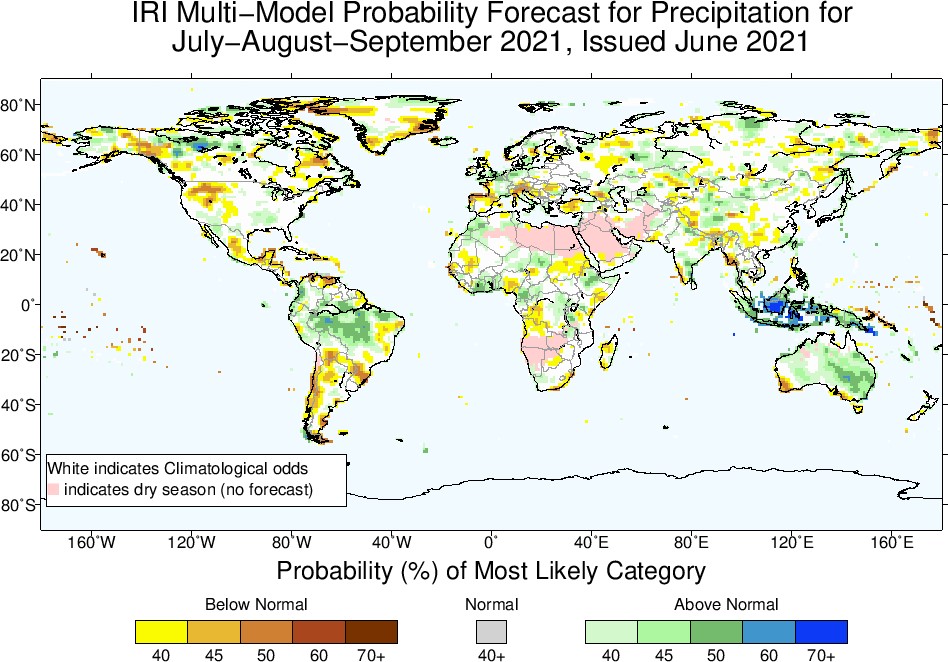
In terms of temperature, average temperatures in most of Brazil in July will be slightly higher than normal for the season. For coffee cultivation, below-normal rainfall is conducive to harvesting operations and processing (reducing the risk of fruit mold), but scattered rainfall combined with higher temperatures will accelerate the ripening of coffee cherries, placing higher demands on plantation harvesting efficiency—timely picking is essential to avoid overripe beans affecting quality.
According to the latest statistics from agricultural consultancy Safras & Mercado, as of June 22, Brazil's national coffee harvest progress stood at 40%, not only below last year's 41% for the same period but also behind the five-year average of 44% for the same period.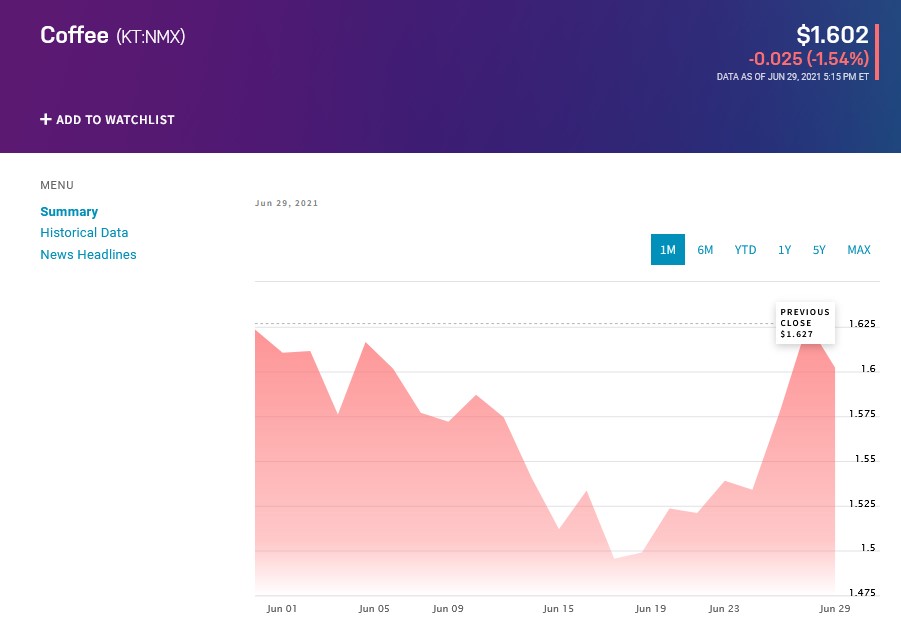 This figure reflects the subtle impact of current climate conditions on the harvest rhythm and also provides an important reference for subsequent output assessments.