Blue Mountain No. 1: Roast Differences and Why Jamaican Blue Mountain Is the World's Costliest
Introduction: Blue Mountain coffee is renowned for its balanced, mellow flavor, but what taste differences do different roast levels bring? Behind the high price of Jamaican Blue Mountain coffee, what strict standards are involved beyond the advantage of origin? This article examines in depth the differences between dark and light roasts of Blue Mountain No. 1 coffee, revealing the cultivation history, certification system, and current market situation of the world's top coffee, helping coffee lovers better understand Blue Mountain.
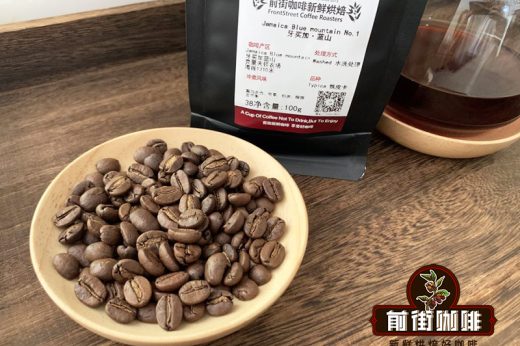
The appeal of Blue Mountain coffee lies in its unique sense of balance—neither overly acidic nor excessively full-bodied, a trait that makes it the ultimate pursuit of many coffee lovers. In choosing a roast profile, dark and light roasts significantly affect how its flavors present. A dark roast can highlight Blue Mountain coffee's nutty and chocolate underpinnings, with more pronounced bitterness but rich layers; a light roast preserves more floral and fruity acidity and bright citrus notes, with a crisper mouthfeel. Professional roasters usually adjust according to drinking preferences, but even a dark roast will be slightly lighter than the common Japanese dark roast level, to avoid overly masking Blue Mountain's own delicate flavors.
The legend of Jamaican Blue Mountain coffee began in the 18th century. According to records, Sir Nicholas Lawes, then governor of Jamaica, introduced Arabica coffee seeds from Martinique and successfully trial-planted them in the Saint Andrew region. Today, Saint Andrew, Portland, and Saint Thomas are the three core producing regions of Blue Mountain coffee. At its peak, in 1932 alone Jamaica exported more than 15,000 tons of premium coffee. To safeguard quality, the Jamaican government established a dedicated Coffee Industry Board in 1950, setting strict quality standards and applying an official certification seal to exported coffee; this system remains one of the world's most authoritative coffee quality control systems.
True Blue Mountain coffee must come from the core growing area at 1,200–1,700 meters elevation in the Blue Mountain range, where unique volcanic soil and climatic conditions produce the beans' exceptional quality. Currently, only six designated processing plants—including the well-known Mavis Bank Coffee Factory—hold official certification to label their products as Blue Mountain origin, and these producers use a specific origin mark on packaging. Notably, the actual planted area in Jamaica's Blue Mountain region is only about 6,000 hectares, and annual output is very limited, which directly drives up its market price.
Although many coffees on the market claim to be "Blue Mountain," genuine Blue Mountain No. 1 coffee meeting the geographical indication accounts for only a tiny proportion. The remaining roughly 12,000 hectares of growing areas mainly produce High Mountain Supreme and Jamaica Prime Washed, two equally high-quality alternatives. In the late 1960s, technical improvements supported by Japanese loans significantly raised coffee production efficiency and quality consistency, laying the foundation for Blue Mountain coffee's continued premium positioning. By the 1980s, Jamaica further cleared more than 7,500 hectares of land to expand coffee cultivation, but the core Blue Mountain producing area was always kept under strict control, ensuring scarcity and quality went hand in hand.
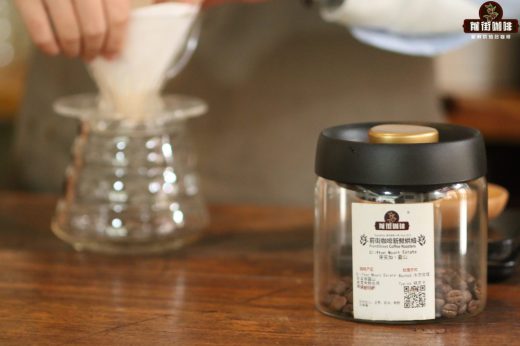
For coffee consumers, when buying Blue Mountain coffee it is especially important to check certification marks and origin information. Genuine Blue Mountain No. 1 coffee is usually given a medium-dark roast to balance its natural characteristics; for pour-over, water at 90–93°C and a 1:15 coffee-to-water ratio are recommended, with extraction time kept to about 2 minutes 30 seconds to fully express its complex flavors. Whether it is the warm chocolate finish of a dark roast or the bright acidity of a light roast, Blue Mountain coffee represents the ultimate expression of coffee flavor and is also the best entry point for understanding top-tier coffee culture.